Introduction
Nestled in Quincy, Massachusetts, the Quincy Quarries Reservation is a destination rich in history and brimming with opportunities for outdoor adventure. From its origins in the early 19th century as a cornerstone of the granite industry to its current status as a vibrant recreational area, Quincy Quarries offers a unique blend of historical significance and modern-day attractions. Whether you're a history enthusiast, a rock climber, or someone looking for a picturesque spot to explore, Quincy Quarries has something for everyone.
Early Beginnings and Granite Railway
The Quincy Quarries Reservation first opened in 1825 to supply granite for the Bunker Hill Monument in Boston’s historic Charlestown neighborhood (Atlas Obscura). This event marked the beginning of Quincy’s prominent granite industry. In 1826, the Granite Railway was established, often credited as the first commercial railroad in the United States. Designed by Gridley Bryant, this railroad transported granite from the quarries to the Neponset River, setting a precedent for future industrial railways (Wikipedia).
Peak of the Granite Industry
During its peak, Quincy Quarries was one of the largest granite quarry operators in the country. The quarries produced granite for major construction projects, including the state capitol building in Boston, Fort Sumter in South Carolina, and the base of the Statue of Liberty (Field Mag). Quincy earned the moniker “The Granite City” due to the numerous quarries operating in the area, employing a large workforce and significantly contributing to the local economy (Mass Moments).
Decline and Abandonment
The demand for Quincy granite began to wane in the early 20th century as building styles changed and more affordable materials, such as concrete, became popular. By 1963, the last quarry in Quincy ceased operations (Mass Moments). Abandoned quarries filled with water, becoming popular cliff-jumping sites despite the dangers. Efforts to deter cliff jumping, such as installing wooden pylons, were largely ineffective and even hazardous (Atlas Obscura).
Transformation and Public Safety Measures
In response to safety concerns, the quarries were closed to the public for several years. A solution was found during Boston's Big Dig highway project. In 1985, Boston's Metropolitan District Commission purchased 22 acres, including the Granite Railway Quarry, transforming it into the Quincy Quarries Reservation (Wikipedia). Dirt from the highway tunnels filled the main quarries, improving the site for public use and connecting it to the Blue Hills Reservation trail system, offering hiking, rock climbing, and stunning views of the Boston skyline (Wikipedia).
Visitor Information
- Visiting Hours: The Quincy Quarries Reservation is open daily from dawn until dusk.
- Tickets: There is no entrance fee to visit the Quincy Quarries Reservation.
- Travel Tips: Wear sturdy footwear for hiking and climbing. Bring water and snacks, as there are no on-site facilities.
- Nearby Attractions: Blue Hills Reservation, Adams National Historical Park, and Wollaston Beach.
Cultural Significance and Modern-Day Use
Today, Quincy Quarries Reservation is known for its vibrant murals that adorn the quarry walls, adding a touch of modern art to the historic landscape (The Boston Day Book). The site has been featured in films like "Gone Baby Gone" (2007) and "The Invention of Lying" (2009), and in the graphic novel "Geeks & Greeks" (2016) (Wikipedia).
Rock Climbing Legacy
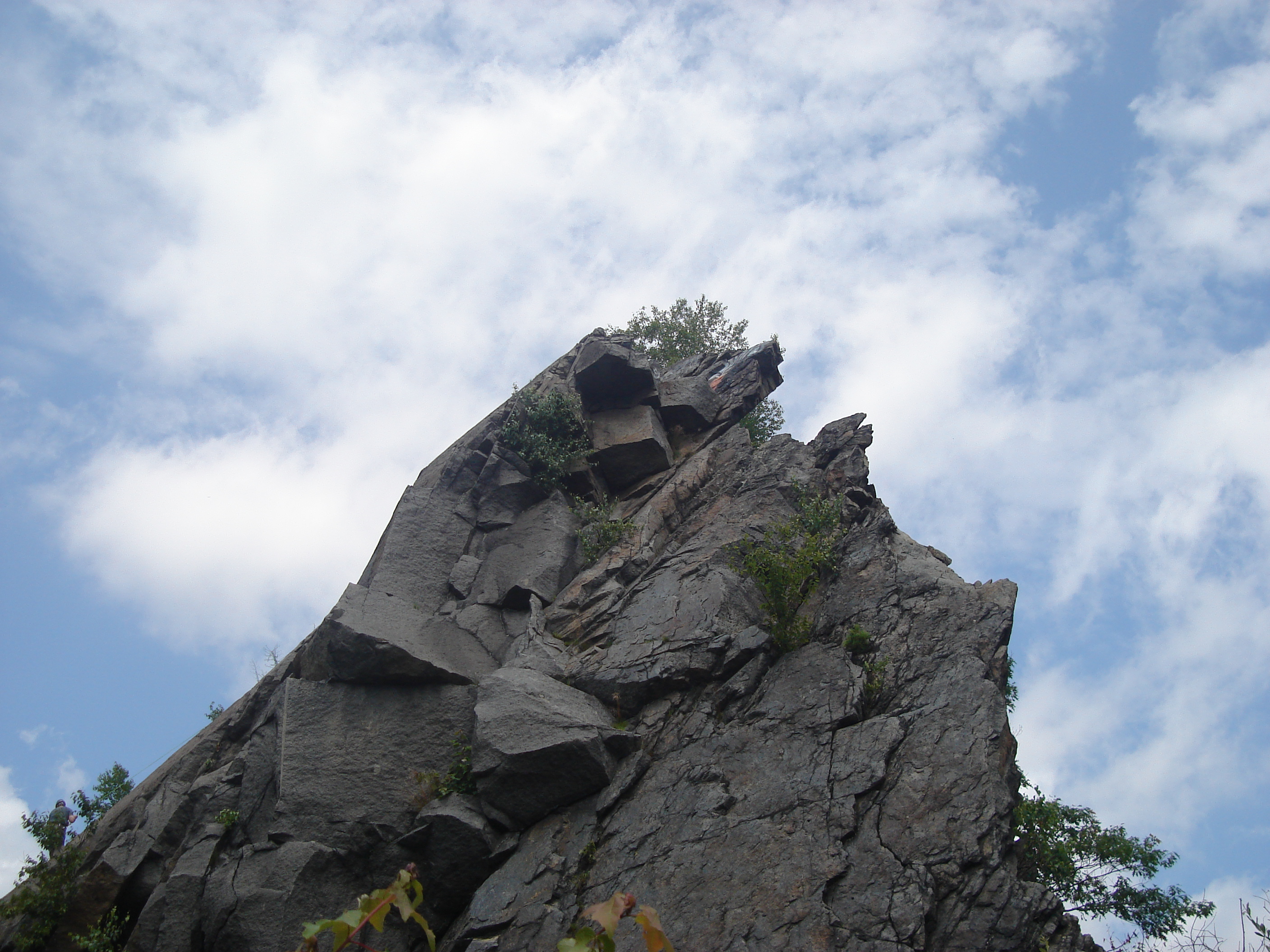
Rock climbing has been a part of Quincy Quarries' history since the 1920s (Field Mag). Guidebooks like "A Guide to Quincy Quarries" (1968) and "Boston Rocks" (1987) have helped cement its reputation as a premier climbing destination (Wikipedia).
Preservation and Future Prospects
The Massachusetts Department of Conservation and Recreation manages the Quincy Quarries Reservation (Wikipedia). Ongoing efforts to maintain the site ensure it remains a safe and enjoyable destination for visitors.
Frequently Asked Questions (FAQ)
Q: What are the Quincy Quarries Reservation visiting hours? A: The reservation is open daily from dawn until dusk.
Q: Is there an entrance fee to Quincy Quarries Reservation? A: No, there is no entrance fee.
Q: Are there any guided tours available? A: While there are no regular guided tours, special events and tours may be offered periodically. Check the official Quincy Quarries Reservation website for updates.
Q: What safety precautions should visitors take? A: Visitors should wear sturdy footwear, stay on marked trails, and avoid cliff jumping. Always be mindful of your surroundings and follow posted safety guidelines.
Summary and Final Thoughts
Quincy Quarries Reservation stands as a testament to the rich industrial history and dynamic transformation of Quincy, Massachusetts. From its early days as a pivotal granite supplier to its current status as a beloved recreational area, the reservation offers a unique blend of historical and modern attractions. Visitors can explore the remnants of the Granite Railway, marvel at the vibrant murals, and enjoy various outdoor activities such as hiking and rock climbing (Field Mag, The Boston Day Book). Managed by the Massachusetts Department of Conservation and Recreation, ongoing preservation efforts ensure that Quincy Quarries remains a safe and enjoyable destination for future generations (Wikipedia). Whether you're a history buff, an outdoor enthusiast, or simply looking for a picturesque spot to explore, Quincy Quarries Reservation is a must-visit destination. For the latest updates and more travel tips, follow us on social media and download our mobile app, Audiala.
Listen to the full story in the app
Your Personal Curator, in Your Pocket.
Audio guides for 1,100+ cities across 96 countries. History, stories, and local insight — offline ready.
Audiala App
Available on iOS & Android
Join 50k+ Curators
Sources
-
verified
Atlas Obscura
The Quincy Quarries
-
verified
Wikipedia
Quincy Quarries Reservation
-
verified
Field Mag
Quincy Quarries History and Urban Rock Climbing in Boston
-
verified
The Boston Day Book
Things to Do in Quincy
- verified
Last reviewed:


