Plan and listen to Port Of Boston with Audiala.
Audio guide in your pocket, itinerary in your browser. Built for the way you actually visit.
Introduction
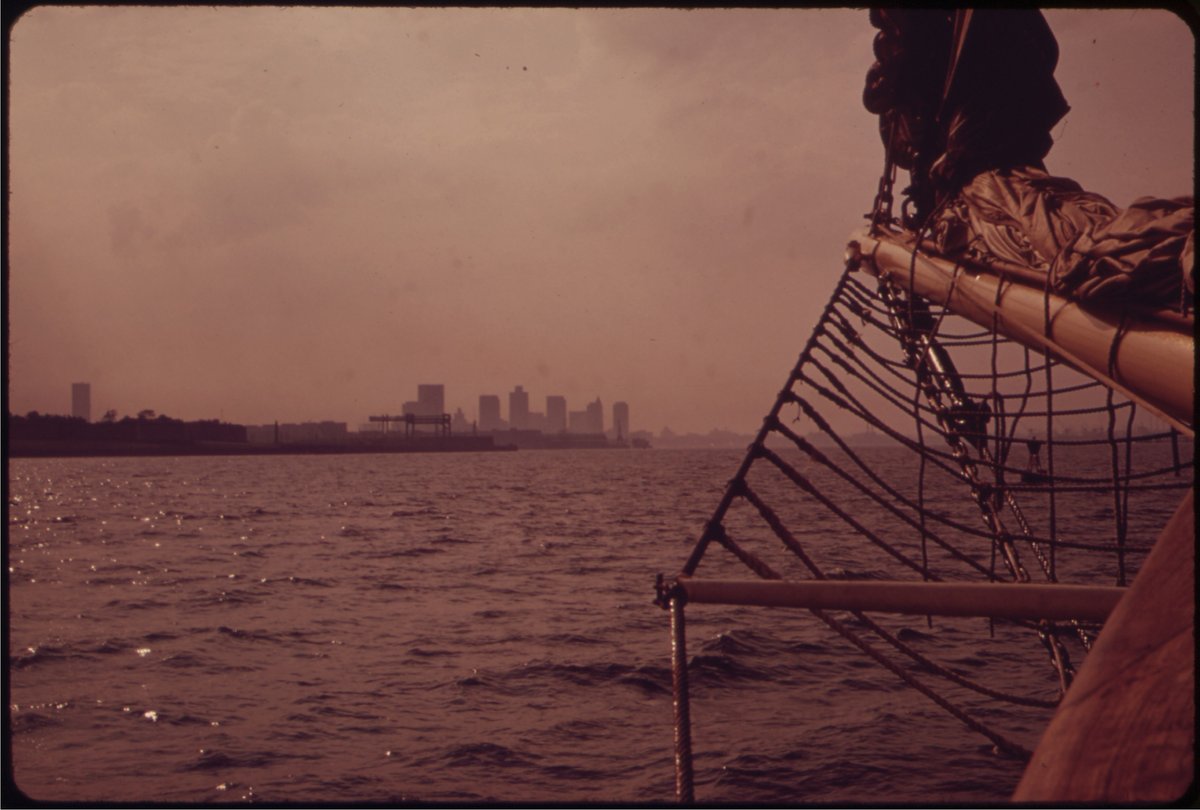
The Port of Boston is a historic and dynamic maritime gateway, serving as one of New England’s most significant economic and cultural centers. Established in the early 17th century, this deep-water harbor has played a pivotal role in American history, from its colonial trading origins and the iconic Boston Tea Party to centuries of immigration, industrial growth, and contemporary redevelopment. Today, the Port of Boston blends its rich heritage with vibrant modern activity as a major cargo and cruise port and a cherished waterfront destination. This guide offers essential information for planning your visit, including visiting hours, ticketing, accessibility, transportation, insider tips, and a curated overview of nearby attractions and historical sites. For comprehensive visitor resources, refer to official sources such as Boston.gov, CruiseHive, and the Boston Tea Party Ships & Museum.

Early Foundations and Colonial Growth
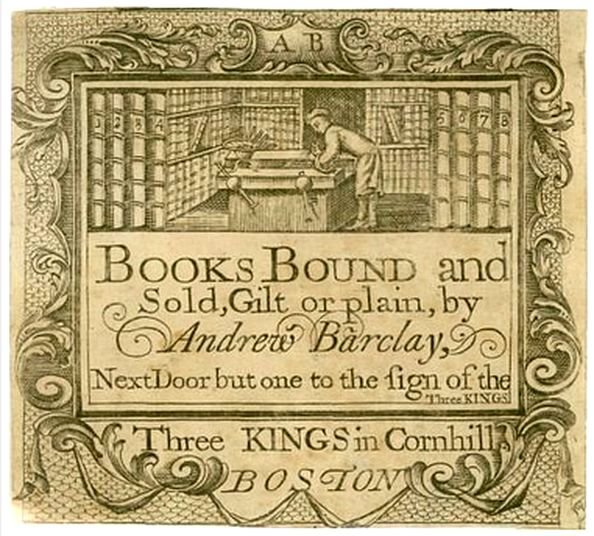
Founded in 1630, Boston’s natural harbor quickly established the city as a center for trade, fishing, and shipbuilding. By the late 1600s, Boston Harbor was one of the busiest ports in colonial America, connecting the city with Europe, the Caribbean, and other colonies. This strategic location fostered Boston’s rise as a leading economic and cultural hub (Boston.gov).
Revolutionary Significance
Boston Harbor’s most infamous moment came in 1773 with the Boston Tea Party, when colonists protested British taxation by dumping tea into the harbor at Griffin’s Wharf. This act galvanized revolutionary fervor across the colonies and set the stage for the American Revolution (Boston Tea Party Ships & Museum). The port’s wharves and warehouses became gathering points for revolutionaries during this turbulent era.
19th Century Expansion and Immigration
After American independence, the port continued to thrive. The 19th century saw the development of major wharves like Long Wharf and Boston Fish Pier, making the harbor a focal point for commerce and immigration. Waves of immigrants from Ireland, Italy, and Eastern Europe arrived here, shaping the city’s demographics and culture (Boston Harbor Now). As industry boomed, the port adapted to shifts in trade, though competition from larger ports increased.
20th Century Modernization and Environmental Renewal
Massport’s creation in 1956 spurred modernization, moving commercial activity from historic wharves to new terminals in Charlestown, East Boston, South Boston, and Everett (Massport). The late 20th century saw a dramatic environmental turnaround, as the Massachusetts Water Resources Authority (MWRA) launched a cleanup that transformed Boston Harbor into one of the nation’s cleanest urban waterways (Boston Harbor Now). This renewal made possible the revitalization of waterfront neighborhoods and new public spaces.
21st Century Expansion and Economic Impact
Recent decades have seen significant investments, including harbor dredging to accommodate larger vessels and infrastructure upgrades tied to the Big Dig. The port now welcomes ships carrying up to 12,000 TEUs and supports a diverse range of cargo and cruise operations. Today, it remains a vital economic engine, supporting thousands of jobs and billions in trade (MarineLink).
Cultural and Social Legacy
The port’s influence extends beyond commerce. Its wharves and piers have witnessed centuries of migration and innovation. Former warehouses have been repurposed as museums, restaurants, and residences, while the Boston Harborwalk—a public promenade—connects visitors to landmarks like Long Wharf, Rowes Wharf, and the Boston Navy Yard. The waterfront regularly hosts events such as July 4th fireworks, the Dragon Boat Festival, and outdoor concerts, reflecting Boston’s ongoing maritime spirit (Boston Discovery Guide).
Essential Visitor Information
Key Sites and Attractions
- Boston Tea Party Ships & Museum: Engage with interactive exhibits and reenactments of the 1773 protest.
- Visiting hours: Daily, 10:00 AM–6:00 PM
- Tickets: Adults $29.75, Children (4–12) $19.75 (Boston Tea Party Ships & Museum)
- Boston Fish Pier: A working seafood market and historic site.
- Flynn Cruiseport Boston (Black Falcon Cruise Terminal): Main cruise hub serving major lines.
- Seaport District: Home to the Institute of Contemporary Art, trendy restaurants, and event spaces.
- USS Constitution: "Old Ironsides" is the world’s oldest commissioned naval vessel, open for tours at Charlestown Navy Yard (USS Constitution Museum).
Guided Tours and Special Events
Choose from guided walking tours, narrated harbor cruises, and themed events such as Boston Harborfest and the Dragon Boat Festival. Many tours can be booked online with flexible scheduling.
Transportation and Accessibility
- MBTA Silver Line (SL2): Direct service connects the Seaport and cruise terminals to South Station and Logan Airport.
- Highways: I-90, I-93, I-95, and U.S. 1 provide easy road access.
- Water Taxis and Ferries: Operate from Long Wharf, Rowes Wharf, and other docks.
- Accessibility: Major attractions and terminals feature ramps, elevators, and accessible restrooms. Contact venues in advance for specific accommodations.
Visiting Hours and Ticketing
- Outdoor areas: The Harborwalk and waterfront parks are open 24/7 year-round.
- Museums and Cruise Terminals: Generally open from 9:00 or 10:00 AM to 5:00 or 6:00 PM. Check specific websites for seasonal changes.
- Tickets: Purchase online in advance, especially during peak seasons.
Dining and Amenities
The Seaport District and historic wharves offer a range of dining options, from classic New England seafood to global cuisine. Facilities provide amenities such as parking, luggage services, and family-friendly restrooms.
Frequently Asked Questions (FAQ)
Q: What are the Port of Boston visiting hours?
A: Outdoor areas are open 24/7. Major attractions, like the Boston Tea Party Ships & Museum, typically operate 10:00 AM–6:00 PM.
Q: How do I buy tickets for harbor cruises or museums?
A: Tickets can be purchased online or at official counters. Advance booking is recommended.
Q: Is the Port accessible for visitors with disabilities?
A: Yes, major terminals and attractions offer ramps, elevators, and accessible restrooms. Contact sites in advance for tailored assistance.
Q: Are guided tours available?
A: Both walking and boat tours are available and are best booked online ahead of your visit.
Q: What public transportation serves the Port of Boston?
A: The MBTA Silver Line SL2, water taxis, ferries, and rideshares connect the port to downtown and Logan Airport.
Listen to the full story in the app
The whole Port Of Boston,
told well.
Audio guides for 1,100+ cities across 96 countries. History, stories, and local insight — offline ready.
Verified, and shown.
Researched and written by the Audiala editorial team from historical records, architectural archives, and local expertise.
Researched from Wikidata, Wikipedia & official sources · fact-checked · How we make our guides →