Plan and listen to Oneida Football Club Monument with Audiala.
Audio guide in your pocket, itinerary in your browser. Built for the way you actually visit.
Introduction: Discovering the Legacy of the Oneida Football Club Monument
Boston, a city renowned for its deep historical roots and vibrant sporting culture, offers visitors a unique opportunity to explore the origins of American football at the Oneida Football Club Monument. Located on Boston Common—the nation’s oldest public park—this monument commemorates the Oneida Football Club, widely recognized as the first organized football club in the United States. Established in the early 1860s, the club played a distinctive hybrid of soccer and rugby known as the “Boston game,” and achieved legendary status by never conceding a single goal during its active years.
Unveiled in 1925, the monument serves not just as a historical marker, but also as a testament to Boston’s pivotal role in the development of American sports. Surrounded by other iconic sites like the Massachusetts State House and the Freedom Trail, the Oneida Football Club Monument invites sports enthusiasts, history buffs, and curious travelers alike to connect with a foundational chapter of American football history. For further details, consult official city guides and historical archives (Boston.gov – Boston Common; MassMoments – Oneida Football Club).


History of the Oneida Football Club Monument
The Birth of Organized Football in the United States
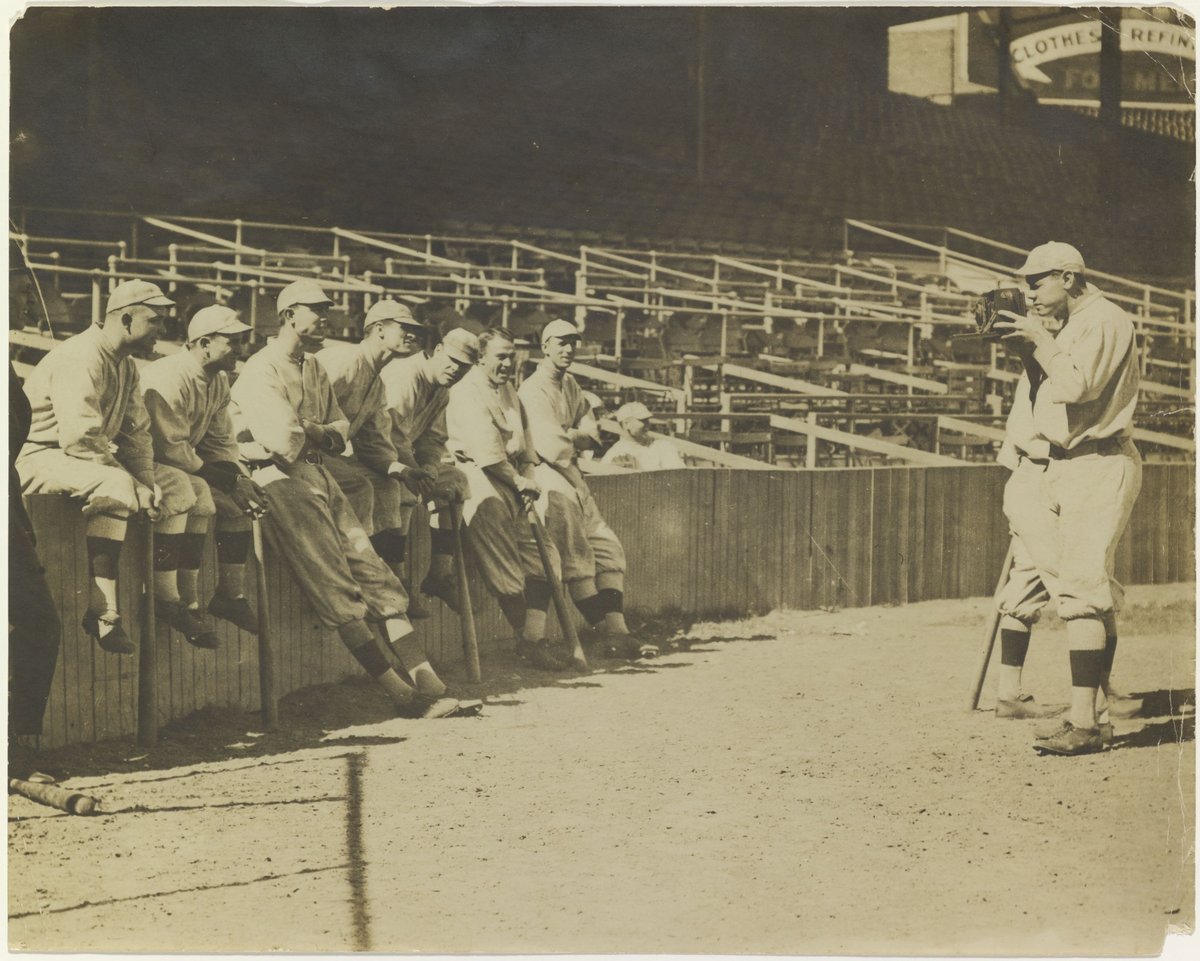
Founded in 1862 by Gerrit Smith Miller alongside sixteen students from Boston’s leading preparatory schools, the Oneida Football Club played the “Boston game,” a hybrid of soccer and rugby that permitted both kicking and carrying the ball (Wikipedia; Club Eleven Mail). The team’s dominance from 1862 to 1865 was unmatched—they reportedly never lost a match or allowed their goal to be crossed. After the club disbanded, several members went on to help establish the Harvard University Football Club, continuing to influence the evolution of American football (Wikipedia).
Monument Inscription and Symbolism
Erected on November 21, 1925, the monument’s inscription reads:
“On this field the Oneida Football Club of Boston, the first organized football club in the United States, played against all comers from 1862 to 1865. The Oneida goal was never crossed.”
The stone tablet also lists the original team members, honoring their pioneering role in American sports history. Its simple, unadorned design underscores the club’s amateur spirit and the enduring values of teamwork and sportsmanship (Oneida Football Club History).
Visiting the Oneida Football Club Monument
Location & Directions
The Oneida Football Club Monument stands near the intersection of Beacon and Spruce Streets on Boston Common, close to the Frog Pond and within easy reach of the Massachusetts State House. The park is centrally located in downtown Boston.
- Address: Boston Common, Boston, MA 02108
- Nearest MBTA Stations: Park Street (Red and Green Lines), Boylston (Green Line), and Arlington (Green Line)
Public transportation is highly recommended due to limited parking. Parking garages are available nearby but can be expensive.
Visiting Hours & Admission
- Boston Common Hours: Open daily, generally from 6:00 AM to 11:00 PM
- Monument Access: Freely accessible during park hours; no ticket or admission fee required
Accessibility
The monument is accessible via paved park pathways, making it suitable for visitors using wheelchairs or other mobility aids.
Nearby Attractions
While visiting, consider exploring:
- The Massachusetts State House
- The Freedom Trail (beginning at Boston Common)
- Boston Public Garden
- Brewer Fountain
- Robert Gould Shaw and Massachusetts 54th Regiment Memorial
These sites can be easily included in a walking tour of Boston’s historic core.
Guided Tours and Special Events
Several walking tours of Boston Common and the Freedom Trail include the Oneida Football Club Monument as a featured stop (Boston Walking Tours). Special commemorative events may occur on significant anniversaries or in conjunction with major sporting occasions.
Photography Tips
The best photo opportunities are during early morning or late afternoon, when natural light highlights the monument against the greenery of Boston Common and the city skyline.
Controversies and Cultural Significance
Myth-Making and Historical Debate
While the Oneida Football Club is celebrated as a pioneer of organized American football, historians like Kevin Tallec Marston and Mike Cronin have explored how the club’s legacy was shaped by surviving members in the 1920s to bolster their social status (Perlego). The authenticity of the club’s “first” status is debated, as the “Boston game” was a unique hybrid and lacked standardized rules.
Disputed Origins
The monument’s claim that Oneida was the “first organized football club” is subject to ongoing debate due to the evolving definitions of soccer and American football in the 19th century (Club Eleven Mail).
Public Memory and Artifact Preservation
Artifacts such as the original ball and captain Miller’s red handkerchief are preserved by Historic New England, contributing to the enduring narrative surrounding the club (Wikipedia).
Practical Visitor Information
Hours and Admission
- Park Hours: Open daily, generally dawn to dusk or 6:00 AM to 11:00 PM
- Admission: Free; no tickets required
Accessibility
- Wheelchair Access: Paved park paths lead to the monument
- Nearby Amenities: Benches, seasonal restrooms, and food vendors available in Boston Common
Best Times to Visit
Spring and fall offer the most pleasant weather. Early mornings and late afternoons are ideal to avoid crowds. Special events may be held during key anniversaries.
Visitor Tips
- Duration: Allocate 10–20 minutes for your visit; longer for those interested in reading inscriptions or photography
- Safety: The park is generally safe during daylight hours
- Photography: Permitted and encouraged
Preservation and Community Engagement
The monument is maintained by the City of Boston’s Parks and Recreation Department, with periodic restoration efforts to preserve its integrity. Community ceremonies and educational programs reinforce its significance in Boston’s sports and cultural narrative.
Frequently Asked Questions (FAQ)
Q: Is the Oneida Football Club Monument free to visit?
A: Yes, there is no fee or ticket required.
Q: What are the monument’s visiting hours?
A: Boston Common is open daily, generally from 6:00 AM to 11:00 PM.
Q: Is the site wheelchair accessible?
A: Yes, there are paved paths leading to the monument.
Q: Are guided tours available?
A: Yes, several local walking tours include the monument.
Q: When is the best time of year to visit?
A: Spring and fall for mild weather and fewer crowds.
Q: What else can I see nearby?
A: The Freedom Trail, Massachusetts State House, Boston Public Garden, and other Boston Common landmarks.
Listen to the full story in the app
The whole Oneida Football Club Monument,
told well.
Audio guides for 1,100+ cities across 96 countries. History, stories, and local insight — offline ready.
Verified, and shown.
Researched and written by the Audiala editorial team from historical records, architectural archives, and local expertise.
Researched from Wikidata, Wikipedia & official sources · fact-checked · How we make our guides →