

What the Museum Is
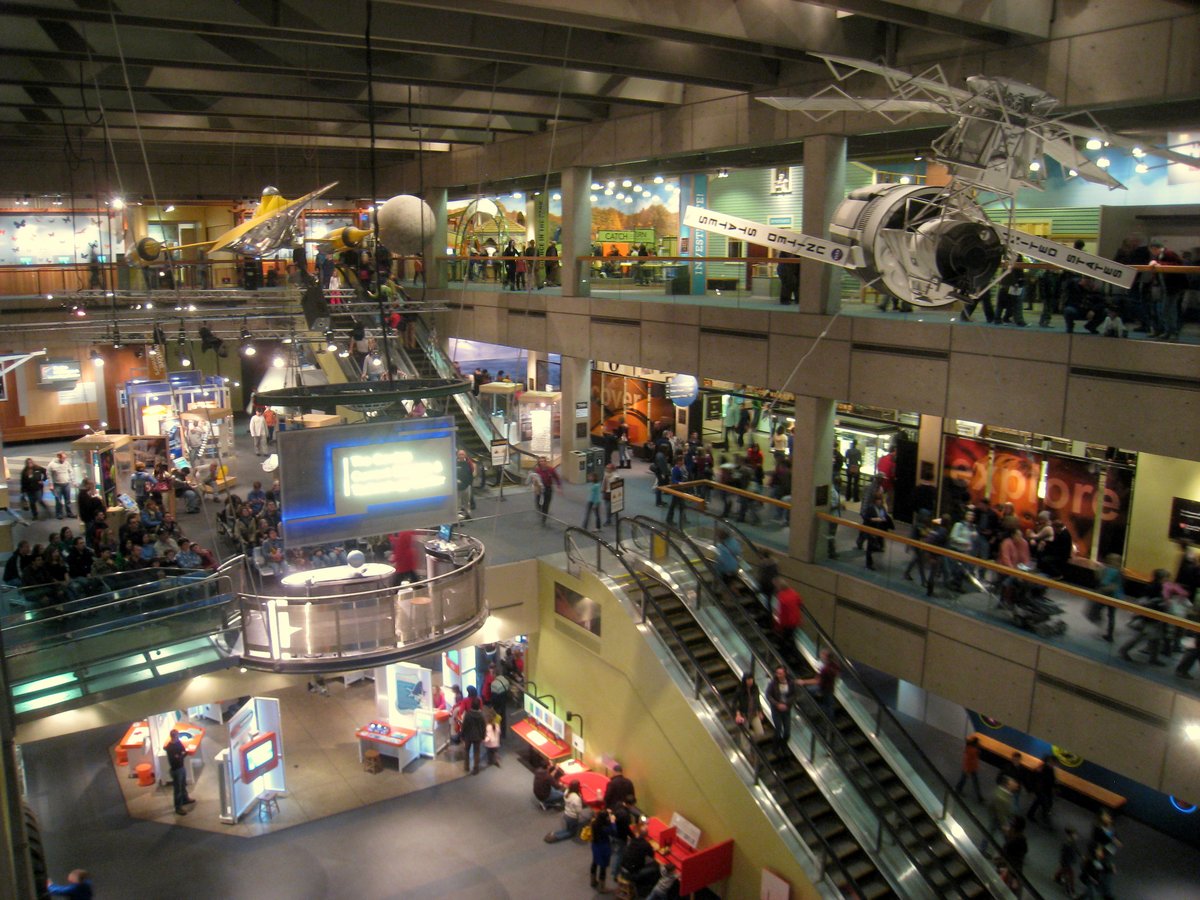
Nestled along the Charles River, the Museum of Science Boston is a center for scientific discovery, education, and public engagement. Established in 1830 as the Boston Society of Natural History, it has grown into one of the world’s most visited science museums, drawing over 1.5 million visitors each year (Museum of Science). The museum features more than 700 interactive exhibits across three distinct wings, along with attractions such as the Charles Hayden Planetarium. Its educational and accessibility programs support visitors of all ages and needs.
History
Early foundations: Boston Society of Natural History (1830–1864)
The museum began in 1830 as the Boston Society of Natural History, a group of naturalists who studied and shared the wonders of the natural world. The society initially operated from borrowed spaces. In 1864, it moved to a dedicated building in Boston’s Back Bay, enabling expanded exhibitions, lectures, and scientific publications (Britannica).
New England Museum of Natural History (1864–1939)
With a permanent home, the institution became the New England Museum of Natural History. During the late 19th and early 20th centuries, it broadened its collections and public engagement through lectures, scientific publications, and interactive learning opportunities (Britannica).
The Washburn era and a modern science museum (1939–1951)
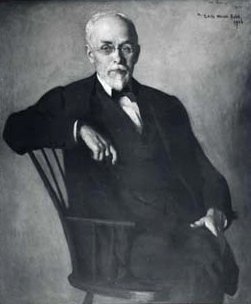
Bradford Washburn became director in 1939 and prioritized hands-on learning and interactive science. His leadership helped bring about a new facility at Science Park in 1948. In 1951, the institution was officially renamed the Museum of Science, Boston, and opened as a modern science museum, pioneering participatory exhibits and educational outreach (Open Library; Boston.com; Wheelchair Travel).
Expansion and innovation: 1950s–present
The museum has continued to expand its offerings since the 1950s:
- Charles Hayden Planetarium (1958) Expanded space science programming (The Boston Day Book; Britannica).
- Mugar Omni Theater A five-story domed IMAX experience (The Boston Day Book).
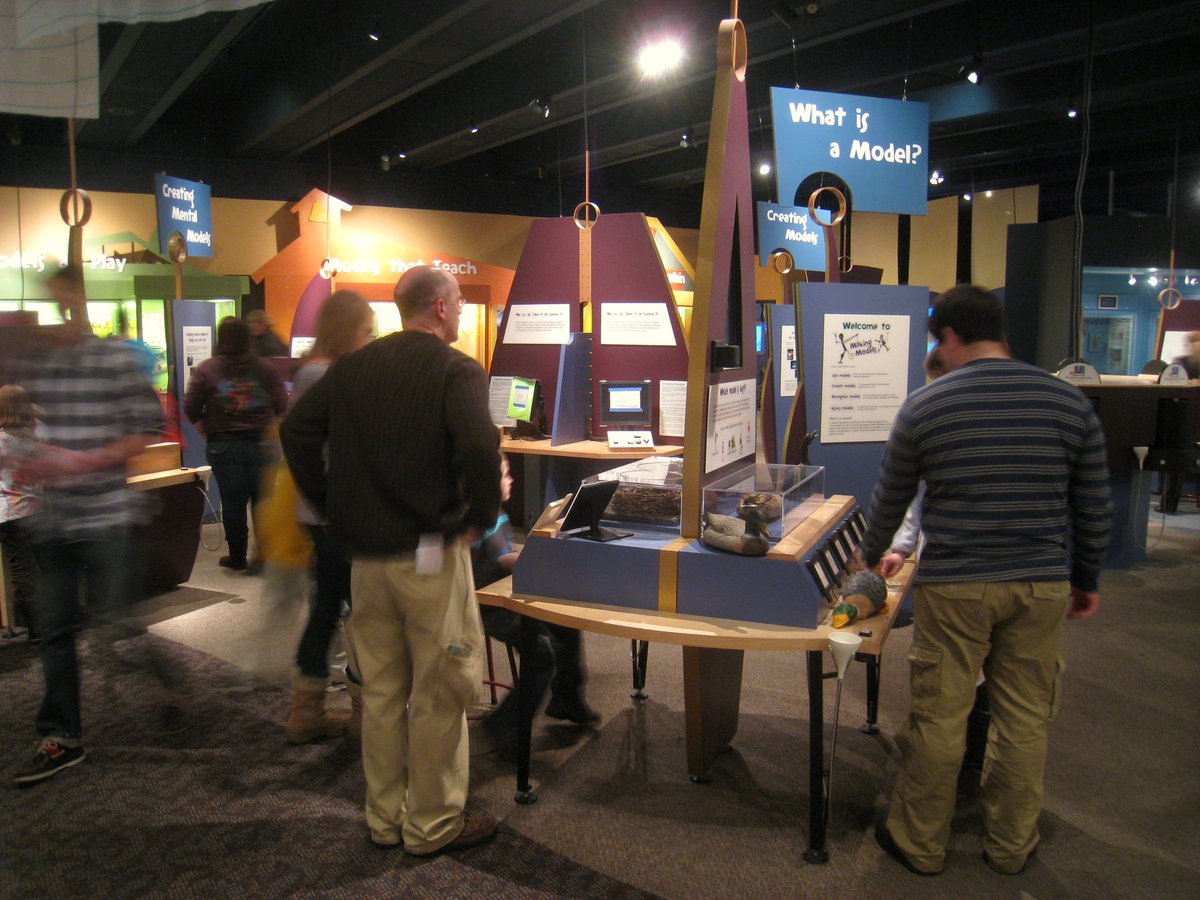
- Interactive exhibits The museum pioneered hands-on science education (Museum-Ed).
- Science-By-Mail (1988) Connected students with scientist mentors (Museum-Ed).
Today, the museum offers virtual learning and accessibility programs and is a global leader in science engagement (Museum of Science; The Boston Day Book).
What to See
The museum is arranged into three primary wings—Red, Green, and Blue—each with its own themes and experiences (mommypoppins.com; Condé Nast Traveler).
Red Wing
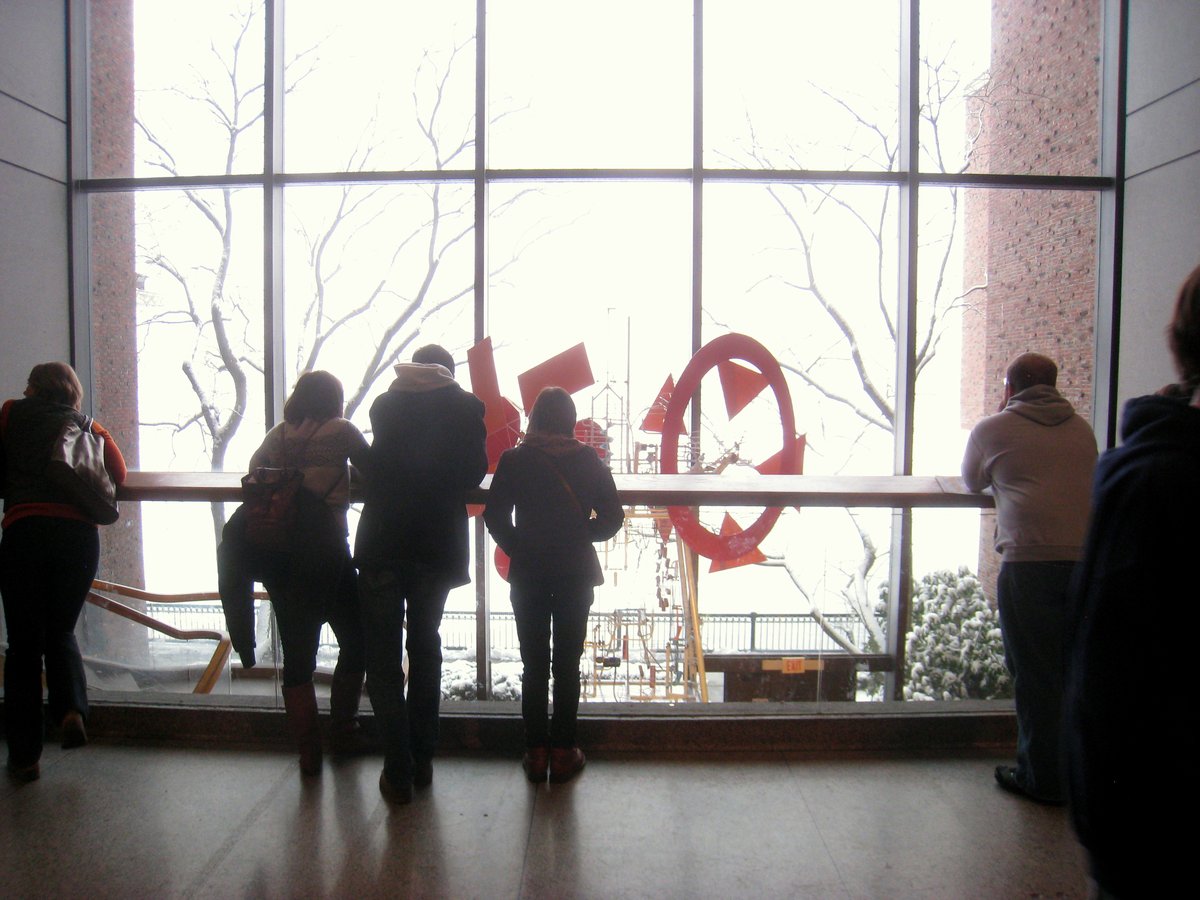
- Atrium and Audiokinetic Sculpture The entrance features kinetic art and musical SoundStairs.
- Mugar Omni Theater New England’s only domed IMAX theater, showing immersive science films (trolleytours.com).
Green Wing
- Hall of Human Life Interactive exhibits about biology and health (citypass.com).
- Live Animal Care Center Visitors can observe animal care and daily presentations (wikipedia.org).
- Butterfly Garden (seasonal) A lush environment where visitors can walk among free-flying butterflies (mos.org).
Blue Wing
- Theater of Electricity Home to the world’s largest Van de Graaff generator and dramatic “Lightning!” shows (trolleytours.com).
- Engineering Design Workshop Hands-on engineering and design challenges (mos.org).
- Mathematica Interactive displays designed by Eames explore mathematical concepts (mos.org).
Other exhibits and attractions
- Charles Hayden Planetarium A state-of-the-art planetarium with daily astronomy and space shows using cutting-edge projection technology (lifenewenglandstyle.com).
- Artificial Intelligence Exhibit An interactive exploration of AI’s history, applications, and ethics (bostonuncovered.com).
- Rotating and special exhibitions Temporary exhibits cover topics such as robotics, climate change, and space. The events calendar lists what is on during your visit.
- Live presentations and demonstrations Daily science shows, including chemistry experiments and animal encounters, take place throughout the museum (mos.org).
- Historic displays Computing devices, taxidermy, and other artifacts reflect the museum’s legacy and Boston’s boundary (wikipedia.org).
Practical Visiting Information
Hours and location
- Address 1 Science Park, Boston, MA 02114 (Museum of Science)
- Regular hours Daily, 9:00 AM–5:00 PM, with extended hours on select days.
- Check the official website for special event hours and holiday closures.
Tickets and admission
- Adults (13–64) $29
- Seniors (65+) and students $27
- Children (3–12) $24
- Children under 3 Free
- Members Free
- Add-ons Charles Hayden Planetarium and Mugar Omni Theater shows require additional tickets, typically $8–$10 each.
- Discounts Available for Boston residents, military, and groups; CityPASS® and membership programs also offer benefits.
Getting there
- Public transit The MBTA Green Line’s Science Park/West End Station is adjacent to the museum (Carltonaut’s Travel Tips).
- Parking An on-site garage costs $10–$22 and has limited availability.
- Biking and rideshare Bike racks are available, and the museum is accessible by taxi, Uber, and Lyft.
Accessibility, amenities, and dining
The museum is fully wheelchair accessible, with elevators, ramps, accessible bathrooms, wheelchairs for loan, assistive listening devices, and sensory-friendly resources (Wheelchair Travel; Museum of Science). Strollers, family restrooms, and elevators are also available (lifenewenglandstyle.com).
The Riverview Café serves meals and snacks with Charles River views. Other amenities include a gift shop with science-themed toys and souvenirs (Condé Nast Traveler), lockers, free Wi-Fi, picnic tables, and lost & found (mommypoppins.com).
Tips
- Plan for 3–4 hours to enjoy major exhibits and a theater show (lifenewenglandstyle.com).
- Reserve timed tickets online in advance, especially for weekends and school vacations.
- Reserve theater and planetarium tickets early; shows often sell out.
- Use public transit to avoid parking congestion.
- Make use of accessibility services for a more comfortable visit.
- Check the museum’s events calendar for special exhibitions and live presentations.
- Arrive early for a quieter visit or to avoid crowds.
- Download the Audiala app for audio guides and interactive content.
Nearby Places
- Boston Tea Party Ships & Museum
- New England Aquarium
- Freedom Trail
- Charles River Esplanade
These nearby destinations complement a museum visit with opportunities for photography, recreation, and cultural exploration (Boston.gov).
Frequently Asked Questions (FAQ)
Q: What are the Museum of Science Boston’s visiting hours?
A: Daily, 9:00 AM–5:00 PM. Check the official website for extended or special hours.
Q: How much are tickets?
A: Adults (13–64) are $29; seniors (65+) and students are $27; children (3–12) are $24; children under 3 and members enter free.
Q: Is the museum wheelchair accessible?
A: Yes. It has elevators, ramps, and wheelchairs available (Wheelchair Travel).
Q: Are guided tours available?
A: The museum offers self-guided exploration; group tours can be arranged in advance.
Q: Can I bring food?
A: Outside food is allowed in designated outdoor areas. The Riverview Café is available inside.