Plan and listen to Harvard Stadium with Audiala.
Audio guide in your pocket, itinerary in your browser. Built for the way you actually visit.
Introduction
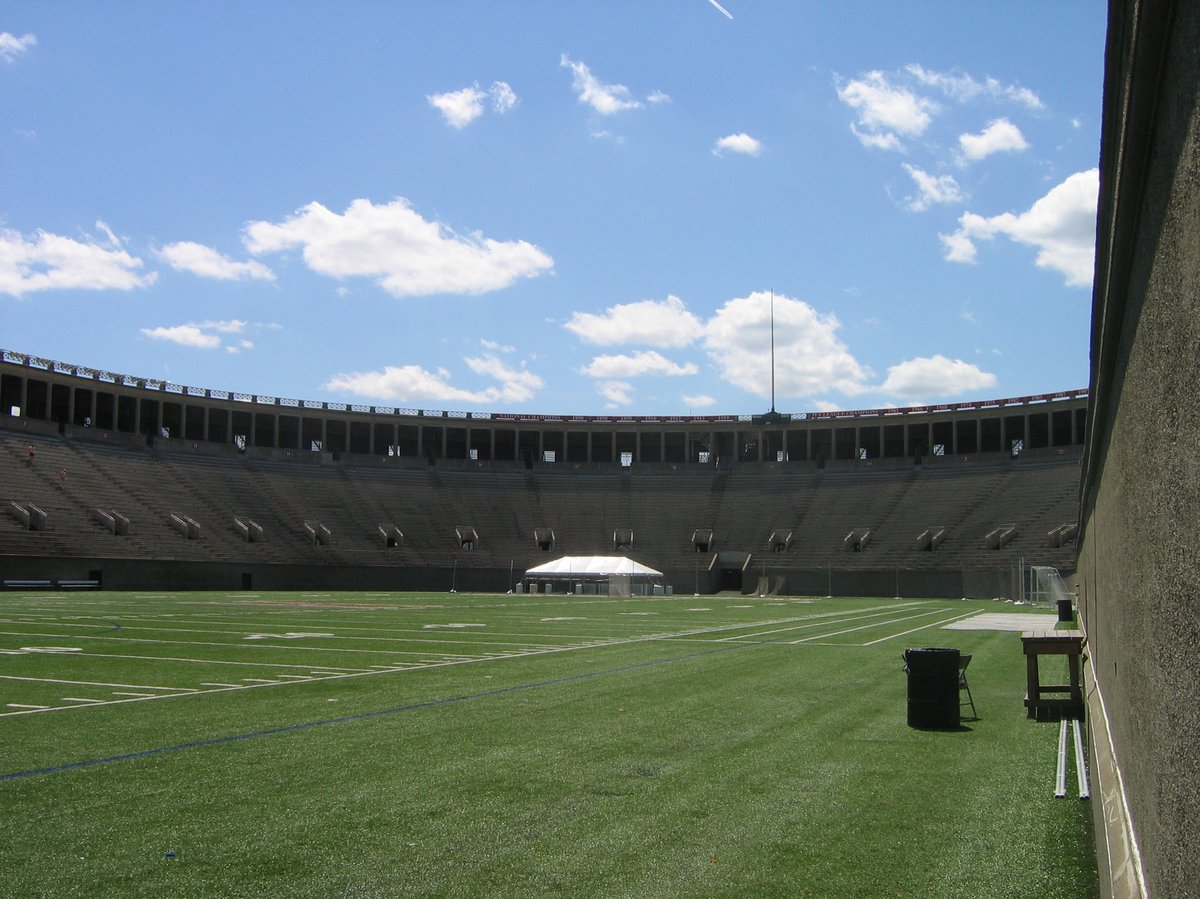
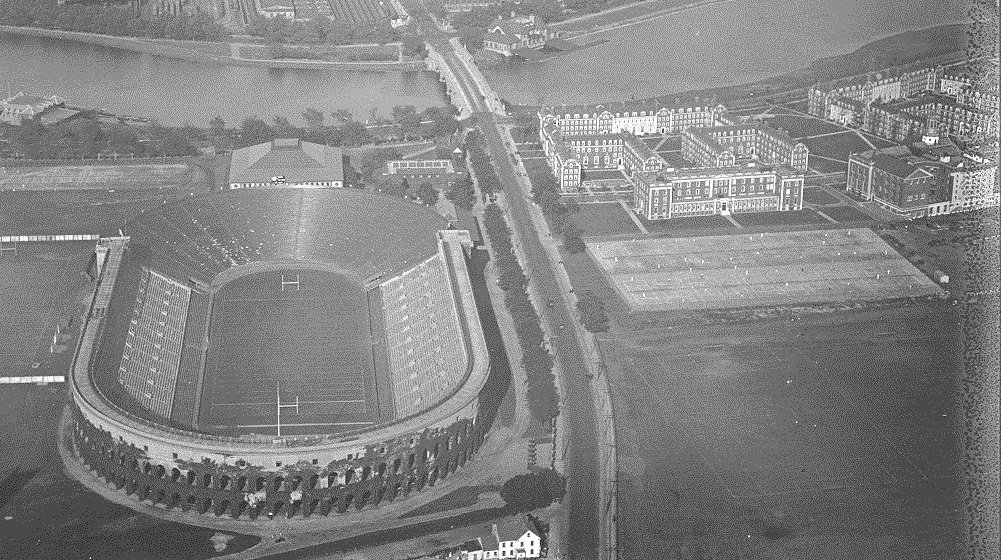
Harvard Stadium, located in Boston’s Allston neighborhood, is a celebrated symbol of American collegiate sports and architectural innovation. Since its opening in 1903, this National Historic Landmark has influenced not only the development of modern stadium design but also the evolution of American football itself. With a rich legacy, distinctive horseshoe architecture, and a vibrant role in both Harvard University and Boston community life, Harvard Stadium offers visitors an immersive blend of sports history, culture, and scenic urban experiences.
This detailed guide provides everything you need to plan a visit: up-to-date information on visiting hours, ticketing, accessibility, travel tips, and a curated look at nearby attractions. Whether you’re a sports enthusiast, history buff, or tourist exploring Boston’s historical sites, this article will help you make the most of your Harvard Stadium experience (Stadium Journey, Harvard College, TCLF).

Origins and Construction
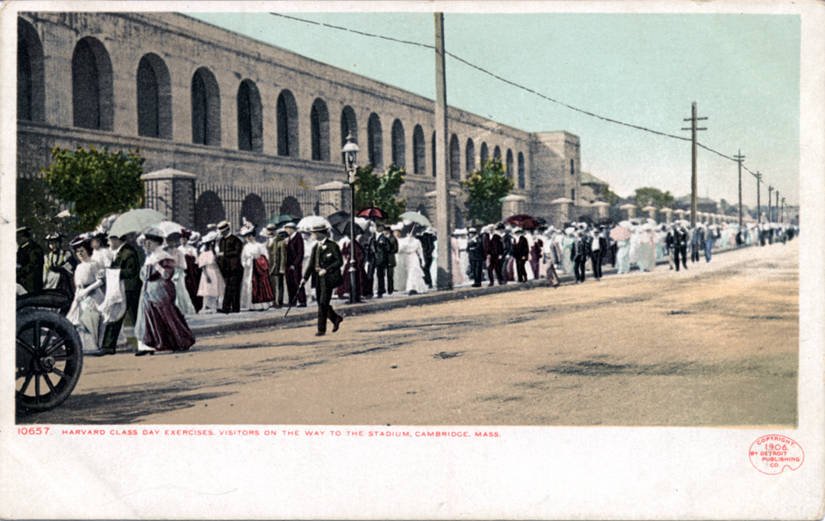
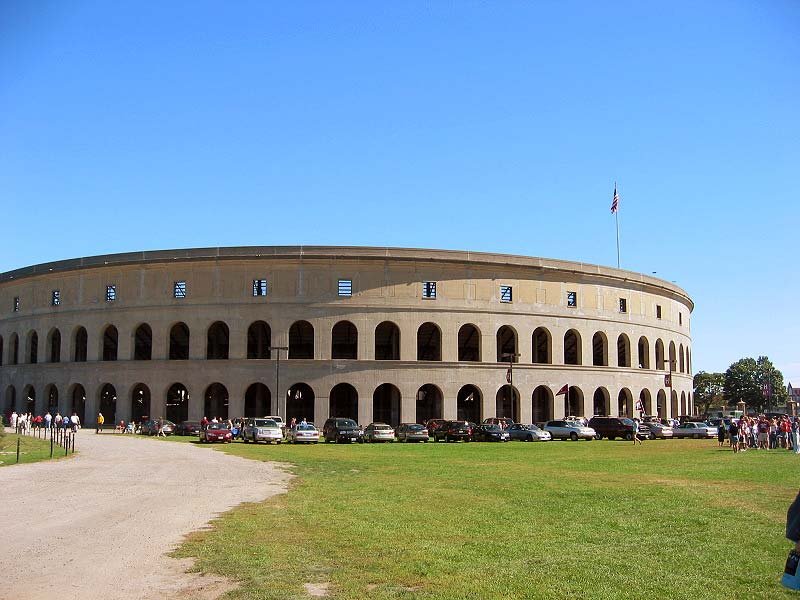
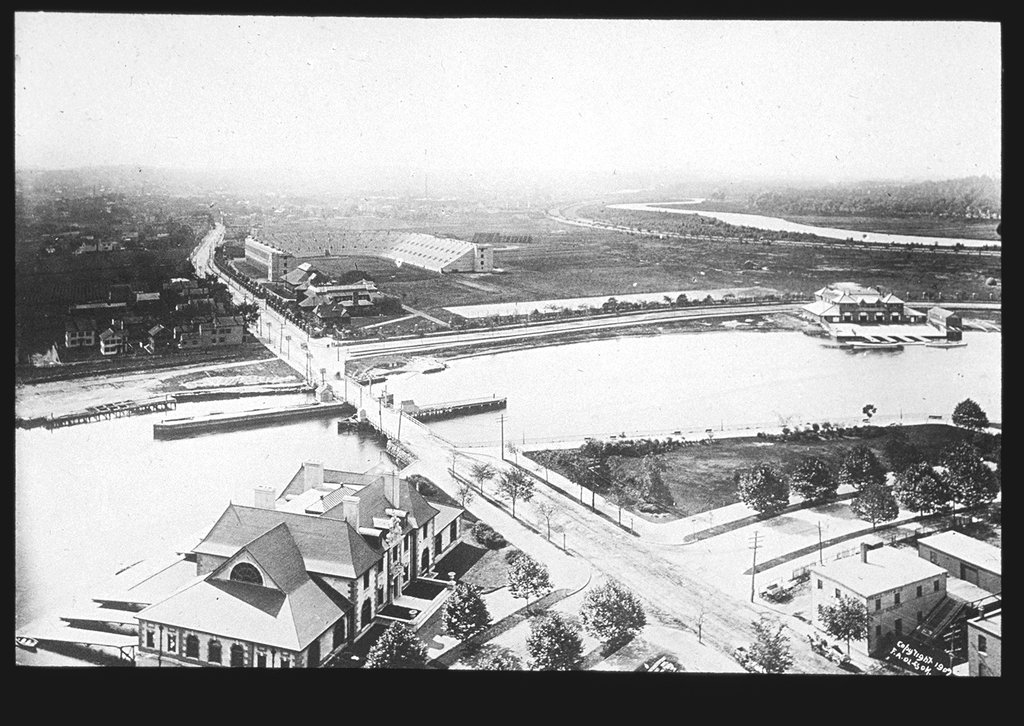
Harvard Stadium was built in 1903 as a gift from Harvard’s Class of 1879, commemorating their 25th reunion (Harvard College). The stadium stands on 31 acres of Soldiers Field, land donated in 1890 by Henry Lee Higginson in memory of Harvard alumni who died in the Civil War (Wikipedia). Its construction was a marvel of efficiency and engineering—completed in just four and a half months and costing $310,000. Most notably, it was the first large-scale use of reinforced concrete in vertical sports architecture in the United States.
Architectural Significance
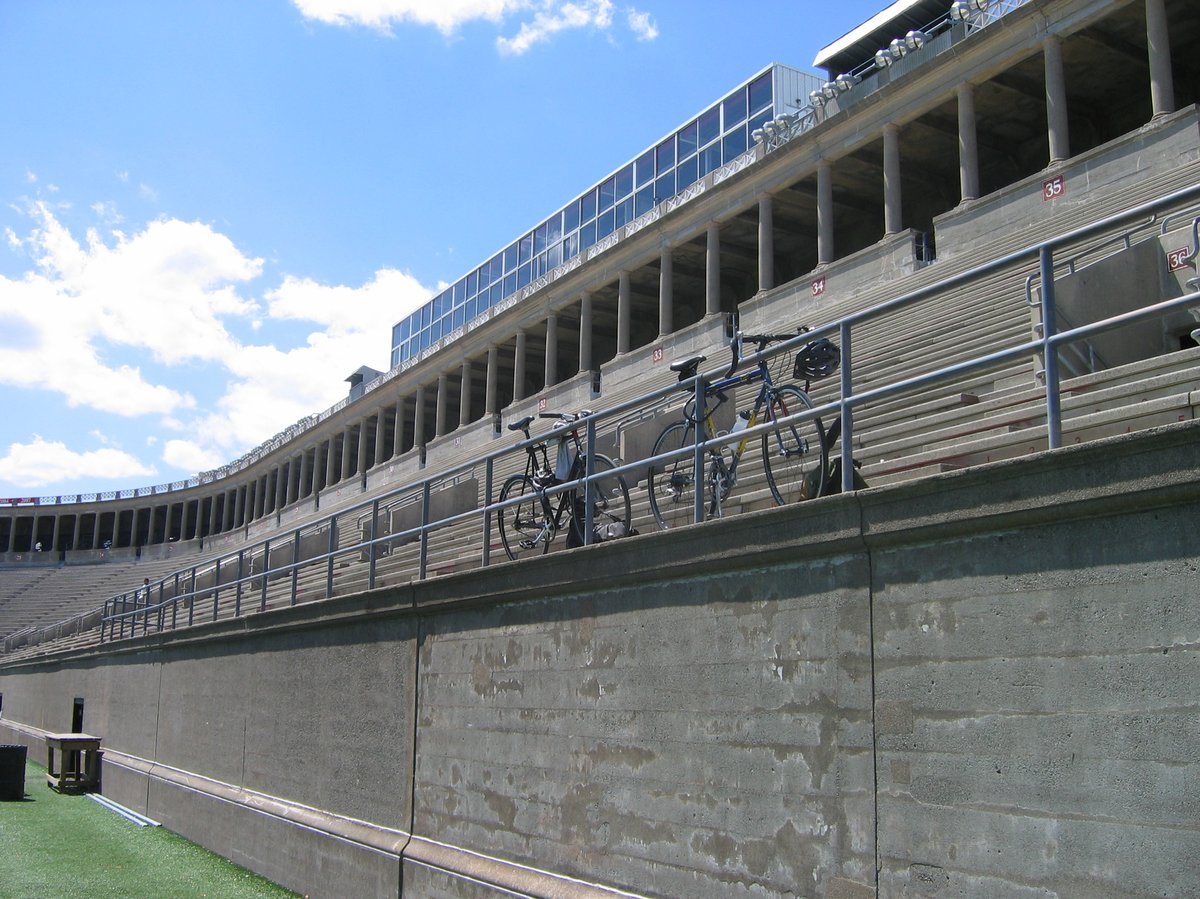
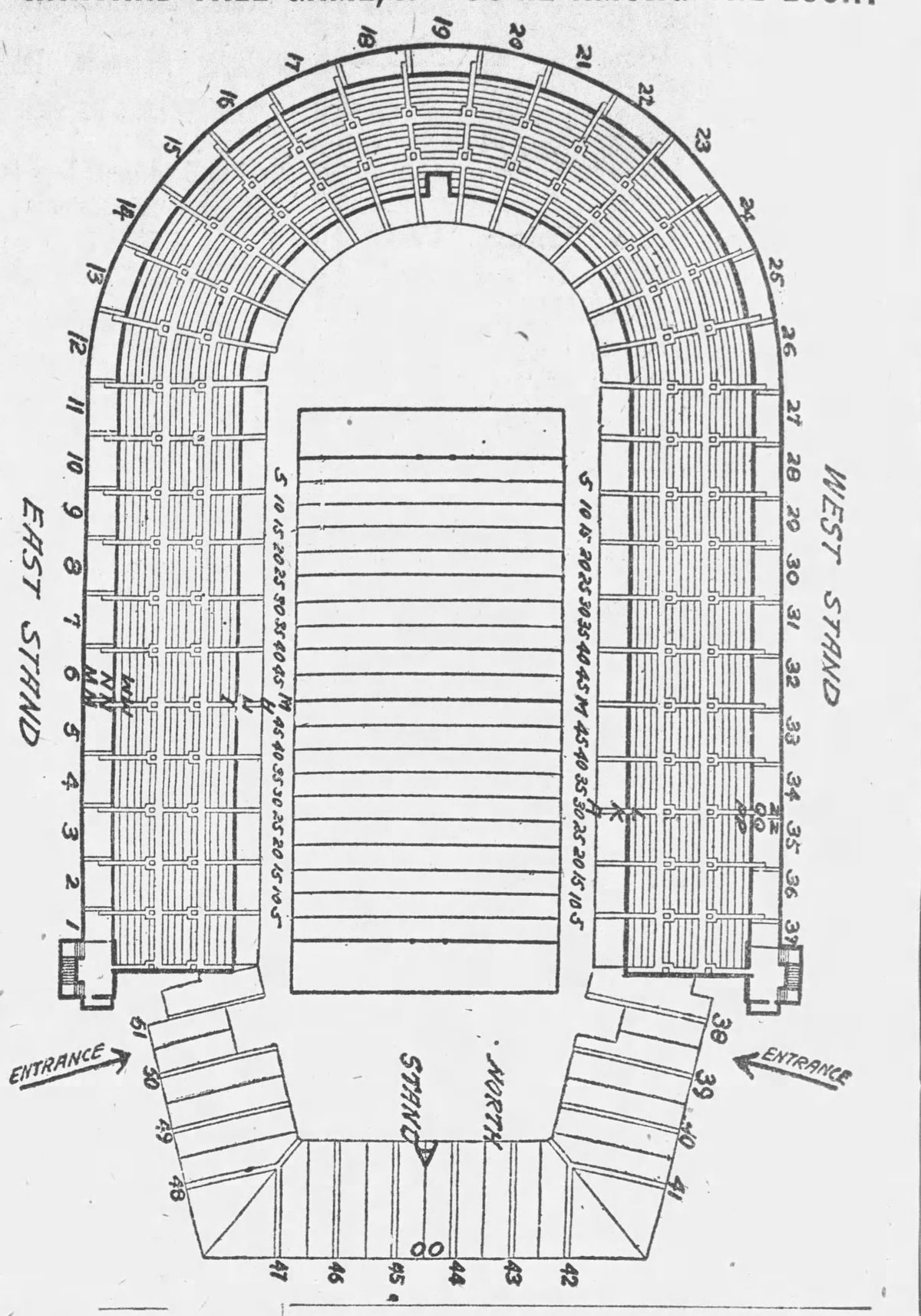
Inspired by the ancient Panathenaic Stadium in Athens, Harvard Stadium’s U-shaped horseshoe design and reinforced concrete structure set a new standard for stadium construction. The design allowed for unobstructed sightlines, greater durability, and fire resistance compared to earlier wooden venues. At its completion, it was the largest concrete stadium in the nation, with initial seating for over 30,000 spectators (Stadium Journey). Today, after renovations, it accommodates just over 25,000.
Harvard Stadium’s architectural and historical importance was recognized with its designation as a National Historic Landmark in 1987 (TCLF), making it one of only four athletic facilities in the U.S. with this distinction.
Impact on American Football
The stadium’s design played a pivotal role in shaping American football. In 1906, concerns about the sport’s violence led to suggestions for widening fields to reduce injuries. However, Harvard Stadium’s rigid concrete construction prevented such changes, prompting the legalization of the forward pass—a transformative rule that fundamentally altered football (Wikipedia). The stadium’s dimensions also contributed to standardizing field sizes nationwide.
Notable Events and Tenants
Harvard Stadium has been home to the Harvard Crimson football team since its opening and hosts a variety of athletic events, including rugby, lacrosse, and track and field (Stadium Journey). The annual Harvard-Yale football game, “The Game,” is one of college football’s oldest and most celebrated rivalries, regularly attracting large crowds.
The stadium has also hosted professional and international events, such as the Boston Patriots’ 1970 season and soccer matches during the 1984 Summer Olympics (Wikipedia, The Crimson). Cultural icons like Bob Marley and Janis Joplin have performed here, cementing its role as a venue for both athletic and community events (Boston Guide).
Visiting Harvard Stadium
Visiting Hours & Days of Operation
Harvard Stadium is generally open to the public during scheduled events, primarily in the fall for football season. Non-event access is limited, but the stadium’s exterior and surrounding grounds are viewable year-round. For the most accurate, current visiting hours and availability of guided tours, consult the official Harvard Athletics website or contact the Harvard University Visitor Center.
Ticket Information
Tickets for Harvard football games and other events can be purchased online via the Harvard Athletics website or at the stadium box office on game days. Prices typically range from $20–$60, with discounts for students, seniors, and children. Parking passes are available for $20 (credit card only), and tailgating is permitted in designated areas three hours before kickoff (PlayMA).
Accessibility
Harvard Stadium is ADA-compliant, offering accessible seating, restrooms, and parking (Gate 8). The stadium’s layout accommodates visitors with disabilities, and support services are available upon request (PlayMA). Contact Harvard Athletics for specific accommodation needs.
Travel Tips & Nearby Attractions
Getting There
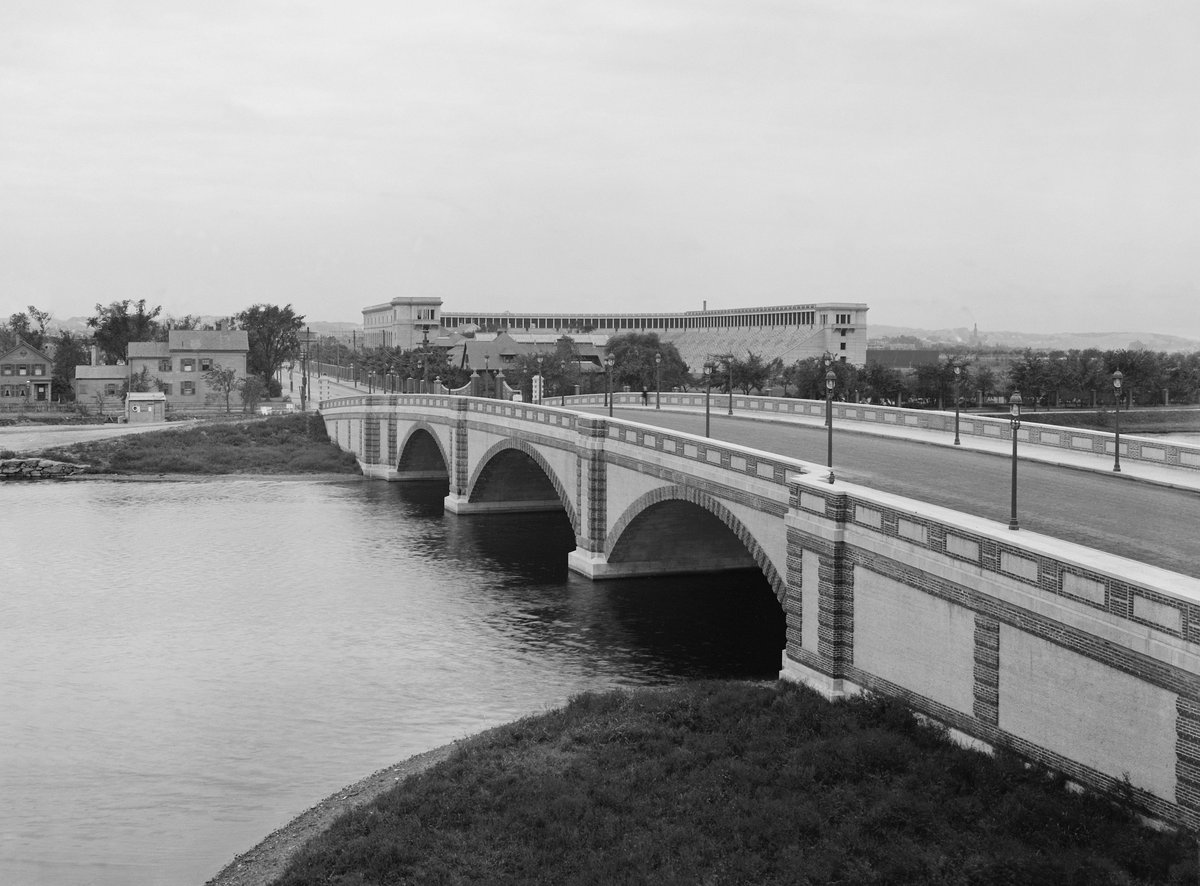
- Public Transit: Take the MBTA Red Line to Harvard Square, then walk across the John W. Weeks Footbridge or use the #66 or #86 bus to reach North Harvard Street (MBTA Trip Planner).
- Parking: Limited and fills quickly on game days; public transit or biking is encouraged.
Attractions
- Harvard University Campus: Explore the historic Harvard Yard, the John Harvard statue, Widener Library, and the Memorial Church (Harvard University Visitor Center).
- Museums: Visit the Harvard Art Museums and the Harvard Museum of Natural History (Harvard University Tours).
- Charles River Esplanade: Ideal for jogging, cycling, or kayaking (Solo Excursion).
- Allston Neighborhood: Enjoy local dining (e.g., Tavern in the Square, Night Shift Brewing Owl’s Nest), live music venues (Brighton Music Hall, Paradise Rock Club), and public art (The Tourist Checklist, Meet Boston).
Special Events & Guided Tours
Guided tours are occasionally available through Harvard’s visitor programs and may be arranged during football season or special events (Harvard University Tours). The stadium also hosts concerts, commencement ceremonies, and community gatherings—check the event calendar for details.
Modernization & Community Role
Harvard Stadium has balanced historic preservation with modernization. FieldTurf and permanent lighting were installed in 2006, allowing night games (Wikipedia). The 1998 Murr Center added new athletic facilities and a digital scoreboard, further upgraded in 2008 (The Crimson). Despite updates, the stadium’s iconic architecture and ivy-draped walls remain largely unchanged.
The stadium is a hub for Harvard and the greater Boston community, supporting local businesses and neighborhood pride. Game days and special events draw thousands of spectators, creating a lively, inclusive atmosphere (Stadium Wanderer).
Visitor FAQs
Q: What are Harvard Stadium’s visiting hours?
A: Visiting hours vary based on scheduled events. The stadium is generally accessible during games and special tours. Check the Harvard Athletics website for current schedules.
Q: How do I buy tickets?
A: Purchase tickets online via the Harvard Athletics website or at the box office on game days.
Q: Is Harvard Stadium accessible?
A: Yes, it offers ADA-accessible seating, parking, and restrooms. Contact Harvard Athletics ahead for specific needs.
Q: Are guided tours available?
A: Tours are offered occasionally through Harvard’s visitor programs. Check the official tours page for details.
Q: What are parking and tailgating policies?
A: Parking is $20 (credit card only) in designated lots; tailgating is permitted in specified areas three hours before kickoff (PlayMA).
Listen to the full story in the app
The whole Harvard Stadium,
told well.
Audio guides for 1,100+ cities across 96 countries. History, stories, and local insight — offline ready.
Verified, and shown.
Researched and written by the Audiala editorial team from historical records, architectural archives, and local expertise.
Researched from Wikidata, Wikipedia & official sources · fact-checked · How we make our guides →