Plan and listen to Harvard Bridge with Audiala.
Audio guide in your pocket, itinerary in your browser. Built for the way you actually visit.
Introduction
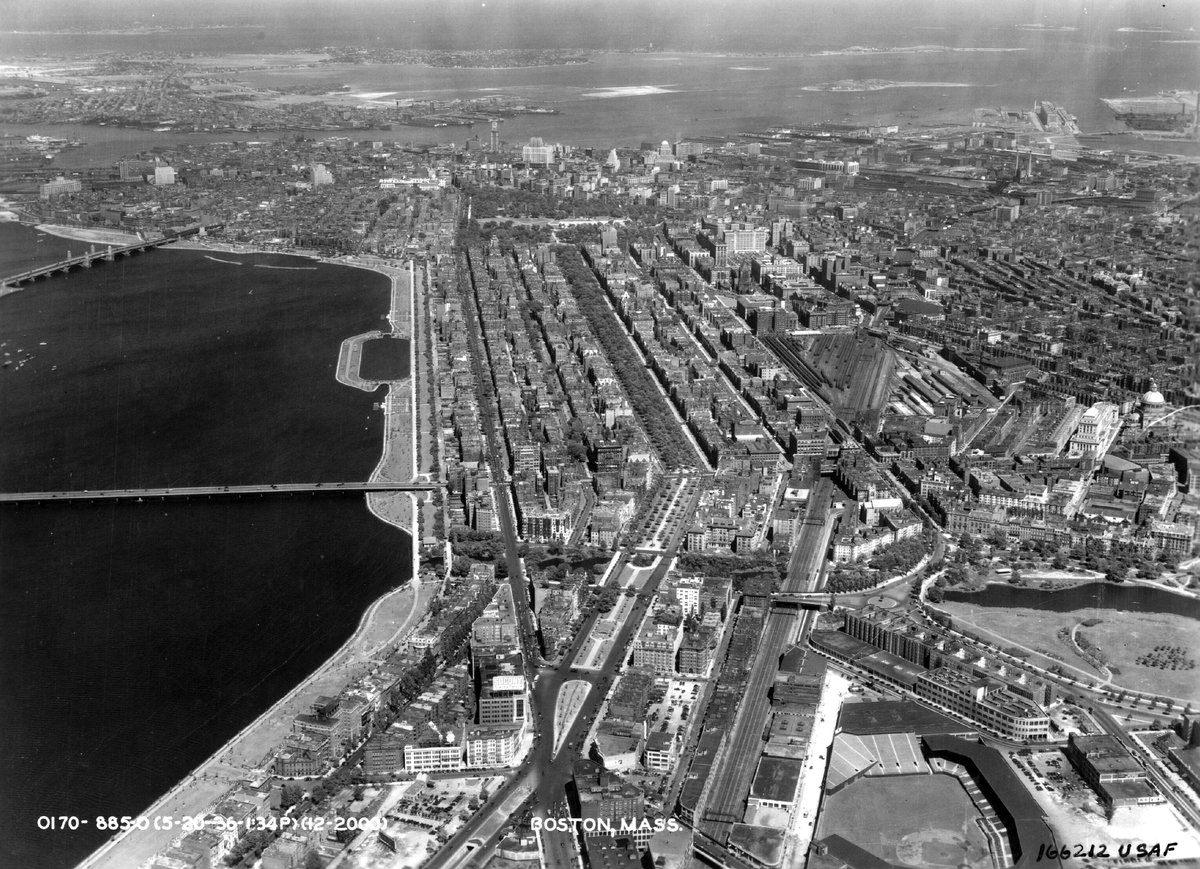
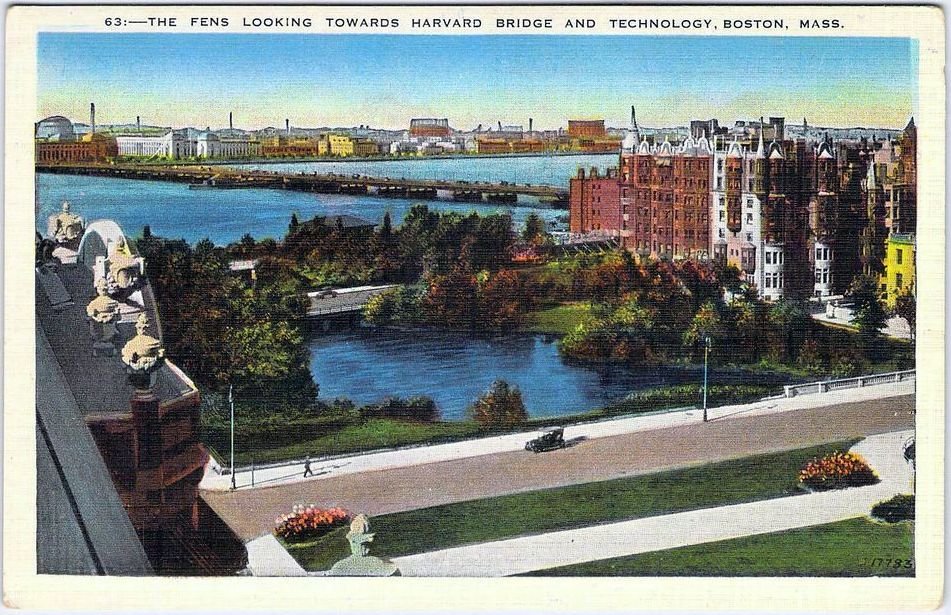
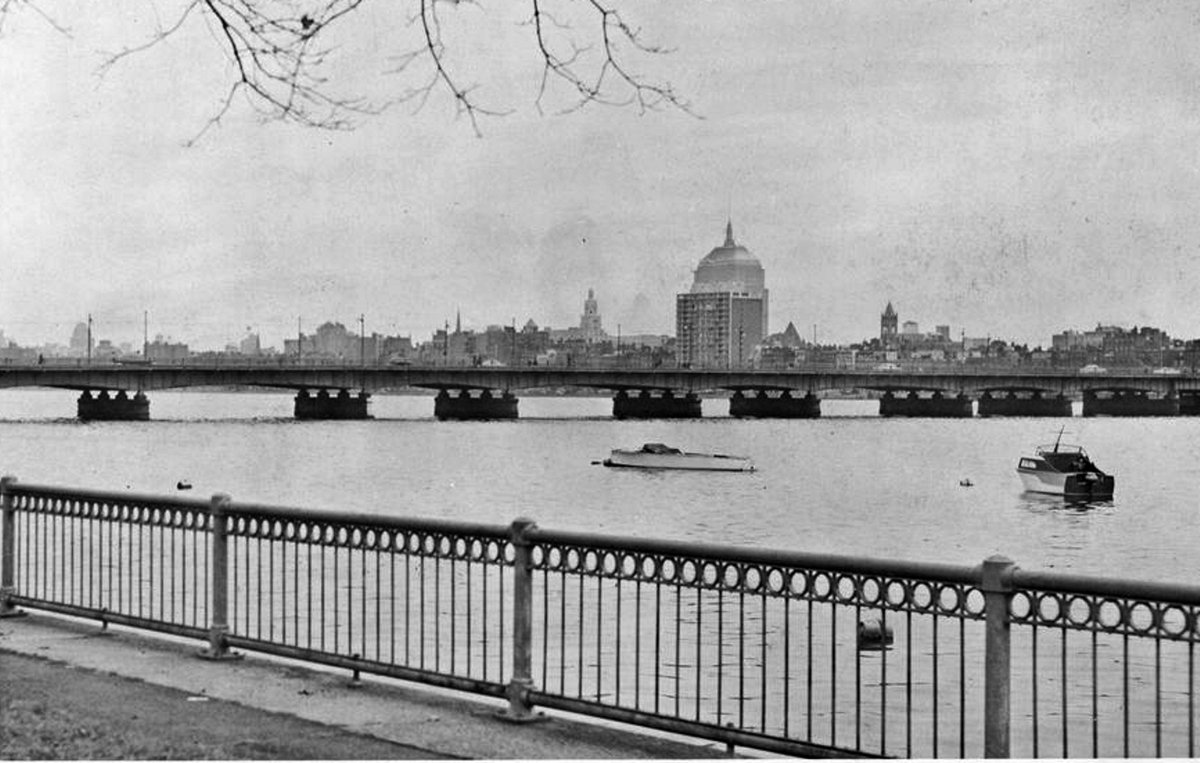
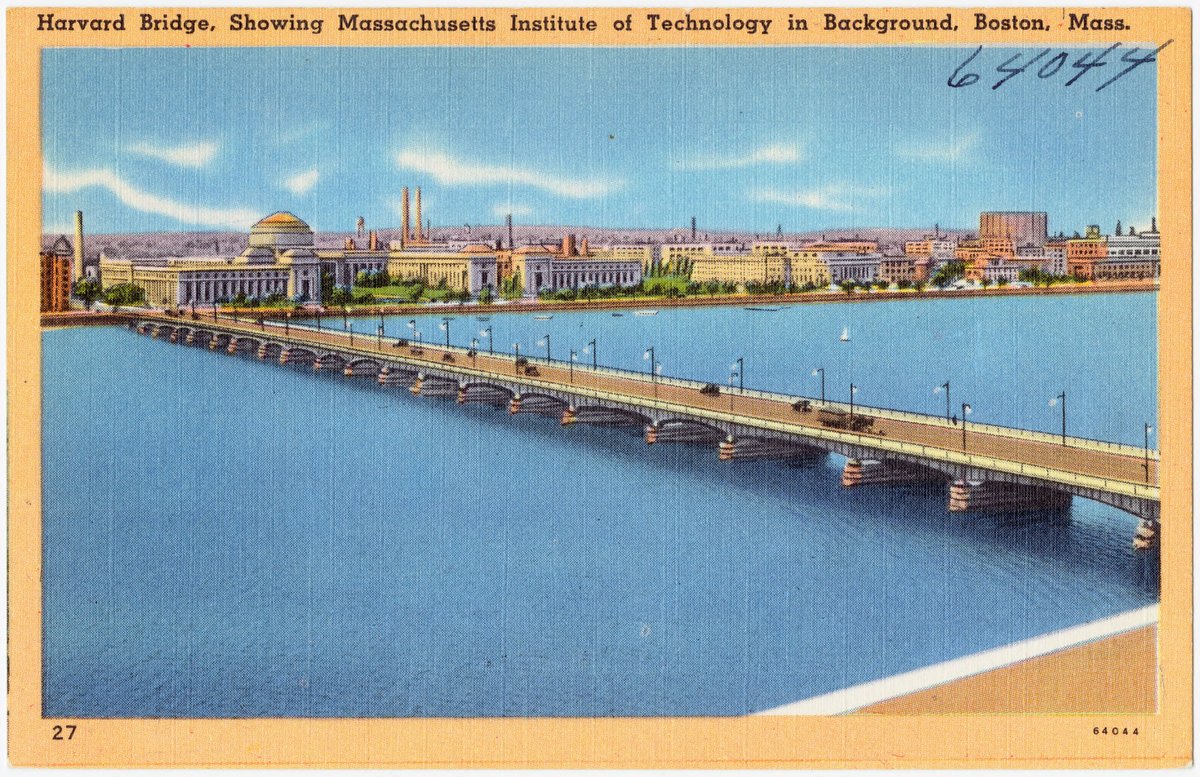
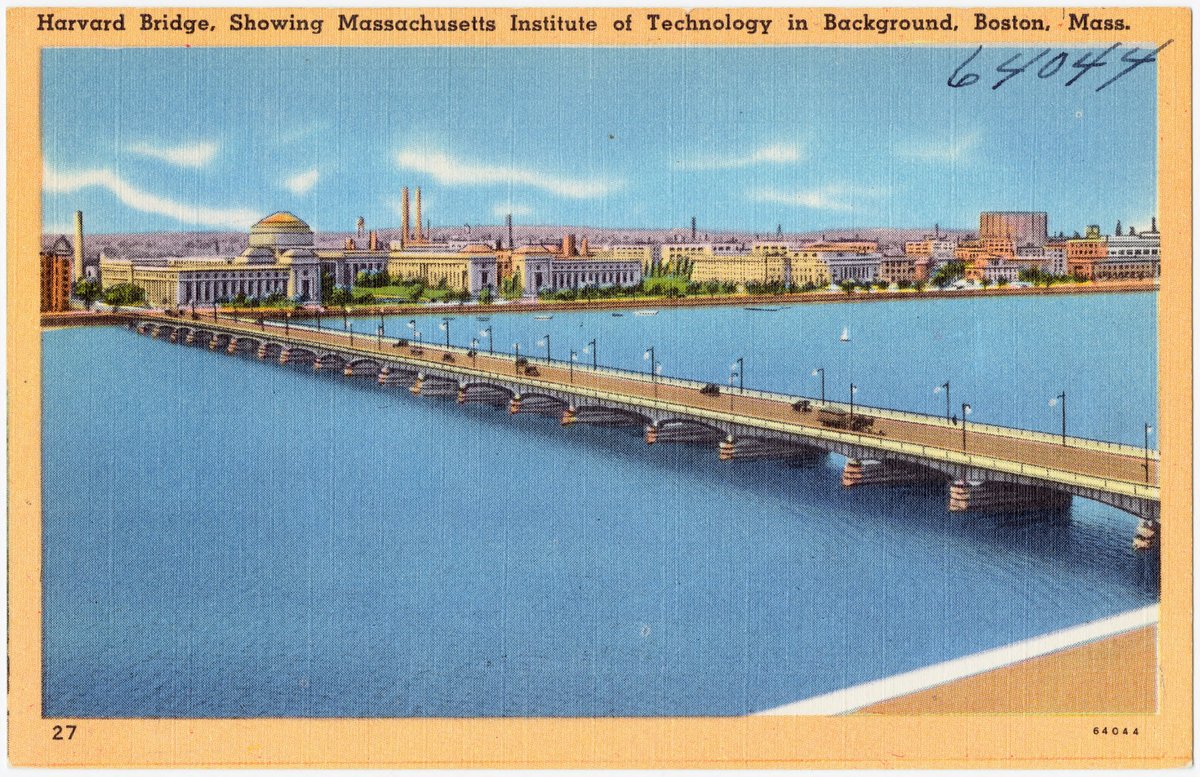
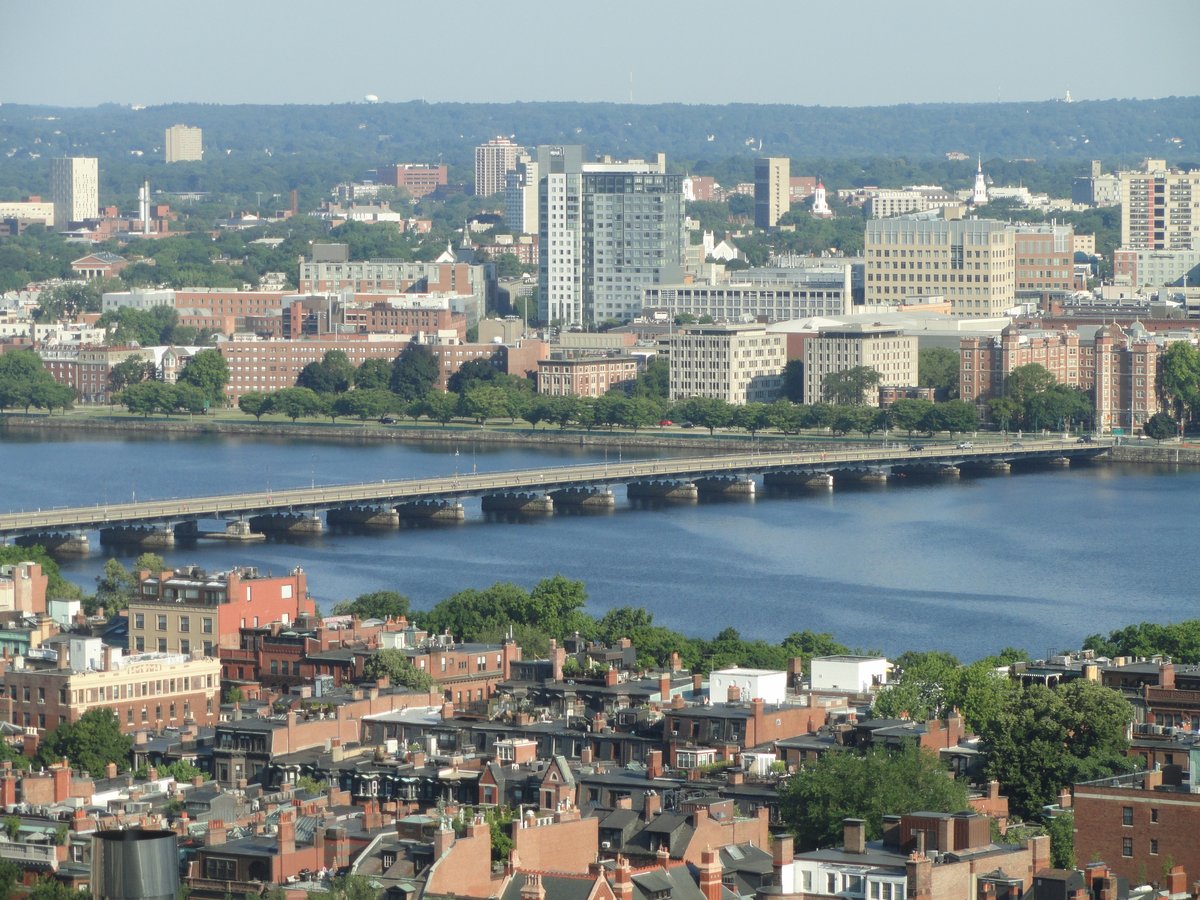
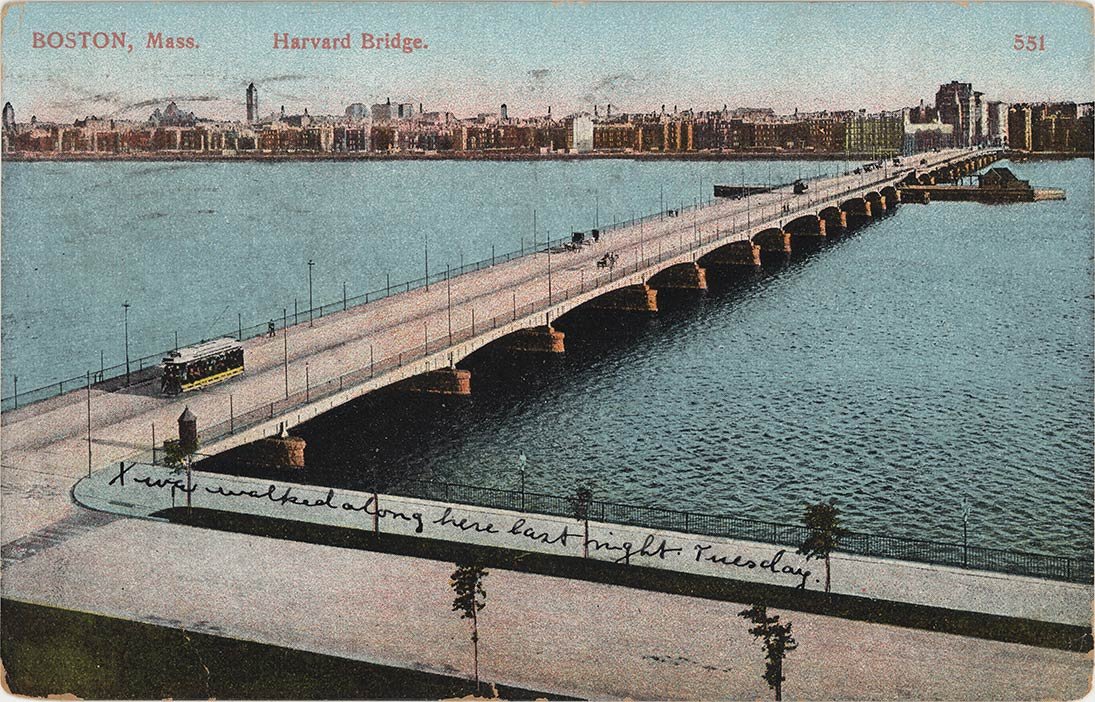
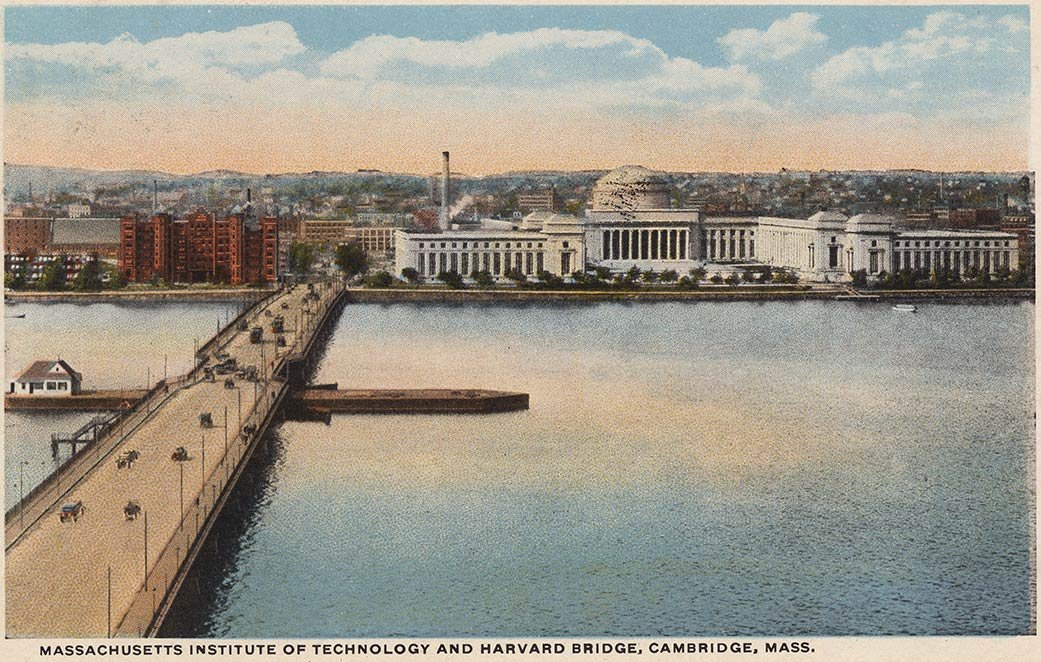
The Harvard Bridge, often referred to as the Massachusetts Avenue Bridge, is an iconic structure that holds a significant place in the heart of Boston, Massachusetts. Spanning the Charles River, it serves as a vital link between the cities of Boston and Cambridge, facilitating the daily movement of thousands of vehicles, cyclists, and pedestrians. The bridge, opened in 1891, was named after John Harvard, the founder of Harvard University, despite the university's initial reluctance to fund its construction (Wikipedia).

Discover the Harvard Bridge: History, Visiting Tips, and Cultural Significance
Origins and Construction
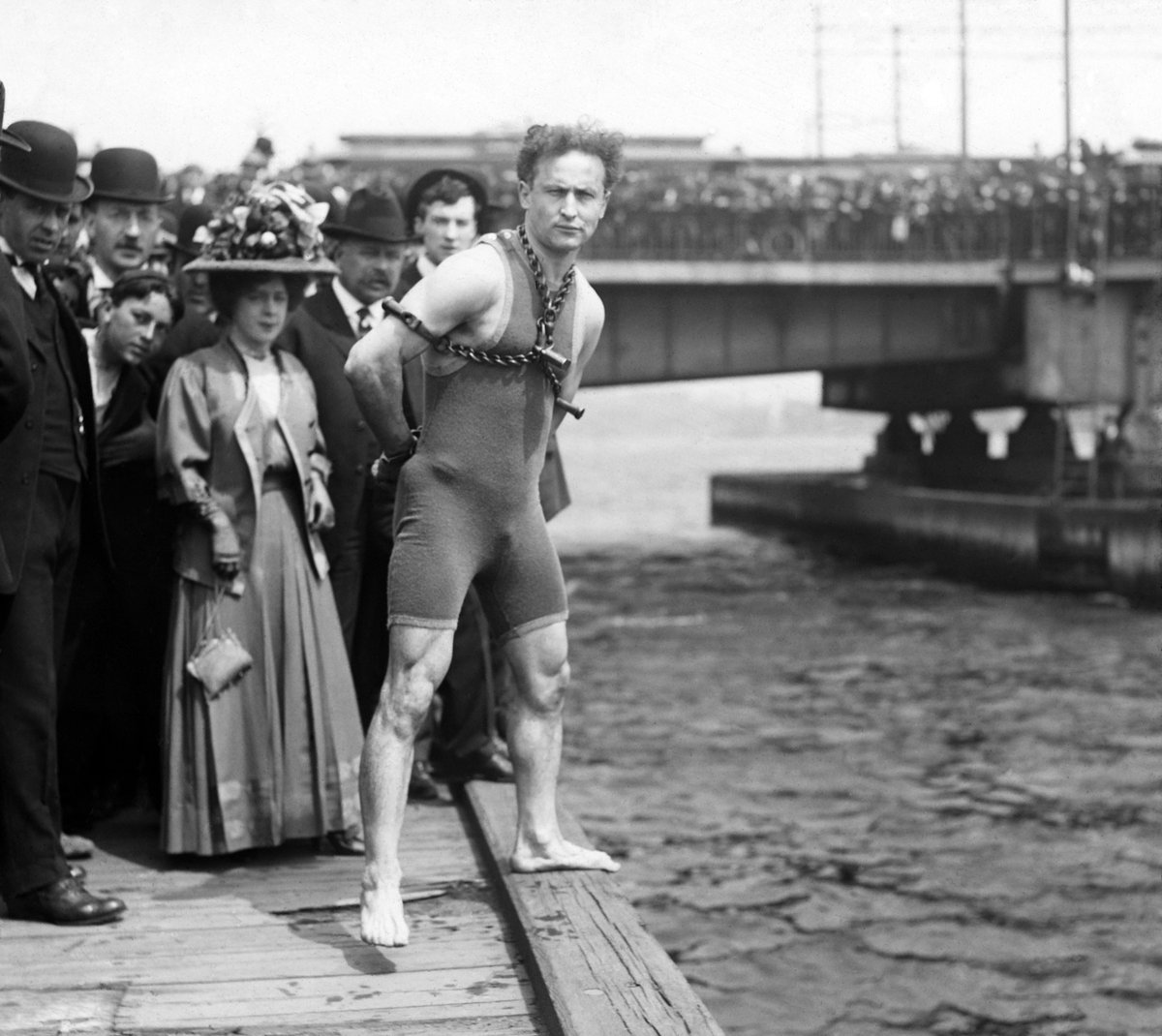
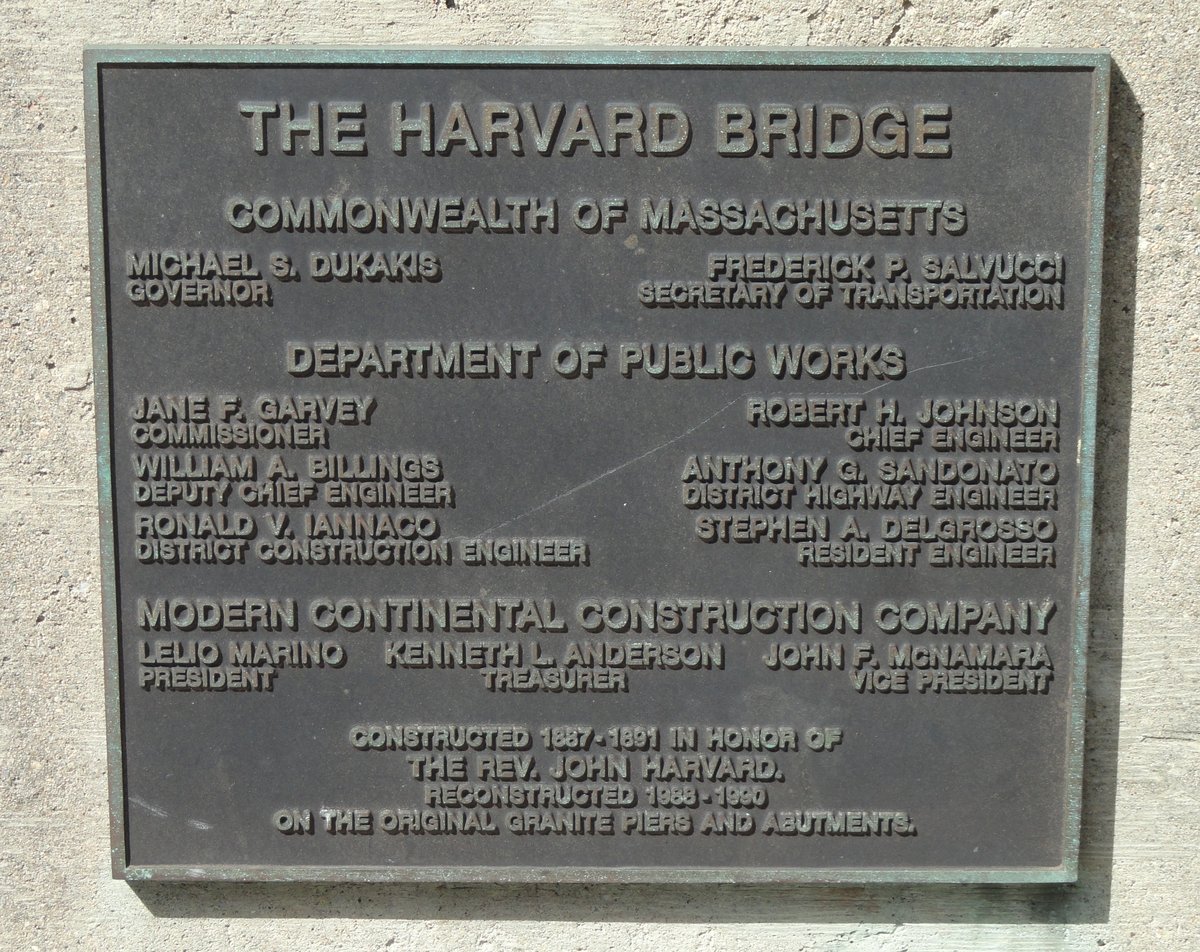
The Harvard Bridge, connecting Boston and Cambridge, Massachusetts, is a vital piece of infrastructure with a rich history. The idea for the bridge was first proposed in the mid-19th century to facilitate easier access between the two cities. Construction began in 1887, and the bridge was officially opened on September 1, 1891. The original structure was designed by William Jackson, the City Engineer of Boston, and was constructed primarily of steel and granite (Wikipedia).
The Smoot Measurement
One of the most unique aspects of the Harvard Bridge is its association with the "Smoot" measurement. In 1958, Oliver R. Smoot, a pledge of the Lambda Chi Alpha fraternity at MIT, was used to measure the length of the bridge as part of a fraternity prank. Smoot's height was 5 feet 7 inches, and the bridge was found to be 364.4 Smoots long, "plus or minus one ear" (Wikipedia). This unconventional unit of measurement has since become a quirky part of the bridge's history and is marked along the bridge's length.
Renovations and Modern Use
The Harvard Bridge has undergone several renovations to maintain its structural integrity and accommodate modern transportation needs. Significant renovations took place in the 1980s, during which the bridge was closed for a period. The Massachusetts Highway Department ensured that the Smoot markings were preserved during these renovations, even scoring the concrete surface at 5-foot-7-inch intervals instead of the conventional 6 feet (Wikipedia).
Cultural and Historical Significance
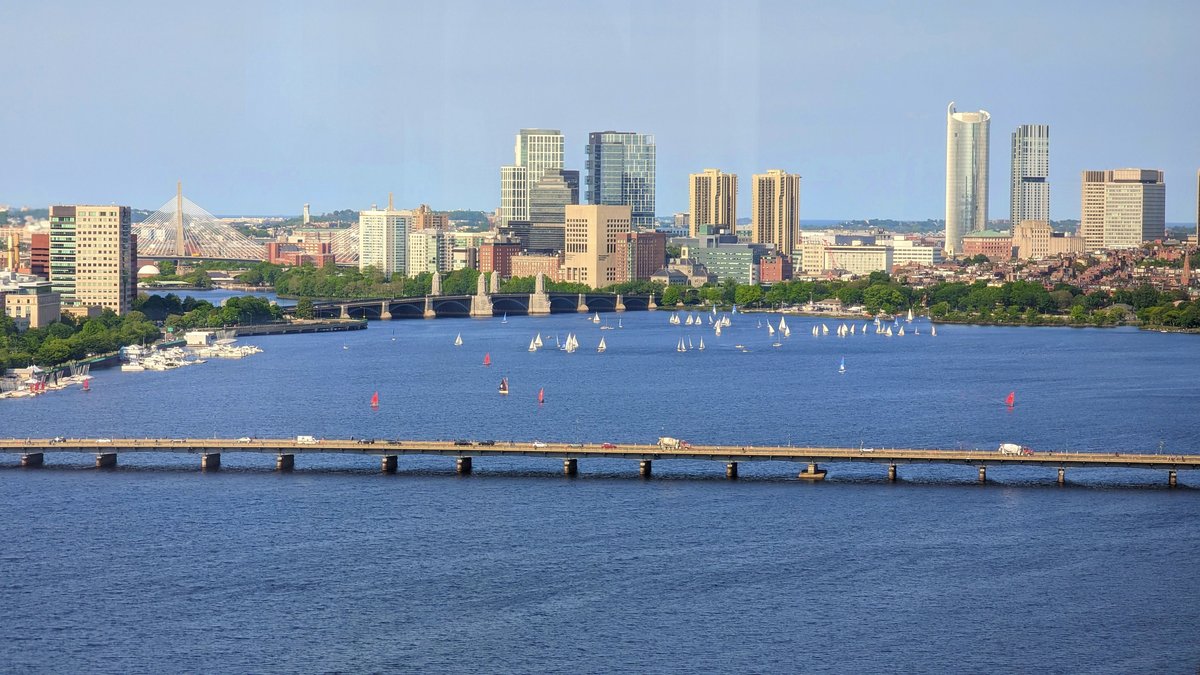
The Harvard Bridge is not just a means of transportation; it is a cultural landmark. The bridge offers stunning views of the Boston skyline and the Charles River, making it a popular spot for both locals and tourists. It also serves as a symbol of the close relationship between Boston and Cambridge, particularly the academic institutions of MIT and Harvard University.
Visitor Tips
For those planning to visit the Harvard Bridge, here are some tips to enhance your experience:
- Best Time to Visit: The bridge is accessible year-round, but the best time to visit is during the spring and fall when the weather is mild, and the foliage along the Charles River is particularly beautiful.
- Photography: The bridge offers excellent photo opportunities, especially at sunrise and sunset. The views of the Boston skyline and the Charles River are breathtaking.
- Walking and Cycling: The bridge is pedestrian and cyclist-friendly, with ample space for both. It's a great spot for a leisurely walk or bike ride.
- Historical Markers: Look out for the Smoot markings along the bridge. These quirky measurements are a fun way to engage with the bridge's history.
- Nearby Attractions: The bridge is conveniently located near several attractions, including MIT, Harvard University, and the Charles River Esplanade. Consider combining your visit with a tour of these nearby sites.
Accessibility
The Harvard Bridge is designed to be accessible to all visitors. The sidewalks are wide and well-maintained, making it easy for pedestrians, cyclists, and those with mobility aids to traverse the bridge safely. Public transportation options are also available, with several bus routes and the MBTA Red Line providing easy access to the bridge from both Boston and Cambridge.
Events and Activities
Throughout the year, the Harvard Bridge is a venue for various events and activities. During the annual Boston Marathon, the bridge is part of the race route, and spectators often gather here to cheer on the runners. Additionally, the bridge is a popular spot for watching the Fourth of July fireworks over the Charles River.
Environmental Impact
Efforts have been made to minimize the environmental impact of the Harvard Bridge. During the most recent renovations, sustainable materials and practices were used to ensure the bridge's longevity while reducing its carbon footprint. The bridge also features stormwater management systems to prevent runoff from polluting the Charles River.
Safety Measures
Safety is a top priority on the Harvard Bridge. The bridge is well-lit at night, and emergency call boxes are installed at regular intervals. Additionally, the bridge is monitored by security cameras to ensure the safety of all visitors. Cyclists are encouraged to use designated bike lanes, and pedestrians should stay on the sidewalks to avoid accidents.
Future Plans
Looking ahead, there are plans to further enhance the Harvard Bridge. Proposed improvements include the addition of more green spaces and seating areas to make the bridge even more inviting for visitors. There are also discussions about incorporating public art installations to celebrate the bridge's unique history and cultural significance.
FAQ
- What are the visiting hours for the Harvard Bridge? The Harvard Bridge is freely accessible and open year-round.
- Is there an entrance fee for the Harvard Bridge? No, there is no entrance fee to visit the bridge.
- What is the best way to get to the Harvard Bridge using public transport? The MBTA Red Line and several bus routes provide easy access to the bridge from both Boston and Cambridge.
- Are there guided tours available for the Harvard Bridge? While there are no official guided tours, the bridge is located near several attractions that offer guided tours, such as MIT and Harvard University.
Listen to the full story in the app
The whole Harvard Bridge,
told well.
Audio guides for 1,100+ cities across 96 countries. History, stories, and local insight — offline ready.
Verified, and shown.
Researched and written by the Audiala editorial team from historical records, architectural archives, and local expertise.
Researched from Wikidata, Wikipedia & official sources · fact-checked · How we make our guides →