Plan and listen to Granary Burying Ground with Audiala.
Audio guide in your pocket, itinerary in your browser. Built for the way you actually visit.
Introduction: Boston’s Revered Colonial Cemetery
Nestled in downtown Boston, steps from Boston Common and a prominent stop on the famed Freedom Trail, the Granary Burying Ground stands as a powerful monument to America’s colonial and revolutionary history. Founded in 1660, it is Boston’s third-oldest cemetery and the final resting place of about 5,000 people, including many of the nation’s most influential early leaders. The burial ground’s unique funerary art, storied monuments, and carefully preserved landscape offer an unparalleled opportunity to engage with the founding narratives of the United States.
The cemetery bears its distinctive name from a granary (grain storehouse) that once stood on the site, a nod to Boston’s practical and evolving urban history. Over time, the grounds have been shaped by both colonial tradition and 19th-century landscape design, with Victorian-era reorganization of headstones and the addition of walkways and greenery enhancing accessibility while maintaining historical integrity. Today, the Granary Burying Ground serves not just as a memorial, but as a living classroom, welcoming visitors via free daily admission and a suite of educational programs and tours (boston.gov; stepboston.com; bashfuladventurer.com).

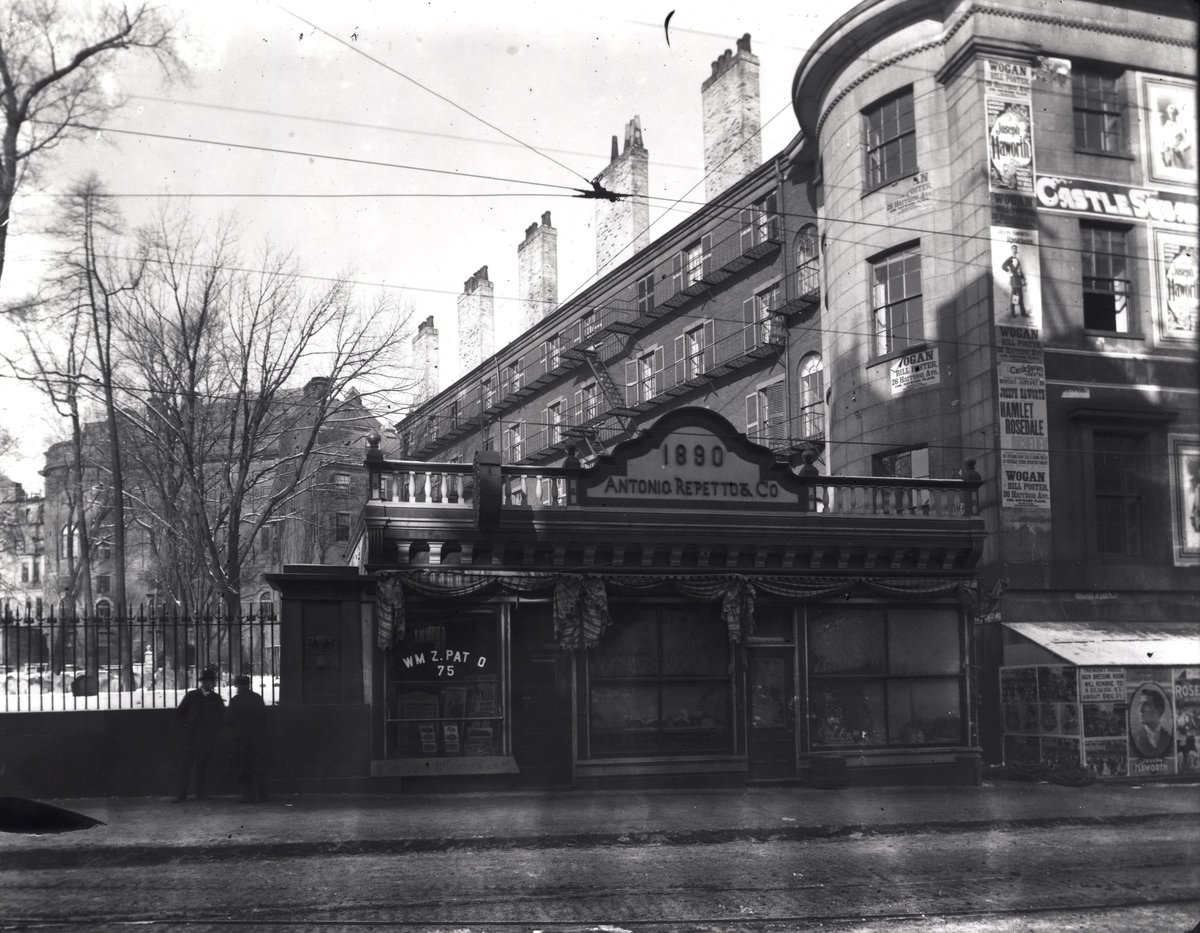
Establishment and Early History
Founded in 1660 as Boston’s third burial ground, the Granary Burying Ground was created to relieve crowding at King's Chapel Burying Ground. The city set aside a portion of Boston Common for burials, reflecting the rapid population growth and evolving needs of the colonial settlement (boston.gov). The name “Granary” was adopted in 1737, derived from a grain storage facility that stood nearby, later replaced by Park Street Church.
Layout, Gravestones, and Landscape Evolution
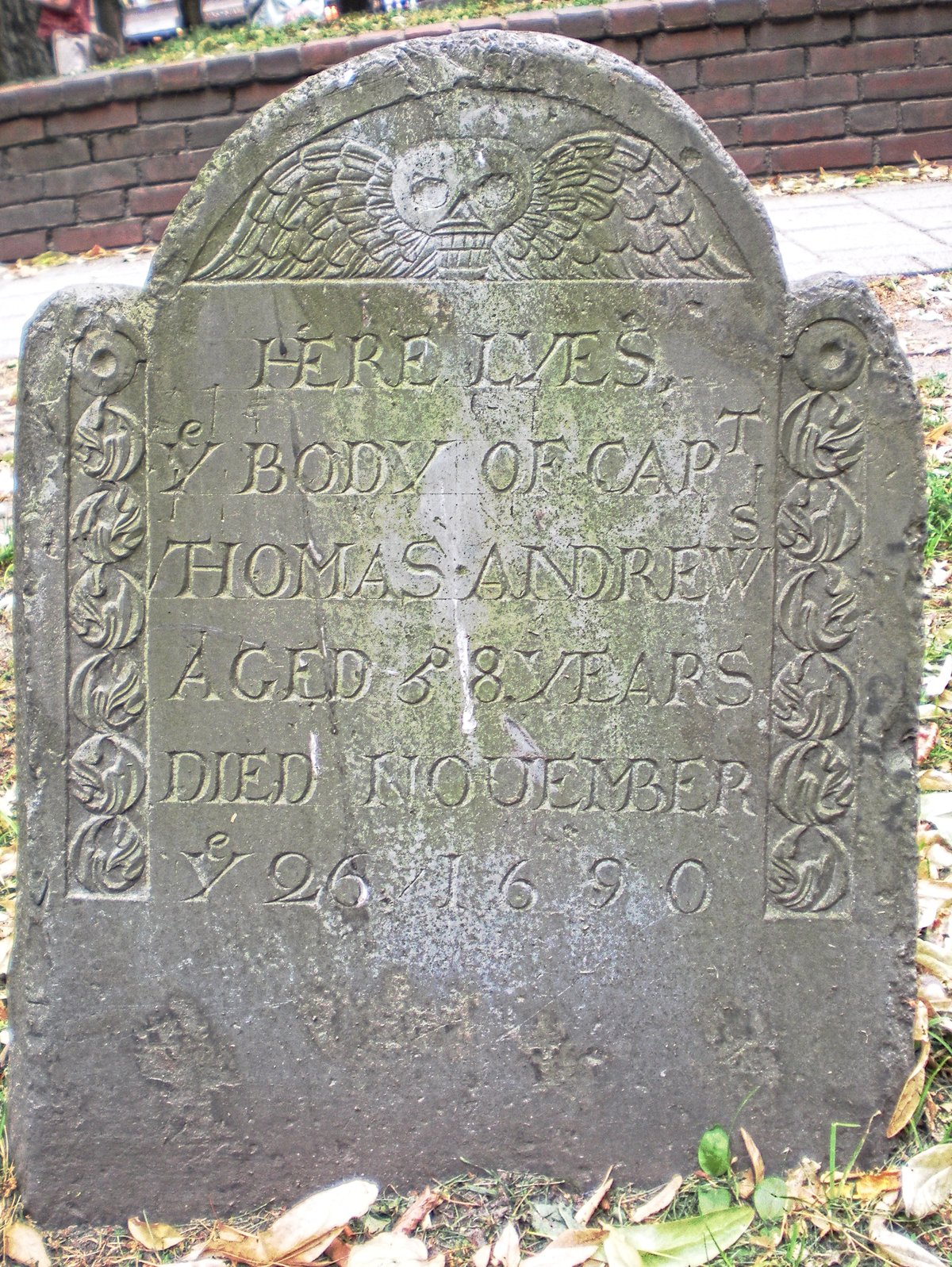
The cemetery features approximately 2,345 gravestones and tombs, though as many as 5,000 individuals are thought to be buried here due to practices such as family tombs and multiple interments (boston.gov). Headstones are primarily slate, with some made from greenstone or marble, and many display intricate carvings and Puritan iconography.
Originally, gravestones followed irregular, organic layouts. In the 1800s, the grounds underwent significant changes, including the reorganization of headstones into neat rows to facilitate maintenance and align with Victorian sensibilities. Walkways and shade trees were added, transforming the graveyard into a more accessible, park-like environment.

Notable Interments and Historical Figures
Granary Burying Ground is a veritable “who’s who” of early American history, including:
- Samuel Adams: Revolutionary leader and Declaration of Independence signer.
- John Hancock: President of the Second Continental Congress, famed for his bold signature.
- Robert Treat Paine: Declaration signer and Massachusetts Attorney General (bashfuladventurer.com).
- Paul Revere: Patriot and silversmith renowned for his midnight ride.
- James Otis: Lawyer and orator, remembered for the phrase “Taxation without representation is tyranny.”
- Peter Faneuil: Philanthropist who donated Faneuil Hall (historytools.org).
- Victims of the Boston Massacre: Crispus Attucks, Samuel Gray, James Caldwell, Samuel Maverick, and Patrick Carr are memorialized together (bashfuladventurer.com).
- Franklin Family Monument: A central obelisk honors Benjamin Franklin’s parents, Josiah and Abiah, though Franklin himself is buried in Philadelphia (boston.gov).
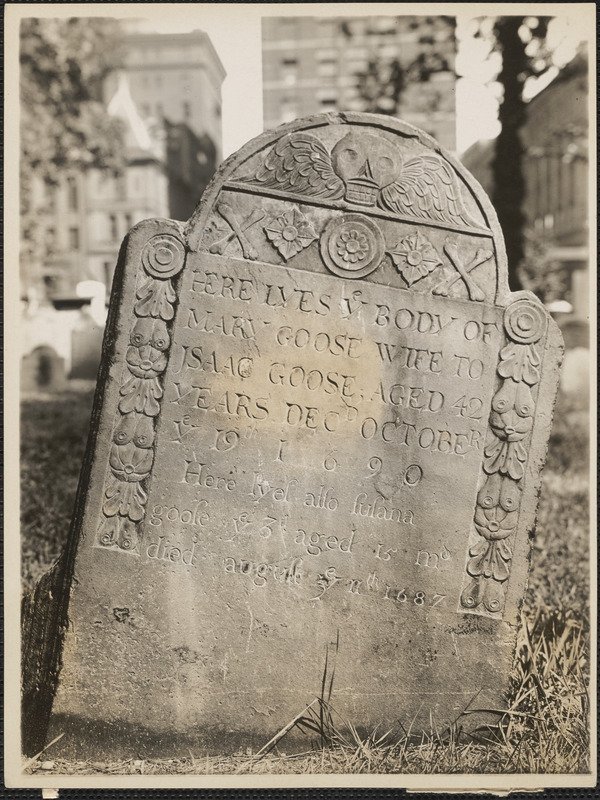
Other prominent burials include several colonial governors, artisans, merchants, and even Mary Goose, sometimes (incorrectly) cited as the original “Mother Goose.”

Funerary Symbolism and Artistic Expression
Granary Burying Ground’s gravestones provide a window into changing attitudes toward mortality and faith, featuring motifs such as:
- Death’s Head (Winged Skull): Symbolizes mortality and the soul’s journey.
- Winged Cherub: Represents hope of resurrection.
- Hourglass: Marks the passage of time.
- Urn and Willow: Signify mourning and remembrance.
- Bones/Crossbones: Remind visitors of death’s inevitability.
- Open Books: Indicate learning or faith; blank pages suggest a life cut short (thedeadhistory.com; historytools.org).
These artistic choices reflect the evolving religious and cultural beliefs of Boston’s early residents.
Social and Cultural Importance in Boston’s History
Located next to Boston Common and near Park Street Church, Granary Burying Ground has been intertwined with the city’s civic life for centuries (bashfuladventurer.com). It functioned as Boston’s primary public burial ground until 1880, serving a cross-section of society from governors to artisans. Today, its preservation offers a tangible link to Boston’s—and America’s—complex social and political evolution.
Accessibility, Travel Information, and Nearby Attractions
Granary Burying Ground is situated at 95 Tremont Street, adjacent to Boston Common and close to the Massachusetts State House and Beacon Hill (wbsm.com). The Park Street MBTA station is steps away, making the cemetery easily accessible by public transit. Several parking garages are nearby, though downtown parking can be limited.
- Main Paths: Generally flat and paved; some uneven areas exist.
- Hours: Open daily, typically 9:00 AM – 5:00 PM (seasonal variations possible; check boston.gov for updates).
- Admission: Free; guided tours may require advance booking or tickets.
- Nearby: Boston Common, Park Street Church, Massachusetts State House, Beacon Hill, Downtown Crossing.
Guided & Self-Guided Tours
- Guided Tours: Offered by the City of Boston and the Freedom Trail Foundation, these tours typically last 30–45 minutes and provide historical context and stories.
- Self-Guided Options: Maps and brochures are available at the entrance, and several mobile apps offer audio and walking guides. Signage throughout the cemetery highlights notable burials and monuments.
Preservation and Interpretation Efforts
The City of Boston has undertaken ongoing restoration and preservation projects, such as the major 2016 headstone stabilization effort (historytools.org). Interpretive signage and educational programs enhance the visitor experience and ensure continued stewardship for future generations.
Events, Programs, and Special Features
Granary Burying Ground hosts special events throughout the year, especially around Independence Day, Patriots’ Day, and Halloween. These may include reenactments, themed tours, and educational workshops. Local lore features stories of hauntings and hidden crypts, adding intrigue to the site’s enduring mystique (thedeadhistory.com).
Frequently Asked Questions (FAQ)
Q: What are the visiting hours?
A: Usually 9:00 AM–5:00 PM; check boston.gov for the latest updates.
Q: Is there an admission fee?
A: No, entry is free. Some tours require tickets.
Q: Are guided tours available?
A: Yes, through the Freedom Trail Foundation and City of Boston.
Q: Is the site wheelchair accessible?
A: Main paths are generally accessible, though some uneven areas remain.
Q: Can I take photographs?
A: Yes, photography is permitted.
Q: What other historic sites are nearby?
A: Boston Common, Park Street Church, Massachusetts State House, and Faneuil Hall.
Plan Your Visit
Explore the Granary Burying Ground’s stories, monuments, and tranquil grounds at your own pace or join a guided tour for in-depth insight. For a richer experience, download the Audiala app for self-guided audio tours and expert tips. Remember to check current hours before your visit and observe respectful conduct in this historic resting place.
Summary
The Granary Burying Ground remains a vital symbol of Boston’s—and the nation’s—heritage, offering a unique blend of commemoration, education, and reflection. Its monuments, graves, and evocative art invite visitors to connect with the ideals and events that forged modern America. Whether you’re a history enthusiast, traveler, or local resident, a visit to this cemetery is a memorable journey into the origins of liberty, community, and resilience in Boston.
Listen to the full story in the app
The whole Granary Burying Ground,
told well.
Audio guides for 1,100+ cities across 96 countries. History, stories, and local insight — offline ready.
Verified, and shown.
Researched and written by the Audiala editorial team from historical records, architectural archives, and local expertise.
Researched from Wikidata, Wikipedia & official sources · fact-checked · How we make our guides →