

Early Strategic Importance and Site Selection
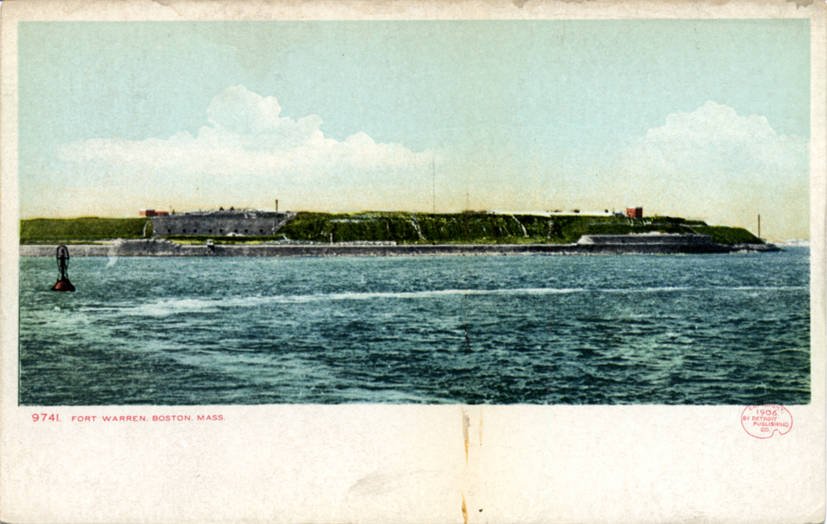
Following vulnerabilities exposed during the War of 1812, U.S. military planners identified Georges Island as a prime defensive outpost for Boston Harbor. The U.S. Army Corps of Engineers selected this location for its commanding views and control over vital shipping channels, enabling it to safeguard Boston from naval threats (NPS.gov).
Design and Construction: The Third System Era
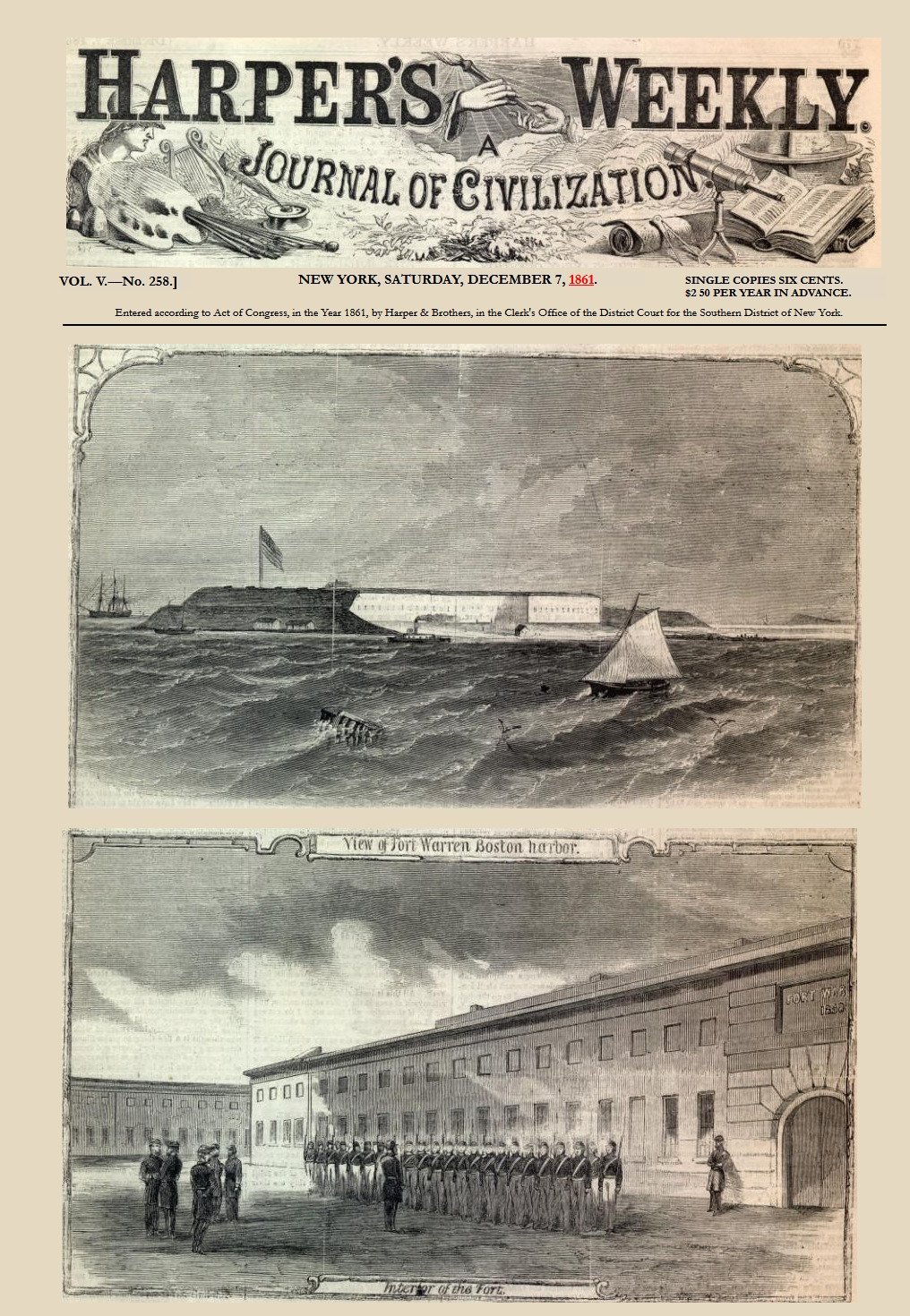
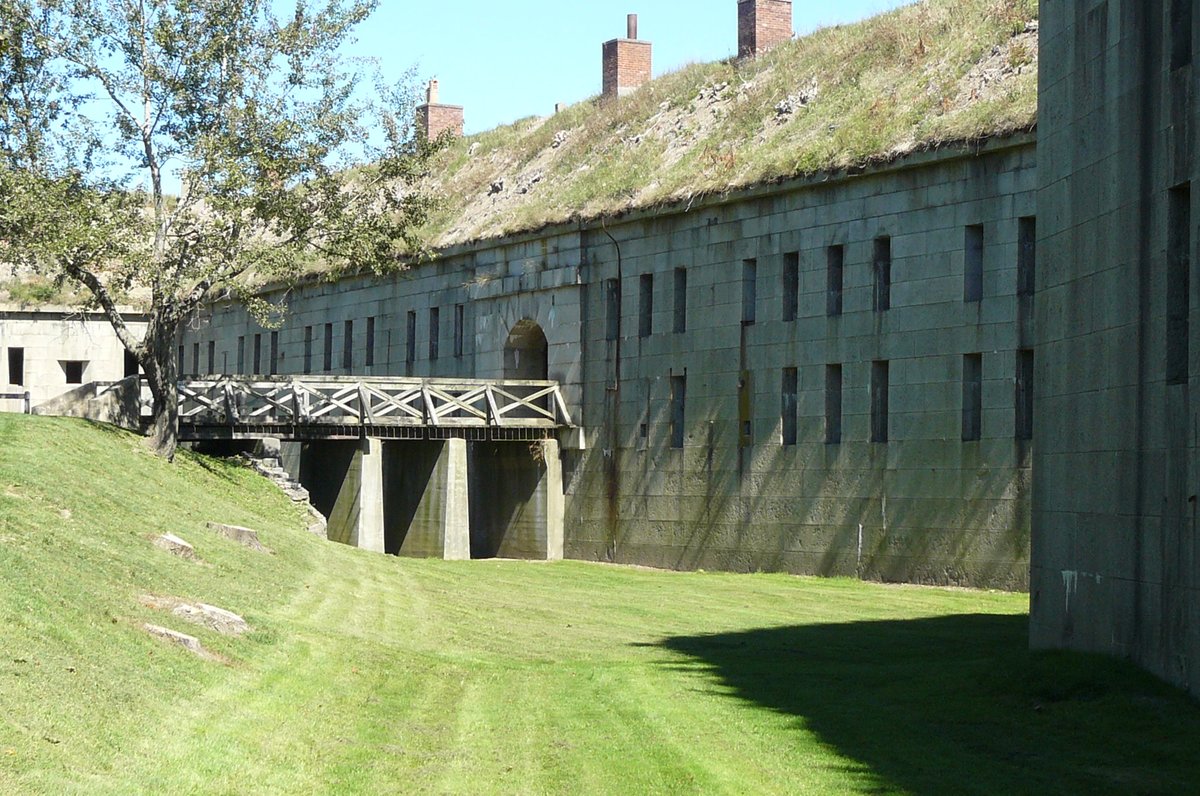
Fort Warren was conceived as part of the national “Third System” of coastal fortifications, initiated to modernize American defenses. Construction began in 1834, with the fort’s pentagonal design—featuring five bastions, curtain walls, and a protective moat—reflecting the latest military engineering of the era. Built from robust Quincy granite, the fort could house up to 2,500 soldiers and included essential features like a sally port (main entrance), ravelin (triangular outwork), and powder magazines (Tourist Secrets).
Civil War Role and Prison Use
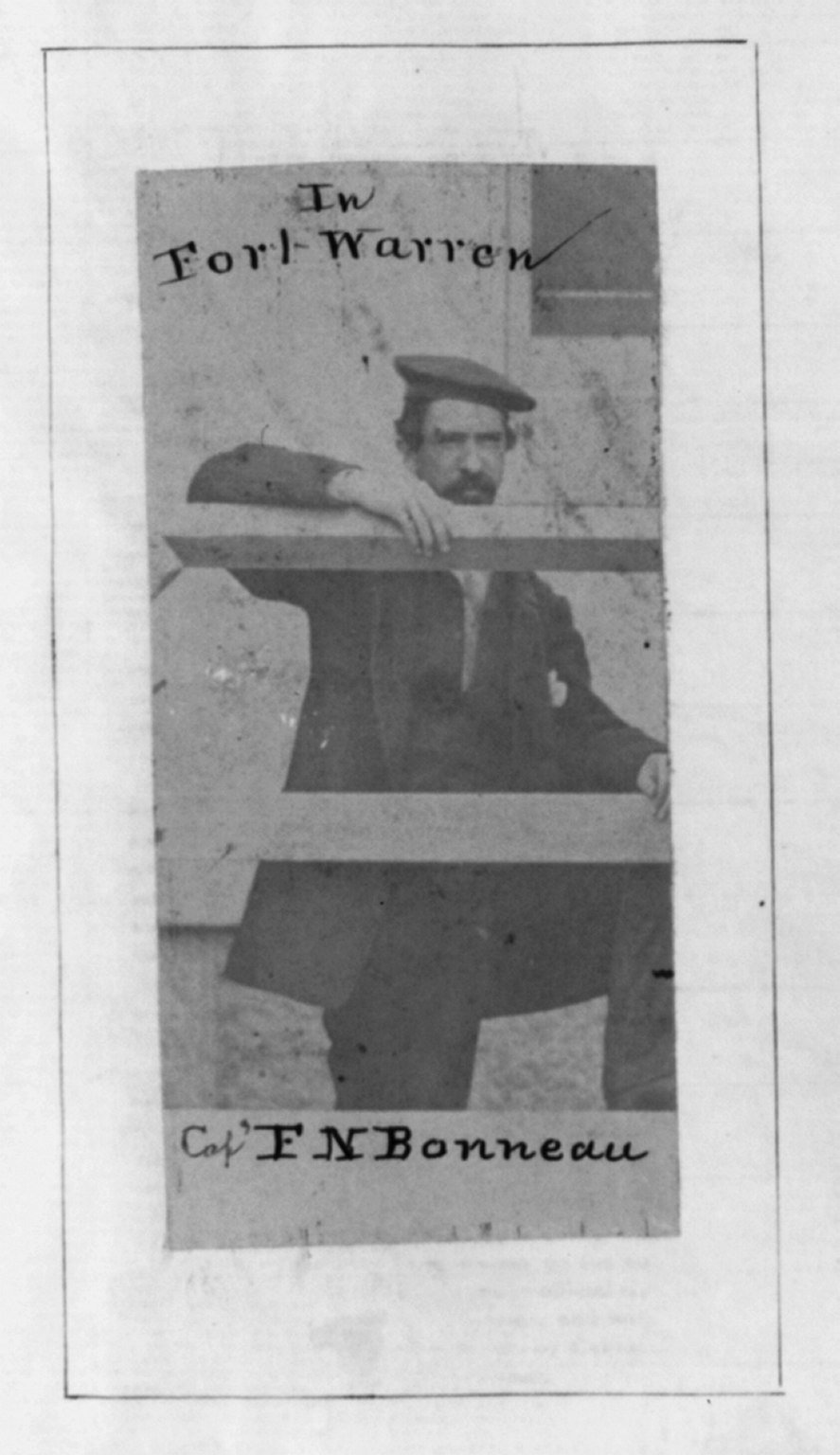
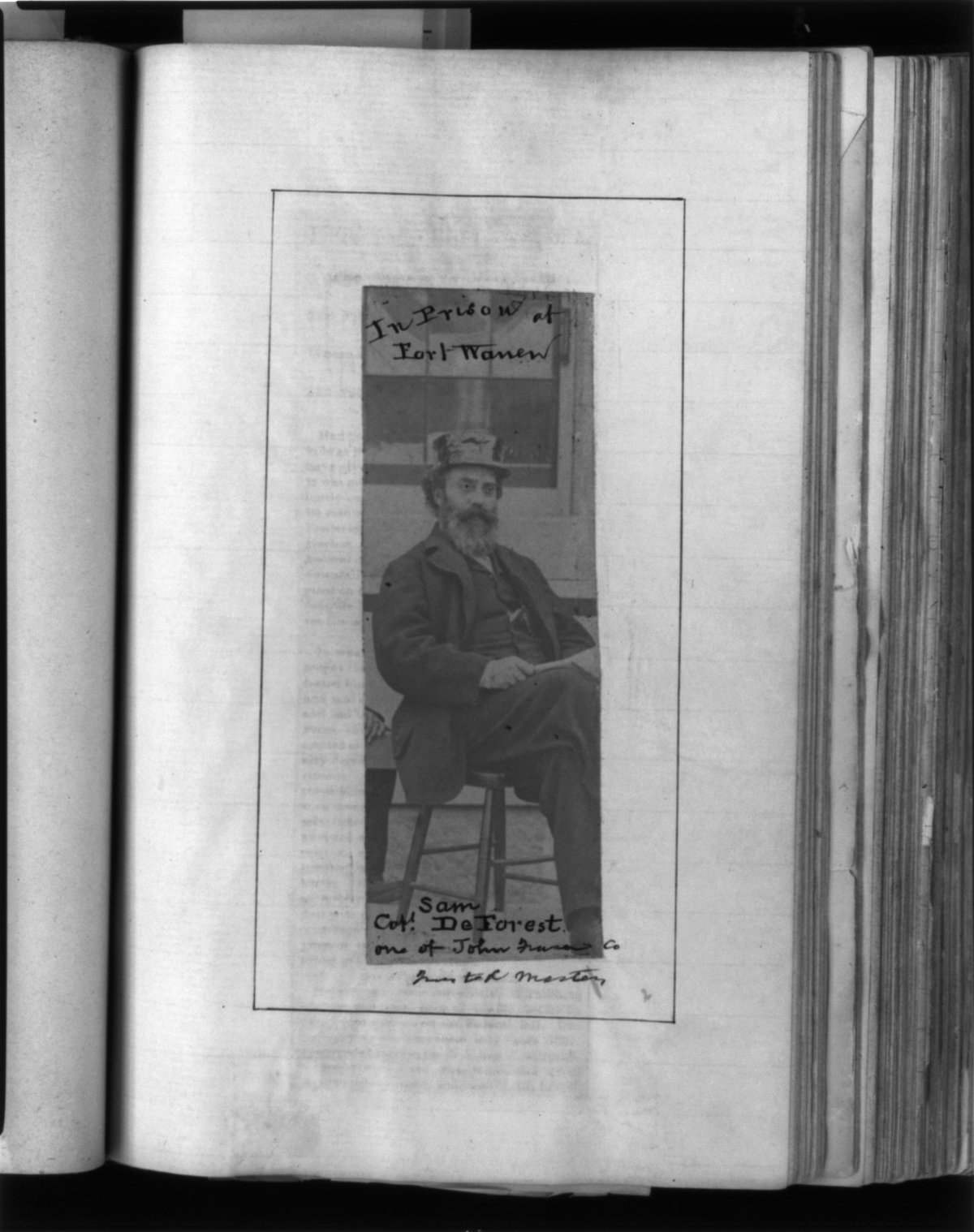
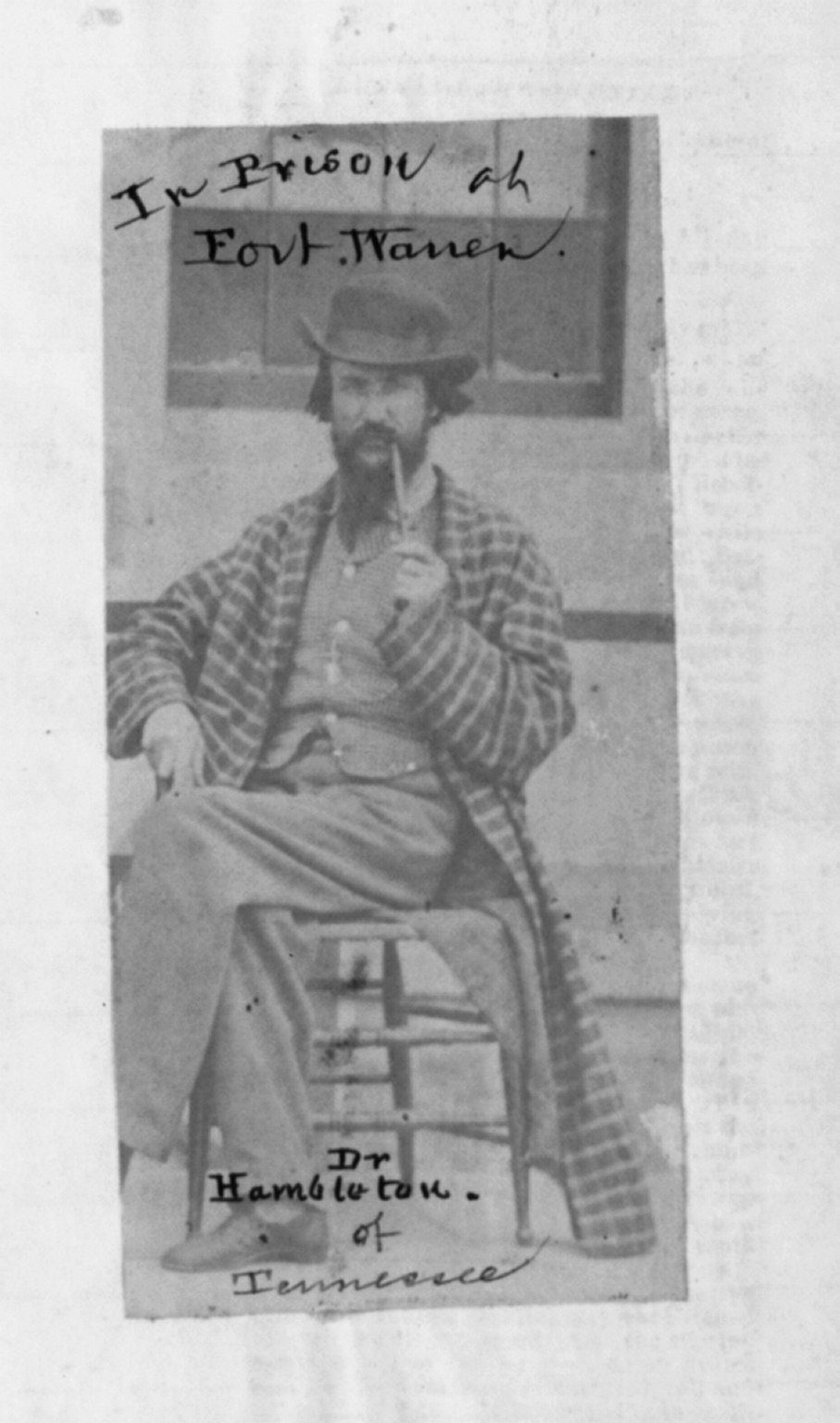
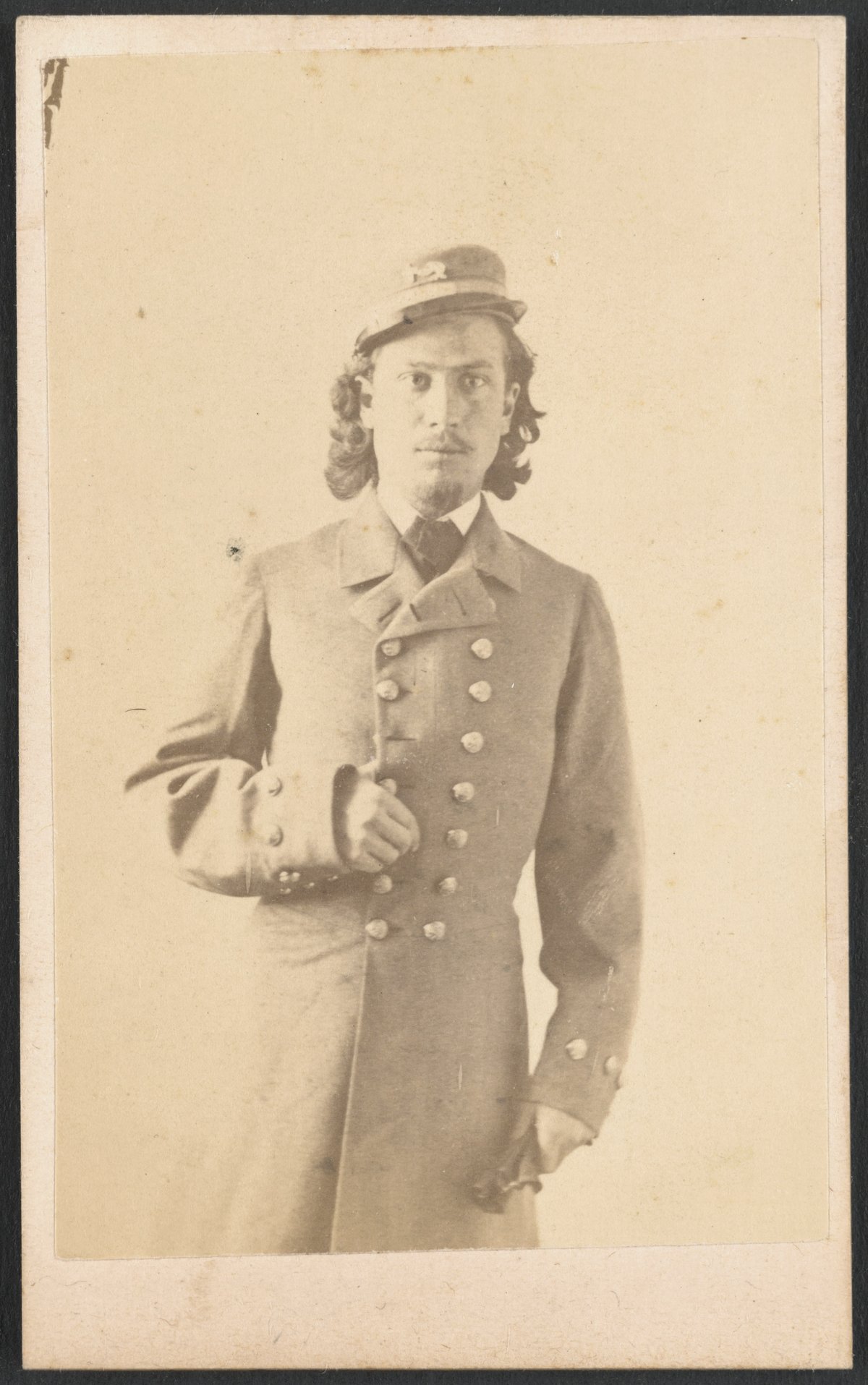
Completed on the eve of the Civil War, Fort Warren served as a critical Union stronghold. It was a key training site and, notably, a prison for Confederate leaders, including Vice President Alexander H. Stephens and diplomats from the Trent Affair. Uniquely, it was known for its humane treatment of prisoners, allowing correspondence, visits, and recreation, which was rare for the era (Tourist Secrets; Legends of America).
Post-Civil War Modernization and the Endicott Era
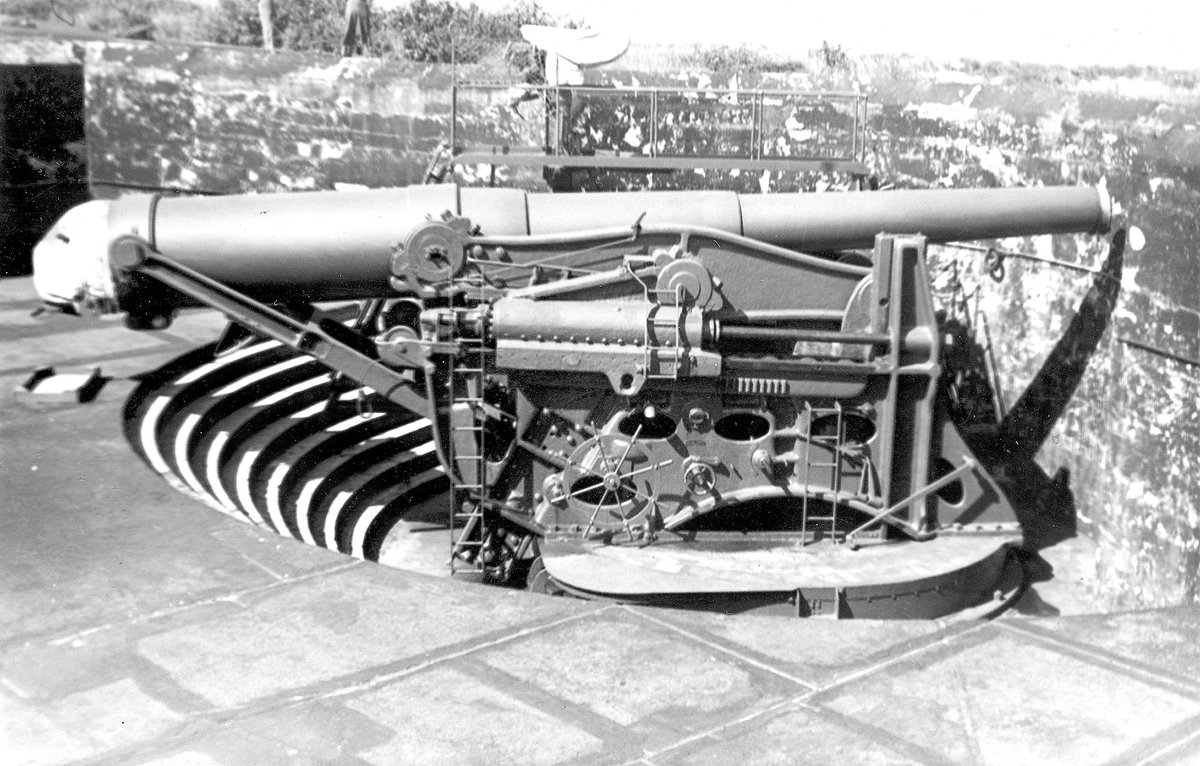
Technological advancements in artillery and naval warfare rendered many old fortifications obsolete. The Endicott Board (est. 1885) called for modernization, adding new concrete batteries equipped with 3-inch to 12-inch rifled guns and mine casemates for harbor defense. These updates sustained Fort Warren’s defensive relevance into the early 20th century (NPS.gov).
20th Century Service: World Wars and Deactivation
Fort Warren continued to serve during the Spanish-American War, World War I, and World War II, adapting to changing defense needs. It functioned as a training center and managed defensive mines, but its guns were never fired in combat. By 1950, with the rise of airpower and missile technology, the fort was decommissioned (History Tools).
Preservation and Landmark Status
Recognizing its historical significance, the Commonwealth of Massachusetts acquired Fort Warren and Georges Island in 1958. The fort was designated a National Historic Landmark in 1970 and became a focal point within the Boston Harbor Islands State Park, ensuring its preservation for future generations (Wikipedia).
Visiting Fort Warren: Hours, Tickets, and Access
Hours and Seasonality
- Open Late May through mid-October, generally 10:00 AM–5:00 PM.
- Note Hours may vary; always check the Boston Harbor Islands site for current information.
Tickets and Ferry Service
- Access Only by ferry from Boston’s Long Wharf North, Hingham, or Hull.
- Ferry Tickets (2024)
- Adults: $19.95
- Children (3–12): $12.95
- Seniors/Students/Military: $14.95
- Family 4-pack: $49
- 10-ride/Season passes available (Boston Harbor Cruises)
- Admission Included with ferry ticket; no separate fort entry fee.
- Advance Purchase Strongly recommended, especially during weekends and holidays.
Transportation
- Ferry Duration 40–50 minutes from Boston; ferries also depart from Hingham and Hull (Boston Discovery Guide).
- Parking Available near ferry terminals; MBTA accessible from Long Wharf.
Architectural Features and Military Engineering
Fort Warren’s pentagonal granite structure showcases 19th-century military engineering:
- Bastions Five projecting bastions for overlapping defensive fire.
- Moat Deep ditch along several walls, originally filled with water.
- Sally Port Main fortified entrance.
- Casemates and Terrepleins Artillery positions and gun platforms.
- Parade Ground Heart of the fort for drills and ceremonies.
- Powder Magazines Secure storage for munitions (Wikipedia).
Folklore and Cultural Legacy
Fort Warren is famous for the legend of the “Lady in Black”—said to haunt the fort’s dungeons after a failed rescue attempt of her Confederate husband. This ghostly tale adds a layer of intrigue for visitors (Legends of America; Travel2Next).
The fort is also the reputed birthplace of the Union marching song “John Brown’s Body,” connecting it to American cultural history (Emerging Civil War).
Modern-Day Interpretation and Events
Today, Fort Warren hosts ranger-led tours, living history events, reenactments, and interactive children’s programs. The Visitor Center provides maps, exhibits, and historical context. Seasonal events include music performances, art exhibits, vintage “base ball” games, and educational workshops (Boston Harbor Islands; Tripster).
Accessibility and Amenities
- Wheelchair/Stroller Access Paved island paths and ferry are accessible, though some fort interiors have stairs and uneven surfaces.
- Facilities Restrooms, picnic areas (some covered), water fountains, and a seasonal snack stand.
- Visitor Center Offers exhibits, ranger information, and a small gift shop.
- Picnicking Encouraged; carry in, carry out trash policy.
- Pets Only service animals permitted.
Frequently Asked Questions (FAQ)
Q: What are Fort Warren’s visiting hours?
A: Typically open from late May through mid-October, 10:00 AM–5:00 PM. Check the official website for updates.
Q: How do I buy tickets?
A: Purchase ferry tickets online via Boston Harbor Cruises, by phone, or at the terminal.
Q: Is Fort Warren wheelchair accessible?
A: Main paths and the ferry are accessible; some historic sections have limited access.
Q: Are guided tours available?
A: Yes, ranger-led and special themed tours are offered during the season.
Q: Can I bring food?
A: Yes, picnics are welcome; a snack shack operates seasonally.
Q: Are pets allowed?
A: Only service animals are permitted.
Practical Tips for Visitors
- Plan Ahead Always check ferry schedules and ticket availability in advance.
- Pack Smart Bring water, snacks, sun protection, and comfortable walking shoes.
- Weather Dress in layers; the island is exposed to wind and sun.
- Accessibility Consult park staff for accessible routes.
- Photography The site offers excellent spots for photos; drones are prohibited.
- Download the App Use the Boston Harbor Islands app for self-guided tours (PocketSights).