Plan and listen to Fort Revere Park with Audiala.
Audio guide in your pocket, itinerary in your browser. Built for the way you actually visit.
Introduction
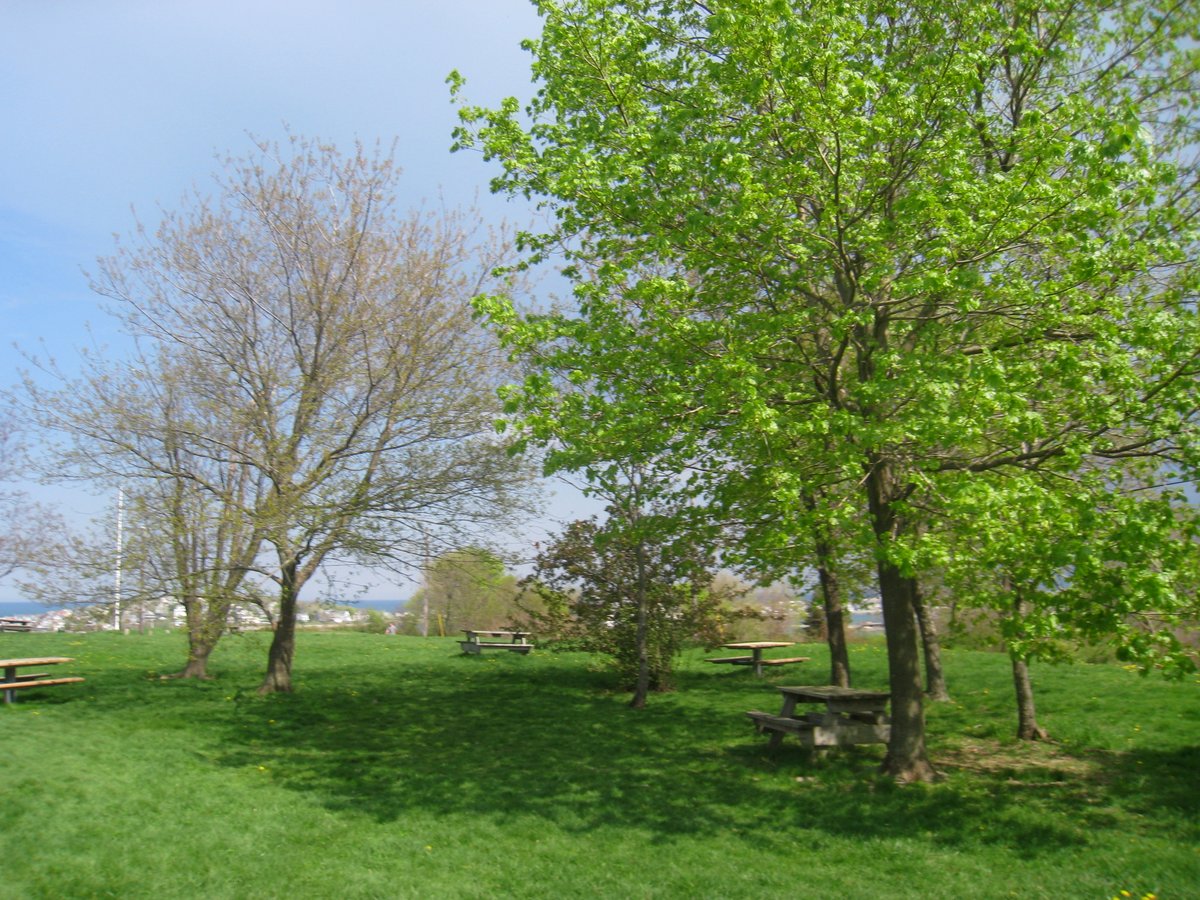
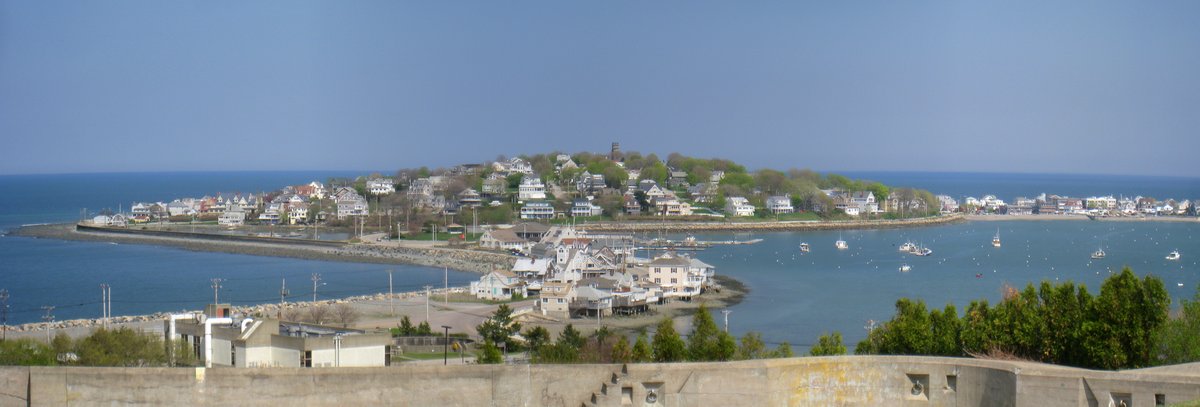
Fort Revere Park, located atop Telegraph Hill in Hull, Massachusetts, is a historical gem that offers visitors a unique blend of rich history, scenic beauty, and recreational activities. This park, which has played a pivotal role in American military history, provides an immersive experience for those eager to explore its storied past and enjoy breathtaking views of Boston Harbor and the Atlantic Ocean. The park's origins date back to 1673 during King Philip's War when colonists constructed a watchtower on the hill to guard against Native American attacks. Over the centuries, Fort Revere has evolved from a rudimentary defense structure to a significant military fortification, and eventually into a beloved public park. Today, it stands as a testament to the nation's resilience and ingenuity, offering visitors a chance to delve into history while enjoying modern amenities (source).

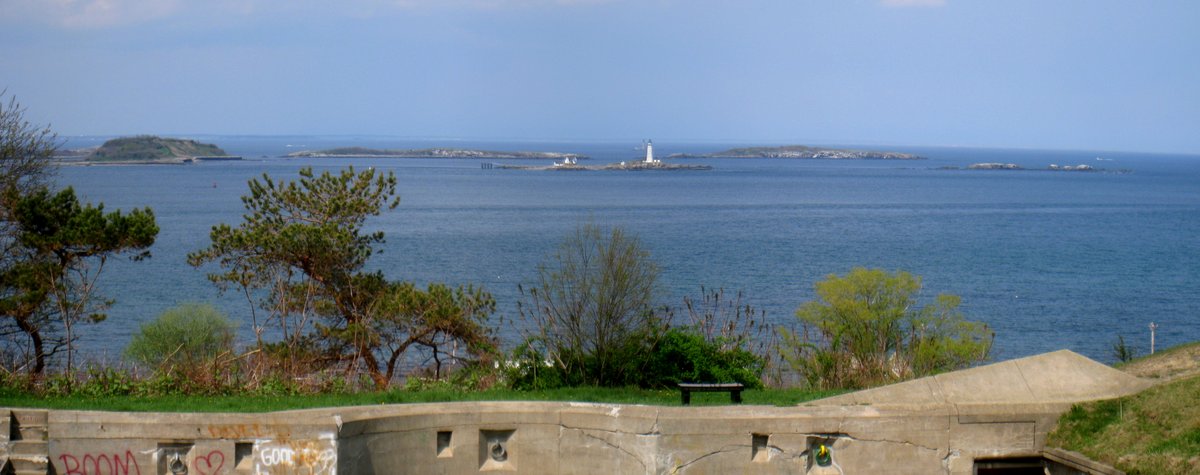

Exploring Fort Revere Park
Fort Revere Park, perched atop Telegraph Hill in Hull, Massachusetts, boasts a rich history spanning over two centuries. The park's story is one of military adaptation, technological advancement, and ultimately, transformation into a place of recreation and reflection.
Early Beginnings - A Strategic Outpost
The earliest fortifications on Telegraph Hill date back to 1673, during King Philip's War, when colonists erected a watchtower to guard against Native American attacks. This rudimentary defense structure marked the beginning of the hill's strategic significance.
The Birth of Fort Revere - Protecting Boston Harbor
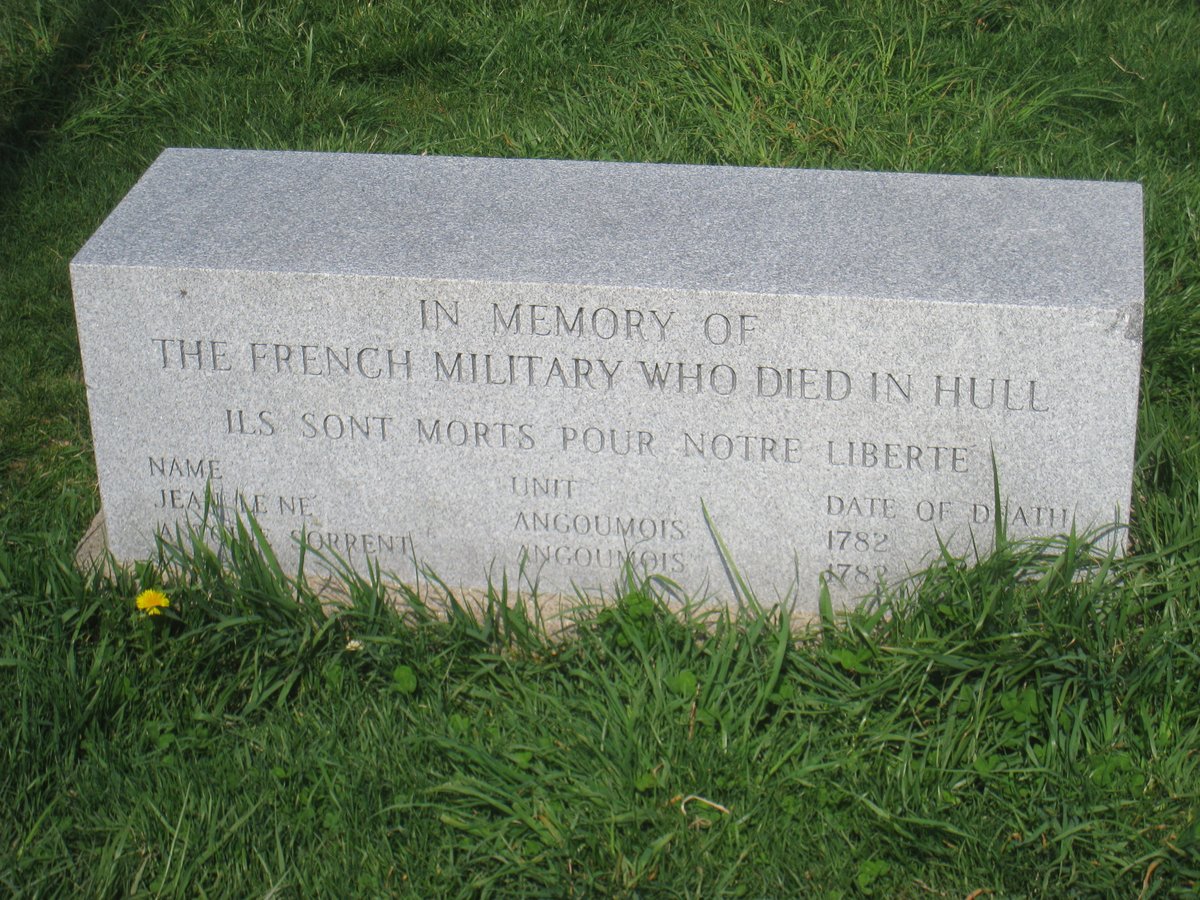
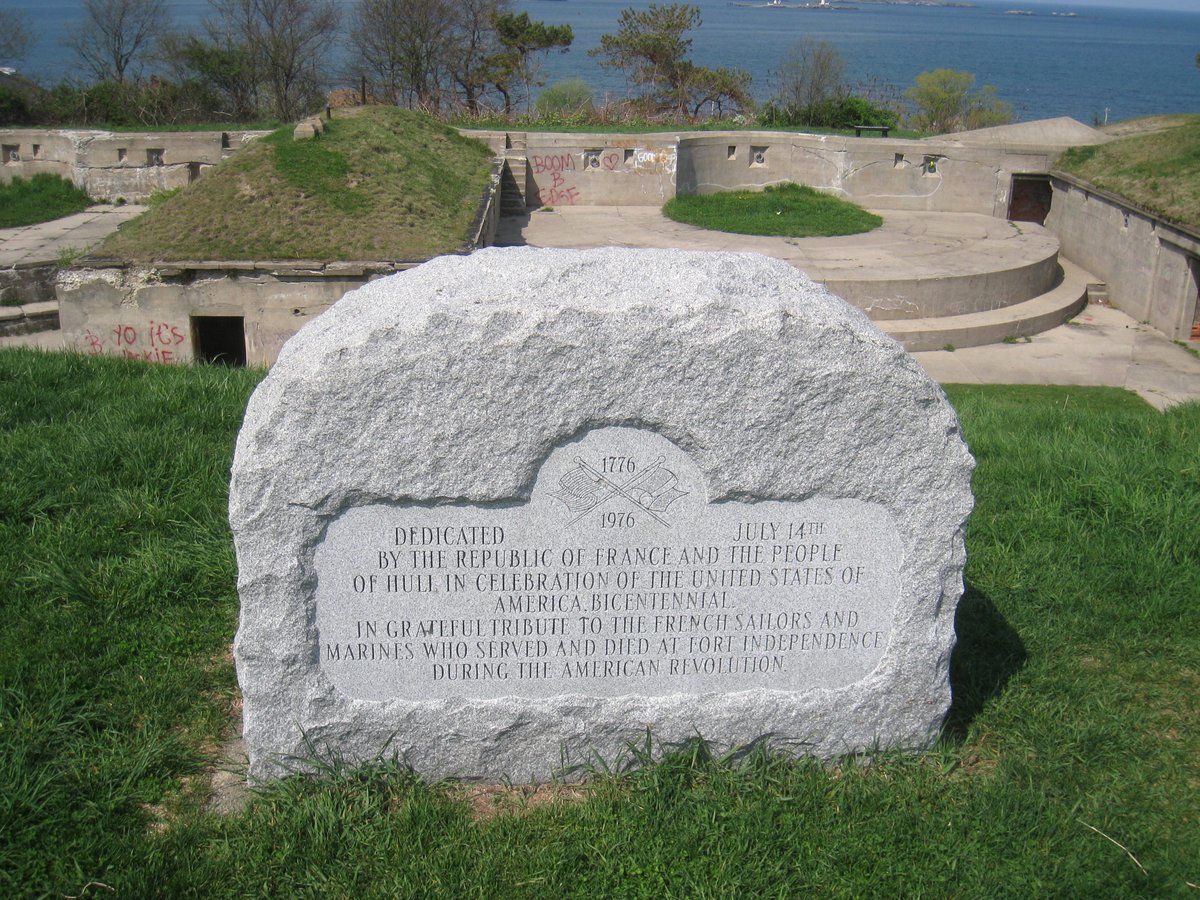
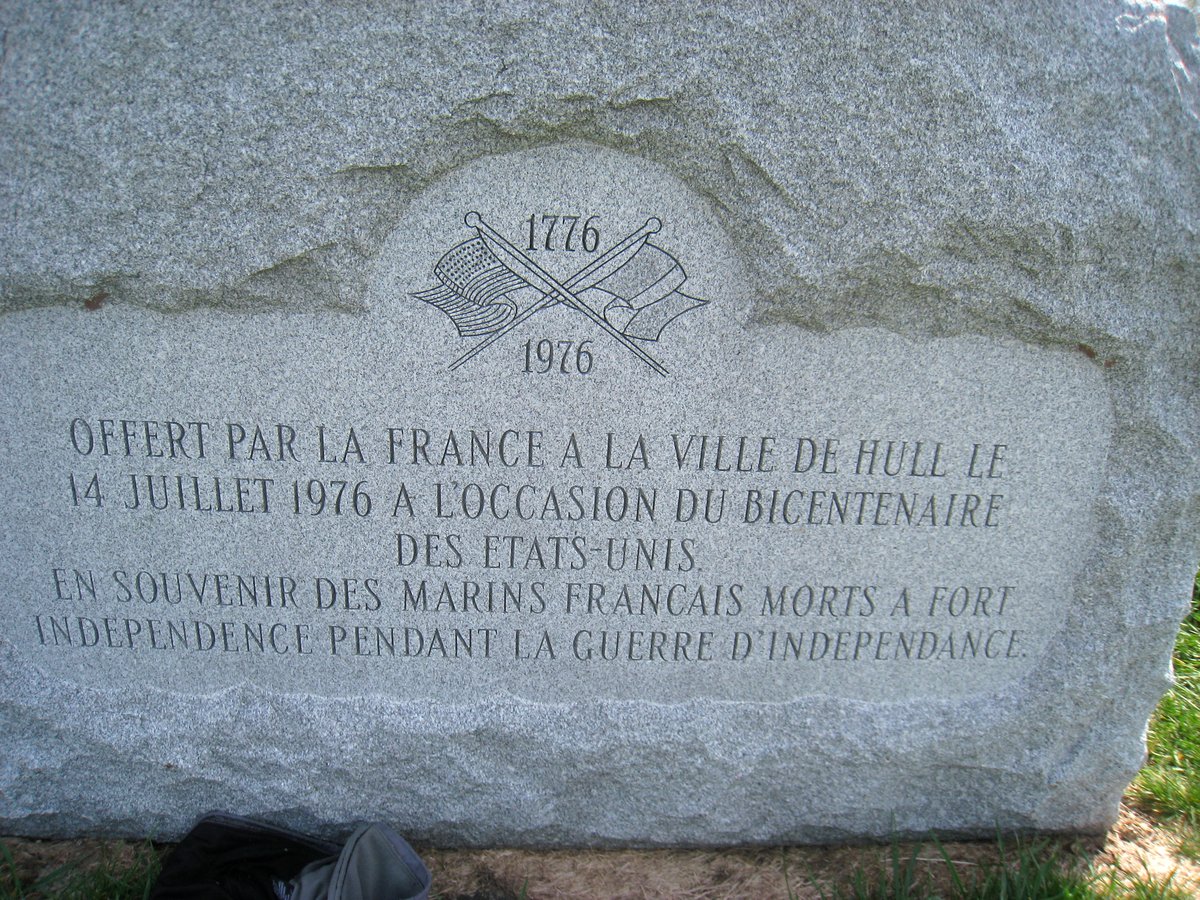
In 1776, during the Revolutionary War, patriots built earthwork fortifications on the hill, recognizing its strategic value in defending Boston Harbor. However, it wasn't until 1808, under the direction of President Thomas Jefferson, that the first true fort, named 'Fort Independence,' was constructed. This fort, built with granite and brick, housed cannons and soldiers, serving as a crucial defense point during the War of 1812.
Fort Warren - A New Era of Coastal Defense
By the mid-19th century, Fort Independence was outdated and vulnerable to newer artillery. In 1844, construction began on a much larger and more formidable granite fort, named Fort Warren in honor of Revolutionary War hero Dr. Joseph Warren. Fort Warren, with its impressive granite walls, underground tunnels, and powerful cannons, became a symbol of American military might. During the Civil War, it served as a key Union Army base, imprisoning Confederate soldiers and sympathizers.
The Dawn of Modern Warfare - From Fort to Fire Control
The late 19th and early 20th centuries saw rapid advancements in military technology, rendering Fort Warren's massive guns obsolete. In 1903, the fort was renamed Fort Revere, in honor of Paul Revere, and underwent significant modifications to accommodate modern artillery and fire control systems. During World War I, Fort Revere served as a training ground for soldiers and housed large-caliber guns to protect Boston Harbor from potential German attacks.
World War II and Beyond - A Changing Landscape
During World War II, Fort Revere once again played a vital role in coastal defense. The Army installed anti-aircraft guns and searchlights, and the fort served as a command center for harbor defenses. After the war, the fort was decommissioned in 1947 and fell into disrepair.
Rebirth as Fort Revere Park - A Place for Recreation and Remembrance
In the 1950s, the Town of Hull purchased the property and began transforming it into Fort Revere Park. The park, officially opened in 1958, offered visitors a unique opportunity to explore the remnants of the fort, enjoy panoramic views of Boston Harbor, and learn about the site's rich history.
Preservation and Restoration - Keeping History Alive
Over the years, Fort Revere Park has undergone various preservation and restoration efforts. The most significant of these was a multi-million dollar project completed in 2007, which stabilized the fort's deteriorating structures, improved accessibility, and enhanced the park's interpretive signage and exhibits.
Visitor Information
Visiting Hours
Fort Revere Park is open daily from 8:00 AM to sunset. Hours may vary seasonally, so it's advisable to check the official website for the most current information.
Tickets
Entry to Fort Revere Park is free of charge. However, donations are appreciated to help with the ongoing preservation efforts.
Travel Tips
The park is accessible by car and there is ample parking available. Public transportation options are limited, so driving is recommended.
Nearby Attractions
While visiting Fort Revere Park, be sure to explore other historical sites in Hull, such as the Hull Lifesaving Museum and Nantasket Beach.
Accessibility
The park has made significant strides in improving accessibility, but some areas may still be challenging for visitors with mobility issues.
Unique Aspects and Activities
Special Events
The park occasionally hosts special events, including historical reenactments and educational programs. Check the park's website for upcoming events.
Guided Tours
Guided tours are available upon request and offer a deeper insight into the park's rich history.
Best Photographic Spots
The panoramic views from Telegraph Hill provide excellent photo opportunities, especially during sunrise and sunset.
Visitor Tips
- Plan your visit: Fort Revere Park is open year-round from dawn to dusk, but certain attractions, like the water tower observation deck, may have limited hours. Check the park's website for current hours of operation and any scheduled events.
- Dress comfortably: Wear comfortable shoes suitable for walking on paved and unpaved trails. The park is situated on a hill, so be prepared for some inclines.
- Bring water: Stay hydrated, especially during warmer months. While there are water fountains available in the park, it's always a good idea to carry your own water bottle.
- Respect the park: Help preserve the park's beauty and historical significance by staying on designated trails, disposing of trash properly, and refraining from damaging any structures or natural features.
- Capture the memories: Don't forget your camera! Fort Revere Park offers countless photo opportunities, from the imposing fort ruins to the breathtaking views from the water tower.
FAQ
Q: What are the visiting hours for Fort Revere Park?
A: Fort Revere Park is open daily from 8:00 AM to sunset. Seasonal variations may apply, so check the official website for the latest information.
Q: Is there an entry fee for Fort Revere Park?
A: No, entry to Fort Revere Park is free, but donations are welcome to support preservation efforts.
Q: Are there guided tours available at Fort Revere Park?
A: Yes, guided tours are available upon request and provide a deeper understanding of the site's history.
Q: What are some nearby attractions to Fort Revere Park?
A: Nearby attractions include the Hull Lifesaving Museum and Nantasket Beach. Both are worth a visit while you are in the area.
Q: Is Fort Revere Park accessible for visitors with mobility issues?
A: The park has made improvements in accessibility, but some areas may still be challenging for those with mobility issues.
Q: Are there special events held at Fort Revere Park?
A: Yes, the park hosts various special events, including historical reenactments and educational programs. Check the park's website for upcoming events.
Listen to the full story in the app
The whole Fort Revere Park,
told well.
Audio guides for 1,100+ cities across 96 countries. History, stories, and local insight — offline ready.
Verified, and shown.
Researched and written by the Audiala editorial team from historical records, architectural archives, and local expertise.
Researched from Wikidata, Wikipedia & official sources · fact-checked · How we make our guides →