Plan and listen to Fort Independence with Audiala.
Audio guide in your pocket, itinerary in your browser. Built for the way you actually visit.
Introduction
Castle Island in Boston is a captivating blend of history, scenic beauty, and recreational opportunities. Connected to the mainland by a causeway and a land bridge, this 22-acre park is a significant historical site and a popular destination for locals and tourists alike. From its early days as a military fortification in the 17th century to its current status as a beloved public park, Castle Island offers a unique glimpse into Boston's past while providing a range of activities for visitors. This guide aims to provide comprehensive information on visiting Castle Island, including its historical significance, visitor tips, and the best times to explore this iconic landmark. Whether you're a history enthusiast, a nature lover, or simply looking for a relaxing day out, Castle Island has something to offer everyone (DCR website).

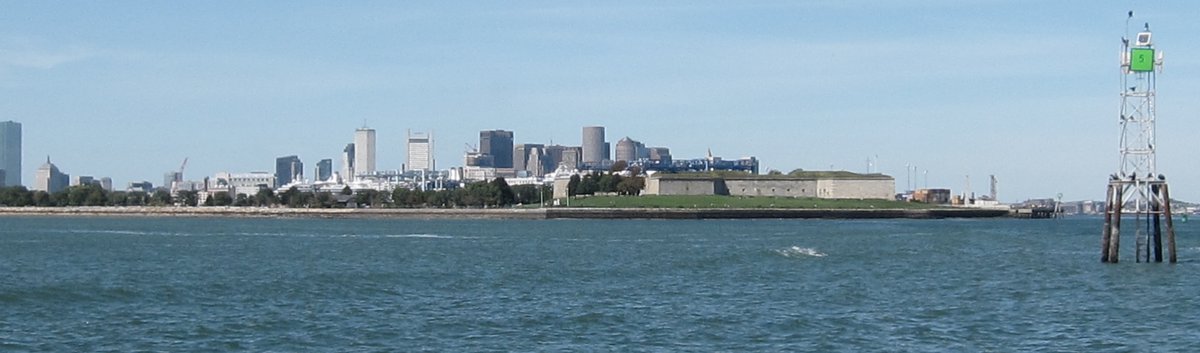
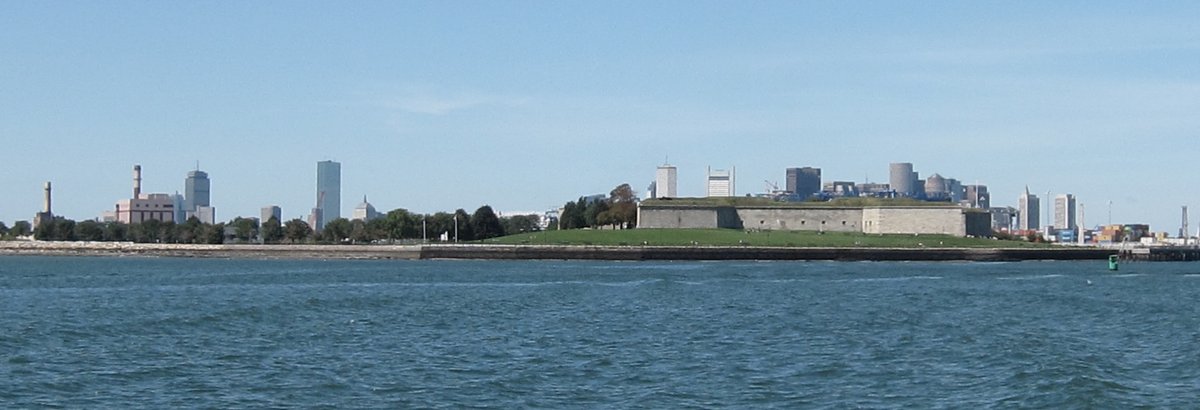
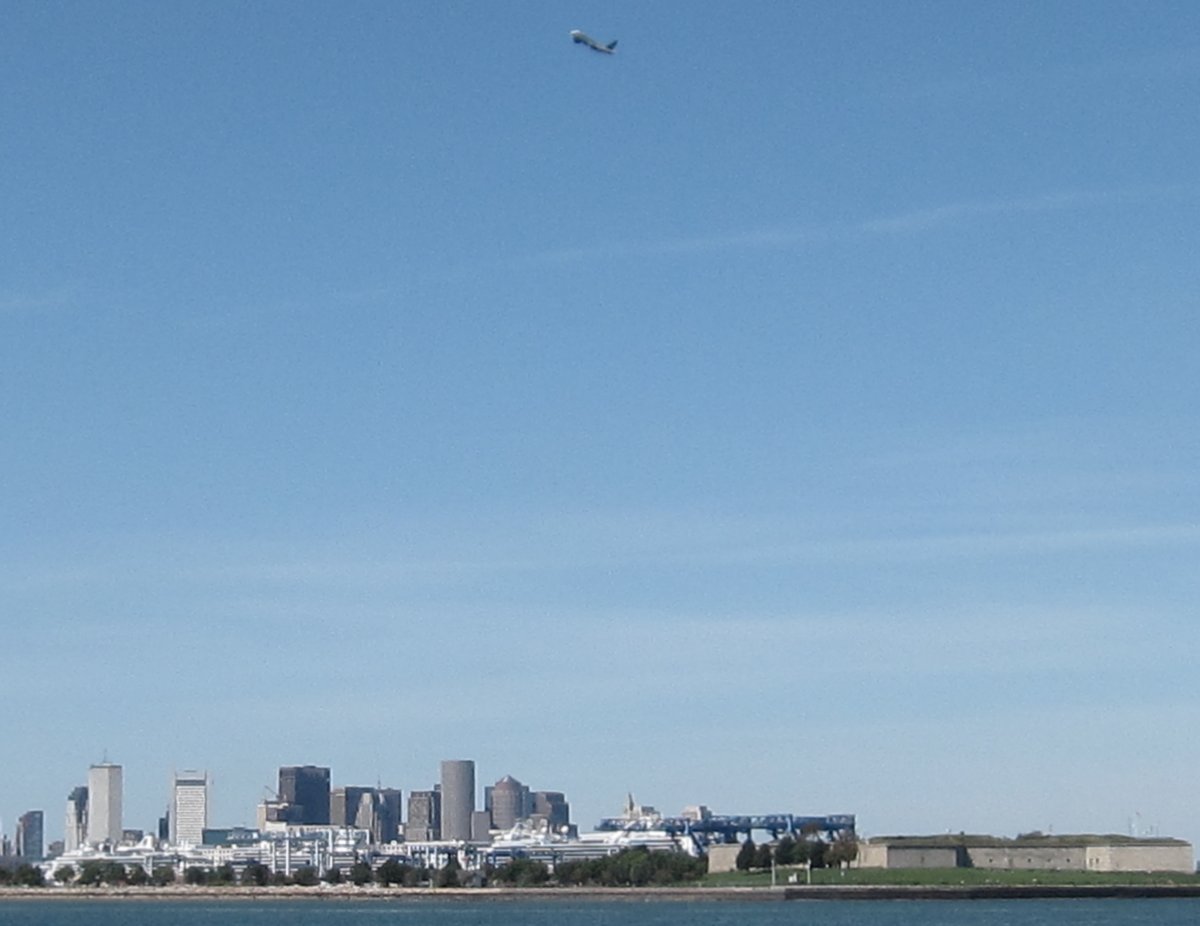
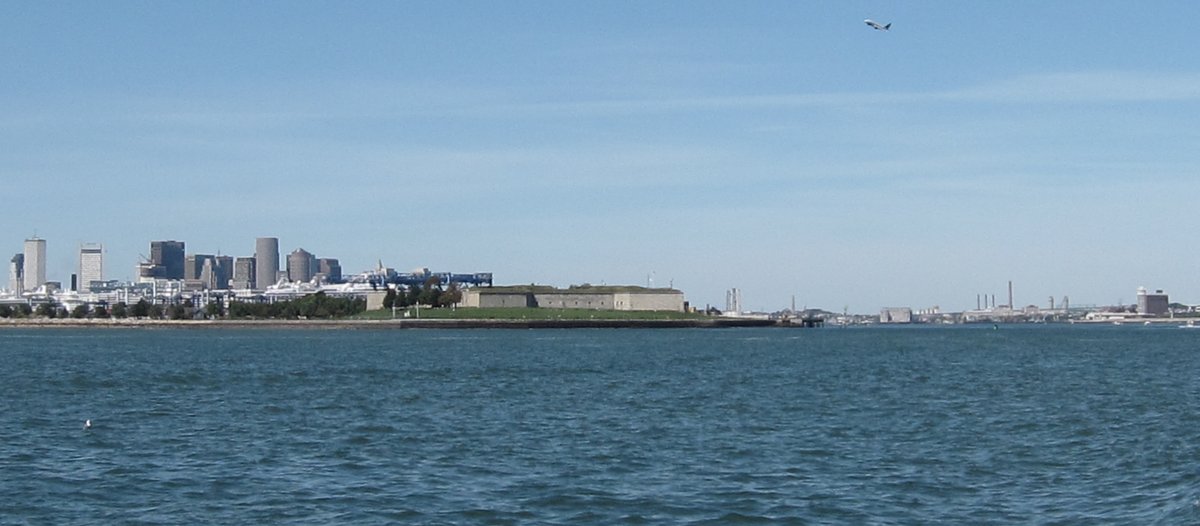

Early Fortifications and Shifting Sands (1634-1775)
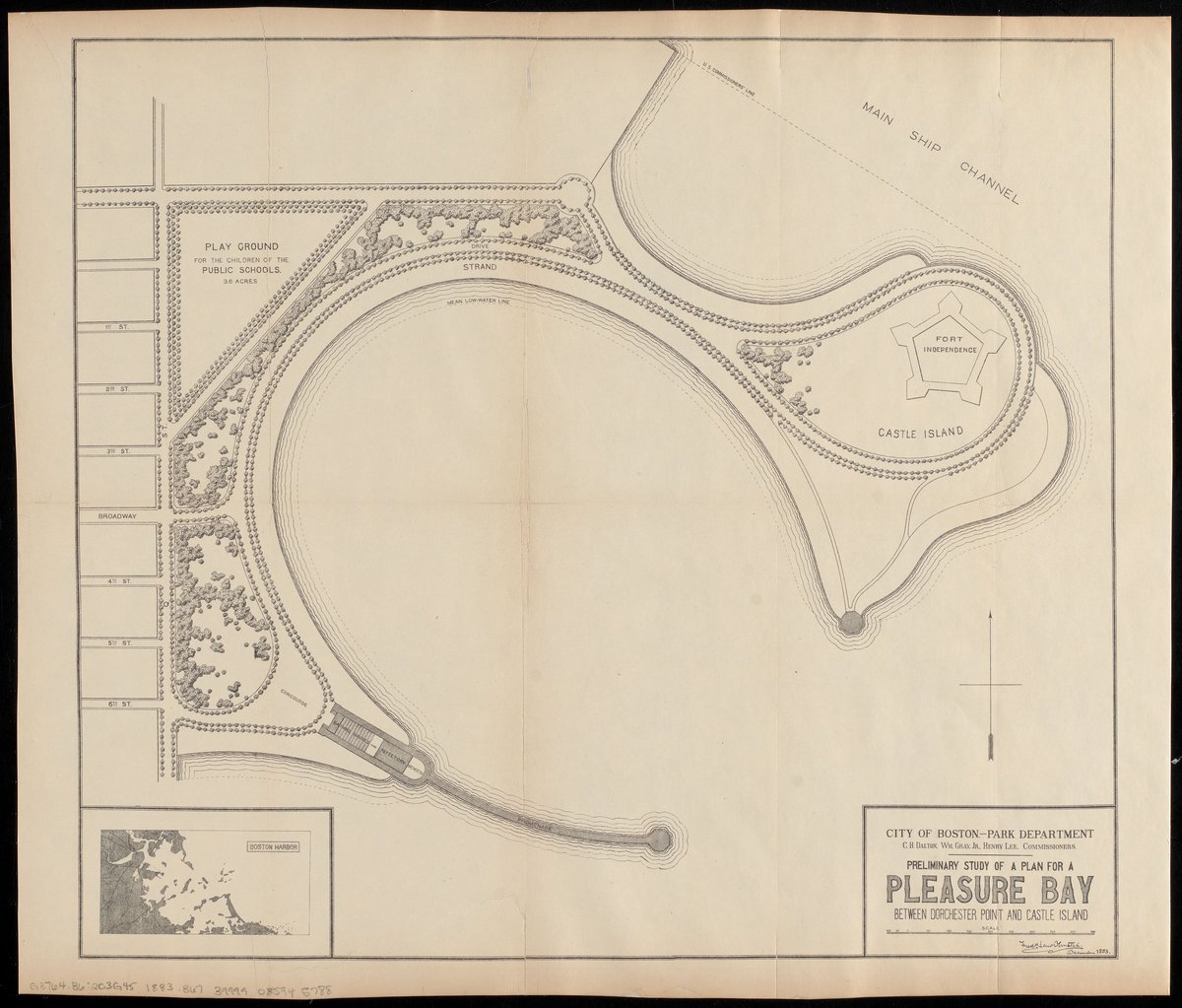
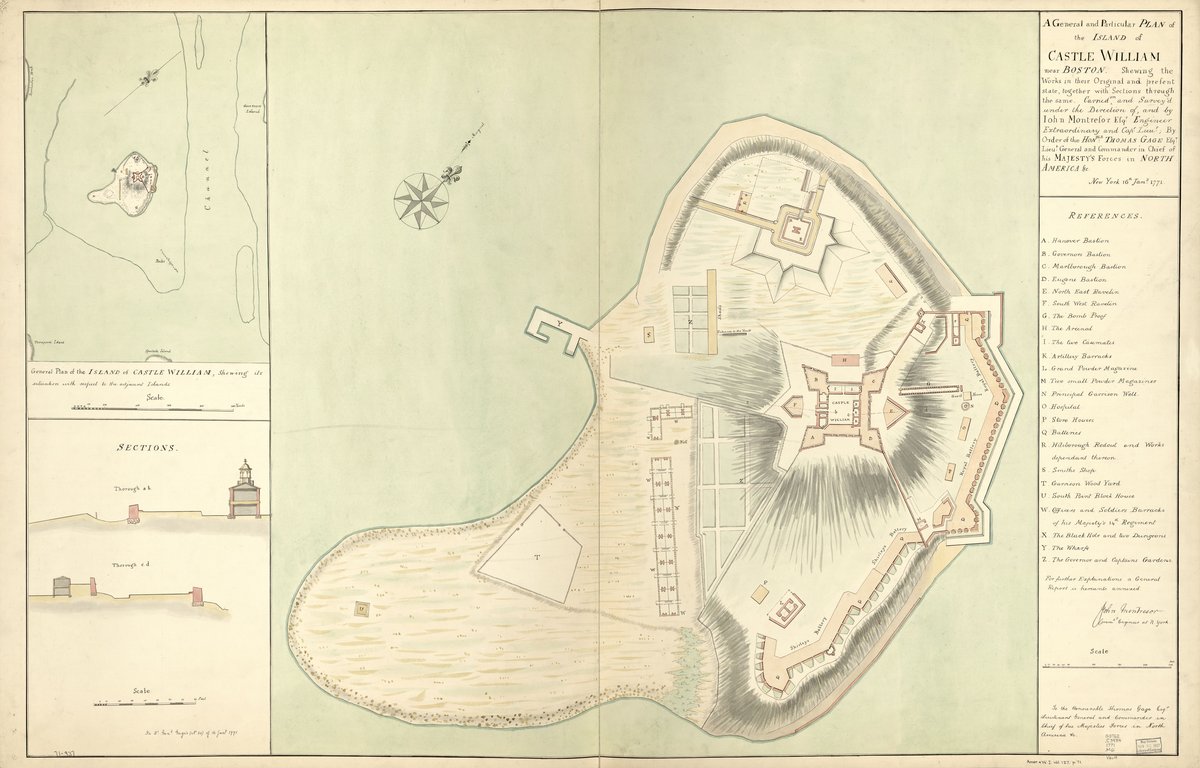
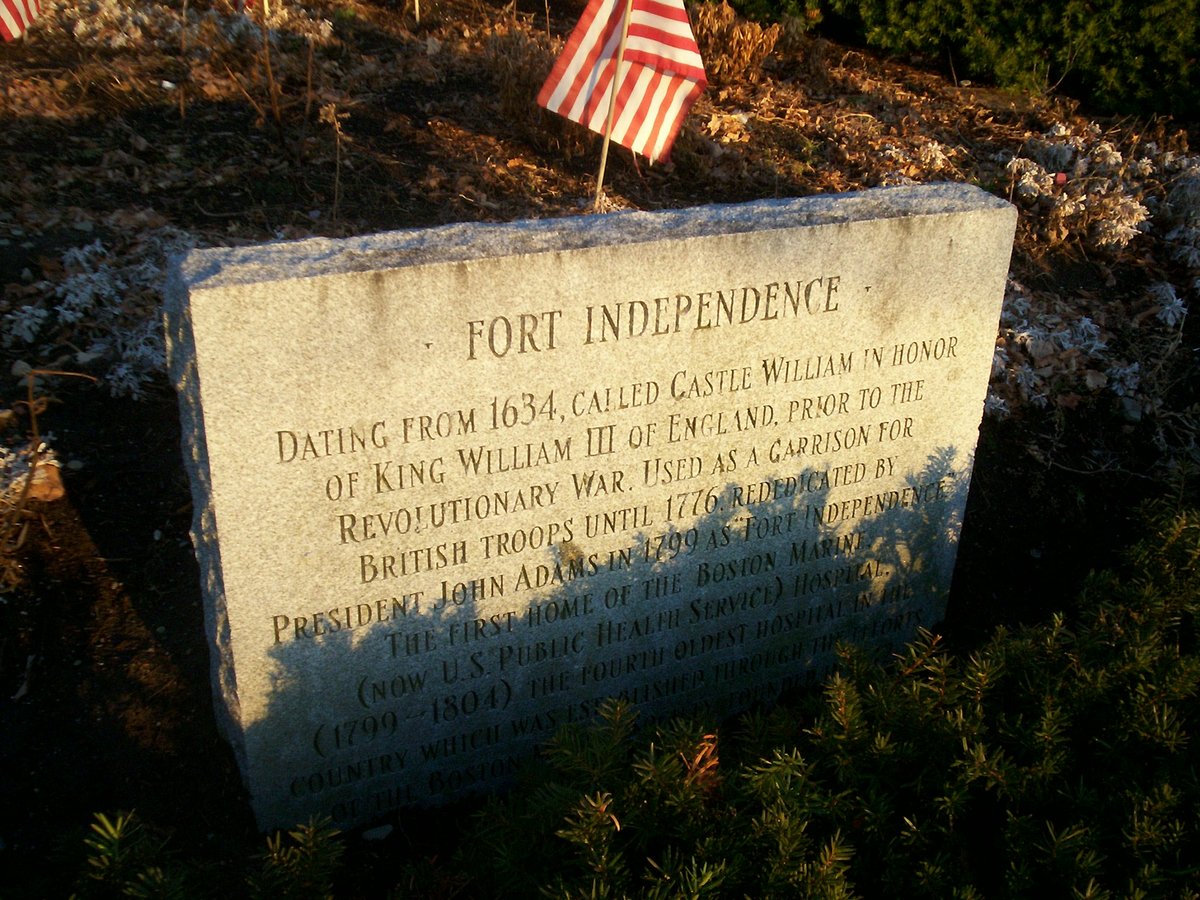
The story of Castle Island begins in 1634, not long after the Puritan settlement of Boston. Recognizing the strategic importance of the harbor, colonists erected a simple earthen fort on the island, then known as "Castle Island" due to its occasional isolation during high tide. This early fortification, dubbed "The Castle," marked the beginning of the island's military significance.
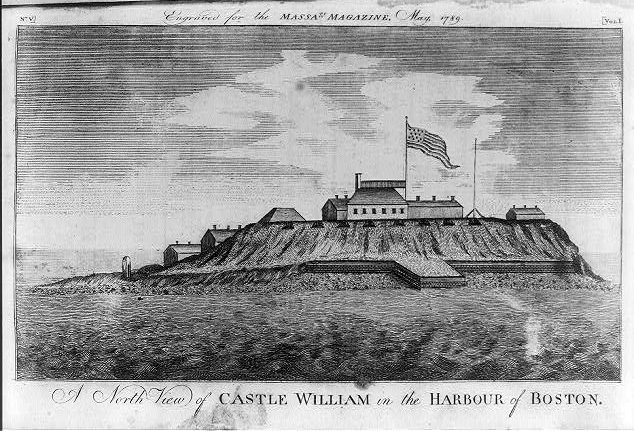
Over the next century, the fort underwent several transformations. In 1644, it was rebuilt using sturdier timber and renamed "Castle William" in honor of King William III. However, the unforgiving New England weather and the ever-shifting sands of the harbor necessitated continuous repairs and upgrades.
A Fortress Rises - Fort Independence (1775-1806)
The American Revolution marked a turning point for Castle Island. In 1775, as tensions with Great Britain escalated, both British and colonial forces recognized the fort's strategic value. After the British evacuation of Boston, colonists took control and demolished Castle William, fearing its vulnerability to British recapture.
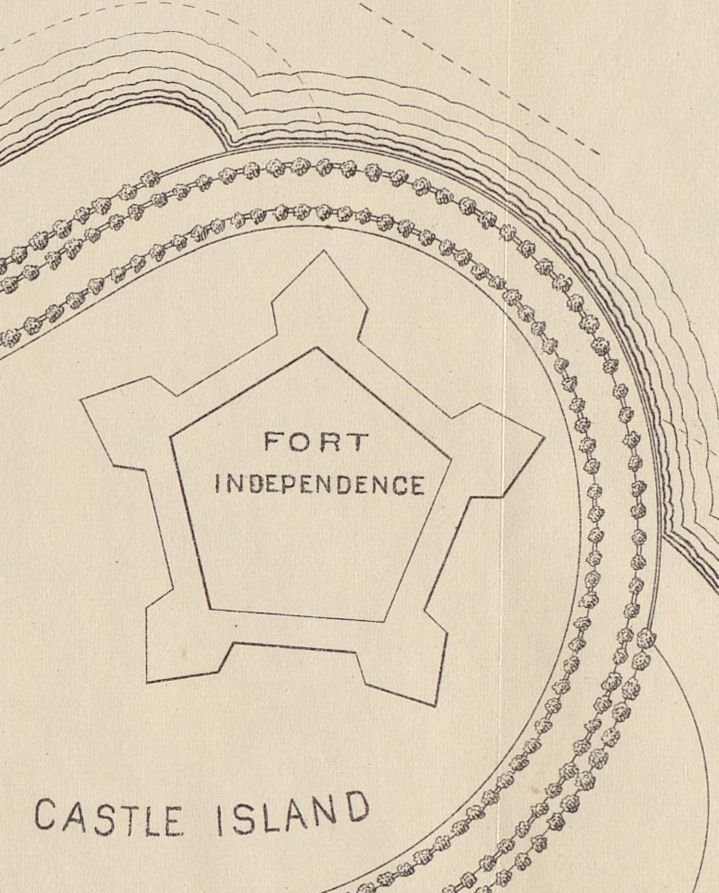
Following the war, construction began on a new, more formidable fortification designed by French engineer Pierre Charles L'Enfant, who would later design Washington D.C. Completed in 1803, this pentagonal granite fortress, named Fort Independence, boasted 39 gun emplacements and a capacity for 1,000 soldiers.
A Shifting Role - From Prison to Public Park (1806-1900)
Throughout the 19th century, Fort Independence's role evolved. During the War of 1812, it served as a vital defense point, though it never saw direct combat. Later, it functioned as a training ground for soldiers during the Mexican-American War and the Civil War.
Beyond its military purpose, the fort also housed a military prison for a period. Notable inmates included Confederate Vice President Alexander Stephens and some Lincoln assassination conspirators.
As the 19th century drew to a close, Fort Independence's military significance waned. In 1898, control of the island transferred from the federal government to the City of Boston, paving the way for its transformation into a public park.
Preservation and Recreation - Castle Island Today
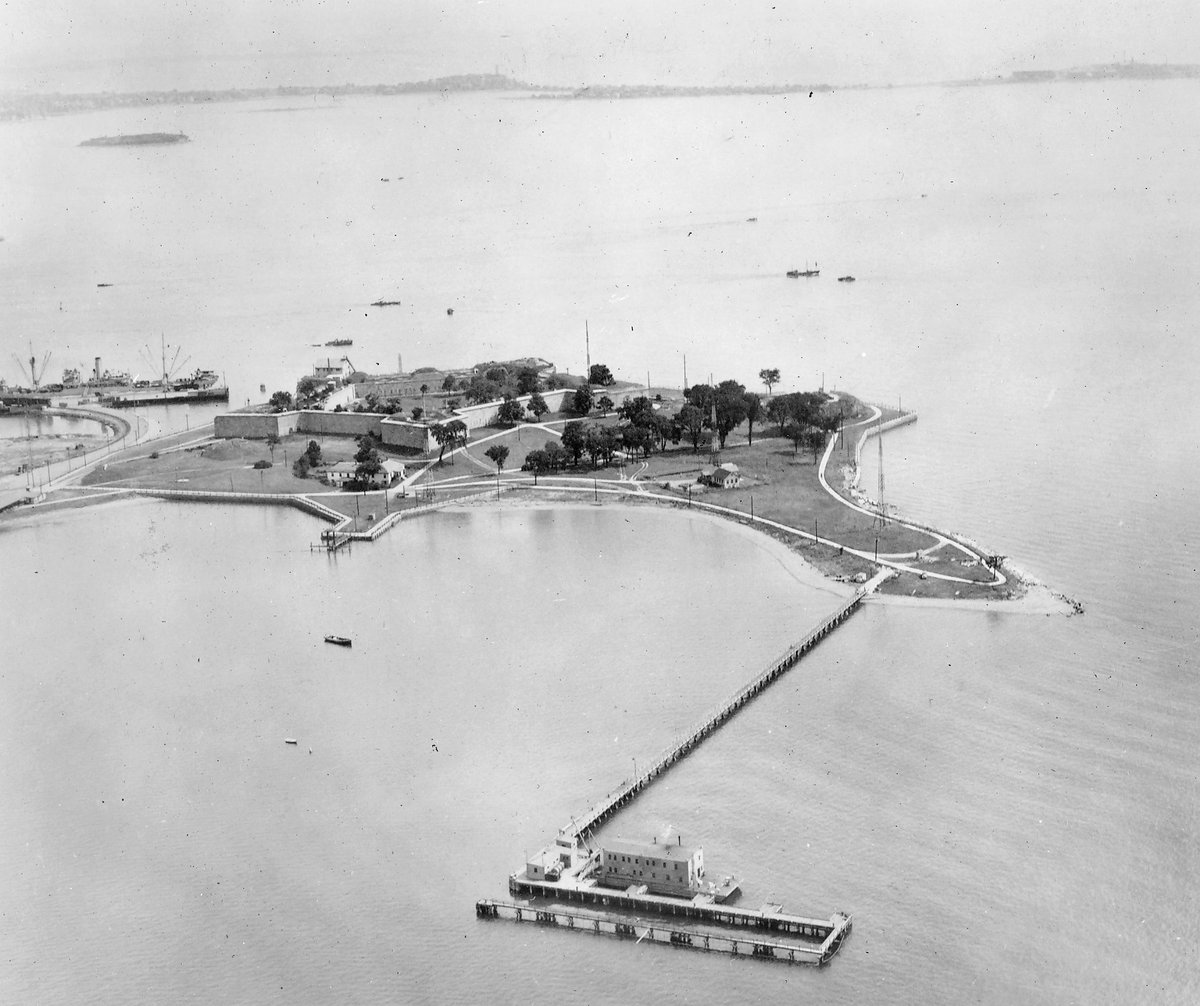
Today, Castle Island stands as a testament to Boston's rich history. Fort Independence, designated a National Historic Landmark, welcomes visitors to explore its granite walls, cavernous rooms, and sweeping views of the harbor.
Beyond the fort, Castle Island offers a range of recreational activities. Visitors can stroll along the paved paths, enjoy a picnic on the grassy lawns, or cool off at Pleasure Bay, a popular swimming spot. The island is also home to Fort Independence Playground, a favorite among families.
Visitor Information
Visiting Hours
Castle Island is open year-round from dawn to dusk, while Fort Independence is open for tours during the summer months.
Tickets
Entrance to Castle Island and Fort Independence is free, but donations are appreciated. Guided tours may have a small fee.
Travel Tips
Parking is available on-site but can fill up quickly on weekends. Public transportation options include taking the MBTA bus to the nearby South Boston area.
Accessibility
The park is wheelchair accessible, and there are paved paths suitable for strollers and wheelchairs.
Nearby Attractions
After visiting Castle Island, explore other nearby historical sites such as the Boston Tea Party Ships & Museum, the USS Constitution Museum, and the Freedom Trail.
Special Events and Guided Tours
Castle Island hosts various events throughout the year, including historical reenactments, family-friendly activities, and seasonal celebrations. Guided tours of Fort Independence offer a deeper dive into its fascinating history.
Photographic Spots
For photography enthusiasts, Castle Island provides plenty of opportunities to capture stunning views of Boston Harbor and the historic Fort Independence. Sunset views from the fort are particularly breathtaking.
FAQ
Q - Are pets allowed on Castle Island?
A - Yes, pets are allowed on Castle Island, but they must be kept on a leash.
Q - Is there food available on the island?
A - Yes, there are seasonal food vendors on Castle Island. Visitors can also bring their own picnic.
Q - Are there restrooms available?
A - Yes, restrooms are available on site.
Tickets & tours.
These are guided options from our partners — same price as booking direct.
Prices are indicative — final pricing and availability are confirmed at checkout. Audiala may earn a commission from bookings made through these links.
Listen to the full story in the app
The whole Fort Independence,
told well.
Audio guides for 1,100+ cities across 96 countries. History, stories, and local insight — offline ready.
Verified, and shown.
Researched and written by the Audiala editorial team from historical records, architectural archives, and local expertise.
Researched from Wikidata, Wikipedia & official sources · fact-checked · How we make our guides →