What Fenway Station Is
Fenway Station is an MBTA Green Line D branch stop in Boston’s Fenway–Kenmore neighborhood. It connects visitors with Fenway Park, museums, educational and research institutions, and the Emerald Necklace park system. Its surface-level platforms and location make it a useful transit link for students, professionals, residents, and visitors.
For general information, see the MBTA website, Fenway Station Information, The Fenway, and the Fenway Cultural District.
History and Urban Development
Boston’s transit history includes the Tremont Street Subway, which opened in 1897 as the first subway in North America (Celebrate Boston). The Green Line is a descendant of this early infrastructure.
The Fenway neighborhood developed on reclaimed marshland after the 1873 annexation of land from Brookline. Landscape architect Frederick Law Olmsted designed the Emerald Necklace park system (The Fenway).
Fenway Station was constructed in the mid-20th century and opened on July 4, 1959, as part of efforts to modernize transit and serve postwar population growth. The D branch’s conversion from a commuter rail right-of-way to light rail reflects those changes. The station’s utilitarian design prioritizes accessibility and function, with continued upgrades to safety, signage, and lighting.
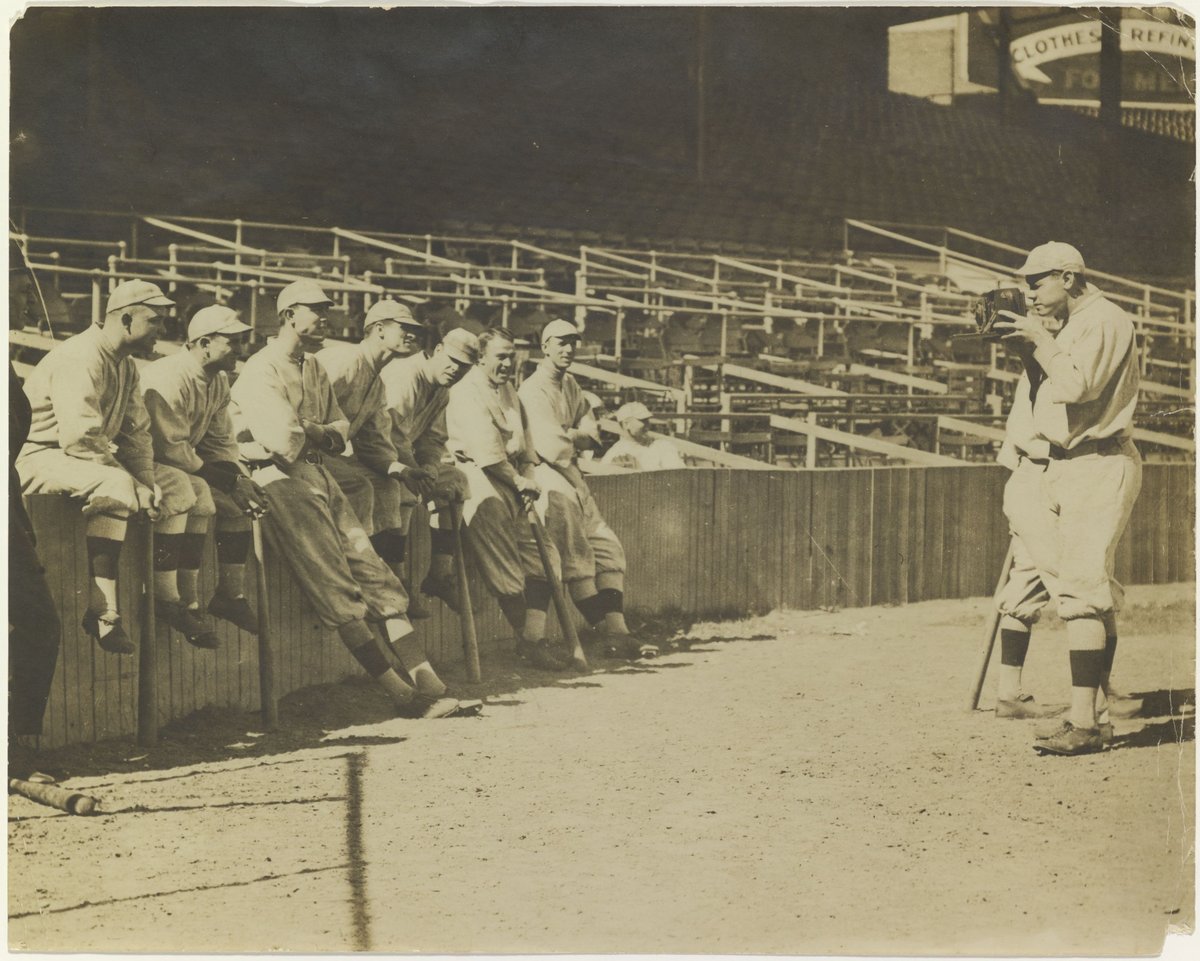
The station has supported the Fenway–Kenmore area’s growth as a mixed-use community with local businesses, arts institutions, and residential developments. Nearby institutions include Boston University and the Longwood Medical Area (Fenway Alliance). Fenway Park, the oldest active Major League Baseball stadium, opened in 1912 (Facts.net).
The station’s role has continued alongside Boston’s urban renewal, including the Central Artery and the Big Dig. Nearby redevelopment projects include Fenway Triangle, 1330 Boylston, and Van Ness (The Fenway).
What to See
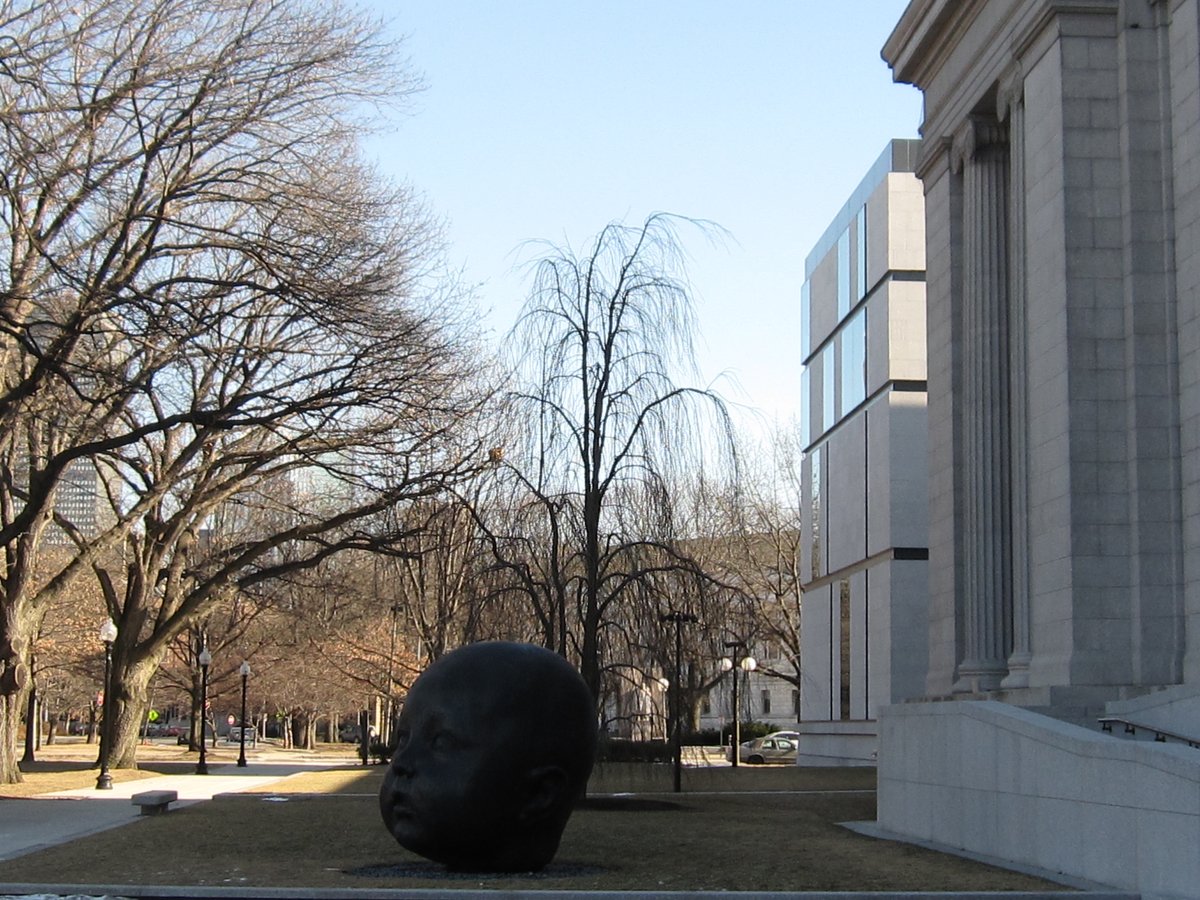
Fenway Station provides access to the Fenway Cultural District, designated by the Massachusetts Cultural Council. Nearby arts and music institutions include the Museum of Fine Arts, the Isabella Stewart Gardner Museum, and Boston Symphony Hall. The Fenway Alliance uses the station’s accessibility to promote public art and community events (Fenway Cultural District).
The station is also a route to Fenway Park and the Back Bay Fens. The walk toward the ballpark passes the parklands and historic brownstones, ending at the stadium’s iconic façade. During citywide festivals and Red Sox game days, performers and vendors contribute to the neighborhood’s busy atmosphere.
Visiting Information
Hours and Fares
Fenway Station operates daily in line with the Green Line D branch, typically from approximately 5:00 AM to 1:00 AM. Service times can vary on holidays and during special events; check the MBTA Green Line Schedule or MBTA schedules for current details.
The fares listed for 2025 are:
- CharlieCard $2.40 per ride; reloadable and offering discounted fares.
- CharlieTicket $2.90 per ride; available for single trips or day passes.
- Monthly passes / LinkPass An option for frequent or extended visits.
- Mobile ticketing The MBTA app offers ticketing and real-time updates. CharlieCards or CharlieTickets can also be purchased at the station or through the app.
See MBTA Fares for fare details.
Accessibility and Station Layout
Fenway Station is described as fully ADA-compliant, with step-free access via ramps, tactile warning strips, Braille signage, automated announcements, benches, and protective canopies (MBTA Accessibility). Walking routes to Fenway Park include curb cuts and audible signals.
The station has two entrances:
- Park Drive Entrance The main access point, near Landmark Center; it has step-free access and bike racks.
- Miner Street Entrance A secondary access point, convenient for visitors coming from Riverway parklands.
Both entrances are clearly marked and provide step-free access (Wikipedia).
Getting to Fenway Park
From the Park Drive exit, head north, cross the Riverway, turn left onto Brookline Avenue, and continue to Jersey Street, the main Fenway Park entrance. The walk is about 0.5 miles and takes approximately 10–12 minutes (MBTA Visitor Guide).
On game days, Fenway Station offers a less-crowded alternative to Kenmore for reaching the stadium.
Fenway Park Hours, Tickets, and Accessibility
- Game days Gates open about 90 minutes before first pitch.
- Non-game days Guided tours run daily from 10:00 AM–4:00 PM; check Fenway Park Tours for details.
- Special events Hours may vary for concerts and other events.
- Tickets Game and tour tickets are available through the Boston Red Sox website or authorized sellers.
- Accessibility Fenway Park offers accessible seating and services (Fenway Park Accessibility Guide).
Connections and Transit
Fenway Station is on the Green Line D branch. The B and C branches connect at Kenmore, and the E branch connects at Copley. Bus routes serving the area include 8, 19, 47, 55, 57, 60, 65, CT1, CT2, and CT3 (Our Vacationing Life).
Lansdowne Station, on the Framingham/Worcester Line, is nearby and within walking distance of Fenway Park. The area is pedestrian- and bike-friendly. Use the MBTA Trip Planner for routes.
Visitor Tips
- Arrive early before events to avoid crowds.
- Purchase CharlieCards or tickets in advance, or use the MBTA app.
- The station is monitored by security cameras; MBTA Transit Police and emergency call boxes are present.
- Protective canopies provide shelter, and indoor spaces such as Landmark Center are nearby in severe weather.
- Parking nearby is limited and expensive. Consider parking at suburban MBTA stations (Nannybag).
- For Fenway Park games or popular tours, buy tickets early and use the official platform to avoid scams.
- Weekday mornings and early afternoons are suggested off-peak times for photography.
Nearby Places
Nearby destinations include the Longwood Medical Area, Museum of Fine Arts, Isabella Stewart Gardner Museum, Emerald Necklace parks, Back Bay Fens, and Boston Symphony Hall. The Mapcarta listing provides a map of nearby attractions.
Kenmore Station is another nearby transit option for Fenway Park, and Lansdowne Station provides Commuter Rail access.
Frequently Asked Questions
What are Fenway Station’s operating hours?
Approximately 5:00 AM–1:00 AM daily. Check MBTA schedules for updates.
How much are tickets?
The listed 2025 fares are $2.40 with a CharlieCard and $2.90 with a CharlieTicket. See MBTA Fares.
Is Fenway Station accessible for people with disabilities?
Yes. It is described as fully ADA-compliant, with step-free access, ramps, tactile strips, and Braille signage.
How do I get to Fenway Park from the station?
It is about a 10–12 minute walk via Park Drive, Brookline Avenue, and Jersey Street.
Are there guided tours related to Fenway Station?
The station does not offer tours, but Fenway Park provides guided tours (Fenway Park Tours).
Is there parking at Fenway Station?
Parking nearby is limited and expensive; public transit is recommended.