Plan and listen to Charles Street Jail with Audiala.
Audio guide in your pocket, itinerary in your browser. Built for the way you actually visit.
Introduction to Charles Street Jail Boston: History and Visitor Information
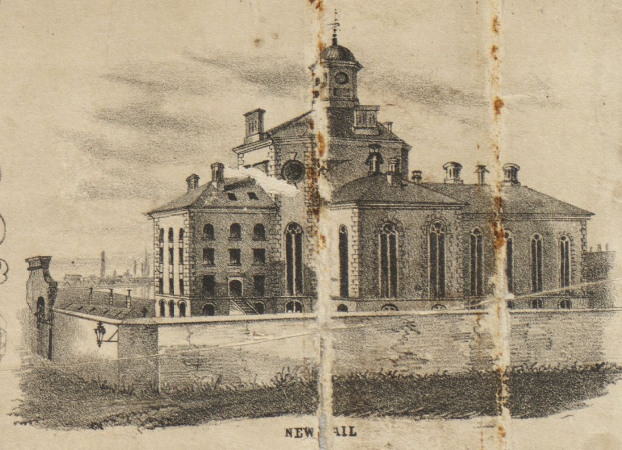
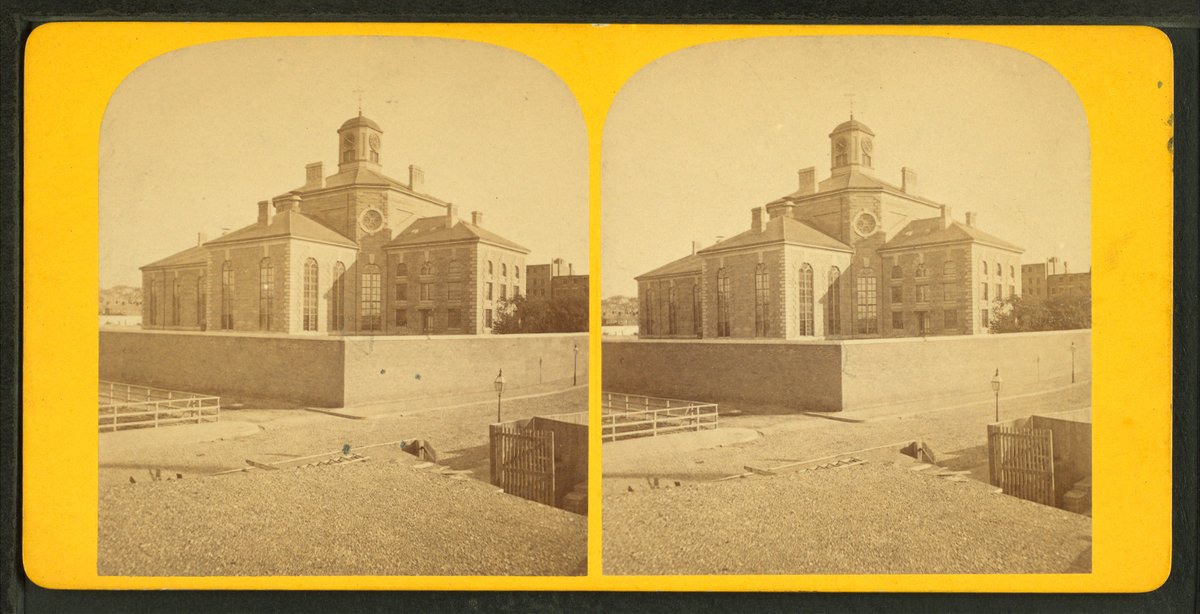
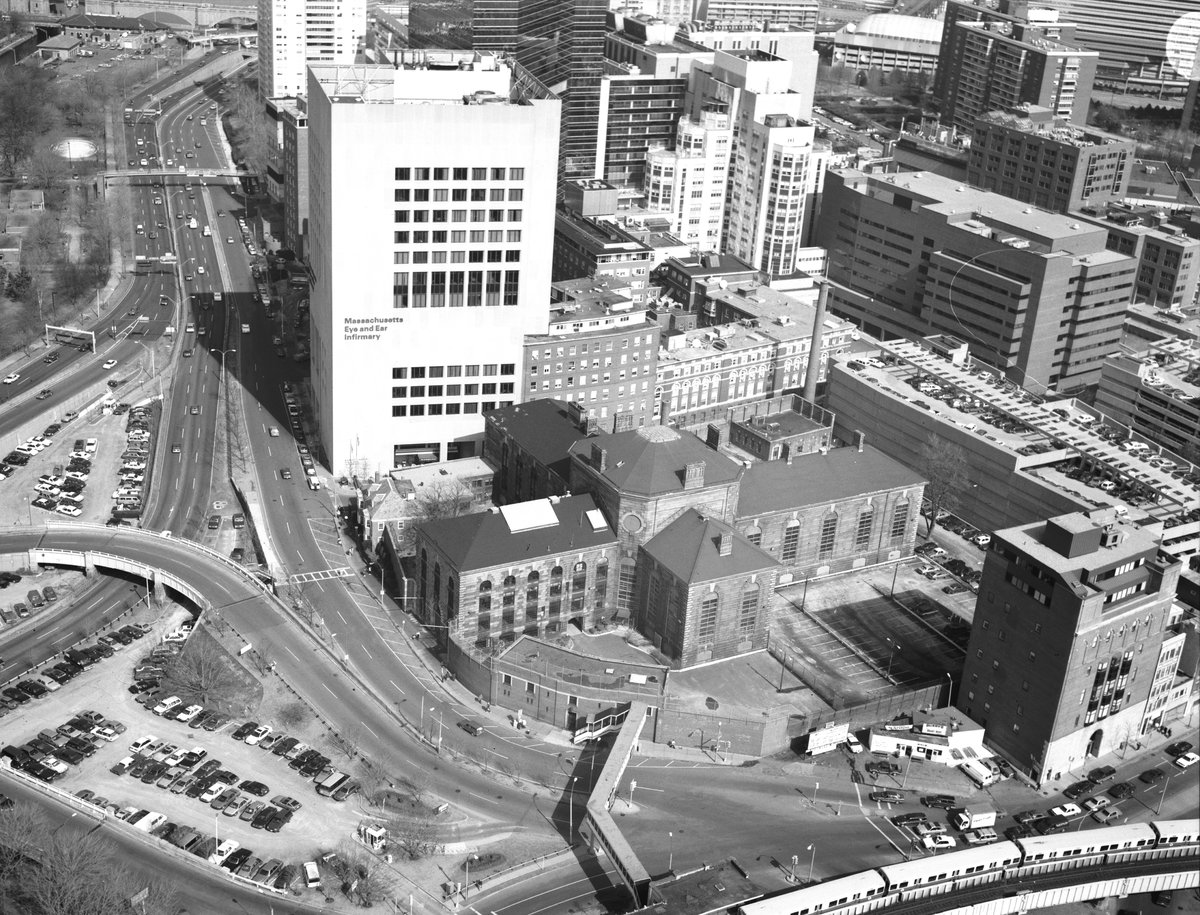
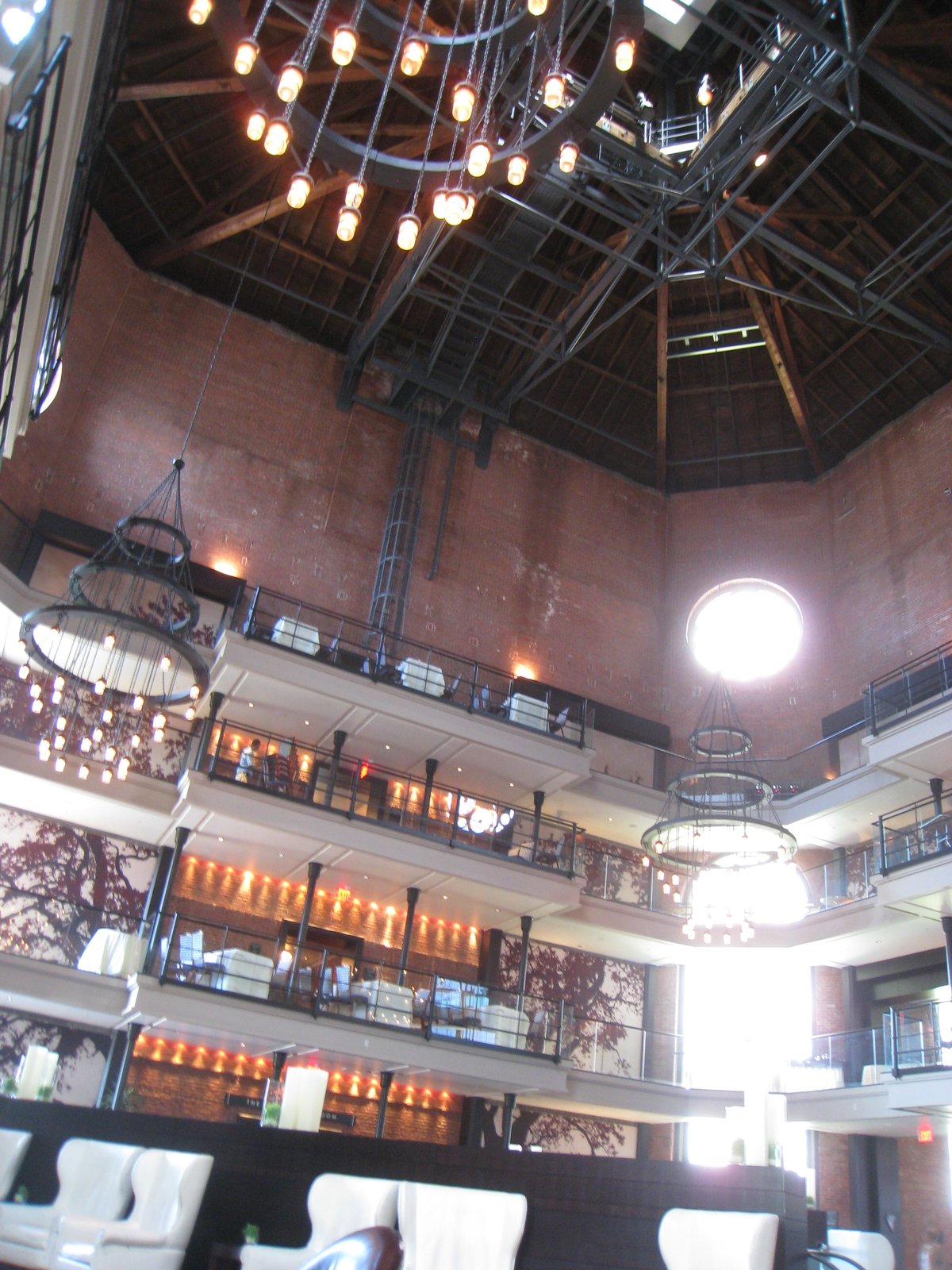
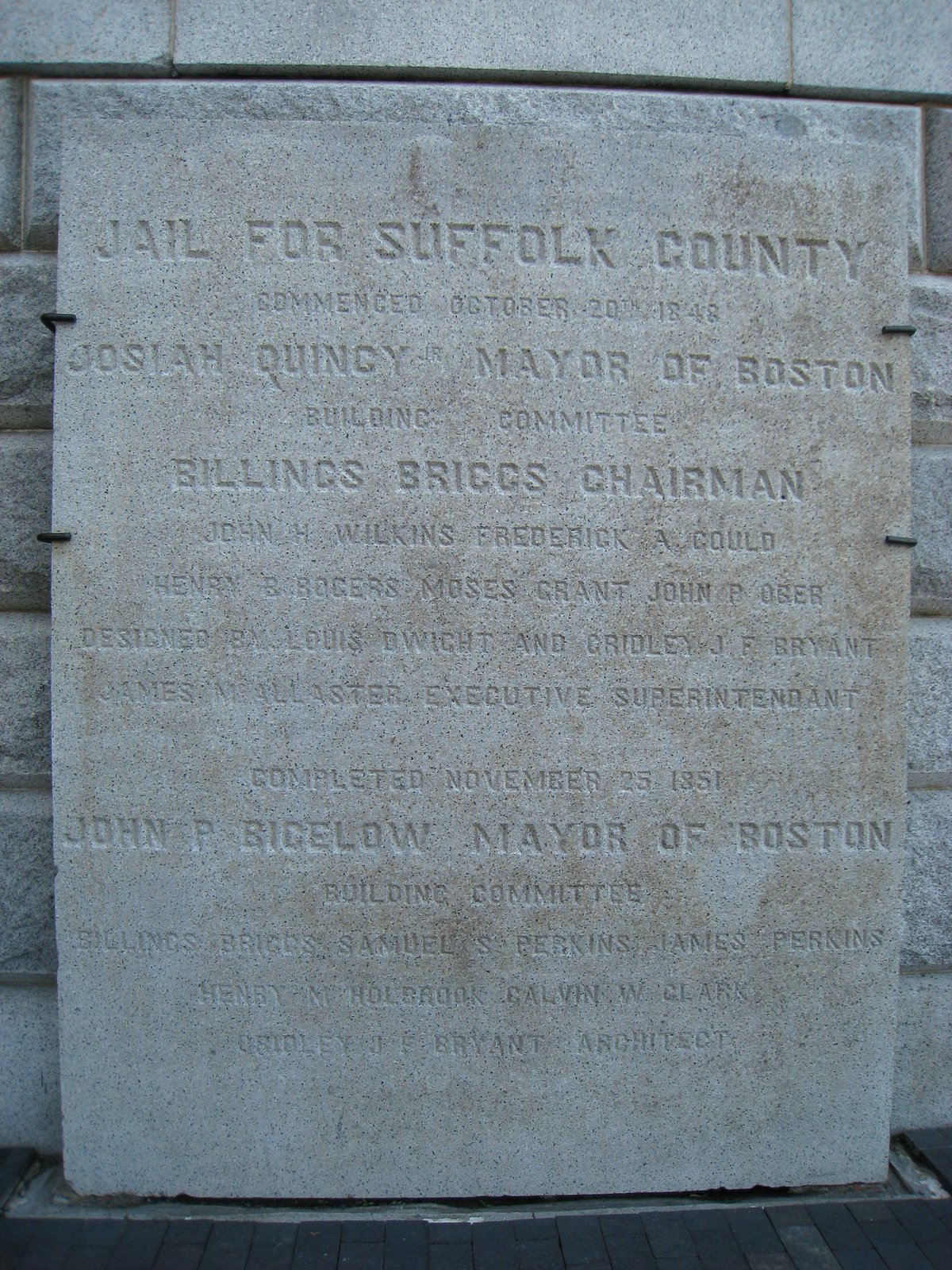
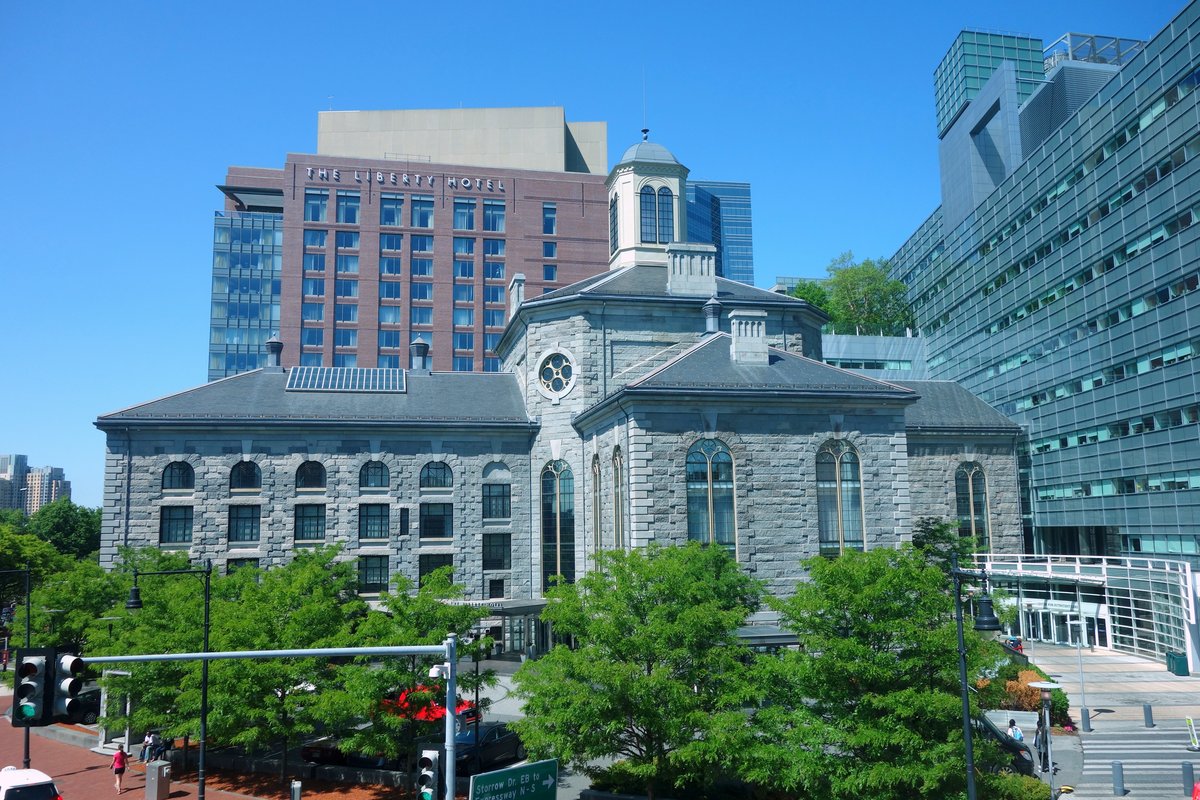
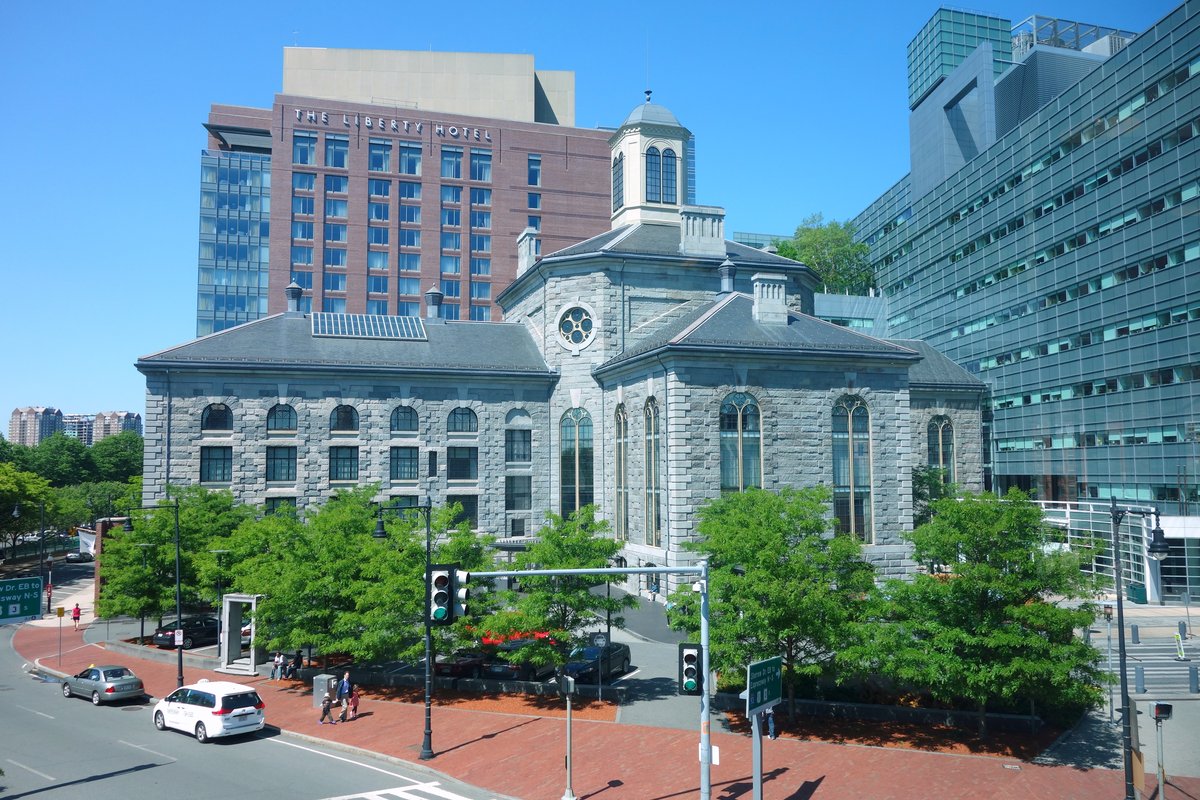
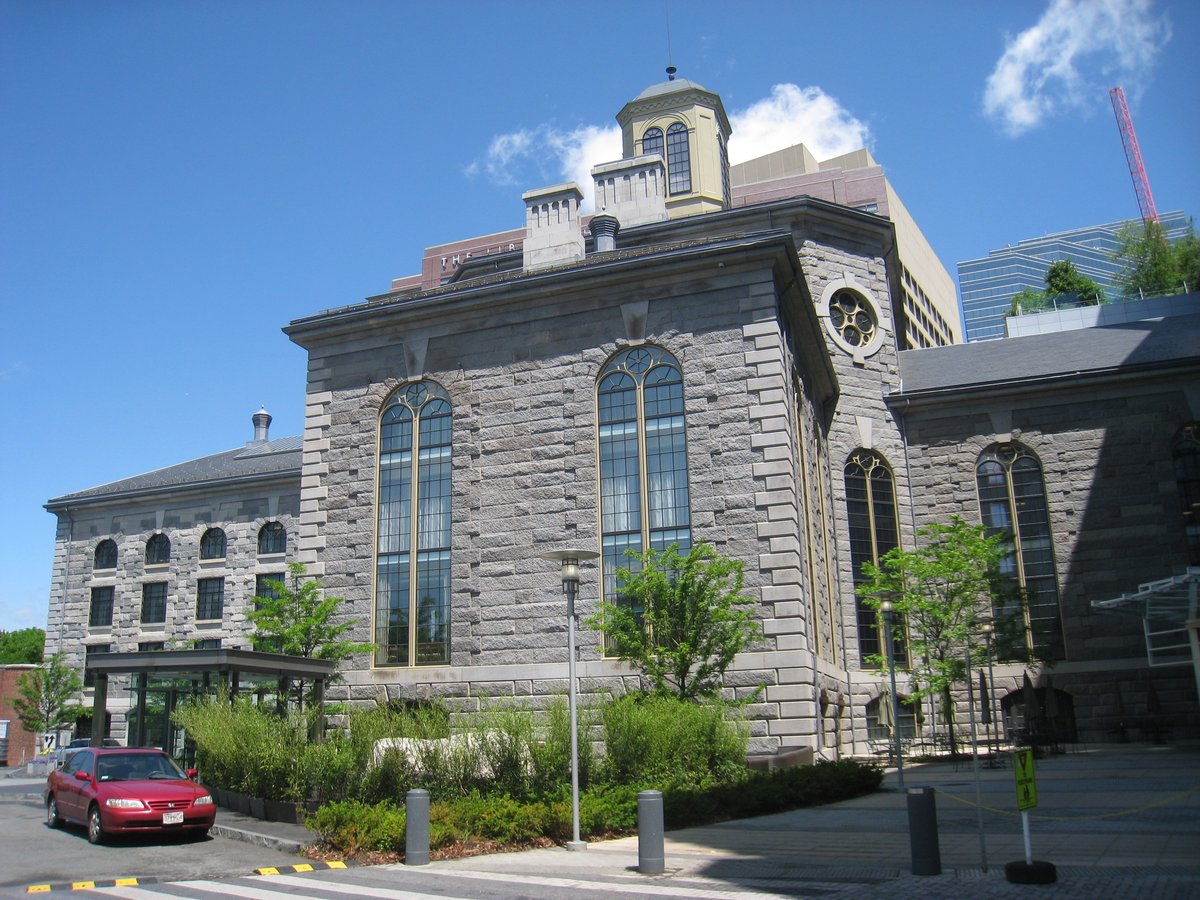
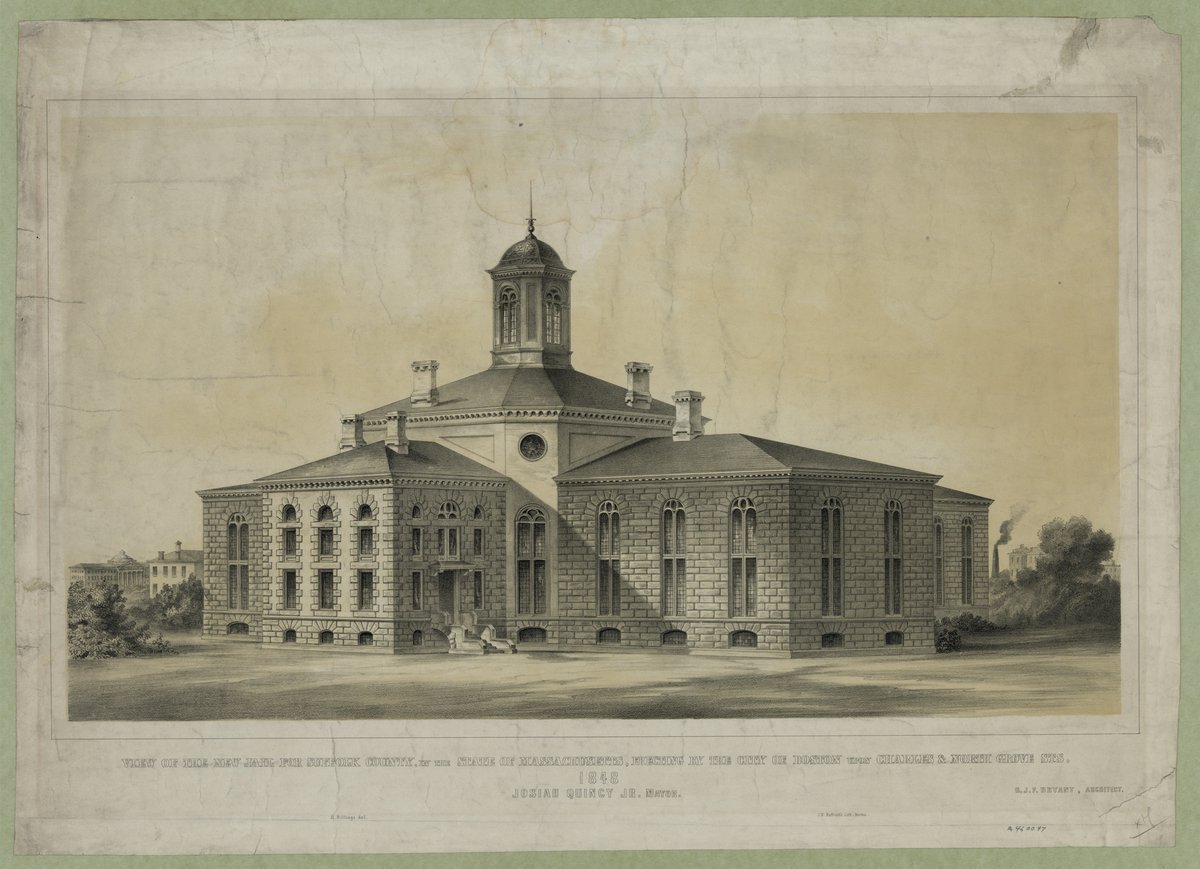
Nestled in Boston’s historic Beacon Hill neighborhood, the Charles Street Jail stands as a remarkable testament to the city's evolving approach to criminal justice, architecture, and urban preservation. First opened in 1851 as the Suffolk County Jail, this formidable granite structure was designed by renowned architect Gridley James Fox Bryant in partnership with prison reformer Reverend Louis Dwight. Their revolutionary vision produced a cruciform layout with a central 90-foot octagonal rotunda inspired by the panopticon model, emphasizing natural light, ventilation, and more humane incarceration—radical concepts for the era (Wikipedia; Beacon Hill Times).
For nearly 140 years, the jail housed a wide-ranging inmate population, from men, women, and children to infamous figures like mobster James “Whitey” Bulger (Beacon Hill Times). Despite its progressive origins, the facility suffered from overcrowding and deteriorating conditions by the mid-20th century, eventually leading to its closure in 1990 after court rulings against its inhumane conditions (West End Museum).
Today, the former jail has been transformed into The Liberty Hotel—a luxury property that preserves the building’s architectural grandeur and offers visitors a unique blend of history and modern comfort. Guests can explore preserved jail cells, the iconic rotunda, and enjoy dining experiences in spaces steeped in history, all just steps from Boston’s top landmarks such as the Massachusetts State House and Boston Common (Liberty Hotel History; AK Next Phase).
This comprehensive guide details everything you need to know about the Charles Street Jail’s storied past, visitor hours, ticketing, accessibility, tours, and tips for making the most of your visit to this iconic Boston historical site.
Origins and Architectural Vision
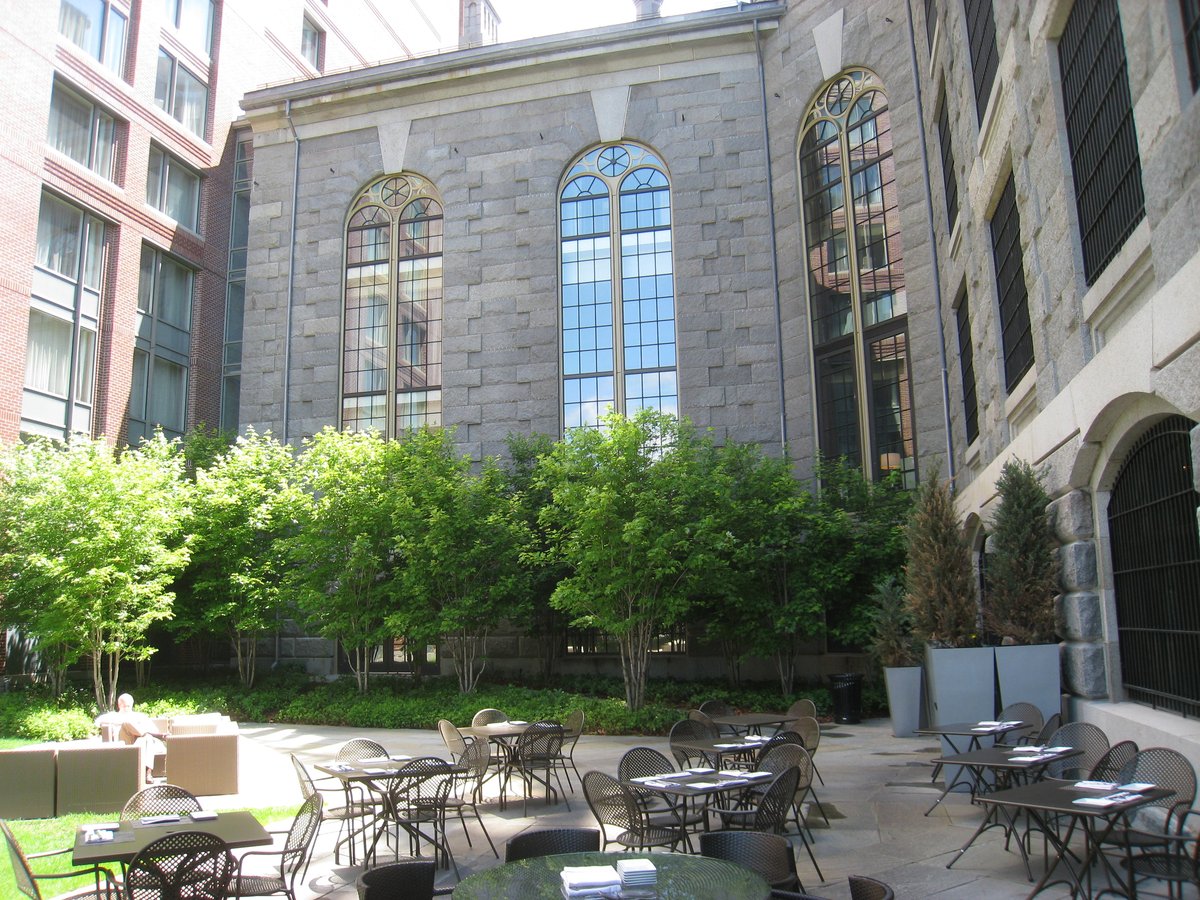
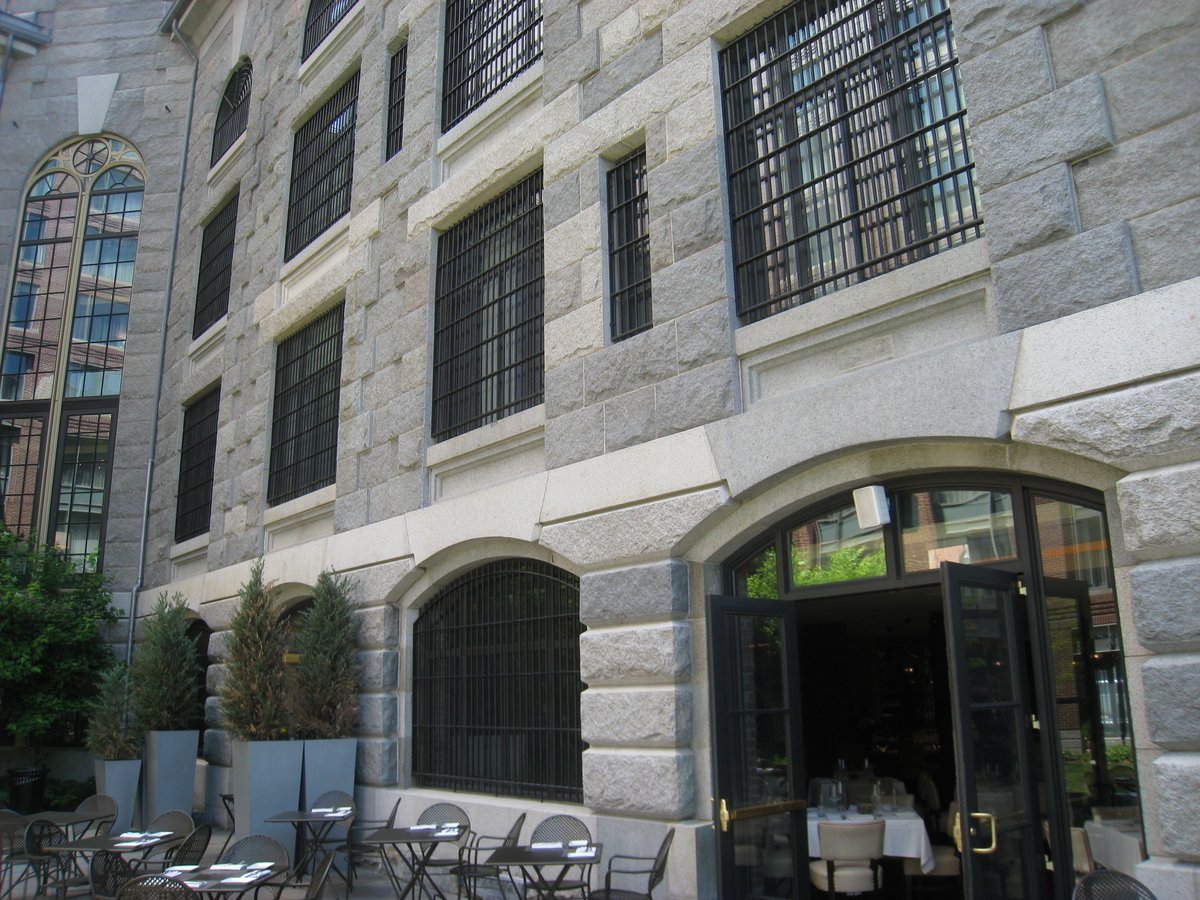
Constructed to replace Boston’s outdated Leverett Street Jail, the Charles Street Jail was initiated after Mayor Martin Brimmer’s 1843 address. Built between 1848 and 1851, the structure’s “Boston Granite Style” features massive Quincy granite blocks and a cruciform layout radiating from a central octagonal rotunda, optimizing natural light and ventilation—core principles of 19th-century prison reform (Wikipedia; AK Next Phase). The design facilitated segregation by gender and offense, and incorporated large windows and high ceilings for improved inmate health.
Early Operations and Reputation
The jail was regarded as a model of enlightened penal philosophy upon opening, housing men, women, and children awaiting trial and serving as a central hub in Boston’s justice system. Amenities included a hospital wing, a bakery, and an auditorium for movies and religious services (Beacon Hill Times).
Notable Inmates and Events
Among the famous inmates was James “Whitey” Bulger, a notorious organized crime figure. While some sources speculate about other high-profile detainees, such as Sacco and Vanzetti, their time at the jail remains unconfirmed (The Boston Day Book). The jail also saw dramatic escapes and riots, including an infamous incident involving Elmer “Trigger” Burke.
Decline, Closure, and Restoration
By the mid-20th century, severe overcrowding, unsanitary conditions, and repeated security breaches marked the jail's decline. In 1973, a court ruling condemned the jail’s inhumane conditions and ordered its closure, but the facility remained in operation until 1990 due to delays in building a replacement (West End Museum; SCSDMA Nashua Street Jail). Following closure, preservation efforts began, and the building was designated a historical landmark in 1980.
After nearly a decade of vacancy, the jail was redeveloped into The Liberty Hotel, which opened in 2007. The project preserved the original granite façade and rotunda, blending historic architecture with modern hospitality (Cambridge Seven: Liberty Hotel; Liberty Hotel History).
Visiting Charles Street Jail Today
Visiting Hours and Tickets
The Liberty Hotel welcomes visitors daily, with public spaces—including the stunning rotunda and catwalks—open from 6:00 AM to 11:00 PM. Guided historical tours are offered every Wednesday at 2:00 PM and last approximately 30 minutes. Tours are complimentary but require advance reservations due to limited group sizes (Liberty Hotel Tours). Access to public areas is free; for private group tours or special events, contact the hotel directly for details.
Accessibility
The Liberty Hotel is fully ADA compliant, offering accessible entrances, elevators, restrooms, and guest rooms. Service animals are welcome, and staff are prepared to assist with specific accessibility needs.
Guided Tours and Special Events
Knowledgeable staff lead guided tours exploring the jail’s architecture, social history, and adaptive reuse. Visitors can view preserved jail cells and interpretation displays. The hotel also hosts special events, such as weekly live music, seasonal curling, and popular New Year’s Eve celebrations (Hayley on Hiatus).
Nearby Attractions and Travel Tips
Situated at 215 Charles Street, the hotel is steps from the Charles River Esplanade, Boston Common, Public Garden, Beacon Hill, and the Massachusetts State House. Public transportation via the Charles/MGH Red Line station offers easy access. Parking is available on-site via valet service for a fee (Marriott).
Photographic Opportunities
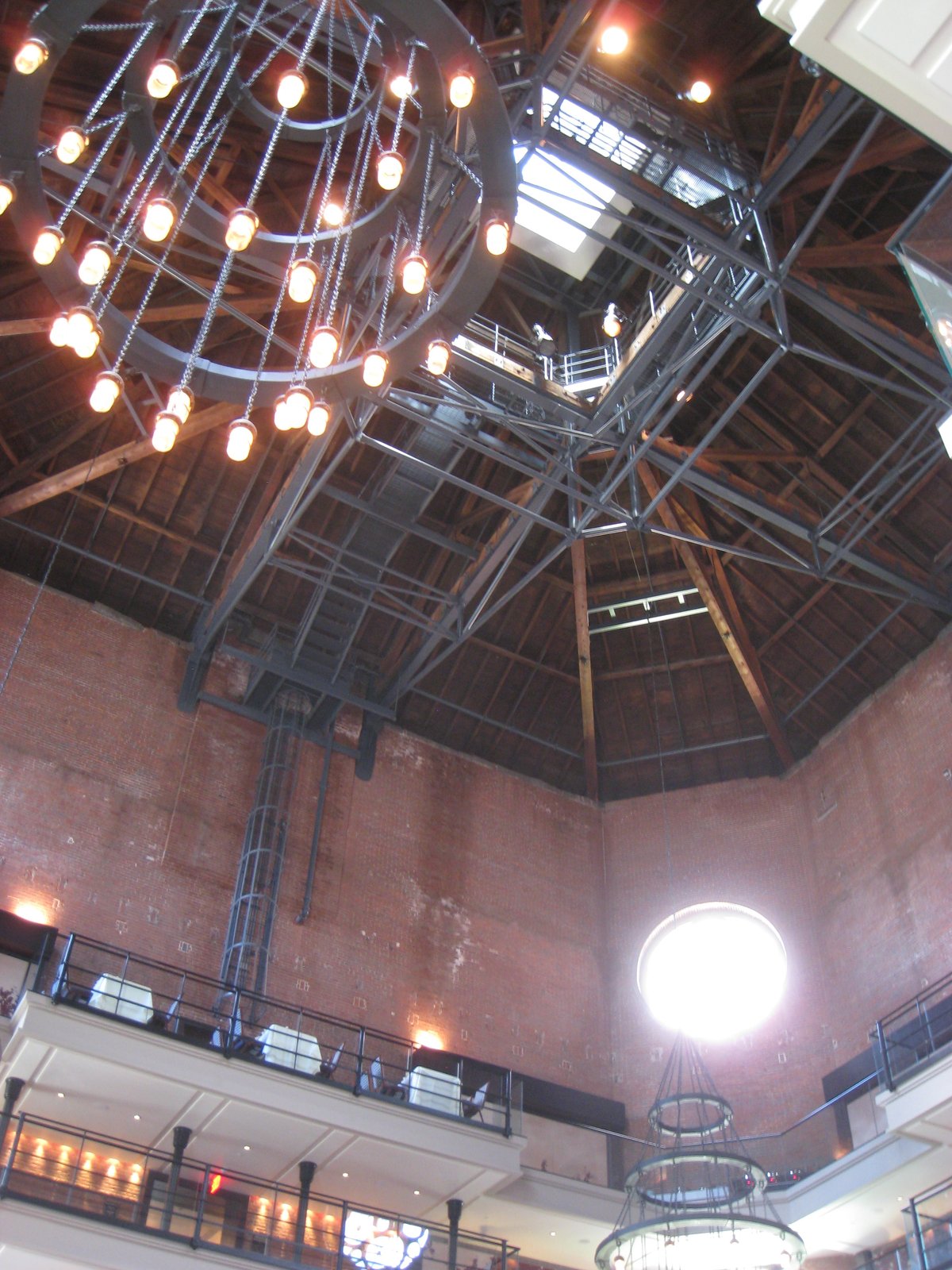
The rotunda lobby, original granite walls, and preserved ironwork offer dramatic photo opportunities. Interpretive displays and artifacts provide further context for history enthusiasts and architecture lovers.
Historical Significance and Legacy
The Charles Street Jail’s innovative design set new standards in correctional architecture and influenced facilities nationwide. Its transformation into The Liberty Hotel is considered a model of adaptive reuse and historic preservation, with numerous awards recognizing the project’s success (Cambridge Seven: Liberty Hotel; Liberty Hotel History). As one of the last surviving structures from Boston’s old West End, the building continues to captivate visitors and locals alike (Beacon Hill Times; Boston.gov).
Frequently Asked Questions (FAQ)
Q: What are the Charles Street Jail visiting hours?
A: Public spaces are open daily from 6:00 AM to 11:00 PM. Guided historical tours are held every Wednesday at 2:00 PM; advance reservation is required.
Q: Are tickets required to visit Charles Street Jail?
A: No tickets are needed for public areas. Historical tours are complimentary but require a reservation.
Q: Is the Liberty Hotel accessible for visitors with disabilities?
A: Yes, the hotel and public areas are fully ADA compliant.
Q: How can I book a guided tour?
A: Reserve through the hotel’s website or concierge. Early booking is recommended.
Q: Can I dine at the Liberty Hotel without staying overnight?
A: Yes, restaurants and bars such as Clink, Scampo, Alibi, and the Lobby Bar are open to all visitors.
Q: Is parking available at the hotel?
A: Valet parking is available for a fee.
Q: Are pets allowed?
A: Yes, pets are welcome, though extra charges may apply.
Plan Your Visit
Experience Boston’s history at the Charles Street Jail—now The Liberty Hotel. Immerse yourself in guided tours, enjoy creative dining in former cell blocks, and explore nearby Boston attractions. Accessibility features ensure all guests can enjoy this heritage site.
Book your guided tour or dining reservation today and discover one of Boston’s most compelling historical landmarks.
Location and Setting
The Liberty Hotel is located at 215 Charles Street, Boston, MA 02114, adjacent to Massachusetts General Hospital and across from the Charles/MGH MBTA Red Line station. This prime location offers easy access to major attractions such as the Charles River Esplanade, Boston Common, and the Public Garden—all within walking distance (BostonBook.org; Marriott).
Architectural Features and Ambience
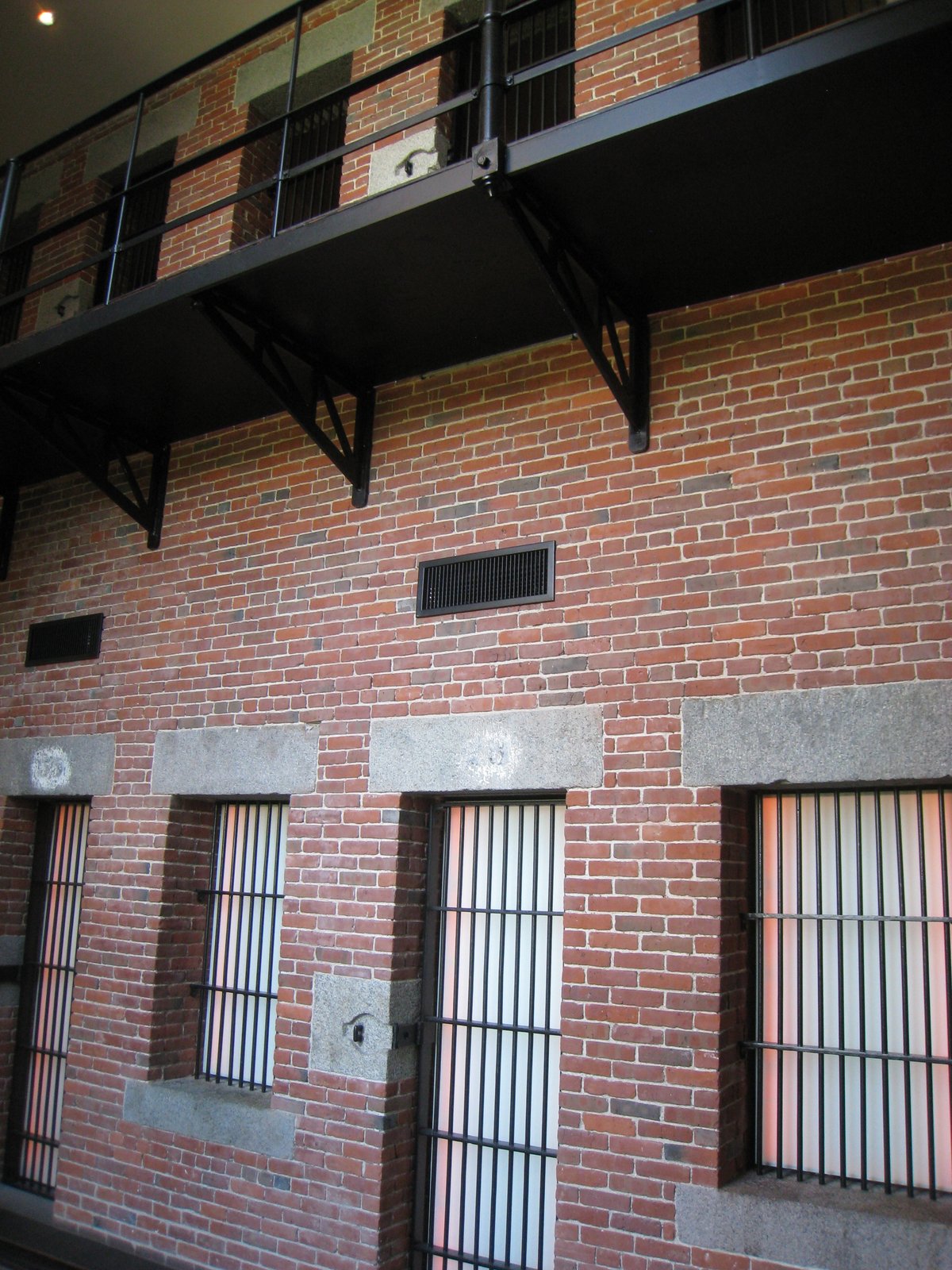
The hotel preserves the original 1851 granite structure, showcasing the cruciform design, dramatic rotunda, and multi-level catwalks. Many original details—including cell bars and ironwork—remain visible, blending 19th-century architecture with contemporary luxury (Boston Preservation Alliance; BostonBook.org).
Accommodation, Dining, and Amenities
- Rooms: Modern, spacious accommodations, many with panoramic city or river views (Travel on Points).
- Dining:
- Clink: Modern American cuisine in a setting with exposed brick and original jail bars.
- Scampo: Creative Italian dining.
- Alibi: Lively cocktail bar housed in the former drunk tank.
- Lobby Bar: Social hub in the rotunda.
- The Catwalk: Exclusive lounge for hotel guests (Booking.com).
- Amenities: Fitness center, seasonal bicycle rentals, yoga classes, curling in winter, pet-friendly policies, meeting/event spaces, and valet parking (Marriott).
- Accessibility: Wheelchair-accessible entrances, elevators, and guest rooms.
Visitor Tips
- Reserve tours and dining in advance.
- Arrive early for check-in to avoid peak crowds.
- Use public transit to save on parking.
- Explore all public spaces, including the rotunda and catwalks.
- Check the event calendar for special happenings.
Nearby Attractions
- Beacon Hill: Historic streets, boutique shops, and restaurants.
- Charles River Esplanade: Scenic riverfront for jogging and biking.
- Boston Common & Public Garden: Iconic green spaces.
- Museum of Science: Family-friendly, nearby.
- Faneuil Hall & Quincy Market: Shopping and entertainment.
Listen to the full story in the app
The whole Charles Street Jail,
told well.
Audio guides for 1,100+ cities across 96 countries. History, stories, and local insight — offline ready.

Verified, and shown.
Researched and written by the Audiala editorial team from historical records, architectural archives, and local expertise.
Researched from Wikidata, Wikipedia & official sources · fact-checked · How we make our guides →