Plan and listen to Brook Farm with Audiala.
Audio guide in your pocket, itinerary in your browser. Built for the way you actually visit.
Introduction
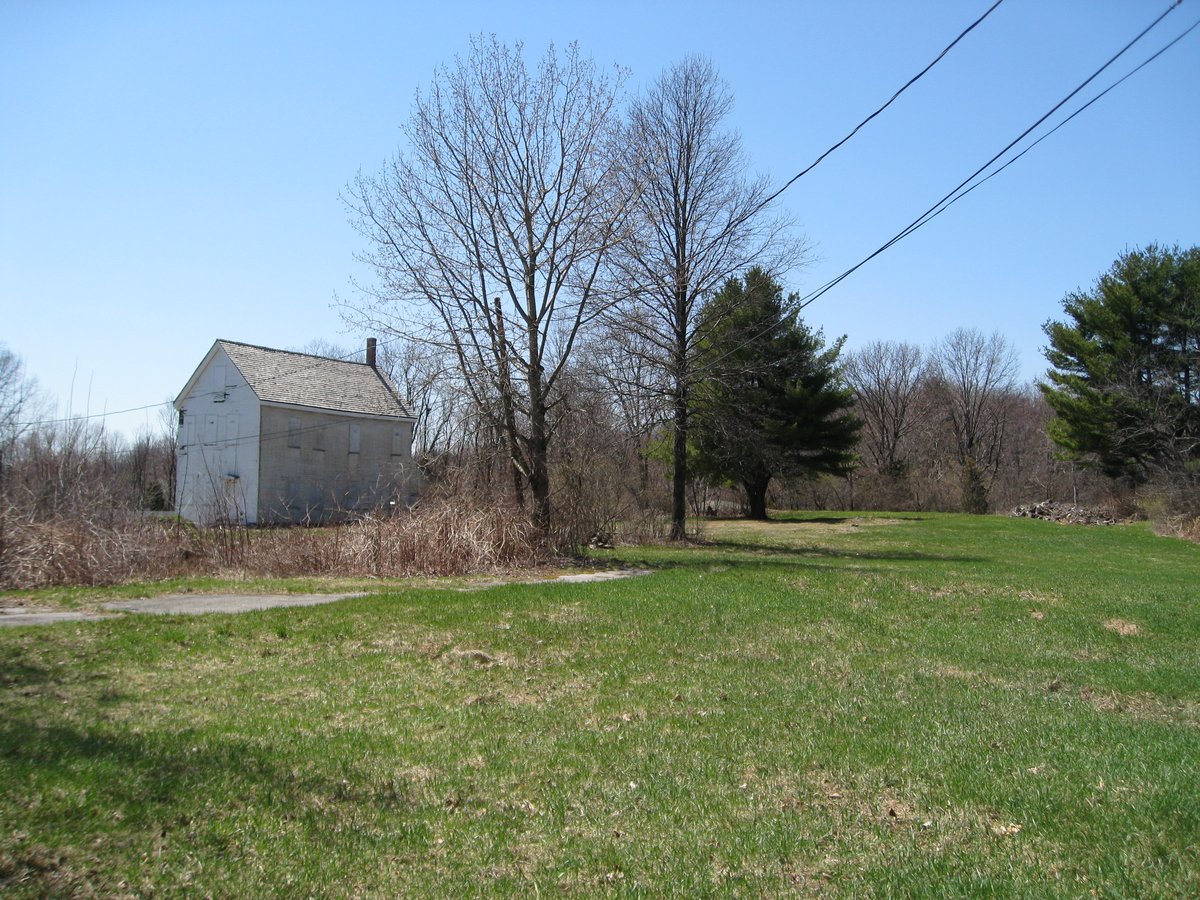
Located in Boston’s West Roxbury neighborhood, Brook Farm is one of Massachusetts’s most fascinating historical sites. Established in 1841 as a utopian community inspired by Transcendentalist ideals, Brook Farm welcomes visitors to explore both its storied past and its tranquil meadows, woodlands, and wetlands. Today, the site is managed by the Massachusetts Department of Conservation and Recreation (DCR) and preserved by organizations like New Brook Farm, Inc. Whether you are a history enthusiast, student, or nature lover, this guide provides comprehensive details on Brook Farm visiting hours, ticketing, accessibility, tours, and nearby attractions—plus practical tips to help you get the most out of your experience.
For up-to-date details and planning resources, see the Massachusetts Department of Conservation and Recreation, New Brook Farm, Inc., and Boston.gov’s Archaeological Site page.

Indigenous and Early Colonial History
Long before the arrival of European settlers, Brook Farm’s land was cared for by the Massachusett Tribe at Ponkapoag for thousands of years (Boston.gov). Archaeological discoveries reveal a deep Native American heritage. In the 1600s, colonists established a working farm on this land, setting the stage for its later transformations.
The Transcendentalist Utopian Experiment (1841–1847)
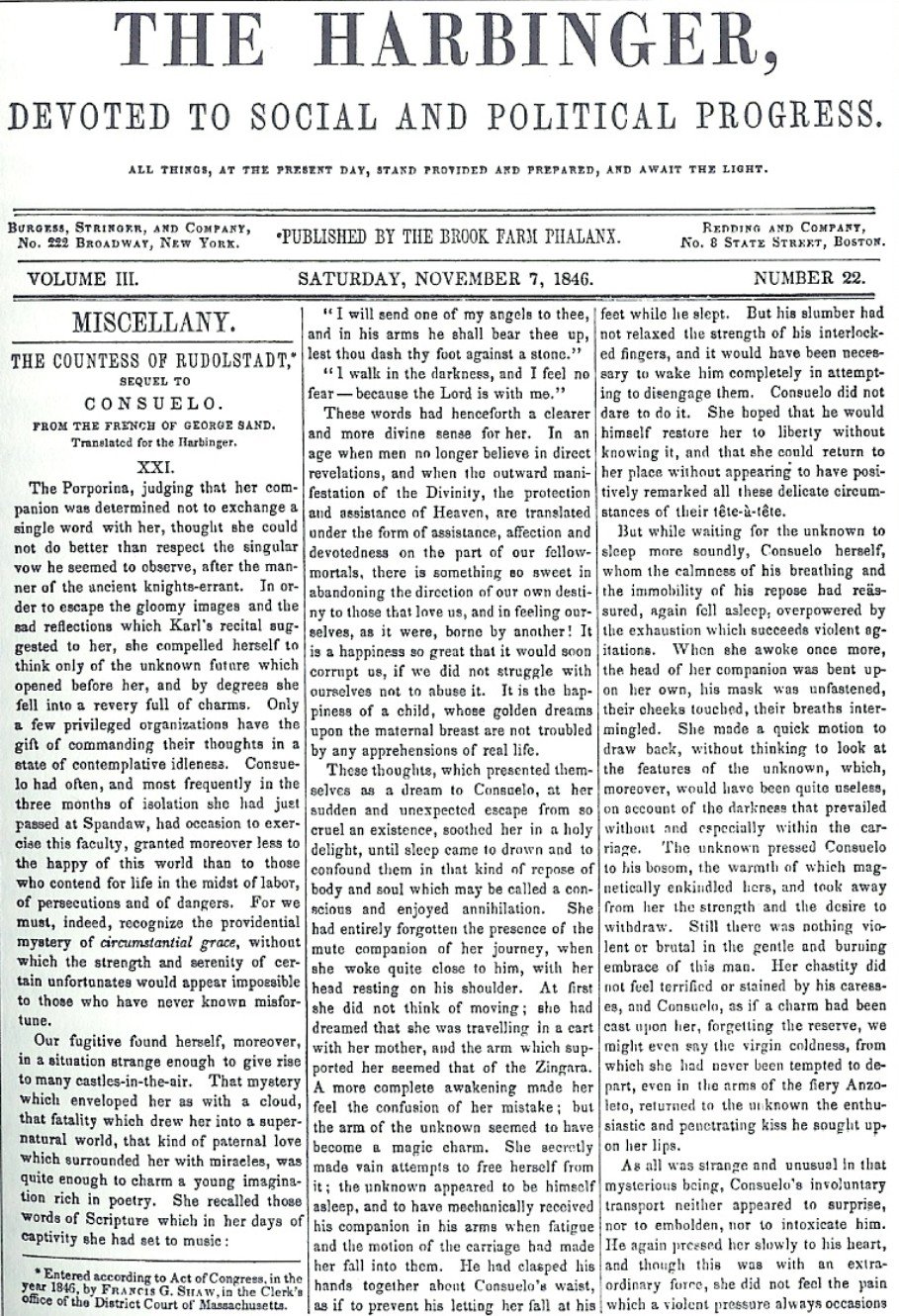
George and Sophia Ripley founded Brook Farm as the “Brook Farm Institute for Education and Agriculture” in 1841. Inspired by the Transcendentalist movement, the community aimed to balance intellectual pursuits with manual labor, emphasizing gender equality and cooperative living. Residents included notable literary and philosophical figures such as Nathaniel Hawthorne, Margaret Fuller, and Charles A. Dana (New Brook Farm; New Religious Movements). Hawthorne’s experience at Brook Farm influenced his novel The Blithedale Romance.
Shift to Fourierism and the Phalanstery
In 1844, Brook Farm embraced Fourierism, a socialist philosophy, and began constructing a communal “phalanstery.” A fire in 1846 destroyed the nearly completed building, contributing to the community’s eventual dissolution in 1847 (New Religious Movements).
Post-Utopian Uses and Social Service Era
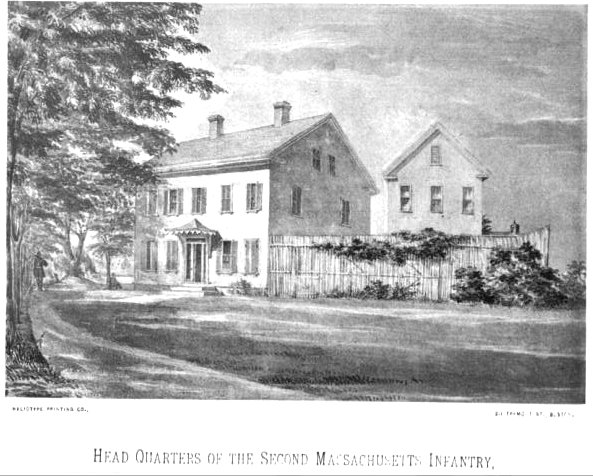
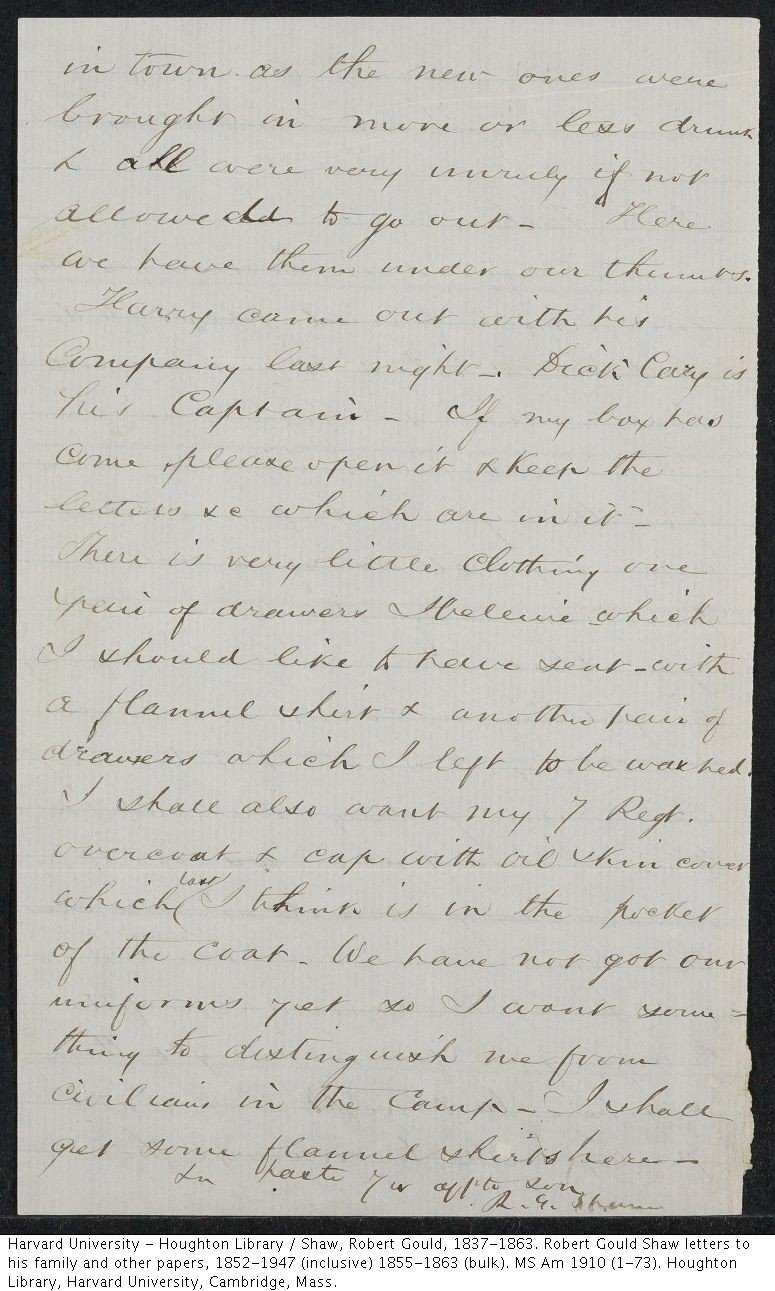
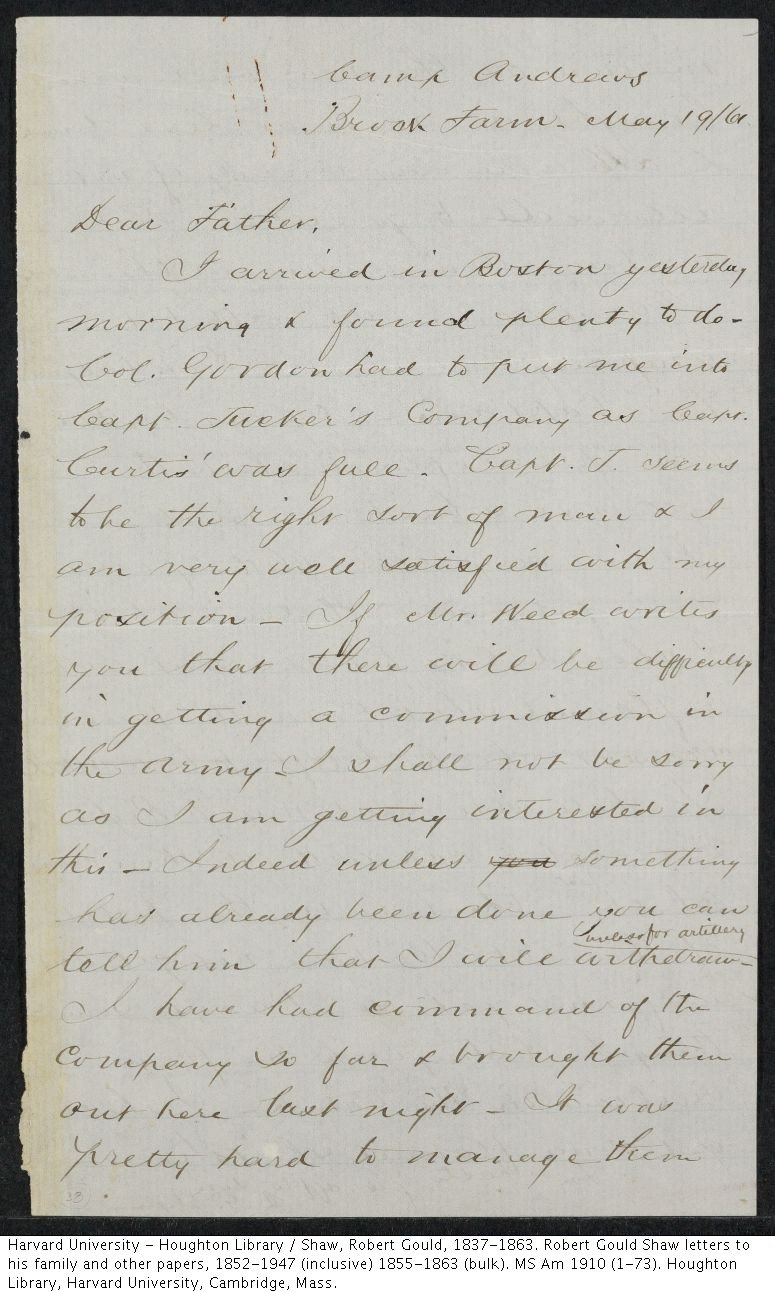
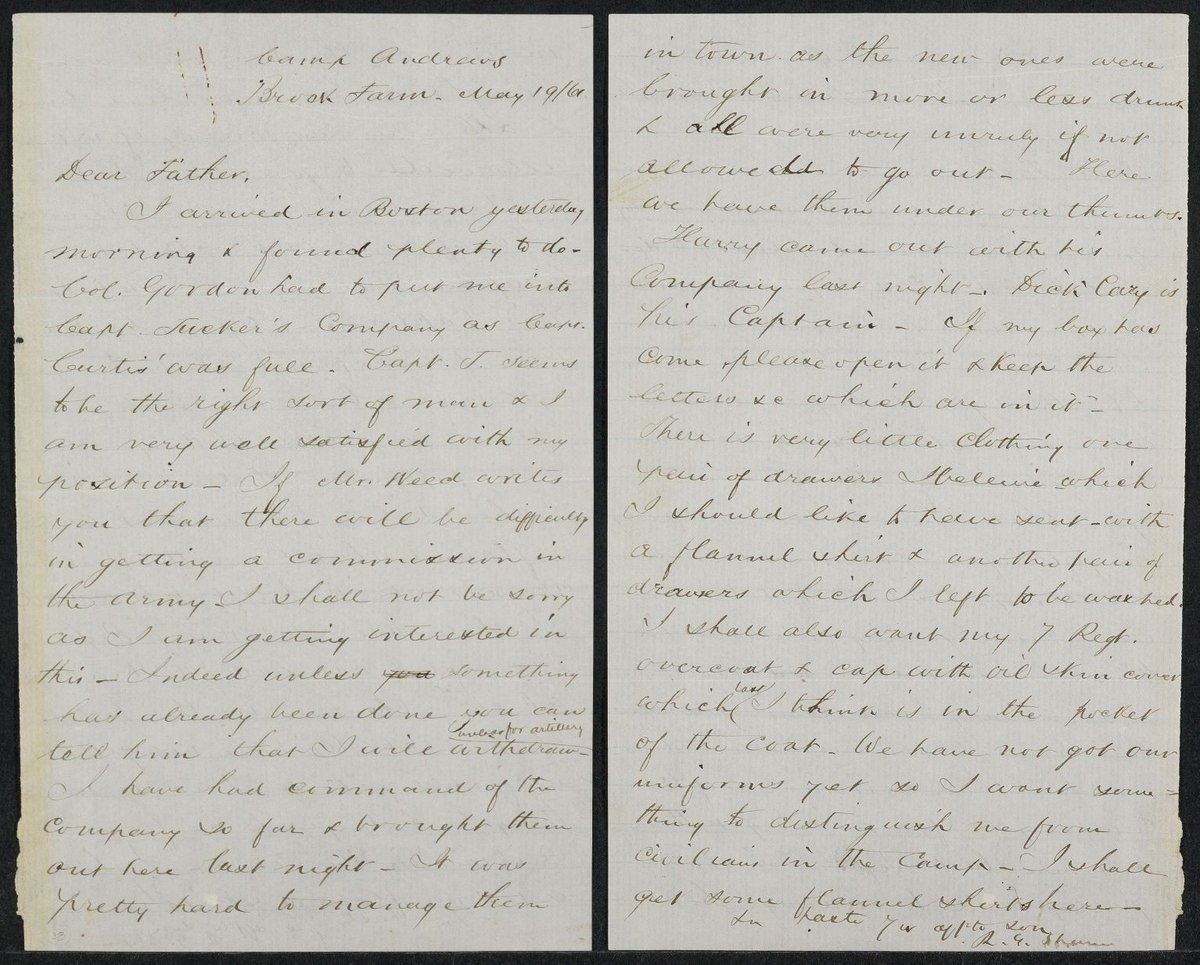
Following the utopian experiment, Brook Farm served various roles, including a town almshouse, Civil War training camp (Camp Andrew), and later as the Martin Luther Orphanage and Brook Farm Home.
Archaeological Investigations and Preservation
Since the 1990s, archaeological research—most notably by Harvard University and the City Archaeology Lab—has uncovered tens of thousands of artifacts illuminating the site’s long history (Boston.gov; BU Today). Brook Farm was designated a Boston Landmark in 1977 and is managed as state parkland.
Visitor Information
Location and Access
- Address: 670 Baker Street, West Roxbury, Boston, MA 02132 (Holidify)
- Getting There:
- By car: Small parking lot on Baker Street.
- By public transit: MBTA bus routes 34, 35, and the Needham Line commuter rail (West Roxbury Station).
- Nearby Amenities: West Roxbury neighborhood restaurants, shops, and hotels within 10 km.
Visiting Hours and Tickets
- Hours: Open daily from dawn to dusk (typically 6:30 AM – 6:00 PM; check for seasonal updates).
- Admission: Free; a $10 suggested donation supports preservation (State Parks Info).
- Tickets: No tickets required for general entry; some special events or guided tours may require advance registration.
Accessibility
- Main trails and central areas are wheelchair accessible (State Parks Info).
- Restrooms available on-site; picnic tables and benches throughout.
- Some secondary trails may be uneven; plan accordingly.
Guided Tours and Educational Programs
- Guided Tours: Offered seasonally on weekends or by appointment, often in partnership with local organizations (New Brook Farm).
- Workshops: Topics include foraging, birdwatching, and environmental heritage (New Brook Farm Events).
- School/Group Programs: Available by advance arrangement.
Visitor Tips
- Wear sturdy footwear for uneven terrain.
- Bring water and sun protection.
- Leashed pets are welcome; owners must clean up after their animals.
- Photography is encouraged; respect signage and natural features.
Experience Brook Farm Today
Walking Trails and Self-Guided Exploration
Explore over 148 acres of meadows, wetlands, and woods via marked trails (MyPacer). Trail maps are available at the entrance kiosk and online. Interpretive panels highlight historic sites, including the original farmhouse and remains of communal structures.
Archaeological Exhibitions
Artifacts from Brook Farm’s Indigenous, communal, and later eras are displayed at the City Archaeology Lab in West Roxbury. The exhibition “Beyond Utopia: 5,000 Years at Brook Farm” is viewable by appointment (BU Today).
Special Events and Community Engagement
Seasonal events include guided nature walks, historical reenactments, and heritage days (New Brook Farm Events). Volunteer opportunities are available for those interested in history, conservation, or community service (State Parks Info).
Photography and Visitor Etiquette
Brook Farm is a favorite among photographers for its scenic landscapes and evocative ruins. Please avoid disturbing wildlife or removing artifacts, and respect all signage.
Nearby Attractions
- Arnold Arboretum: A renowned botanical garden and walking destination.
- Millennium Park: Adjacent green space with walking and biking trails.
- Franklin Park: Boston’s largest park, featuring the Franklin Park Zoo.
- Jamaica Plain: Historic neighborhood with dining, shopping, and cultural sites (The Boston Day Book).
Frequently Asked Questions (FAQs)
Q: What are Brook Farm’s visiting hours?
A: Open daily from dawn to dusk (typically 6:30 AM to 6:00 PM).
Q: Is there an admission fee?
A: General admission is free; a $10 suggested donation helps support the site.
Q: Are guided tours available?
A: Yes, on weekends or by appointment, particularly in spring and fall.
Q: Is the site wheelchair accessible?
A: Main trails and facilities are accessible; some paths may be uneven.
Q: Can I bring my dog?
A: Yes, dogs are allowed but must be leashed.
Q: Are restrooms and picnic areas available?
A: Yes, restrooms, benches, and picnic tables are provided.
Summary and Travel Tips
Brook Farm is a living testament to American ideals of social experimentation, intellectual pursuit, and communal living. Its rich history—from Indigenous stewardship to Transcendentalist utopia, social service institutions, and modern preservation—offers a multifaceted narrative that enriches every visit. The accessible trails, interpretive signage, and seasonal programs make Brook Farm a rewarding destination for visitors of all ages and interests.
To make the most of your visit:
- Check official websites for the latest hours and event updates.
- Download the Audiala app for audio guides and interactive maps.
- Explore nearby parks and neighborhoods to broaden your Boston historical experience.
Listen to the full story in the app
The whole Brook Farm,
told well.
Audio guides for 1,100+ cities across 96 countries. History, stories, and local insight — offline ready.
Verified, and shown.
Researched and written by the Audiala editorial team from historical records, architectural archives, and local expertise.
Researched from Wikidata, Wikipedia & official sources · fact-checked · How we make our guides →