Plan and listen to Brighton with Audiala.
Audio guide in your pocket, itinerary in your browser. Built for the way you actually visit.
Introduction to Brighton Boston Historical Sites
Brighton, a storied neighborhood within Boston, Massachusetts, is renowned for its blend of colonial history, diverse architecture, and lively urban culture. Established in 1630 as "Little Cambridge," Brighton began as an agricultural hub, evolving in the 19th century into a center for New England’s cattle industry with the famed Brighton Stock Yards and Abattoir (Boston Public Library). Annexed to Boston in 1874, Brighton today features significant landmarks such as the Holton Library and Brighton Allston War Memorial, thriving arts and dining scenes, and scenic parks along the Charles River—all easily accessible via the MBTA Green Line (Meet Boston). This guide covers Brighton’s historic sites, visitor resources, attractions, and essential travel tips to help you get the most out of your visit.
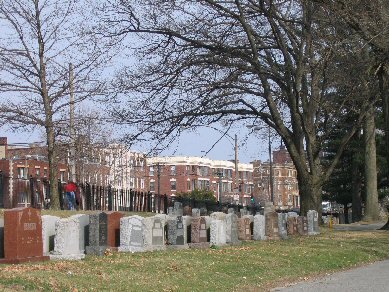
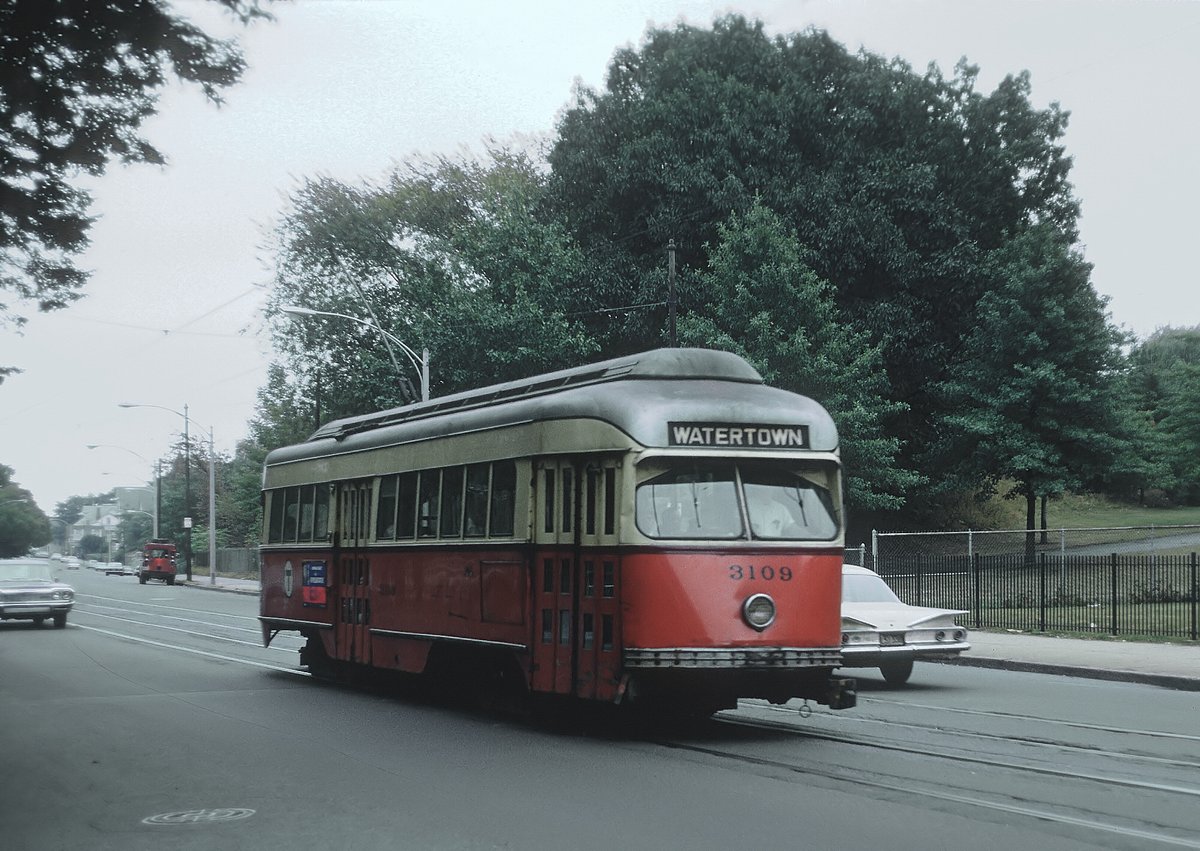
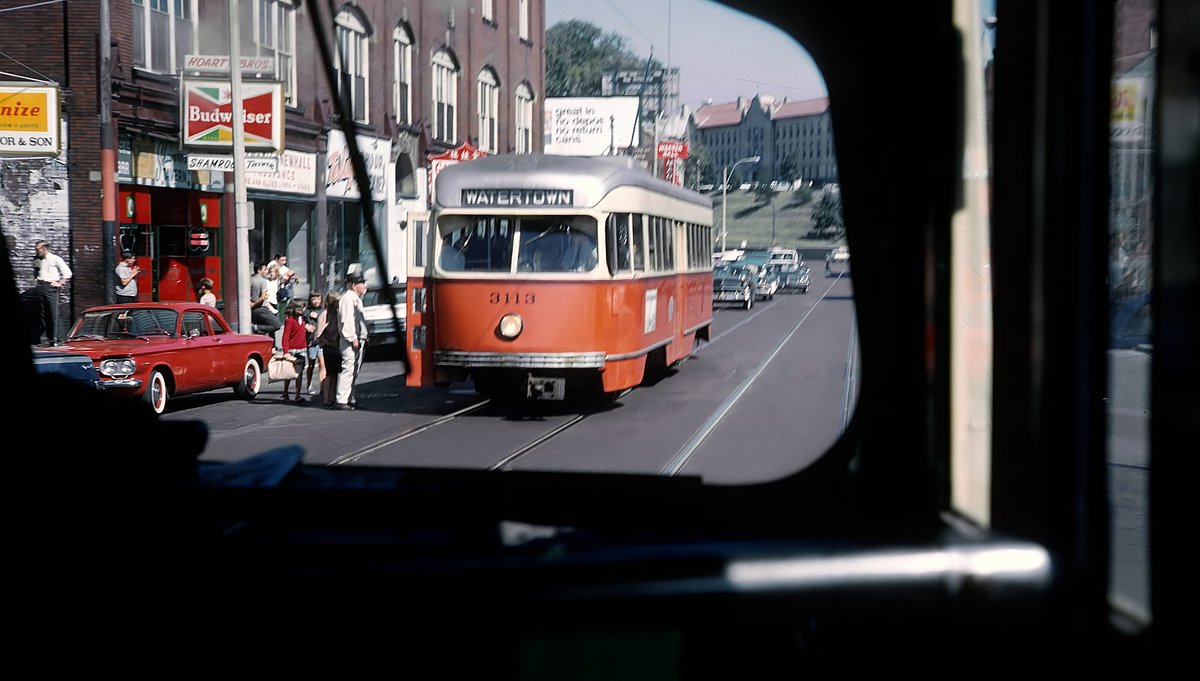
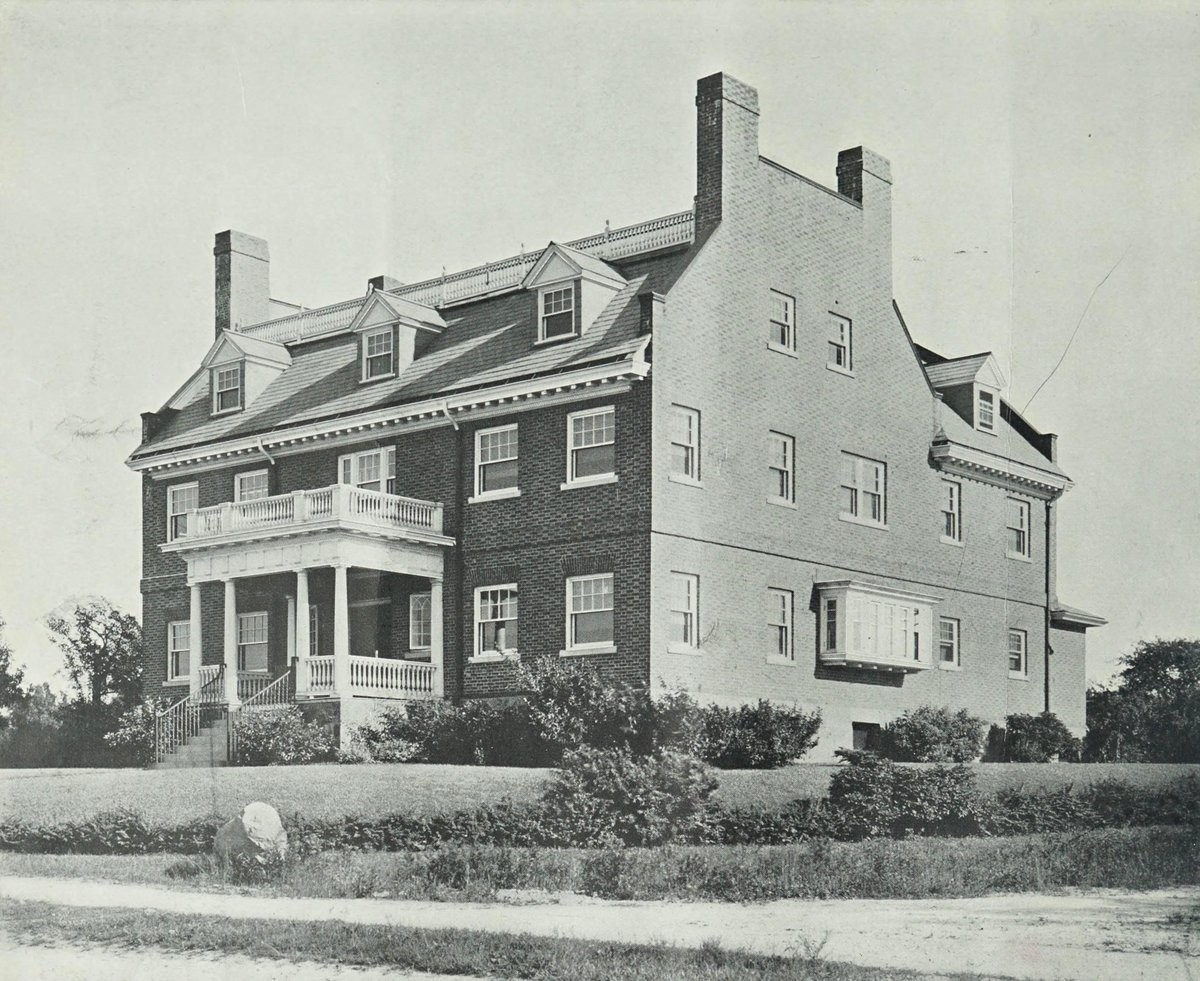
Brighton’s Historical Legacy
Colonial Roots and Early Development
First settled in 1630, Brighton’s fertile land along the Charles River supported early colonial homesteads and agricultural production, supplying food to Boston and Cambridge (Boston Public Library). Known originally as “Little Cambridge,” Brighton remained predominantly rural for over a century, even as Boston expanded into a major port and intellectual hub (The Boston Day Book).
Town Incorporation and Cattle Industry Boom
In 1807, Brighton separated from Cambridge, establishing its own governance and infrastructure, including the Holton Library, founded by a bequest from James Holton (Boston Public Library). The 19th century saw Brighton’s rise as a livestock trading and meat processing center, with the Brighton Stock Yards supplying beef across the region and spurring local population and economic growth (The History List).
Annexation and Urbanization
Brighton’s annexation to Boston in 1874 integrated the area into the city’s urban landscape (Boston Public Library). The late 19th and early 20th centuries introduced new churches, schools, and diverse housing, including the iconic “three-decker” apartments that accommodated a burgeoning, multicultural population (The History List).
Demographic and Cultural Evolution
Throughout the 20th century, Brighton welcomed waves of Irish, Jewish, Eastern European, and Asian immigrants. The presence of Boston College and Boston University added youthful energy and fostered a vibrant dining and arts scene (Meet Boston). Today, Brighton is home to approximately 75,000 residents, reflecting Boston’s dynamic cultural fabric.
Key Historical Landmarks
- Holton Library: Established in the 19th century, now part of the Boston Public Library system, reflecting Brighton’s civic and educational priorities (Boston Public Library).
- Brighton Stock Yards: While no longer operational, their legacy lives on in local history and neighborhood layout (The History List).
- St. Elizabeth’s Medical Center: Founded in the late 19th century, serving as a major community institution.
- Architectural Conservation Districts: Victorian homes and classic triple-deckers offer a window into Brighton’s residential past.
Visitor Information
- Hours: Holton Library and similar sites are open Monday–Saturday, 9 AM–5 PM. Public parks open dawn to dusk.
- Tickets: Most outdoor and historic sites are free. Specialized and guided tours may require tickets; check with local organizations.
- Accessibility: Most facilities, including parks and libraries, are wheelchair accessible.
- Getting There: MBTA Green Line (B branch) and several bus routes serve Brighton. Parking is available but limited.
- Events: Seasonal farmers’ markets, cultural festivals, and historical reenactments offer year-round activities.
- Visitor Resources: For updates on hours, tickets, and tours, visit the City of Boston’s Brighton page or Boston Public Library Brighton branch.
Outdoor Recreation and Parks
- Charles River Reservation: Enjoy walking, cycling, kayaking, and picnicking along the river (Charles River Reservation).
- Rogers Park and Chandler Pond: Open daily, family-friendly, and accessible (City of Boston).
- Brighton Common: Central green space hosting concerts, markets, and community events.
Arts, Culture, and Community Events
- Arts Scene: Galleries and venues feature exhibitions and performances, often free or low-cost.
- Farmers’ Markets and Fairs: Held on weekends, offering local produce and crafts (AmericanTowns Brighton Events).
- Annual Events: Participate in citywide celebrations like the Boston Pride Parade and Dragon Boat Festival.
Dining, Shopping, and Nightlife
- Washington Street & Brighton Center: Lined with diverse restaurants, cafes, and shops.
- Breweries and Pubs: Local venues offer craft beers, live music, and trivia nights.
- Boutiques: Unique shops and vintage stores support a vibrant small business community.
Sports, Fitness, and Wellness
- Nearby Sporting Events: Quick access to Fenway Park via public transit.
- Gyms & Studios: Numerous fitness centers and yoga studios with flexible hours.
- Outdoor Fitness: Parks and riverfront trails are popular for running, biking, and group exercise.
Family-Friendly Activities
- Playgrounds and Community Centers: Rogers Park and Brighton Common feature modern play areas.
- Educational Attractions: Public lectures and programs at local colleges and community centers.
- Access to Boston’s Top Sites: Convenient base for visiting the Freedom Trail, Boston Tea Party Ships & Museum, and New England Aquarium.
Seasonal Highlights and Tips
- June: Outdoor dining, gardens, and community events are at their peak.
- Getting Around: Brighton is bike-friendly and well-served by public transit; parking is tight during events.
- Accommodations: Nearby Allston and Brookline offer additional lodging options.
- Safety: Brighton is welcoming and safe; standard city precautions apply.
Notable Site: Brighton Allston War Memorial
The Brighton Allston War Memorial honors local veterans from World War I through Vietnam, featuring engraved names and symbolic sculptures. Located near Brighton Center, the memorial is open 24/7 and is accessible by wheelchair. Major annual events include Memorial Day and Veterans Day ceremonies. For more, check the Brighton-Allston Historical Society or the Boston Parks Department.
FAQ
Q: What are the best times to visit Brighton’s sites?
A: Weekdays during business hours for indoor sites; parks and outdoor areas are enjoyable year-round.
Q: Are guided tours available?
A: Occasionally, through local organizations. Check community calendars for schedules.
Q: Is Brighton family-friendly?
A: Yes, with many parks, playgrounds, and community events for all ages.
Q: How do I get there?
A: Use the MBTA Green Line (B branch) or local buses for easy access.
Q: Are there annual historical events?
A: Yes, including farmers’ markets, festivals, and commemorative ceremonies.
Plan Your Visit
Download the Audiala app for audio tours, check the official Brighton neighborhood page, and follow social media for updates on events and visitor tips.
Key Takeaways
Brighton offers a unique blend of historical depth, cultural vibrancy, and modern amenities. From colonial roots and cattle industry heritage to thriving parks, arts, and dining scenes, Brighton welcomes all visitors. For up-to-date information, rely on digital tools and official city resources to ensure a rewarding experience (Boston Public Library; The History List).
Listen to the full story in the app
The whole Brighton,
told well.
Audio guides for 1,100+ cities across 96 countries. History, stories, and local insight — offline ready.

Verified, and shown.
Researched and written by the Audiala editorial team from historical records, architectural archives, and local expertise.
Researched from Wikidata, Wikipedia & official sources · fact-checked · How we make our guides →