
About the Boston Marathon Bombing Memorials
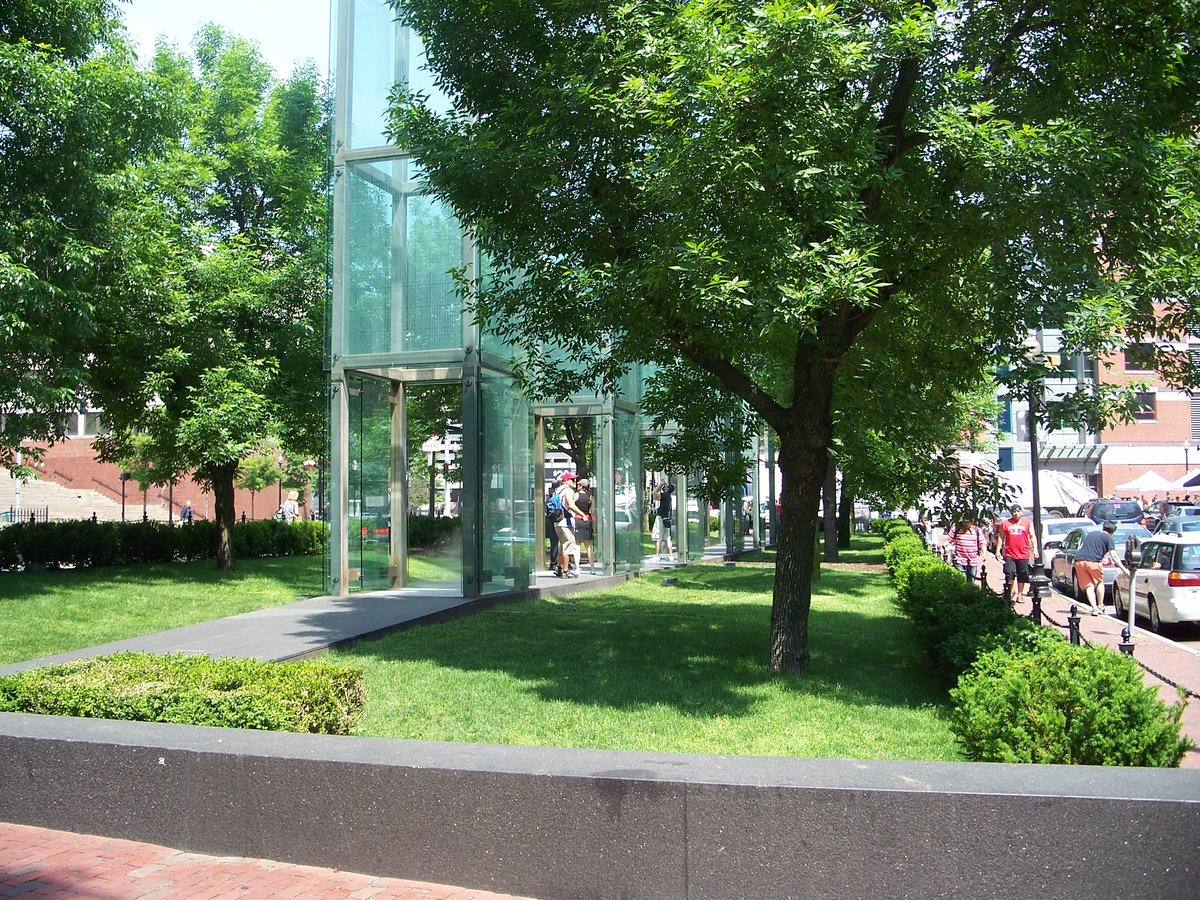
The memorials honor the lives of Martin Richard, Krystle Campbell, Lu Lingzi, MIT Police Officer Sean Collier, and Boston Police Officer Dennis Simmonds. The thoughtfully designed sites include granite pillars, illuminated bronze and glass spires, and blooming cherry trees. Poetry and inscriptions etched into the memorial elements underscore a message of hope and remembrance, while the setting in the vibrant Back Bay neighborhood connects the memorials to Boston’s daily life.
Learn more about Boston’s public art.
History and Cultural Significance
On Patriots’ Day, April 15, 2013, two bombs detonated near the marathon finish line, resulting in loss, injury, and a profound impact on Boston and the world. The memorials, located near the intersections of Boylston Street with Exeter and Fairfield Streets, commemorate the victims and the collective strength of the community. Their design—granite pillars, bronze and glass spires, and cherry trees—reflects both mourning and the city’s enduring resilience.
For more on the history and community response, visit the Our Marathon Archive.
Location and How to Get There
Address: Boylston Street, near Copley Square, Boston, MA 02116
The memorials are located at the sites of the 2013 bombings, steps from the Boston Marathon finish line and Copley Square.
Public Transportation
- MBTA Green Line Copley Station is closest, but may be closed on marathon day.
- Alternative Stations Arlington and Hynes Convention Center.
- Buses Several routes serve the Back Bay area.
Due to limited parking and frequent street closures—especially during marathon events—public transit is strongly recommended.
Visiting Hours and Accessibility
- Hours The memorials are outdoors and accessible 24/7, all year.
- Admission Free, no tickets required.
- Accessibility Wheelchair-accessible paths and nearby accessible MBTA stations. Benches and paved walkways ensure a comfortable visit.
Guided Tours and Special Events
- Guided Tours Offered by groups such as Boston By Foot, which often includes the memorials in broader historic tours.
- Annual Commemorations Each April, “One Boston Day” marks the anniversary with ceremonies and acts of community kindness at the memorials.
Visitor Experience
What to Expect
- Quiet, contemplative spaces with benches and shaded areas.
- Informational plaques and poetry inscriptions.
- Respectful opportunities to leave tributes.
Special Features
- Illuminated Spires The bronze and glass spires are especially striking at night.
- Cherry Blossoms The cherry trees bloom in April, adding emotional resonance during marathon season.
Photographic Spots and Nearby Attractions
- Boston Public Library Next to Copley Square, renowned for its architecture and exhibitions.
- Old South Church Historic landmark adjacent to the finish line.
- Marathon Finish Line Painted on Boylston Street, an iconic photo location.
- Copley Square Lively urban park surrounded by shops and cafes.
The memorials and surrounding cherry trees make for memorable photographs, especially during spring or at sunset.
Marathon Weekend Tips
- Plan Ahead Hotels and transit fill up quickly; book well in advance.
- Public Transit The MBTA is the best choice; expect some station closures and large crowds.
- Prepare for Weather Boston spring weather can be unpredictable; dress in layers.
- Commemorative Activities Participate in One Boston Day events and look for marathon-themed displays along the route.
Impact of the 2013 Bombings
The 2013 Boston Marathon bombing had a deep and lasting effect on the city and the world. In the immediate aftermath, thousands of spontaneous tributes appeared at the bombing sites and in Copley Square. Many of these items are now preserved in digital archives, such as the Our Marathon Archive, ensuring the memory and community response are not forgotten.
Participation in the marathon quickly rebounded in the years following, symbolizing Boston’s resilience. Today, the event continues to draw tens of thousands of runners and hundreds of thousands of spectators (Trolley Tours).
Security and Event Management Post-2013
Security measures have been significantly enhanced since 2013. These include increased police presence, surveillance, bag checks, and restricted vehicle access during major events. The annual “One Boston Day” fosters a spirit of unity and service, reinforcing the memorial’s role in community healing (FBI).
Practical Visitor Information
- Best Times Early morning or late afternoon for fewer crowds and best lighting.
- Etiquette Maintain a respectful demeanor; keep noise to a minimum.
- Weather The memorials are outdoors—check the forecast and dress accordingly.
- Accessibility Wheelchair-friendly paths, ramps, and nearby accessible facilities.
- Guided Tours Check with local operators or Boston By Foot for current offerings.
Frequently Asked Questions (FAQ)
Q: Is there an admission fee?
A: No, the memorials are free and open to the public at all times.
Q: Are the memorials wheelchair accessible?
A: Yes, with paved paths and accessible nearby transit.
Q: Can I visit the memorials on marathon day?
A: Portions of Boylston Street may be closed; check MBTA and official marathon updates for details.
Q: Are guided tours available?
A: Yes, several local companies offer walking tours that include the memorials.
Q: Where can I learn more about spontaneous memorials and the community response?
A: Visit the digital Our Marathon Archive.