Plan and listen to Boston Harbor Islands National Recreation Area with Audiala.
Audio guide in your pocket, itinerary in your browser. Built for the way you actually visit.
Introduction
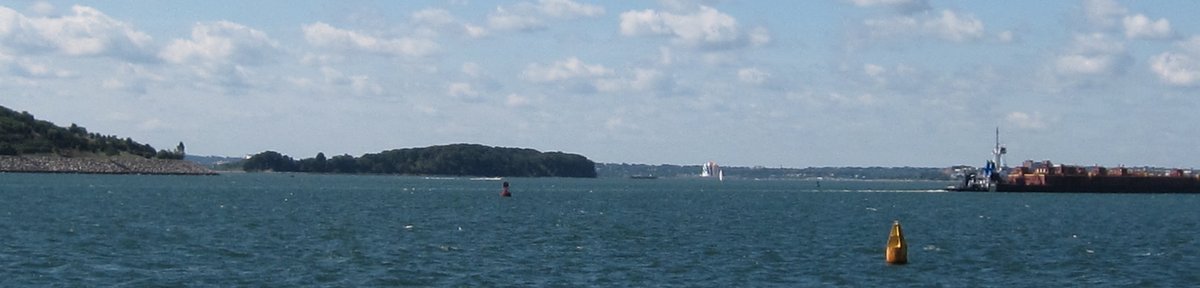
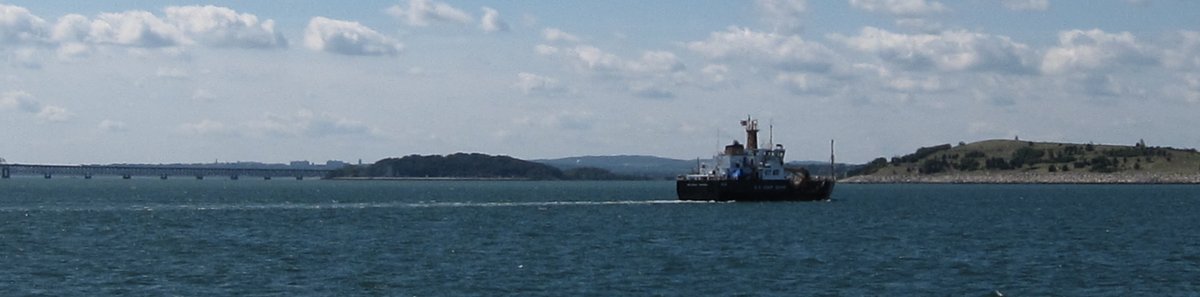
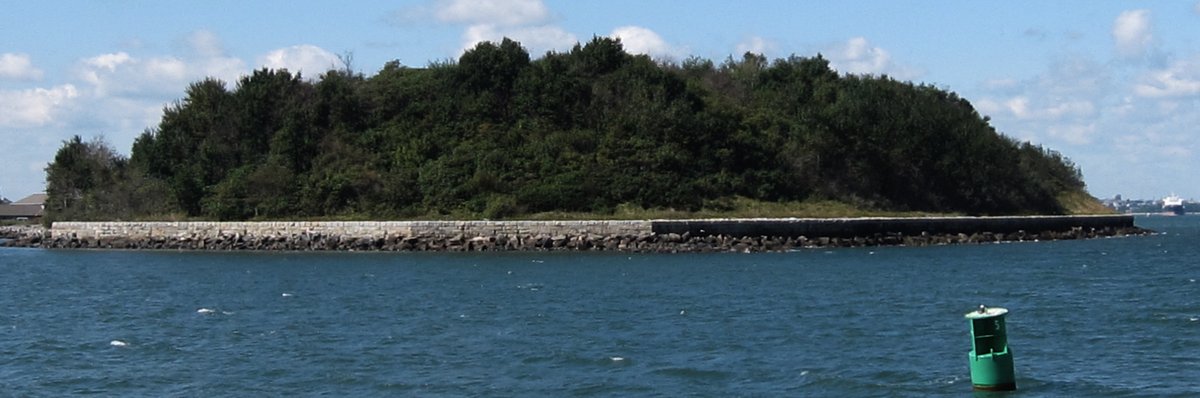
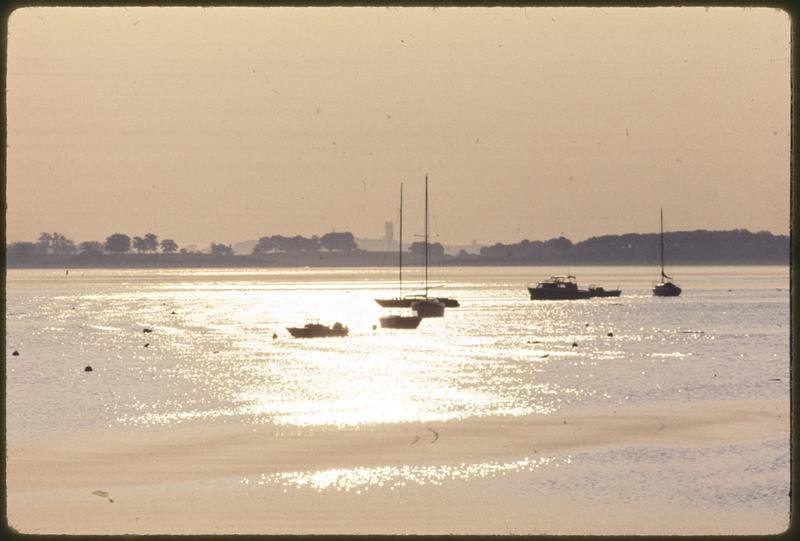
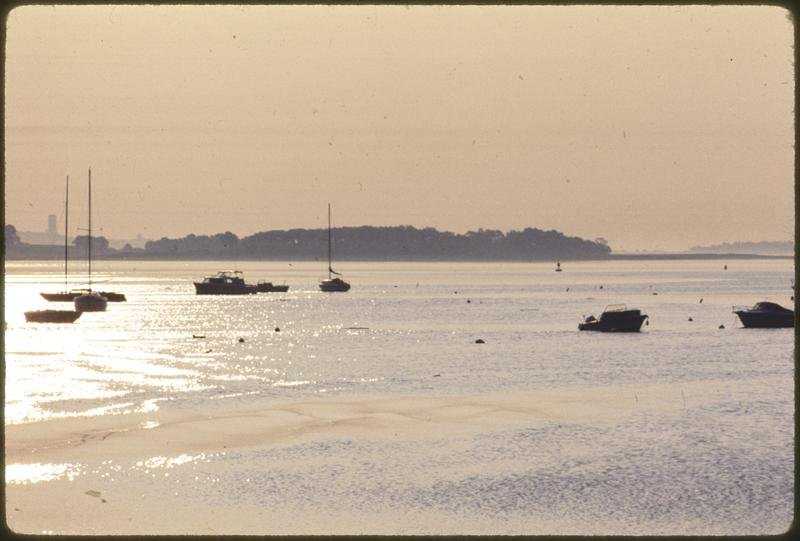
The Boston Harbor Islands National Recreation Area, located just off the coast of Boston, is a remarkable destination that offers a unique blend of natural beauty, historical significance, and recreational activities. This archipelago comprises 34 islands and peninsulas, each with its own distinct character and attractions, ranging from ancient Native American sites to Civil War-era forts and pristine beaches. The islands have served various roles throughout history, from seasonal fishing camps for Indigenous peoples to strategic military outposts and bustling quarantine stations (NPS). Today, the Boston Harbor Islands stand as a testament to the region’s rich cultural heritage and environmental resilience, providing visitors with myriad opportunities for exploration, education, and outdoor adventure. Whether you are a history enthusiast, a nature lover, or simply seeking a tranquil escape from the urban hustle, the Boston Harbor Islands have something to offer for everyone. This comprehensive guide will provide you with all the information you need to plan your visit, including details on ticket prices, visiting hours, travel tips, and the best times to visit. Discover the natural beauty and historical treasures that make the Boston Harbor Islands a must-visit destination.

History and Significance
Native American Heritage
The Boston Harbor Islands have a rich history that dates back over 12,000 years, with significant ties to Native American tribes, particularly the Massachusett Tribe. These islands served as seasonal fishing camps and small agricultural hamlets for Indigenous peoples long before European settlers arrived. The islands are considered sacred spaces, with ancient burial grounds and other culturally significant sites that continue to hold importance for Native American communities today (NPS).
European Settlement and Transformation
European settlers radically transformed the purpose of the islands over the following generations. The islands became home to farms, lighthouses, quarantine stations, military forts, prisons, and internment camps. During the 17th century, Deer Island was used as an internment site for Native Americans during King Philip's War, a dark chapter in the islands' history (Island Studies Journal).
Military Significance
The Boston Harbor Islands played a crucial role in America's military history. Fort Warren on Georges Island, constructed in the mid-19th century, served as a strategic defense point during the Civil War. The fort was used to detain Confederate prisoners and protect the harbor from potential naval attacks. Other islands, such as Lovells Island, housed artillery batteries and military installations, particularly during World War II (NPS History).
Industrial and Environmental Impact
By the 20th century, Boston Harbor had become one of the most polluted harbors in the United States, earning the notorious title of "the dirtiest harbor in the nation" by 1985. The industrial activities and urban development along the waterfront severely degraded the water quality and the natural habitats of the islands. However, a significant cleanup effort began in the 1990s, spearheaded by the Massachusetts Water Resources Authority's wastewater treatment initiatives. This $4 billion investment dramatically improved water quality and revitalized the harbor and its islands (NPS Overview).
Establishment as a National Recreation Area
The transformation of the Boston Harbor Islands into a national recreation area was a collaborative effort involving federal, state, and local governments, as well as nonprofit organizations. In 1996, Congress established the Boston Harbor Islands National Recreation Area, recognizing the islands' natural and cultural significance. The Boston Harbor Islands Partnership was created to manage and preserve the islands, ensuring coordinated stewardship and public access (NPS Management).
Visitor Information
Tickets and Visiting Hours
The Boston Harbor Islands are accessible by ferry, and tickets can be purchased online or at the ferry terminals. Prices vary depending on the season and the type of ticket (e.g., round-trip, one-way, or multi-island pass). Generally, adult tickets range from $20 to $25, while children's tickets are around $15. Senior and military discounts are also available. Ferries usually operate from late May through mid-October, with varying schedules. It's advisable to check the official website for the most current information on ticket prices and ferry schedules.
Travel Tips
- Best Time to Visit: The islands are most enjoyable during the summer months when the weather is warm and most facilities are open. Weekdays are generally less crowded than weekends.
- What to Bring: Comfortable walking shoes, sunscreen, water, and snacks are recommended. Many islands have limited facilities, so it's best to come prepared.
- Accessibility: Some islands have paved paths and are accessible to visitors with mobility challenges. However, not all areas are wheelchair accessible.
- Guided Tours: Consider joining a guided tour to get the most out of your visit. Tours often provide in-depth historical and natural insights.
Nearby Attractions
In addition to the Boston Harbor Islands, visitors can explore several nearby attractions:
- Boston National Historical Park: A collection of sites that tell the story of the American Revolution.
- New England Aquarium: Located on the Boston waterfront, it's a great place for families to visit before or after a trip to the islands.
- Faneuil Hall Marketplace: A historic market and meeting hall, now a vibrant shopping and dining destination.
Cultural and Natural Significance
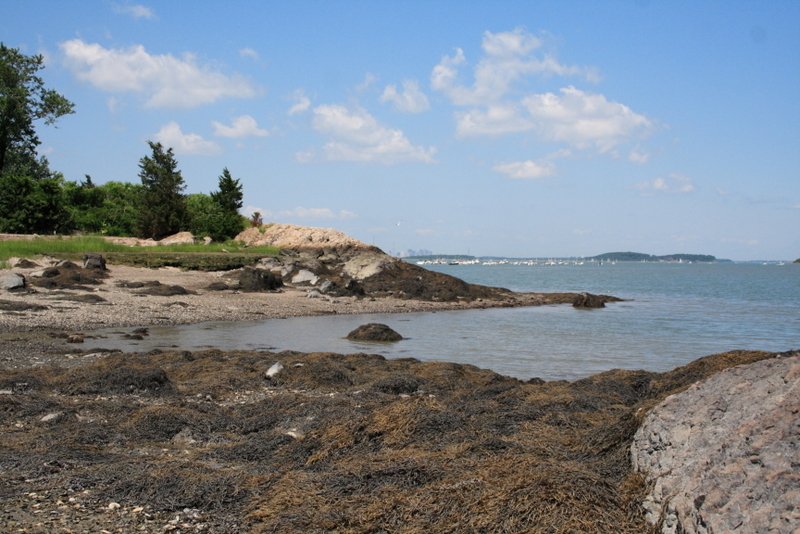
The Boston Harbor Islands are a unique blend of natural beauty and historical significance. They are North America's only field of glacially derived drumlins surrounded by water, offering a mosaic of important natural habitats for animals and plants. The islands also provide incredible opportunities for teaching, experiential learning, and outdoor adventure. Visitors can explore hiking trails, beaches, and historic sites such as the Civil War-era Fort Warren and Boston Light, the oldest lighthouse station in the United States (Wikipedia).
Public Engagement and Education
The Boston Harbor Islands Partnership strives to improve public water transportation and access to the islands, offering educational programs and visitor information to increase public understanding and appreciation of the islands' natural and cultural resources. Events such as Harbor Islands Week and various seasonal activities help frame the islands as a historic landscape replete with natural beauty, providing a respite from the urban environment (Island Studies Journal).
Preservation and Conservation Efforts
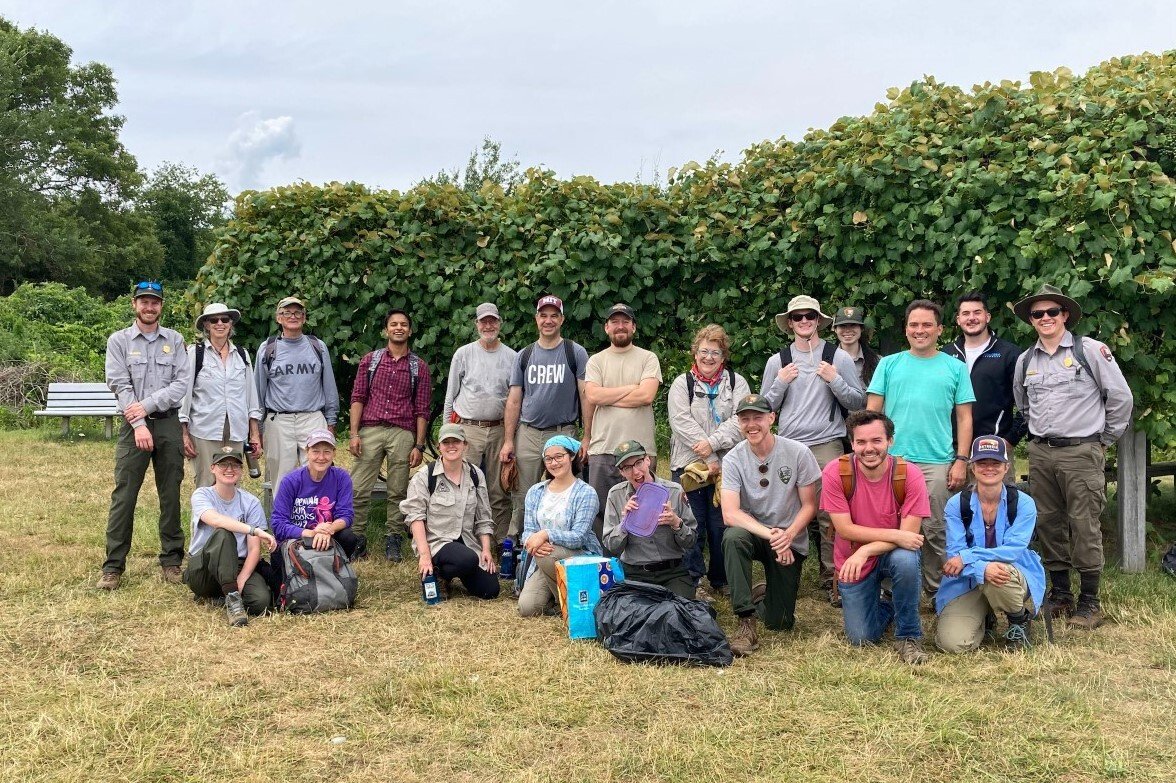
Citizen groups and nonprofit organizations have played a vital role in raising awareness of the islands' ecological importance and historical significance. Groups like Save Our Shores and Friends of the Boston Harbor Islands have devoted their efforts to conservation and recreation, guiding visitors and introducing them to the islands' history and nature. These efforts have helped frame the archipelago as a landscape where history meets nature, emphasizing the importance of preservation (NPS History).
Special Events and Guided Tours
The Boston Harbor Islands host a variety of special events throughout the year, including guided tours, historical reenactments, and nature walks. These events provide unique opportunities to experience the islands' rich history and natural beauty. Check the official website for a calendar of upcoming events and consider booking a spot in advance to ensure participation.
Photographic Spots
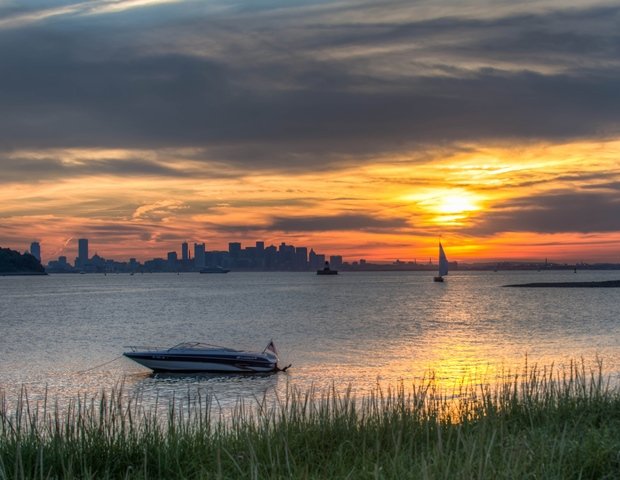
The islands offer numerous photographic opportunities, from panoramic views of the Boston skyline to serene natural landscapes. Popular spots include the top of Spectacle Island for its stunning vistas and the historic structures on Georges Island. Remember to bring your camera and capture the beauty of the islands.
Modern-Day Significance
Today, the Boston Harbor Islands offer a unique vantage point from which visitors can contemplate metropolitan growth and change. The islands provide a rare sense of isolation despite their proximity to a densely populated urban area. They serve as a recreational haven for urban residents and tourists, offering activities such as hiking, fishing, picnicking, and camping. The islands also function as an effective laboratory for learning about natural change, cultural history, and stewardship (NPS Overview).
FAQ
Q: What are the Boston Harbor Islands visiting hours? A: The visiting hours vary by season and island. Generally, ferries operate from late May through mid-October. It's best to check the official website for the most current information.
Q: How much are tickets to the Boston Harbor Islands? A: Ticket prices vary depending on the season and type of ticket. Adult tickets generally range from $20 to $25, while children's tickets are around $15. Discounts are available for seniors and military personnel.
Q: Are the Boston Harbor Islands accessible? A: Some islands have paved paths and are accessible to visitors with mobility challenges. However, not all areas are wheelchair accessible.
Q: What should I bring when visiting the Boston Harbor Islands? A: Comfortable walking shoes, sunscreen, water, and snacks are recommended. Many islands have limited facilities, so it's best to come prepared.
Tickets & tours.
These are guided options from our partners — same price as booking direct.
Prices are indicative — final pricing and availability are confirmed at checkout. Audiala may earn a commission from bookings made through these links.
Listen to the full story in the app
The whole Boston Harbor Islands National Recreation Area,
told well.
Audio guides for 1,100+ cities across 96 countries. History, stories, and local insight — offline ready.
Verified, and shown.
Researched and written by the Audiala editorial team from historical records, architectural archives, and local expertise.
History & Culture
Article 84716
Publications BOHA
Boston Harbor Islands Overview
(2022-2023). BHI Futures Report
Boston Harbor Islands National and State Park
A Guide to the Boston Harbor Islands National Recreation Area
How to Visit Boston Harbor Islands
Boston Harbor Islands
Getaway BOHA
Boston Harbor Islands
Boston Harbor Islands National Recreation Area
Boston Harbor Islands
Boston Harbor Islands National Recreation Area - Grape Island
Researched from Wikidata, Wikipedia & official sources · fact-checked · How we make our guides →