Plan and listen to Belle Isle Marsh Reservation with Audiala.
Audio guide in your pocket, itinerary in your browser. Built for the way you actually visit.
Introduction
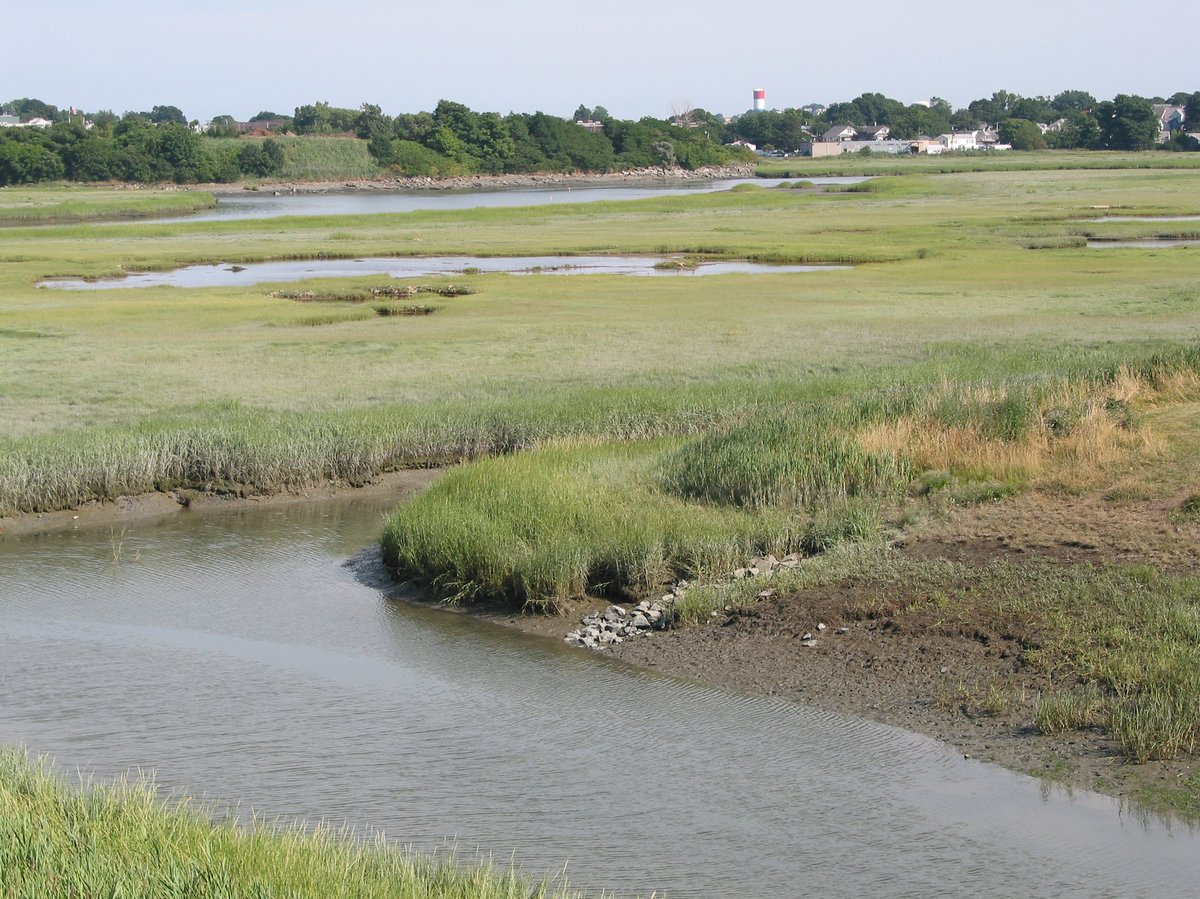
Belle Isle Marsh Reservation, located in East Boston, Massachusetts, is a captivating destination that combines natural beauty with significant historical and ecological value. Covering approximately 350 acres, it is the largest remaining salt marsh in the Boston area, offering a unique habitat for a diverse range of flora and fauna (National Oceanic and Atmospheric Administration). Historically, the marsh has been a vital resource for the Native American tribes of the Massachusett and Pawtucket peoples, providing sustenance and materials for their daily lives. The arrival of European settlers in the 17th century marked the beginning of significant land-use changes, transforming the fertile marshland into agricultural grounds (Massachusetts Historical Society). Industrialization and urban development further impacted the area, yet portions of the marsh remained undisturbed, serving as a refuge for wildlife and a natural flood control system (Boston Harbor Islands Partnership). Recognizing its ecological importance, the Massachusetts Department of Conservation and Recreation (DCR) designated Belle Isle Marsh as a reservation in 1985, aiming to protect and restore its health (Massachusetts Department of Conservation and Recreation). This comprehensive guide will explore the rich history, ecological significance, and practical visitor information about Belle Isle Marsh Reservation, making it an essential resource for anyone planning a visit.

Early History and Indigenous Presence
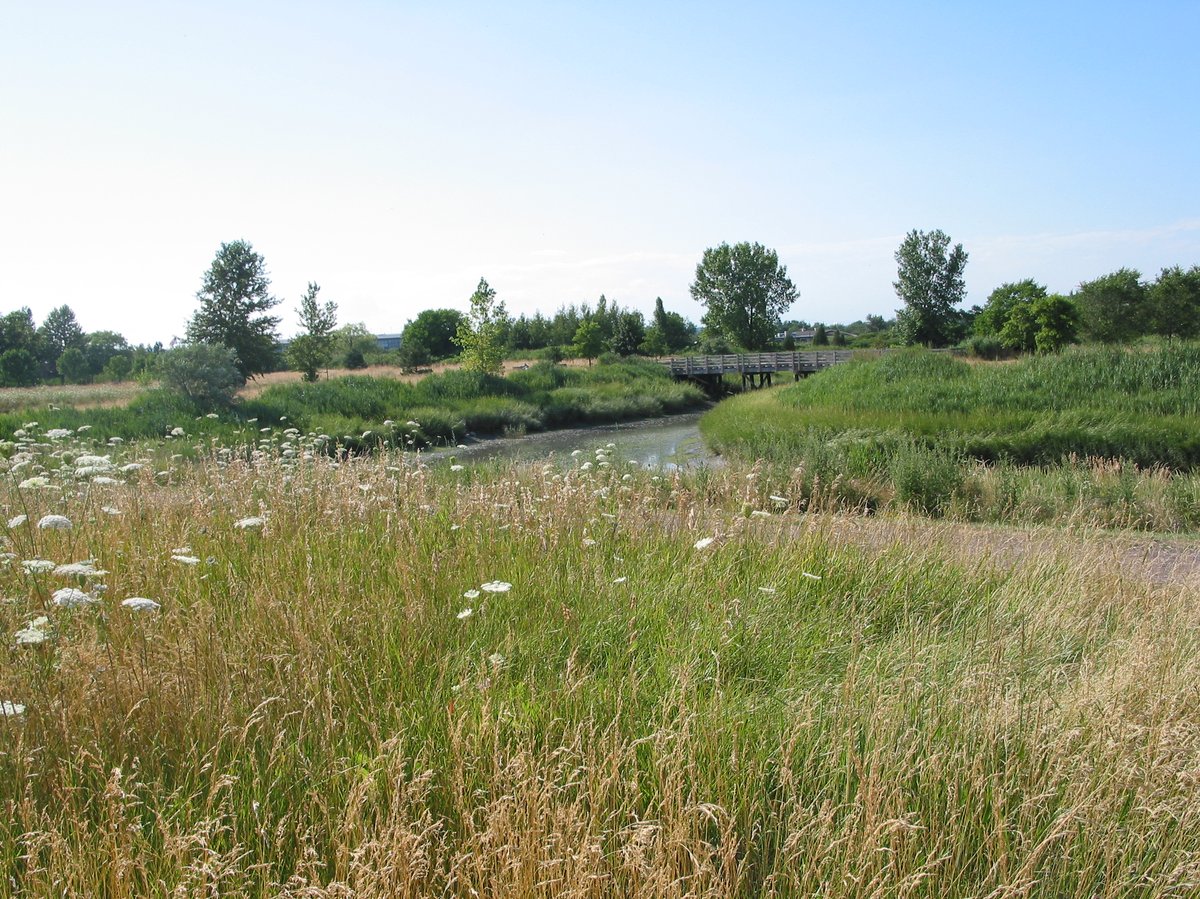
Belle Isle Marsh Reservation is a significant natural area with a history dating back thousands of years. Originally inhabited by the Native American tribes of the Massachusett and Pawtucket peoples, the marshland was a vital source of sustenance and materials for their daily lives, offering abundant resources like fish, shellfish, and plant materials.
Colonial Era and Land Use Changes
With the arrival of European settlers in the 17th century, Belle Isle Marsh began to change. Part of a larger area known as "Noddle's Island," granted to Samuel Maverick in 1624, the settlers recognized the marsh's fertile soil and altered the land for agricultural purposes, constructing dikes and drainage systems (Massachusetts Historical Society).
Industrialization and Urban Development
The 19th and early 20th centuries brought industrialization and urban development to Boston, impacting Belle Isle Marsh. Construction of railroads, roads, and residential areas led to encroachment on the marshland. Despite industrial waste and pollution, portions of the marsh remained undisturbed, serving as a refuge for wildlife and a natural flood control system (Boston Harbor Islands Partnership).
Conservation Efforts and Establishment as a Reservation
In 1985, growing awareness of environmental issues led to Belle Isle Marsh being designated as a reservation by the Massachusetts Department of Conservation and Recreation (DCR). This aimed to protect the remaining marshland from further development and restore its ecological health (Massachusetts Department of Conservation and Recreation).
Ecological Significance
Belle Isle Marsh, covering approximately 350 acres, is the largest remaining salt marsh in the Boston area. Salt marshes provide numerous ecological benefits, serving as nurseries for fish and shellfish, supporting diverse bird species, and acting as natural filters for pollutants. They also mitigate climate change impacts by absorbing carbon dioxide and buffering against storm surges and flooding (National Oceanic and Atmospheric Administration).
Biodiversity and Wildlife Habitat
The biodiversity of Belle Isle Marsh is one of its most significant attributes. It supports a variety of plant and animal species, many of which are rare or endangered. Birdwatchers can observe species like the snowy egret, great blue heron, and the endangered saltmarsh sparrow. The marsh is also home to numerous fish species, including striped bass and flounder (Mass Audubon).
Cultural and Recreational Importance
Belle Isle Marsh offers cultural and recreational value for the local community, providing opportunities for birdwatching, hiking, and nature photography. Educational programs and guided tours help visitors learn about the marsh's history, ecology, and conservation efforts. The marsh also serves as an outdoor classroom for local schools and universities (Friends of Belle Isle Marsh).
Visitor Information - Tickets and Hours
Belle Isle Marsh Reservation is open to the public year-round from dawn to dusk. There is no admission fee, making it an accessible destination for everyone. Visitors are encouraged to check the official DCR website for any updates on visiting hours or special events.
Practical Travel Tips and Nearby Attractions
When planning your visit, consider bringing binoculars for birdwatching and comfortable shoes for hiking. Nearby attractions include Revere Beach and the Boston Harbor Islands, offering additional outdoor activities and scenic views. The marsh is accessible via public transportation, with the closest MBTA station being Suffolk Downs on the Blue Line.
Ongoing Conservation and Restoration Efforts
Preservation of Belle Isle Marsh requires continuous monitoring and management. The DCR, along with local environmental organizations and volunteers, work tirelessly on restoration projects such as removing invasive species, replanting native vegetation, and improving water quality (Environmental Protection Agency).
Future Challenges and Opportunities
Belle Isle Marsh faces challenges like climate change, sea-level rise, and urban development pressures. However, these challenges present opportunities for innovative conservation strategies and community engagement. Continued research and collaboration will be essential in ensuring the marsh's long-term health (The Nature Conservancy).
FAQ Section
Q - What are the visiting hours for Belle Isle Marsh Reservation?
A - The reservation is open year-round from dawn to dusk.
Q - Is there an admission fee to enter Belle Isle Marsh?
A - No, there is no admission fee.
Q - What activities can I do at Belle Isle Marsh?
A - Visitors can enjoy birdwatching, hiking, and nature photography. Guided tours and educational programs are also available.
Q - How can I reach Belle Isle Marsh by public transportation?
A - The closest MBTA station is Suffolk Downs on the Blue Line.
Q - Are there any nearby attractions?
A - Yes, nearby attractions include Revere Beach and the Boston Harbor Islands.
Listen to the full story in the app
The whole Belle Isle Marsh Reservation,
told well.
Audio guides for 1,100+ cities across 96 countries. History, stories, and local insight — offline ready.
Verified, and shown.
Researched and written by the Audiala editorial team from historical records, architectural archives, and local expertise.
Researched from Wikidata, Wikipedia & official sources · fact-checked · How we make our guides →