Plan and listen to Arnold Arboretum with Audiala.
Audio guide in your pocket, itinerary in your browser. Built for the way you actually visit.
Introduction
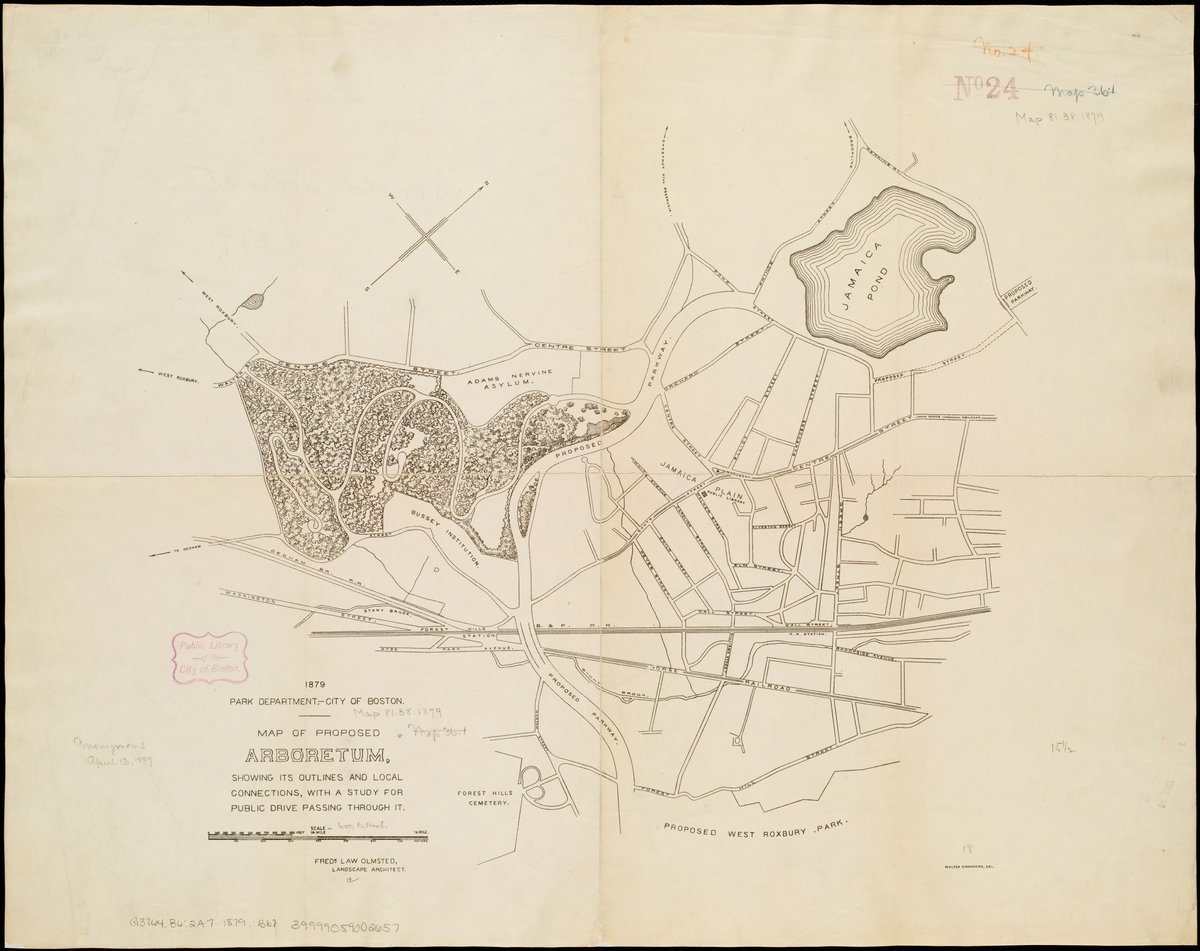
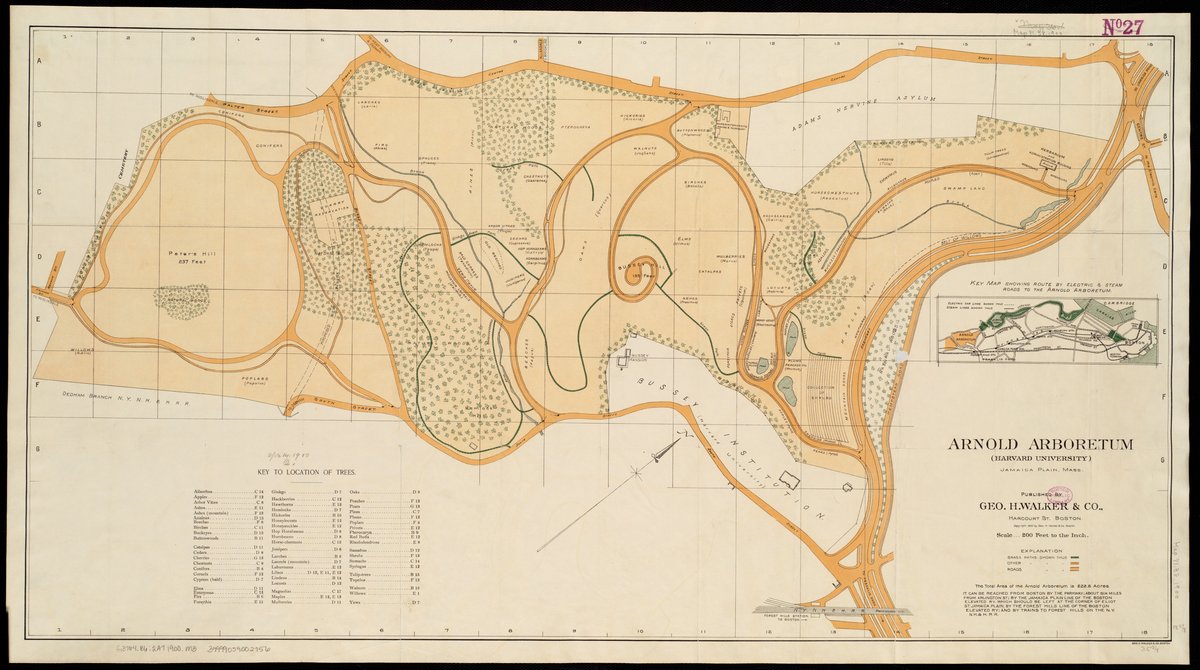
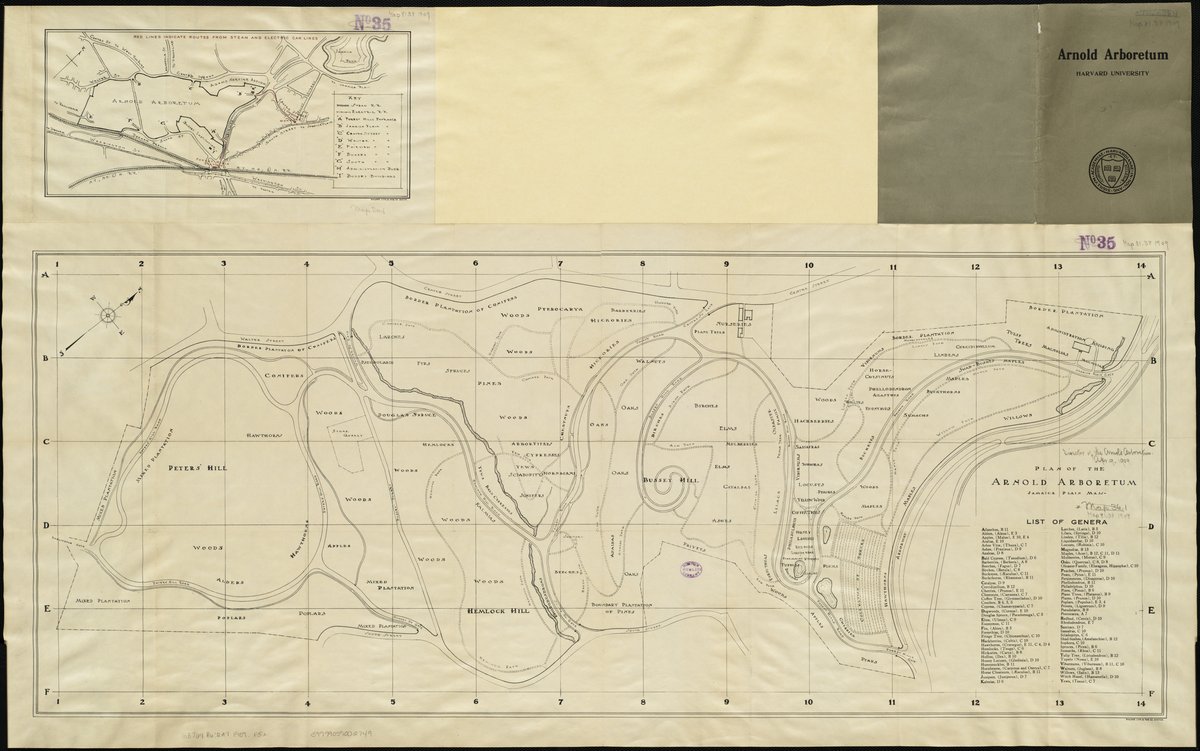
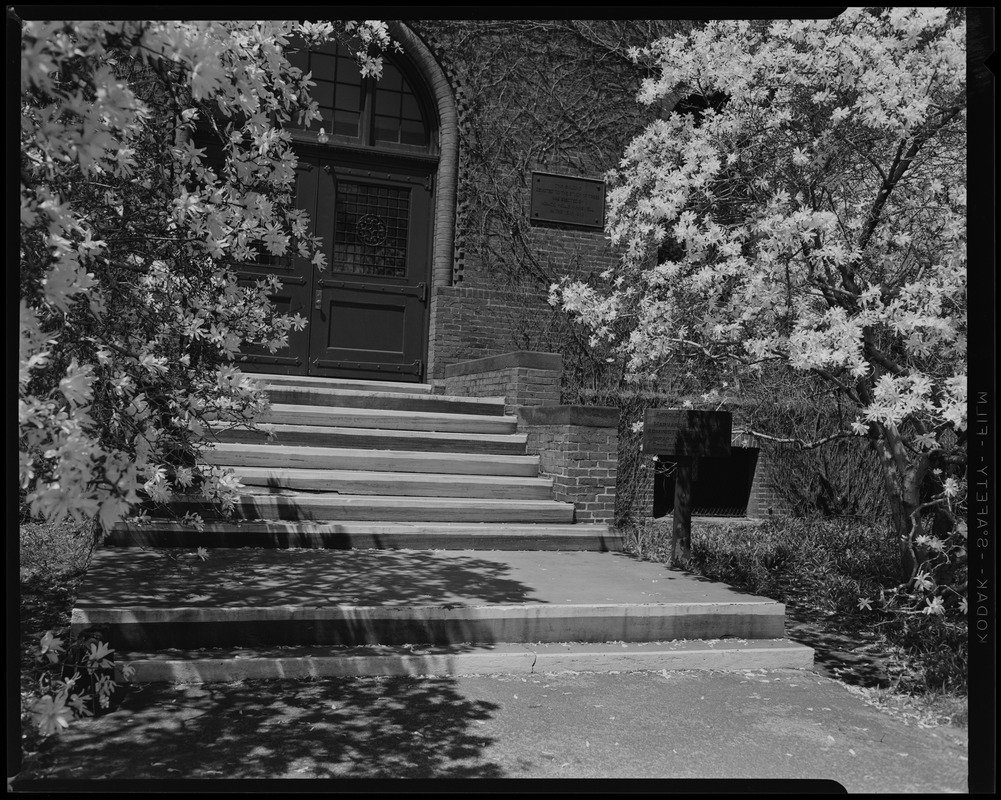
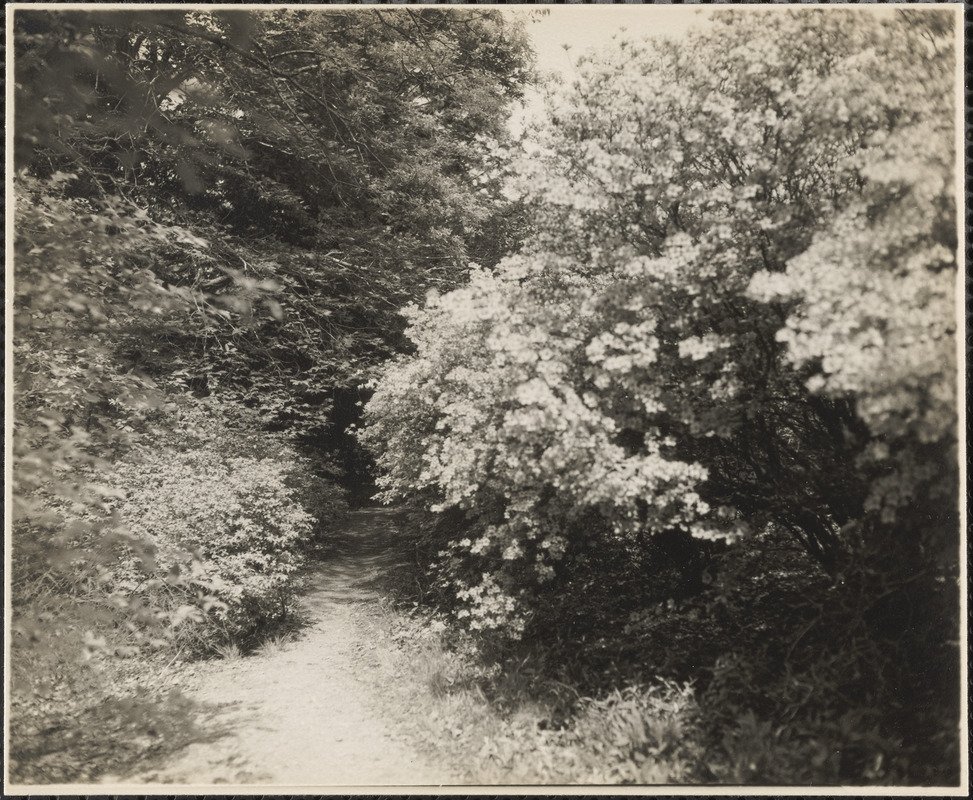
Located in the Jamaica Plain and Roslindale neighborhoods of Boston, Massachusetts, the Arnold Arboretum is North America’s oldest public arboretum and a vital part of Boston’s historic Emerald Necklace park system. Established in 1872 through the philanthropy of James Arnold and on the estate of Benjamin Bussey, the Arboretum is a living museum noted for its rich botanical collections, innovative design by Charles Sprague Sargent and Frederick Law Olmsted, and commitment to conservation, education, and inclusivity. Open daily with free admission, the Arboretum welcomes visitors of all ages and backgrounds to explore its 281 acres of curated landscapes, scenic trails, and educational resources (Arnold Arboretum Official Website).

Historical Background and Cultural Context
Origins and Design
Founded in 1872, the Arnold Arboretum sits on land originally donated by Benjamin Bussey for horticultural use. James Arnold’s bequest enabled Harvard University to establish and develop the Arboretum, with Charles Sprague Sargent as its first director. The landscape was designed by Sargent in collaboration with Frederick Law Olmsted, integrating scientific plant collections with the principles of public park design. Their work created a blend of naturalistic beauty and botanical order, making the Arboretum a model for similar institutions worldwide (Wikipedia - Arnold Arboretum).
Governance and Community Role
The land is owned by the City of Boston and leased to Harvard University for 1,000 years, ensuring public access in perpetuity. Harvard oversees the collections and research, while the City maintains infrastructure and security. This unique partnership guarantees free admission and open hours to all.
Cultural Significance and Inclusivity
The Arboretum acknowledges the Indigenous heritage of the land, historically inhabited by the Massachusett Tribe for over 7,000 years, and addresses the complex legacy of its benefactors, including financial ties to slavery. Through public programming, historical interpretation, and community engagement, the Arboretum fosters inclusivity, reflection, and stewardship (National Park Service - Arnold Arboretum).
Scientific Mission and Plant Collections
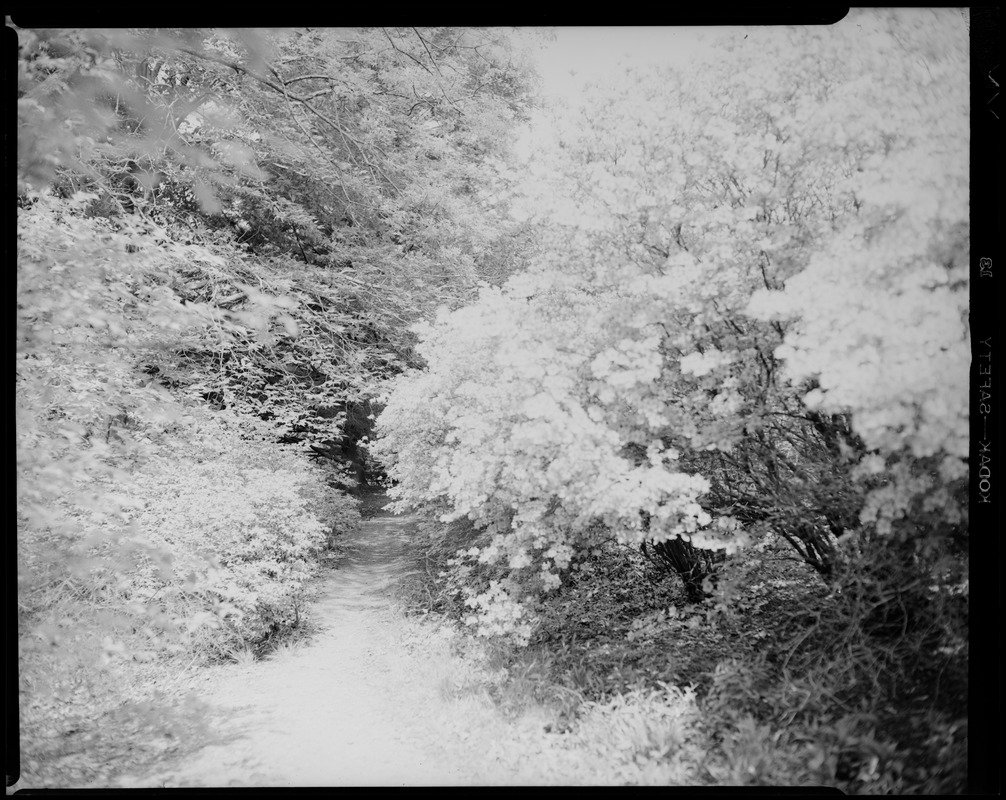
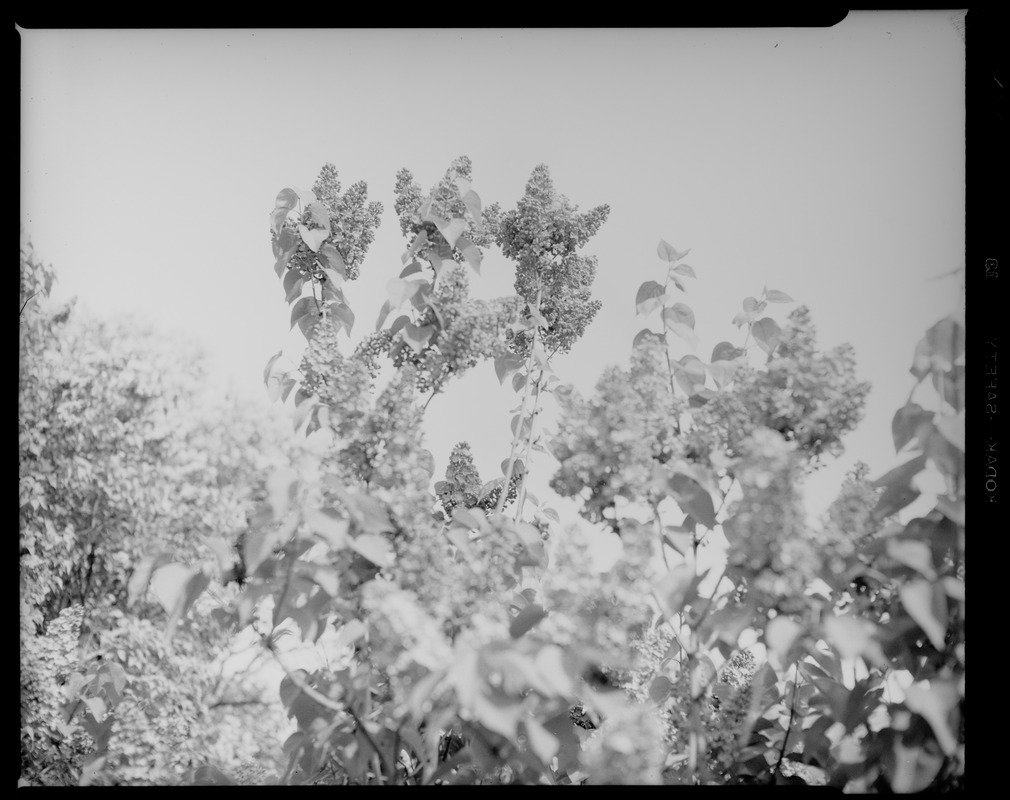
The Arboretum is renowned for its living collections of temperate woody plants from eastern North America and East Asia, representing over 17,000 individual specimens. This “living laboratory” supports botanical research, conservation, and public education. Key highlights include:
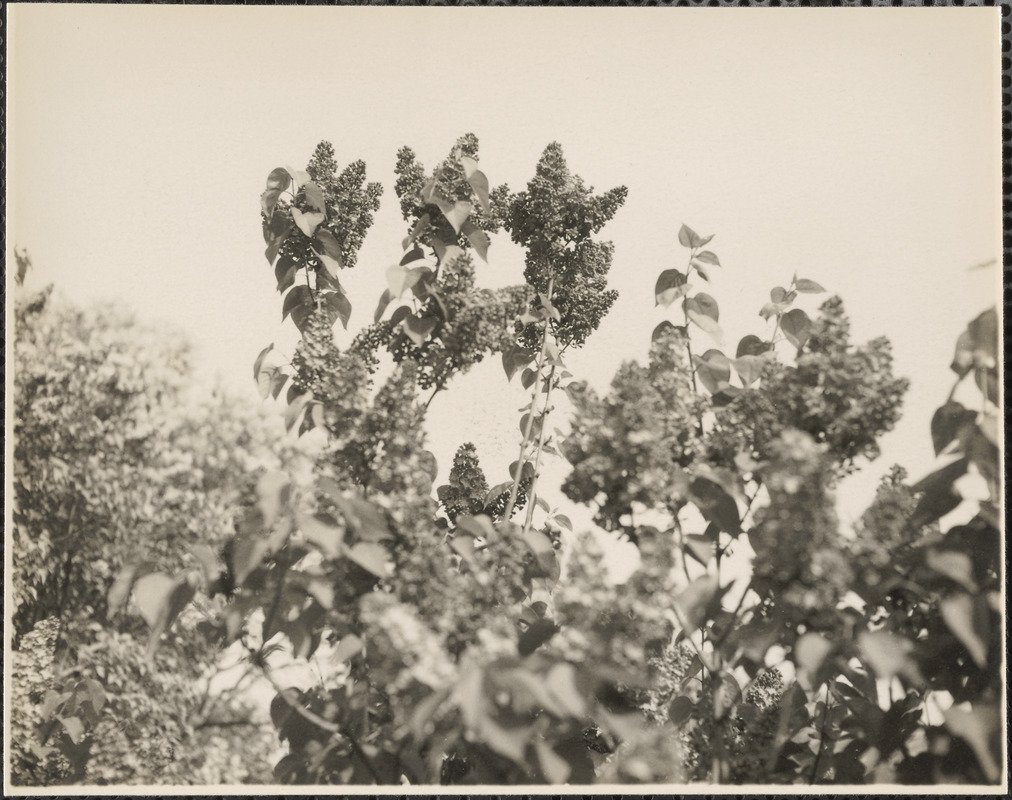
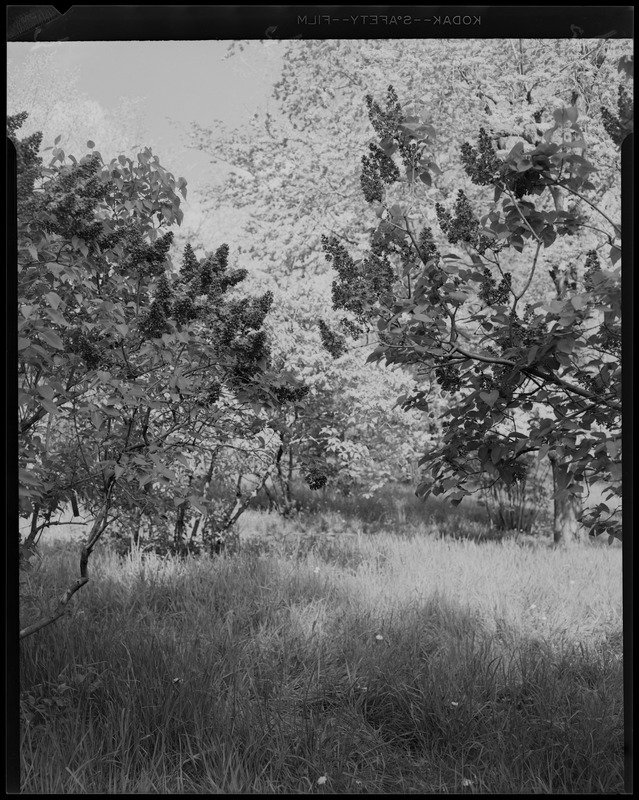
- Lilac, conifer, and maple collections
- The Bradley Rosaceous Collection
- Bonsai & Penjing Collection
- Diverse meadows, woodlands, and Peters Hill, the Arboretum’s highest point
Harvard University’s management ensures that the Arboretum continues to contribute to global plant research and conservation efforts (Harvard Arboretum Visitor Guidelines).
Visitor Information
Visiting Hours
- Grounds: Open daily, sunrise to sunset, year-round
- Hunnewell Visitor Center: Typically open 10:00 AM–4:00 PM; check the official website for seasonal variations
Admission and Tickets
- Admission: Free for all visitors; no tickets required
Accessibility
- Wheelchair-accessible paths and ramps are available throughout the grounds and Visitor Center
- Service animals are welcome in compliance with the ADA
- For accessibility assistance, contact 617-384-5209 or [email protected]
- The Arboretum supports Aira visual interpreting for visitors who are blind or have low vision (Accessibility Info)
Guided Tours and Events
- Free guided tours are offered seasonally, covering plant science, history, and ecology
- Special events include Lilac Sunday, educational workshops, and family programs (Arboretum Events)
- Check the event calendar for upcoming activities and registration
Directions and Parking
- Address: 125 Arborway, Boston, MA
- Public Transit: Take the MBTA Orange Line to Forest Hills Station, then MBTA bus 39 to the main entrance (MBTA Transit Info)
- Parking: Free street parking is available along Arborway, Bussey Street, and Walter Street; arrive early during peak seasons (Arboretum Directions & Parking)
Facilities and Amenities
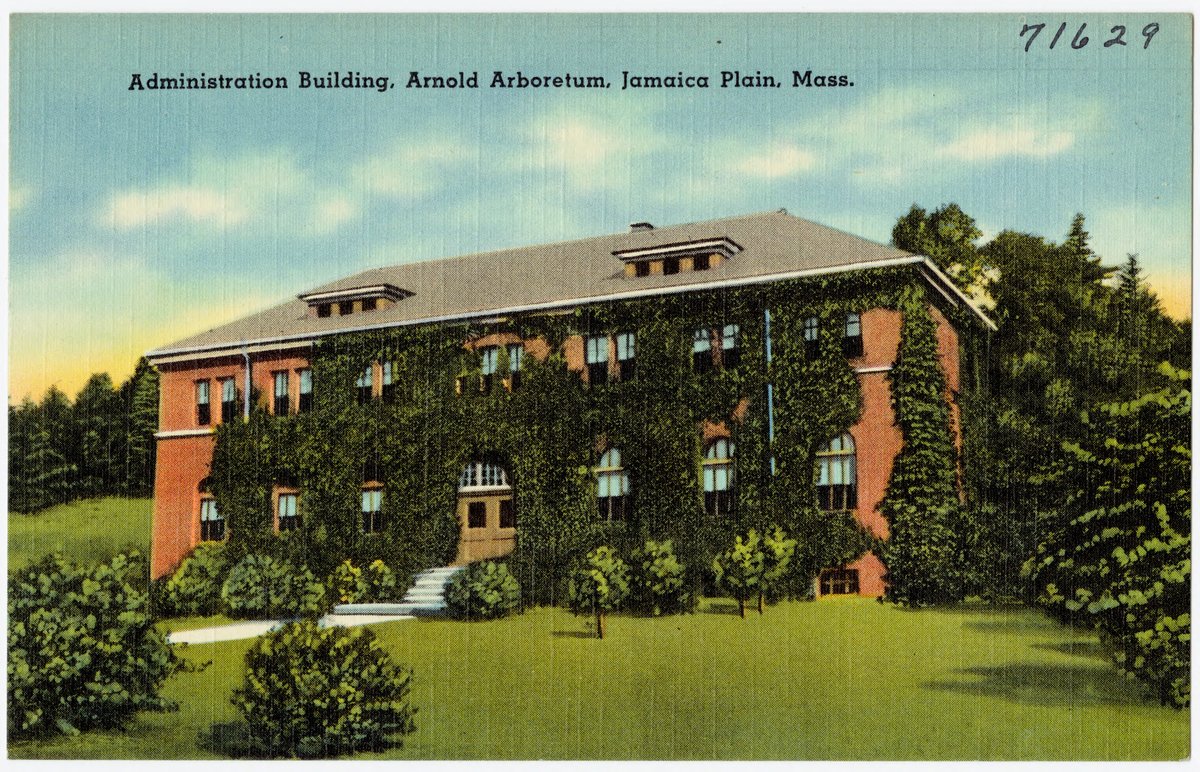
- Hunnewell Visitor Center: maps, restrooms, water fountains, exhibits, and a horticultural library
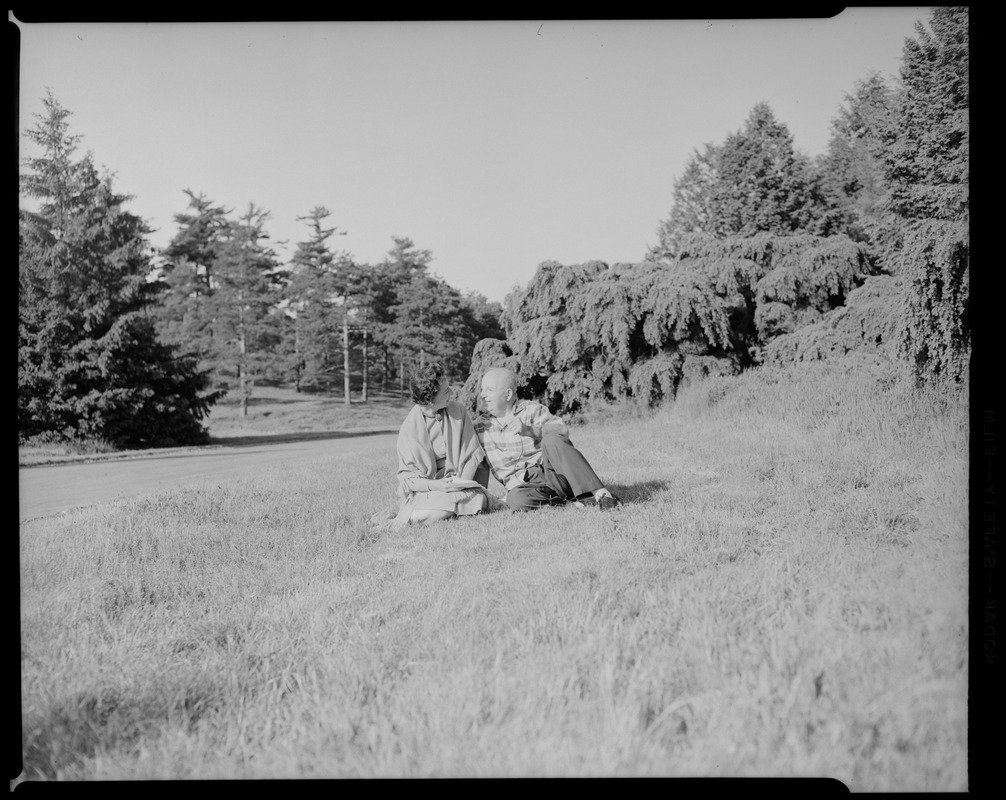
- Picnic areas and benches throughout the grounds
- Dogs are allowed but must be leashed and under owner control
- Bicycles permitted on paved roads only; not allowed on walking paths
Tips for Visiting
- Wear comfortable walking shoes and dress for the weather
- Bring a reusable water bottle
- Stay on marked trails and respect plant collections
- Use public transit to avoid parking congestion during busy periods
Activities and Experiences
Self-Guided Exploration
- Download the Expeditions mobile app for self-guided tours and seasonal highlights
- Interactive and printable maps are available online and at the Visitor Center (Arboretum Maps)
Family-Friendly Programs
- Activities for children and families, including scavenger hunts and “Little Explorers” educational sessions (Arboretum Family Activities)
Birdwatching and Wildlife
- The Arboretum is home to a variety of birds including hawks, finches, and falcons; best viewed in early morning or late afternoon (BU Today)
Photography and Scenic Views
- Notable photo spots: Peters Hill (panoramic Boston skyline), Bradley Rosaceous Collection, and seasonal flower beds (The Tourist Checklist)
Seasonal Highlights
- Spring: Lilacs, magnolias, and cherry blossoms (Lilac Sunday Event Details)
- Summer: Lush greenery and active wildlife
- Autumn: Brilliant fall foliage, especially in late October (English Leaflet - Boston Trip Itinerary)
- Winter: Quiet snowscapes and bark identification walks
Nearby Attractions
- Boston’s Emerald Necklace: Explore adjacent parks designed by Olmsted
- Jamaica Pond: Ideal for picnics and boating
- Franklin Park Zoo: Family-friendly wildlife experiences
- Forest Hills Cemetery: Historic landscape and sculpture garden
- Museum of Fine Arts, Boston: Art and cultural exhibits
Frequently Asked Questions (FAQ)
Q: Are tickets required to enter the Arnold Arboretum?
A: No, admission is free and no tickets are required.
Q: What are the visiting hours?
A: The grounds are open every day from sunrise to sunset.
Q: Are dogs allowed?
A: Yes, but they must be leashed at all times.
Q: Is the Arboretum wheelchair accessible?
A: Yes, accessible paths and facilities are available.
Q: Are guided tours available?
A: Yes, free tours are offered seasonally; check the official website for schedules.
Q: Can I bring food and picnic?
A: Yes, picnicking is allowed in designated areas; please clean up after yourself.
Q: Are bicycles allowed?
A: Bicycles are permitted on paved roads only.
Listen to the full story in the app
The whole Arnold Arboretum,
told well.
Audio guides for 1,100+ cities across 96 countries. History, stories, and local insight — offline ready.
Verified, and shown.
Researched and written by the Audiala editorial team from historical records, architectural archives, and local expertise.
Researched from Wikidata, Wikipedia & official sources · fact-checked · How we make our guides →