
Historical Development of Andrew Station
Early Years and Expansion (1918–1927)
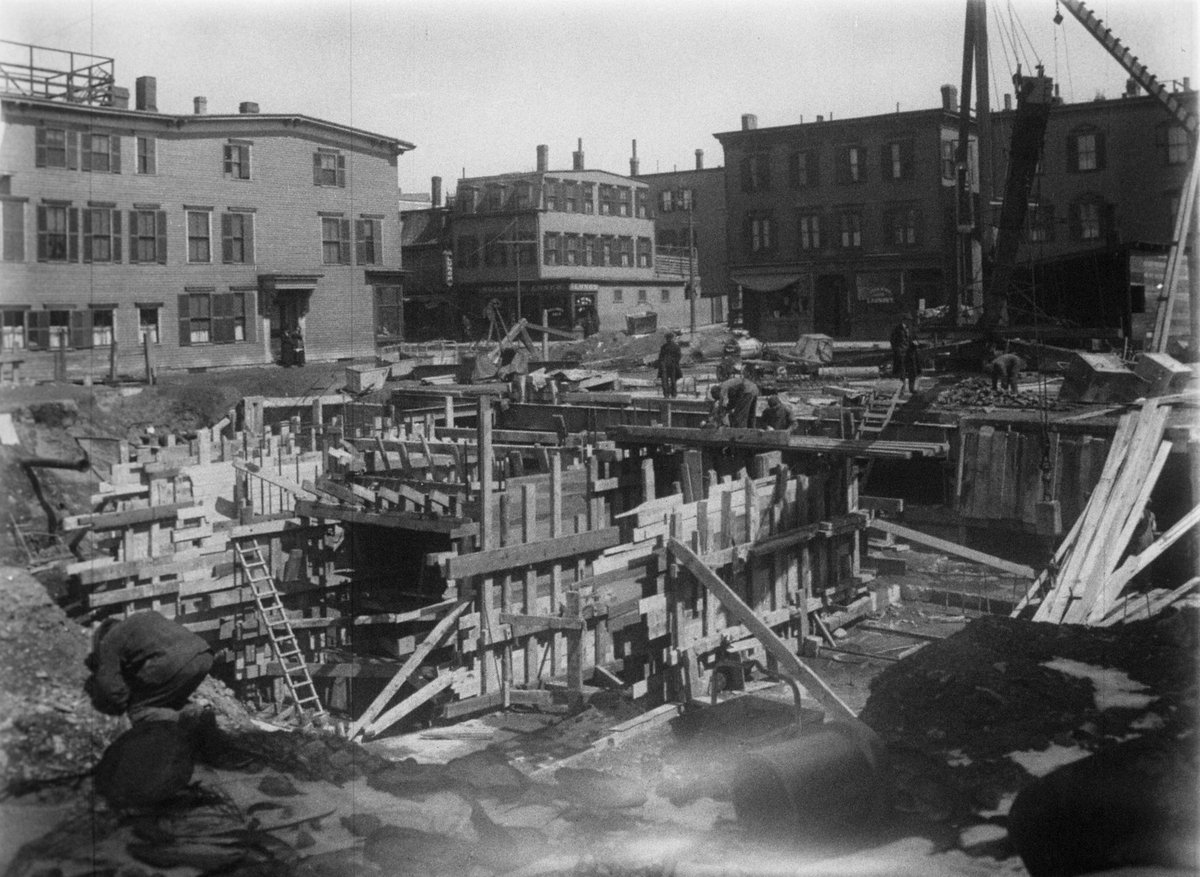
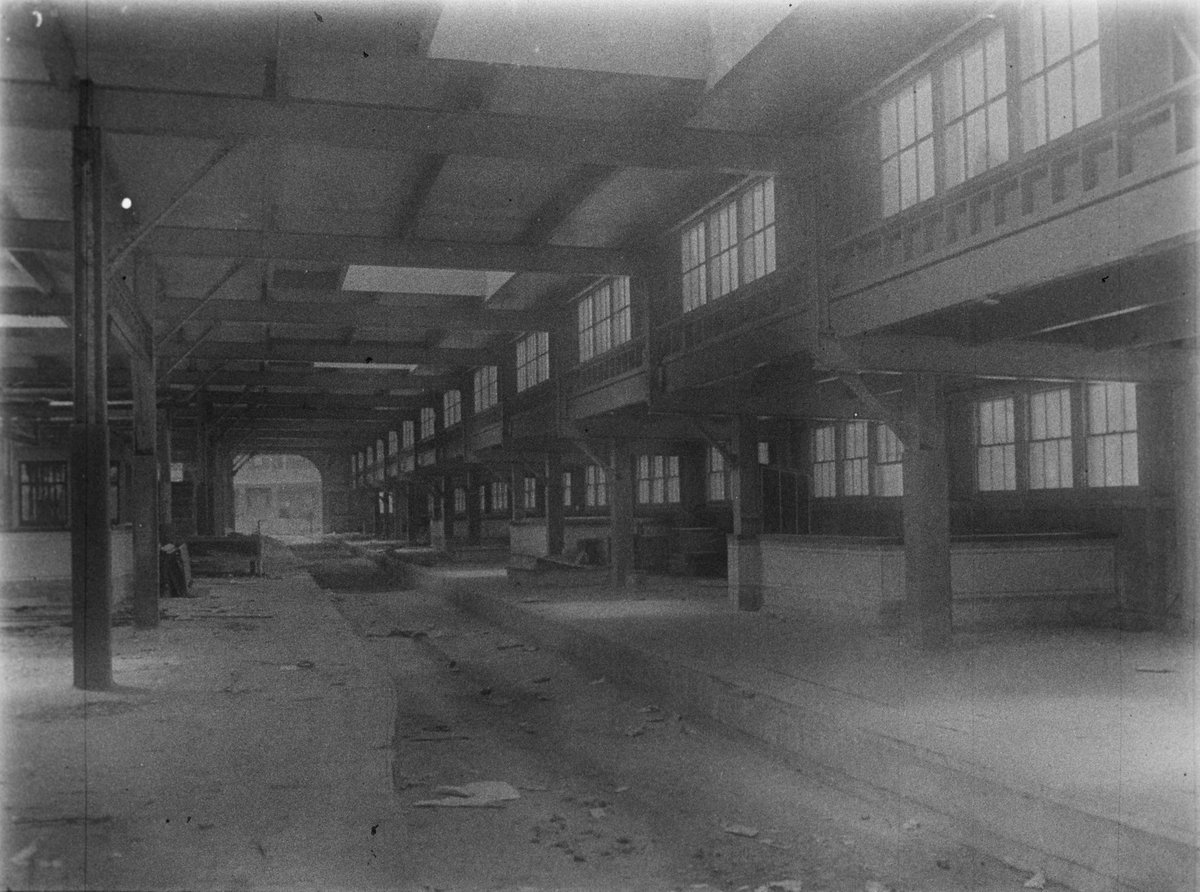
Andrew Station opened its doors in June 1918 at the intersection of Dorchester Avenue, Dorchester Street, Southampton Street, and Boston Street, quickly becoming a central node in Boston’s expanding transit network (Wikiwand). Named for Civil War-era Governor John Albion Andrew, it supplanted Broadway as the main streetcar hub for South Boston. Its original configuration featured a multi-track streetcar station at street level, directly connecting to the rapid transit platforms below—a forward-thinking integration that made transfers seamless between surface and subway lines.
The station remained the terminus of the Cambridge–Dorchester line until 1927, when the Ashmont branch opened, extending service south to additional neighborhoods and embedding Andrew Station firmly within Boston’s growing rapid transit framework (Wikiwand).
Infrastructure Evolution (1927–1962)
As transit needs shifted, Andrew Station’s infrastructure evolved. The transition from streetcars to trackless trolleys and then to buses led to multiple reconfigurations of fare mezzanines and stairways. Streetcars and trolleys originally accessed the station from Dorchester Avenue, but with the 1962 conversion to bus service, surface traffic flow was reversed to better accommodate buses (Wikiwand).
Between 1971 and 1988, Andrew Station was the southernmost transfer point between the Ashmont and Braintree branches of the Red Line, serving as a vital interchange until the JFK/UMass second platform opened (Wikiwand).
Modernization and Renovation (1990–1994)
By the mid-1980s, Andrew Station’s platforms were extended for six-car trains, but the station itself required major updates. Responding to community advocacy, the MBTA launched a comprehensive renovation from 1990 to 1993. This overhaul included a new bus shed, underground passageways, and a crossover mezzanine, as well as new elevators for full accessibility (Wikiwand).
The renovation balanced modern needs with historic preservation, keeping elements like the original 1920s wood frame toll booth—now displayed in the crossover lobby. These improvements ensured Andrew Station remained both functional and historically significant (Wikiwand).
Recent Upgrades and Accessibility
In 2019, all three station elevators were replaced and upgraded, maintaining ADA compliance and ensuring barrier-free access for all passengers (Wikiwand). Continuous improvements reinforce the MBTA’s commitment to universal accessibility and modern functionality.
Architectural and Cultural Significance
Historic Design and Urban Integration
Andrew Station’s original architecture reflected early 20th-century priorities: efficient passenger flow and integration with the surrounding cityscape. Its multi-track streetcar station and subway connections anticipated the needs of a rapidly growing metropolis (Wikiwand). The station’s location at a major South Boston intersection solidified its role as a neighborhood anchor.
Preservation and Public Art
During the 1990–1994 renovation, special care was taken to preserve historic elements. The restored toll booth offers a tangible connection to the station’s early years. The Andrew Station Time Capsule, a public art installation by Ross Miller, consists of 14 suspended stainless steel boxes containing items from the 1993 renovation—scheduled to be opened in 2068 (Wikiwand). This artwork not only enhances the station visually but also serves as a bridge between generations.
Andrew Station in Boston’s Urban and Community Context
Neighborhood Impact
More than just a transit stop, Andrew Station is a landmark in South Boston—a neighborhood known for its immigrant history and dynamic urban character. The station has shaped the development of Andrew Square and its environs, supporting local businesses and serving as a gateway for generations of residents (Boston Preservation Alliance).
Community Advocacy and Preservation
Community advocacy played a crucial role in Andrew Station’s modernization, ensuring both historical preservation and functional upgrades. The inclusion of public art and original design features reflects ongoing efforts to celebrate the city’s transit heritage while serving modern needs (Boston Preservation Alliance).
Visitor Information
Hours and Access
Andrew Station operates in accordance with MBTA Red Line hours: generally from approximately 5:30 AM to 12:50 AM daily. Service frequency varies during early morning, late evening, and holidays. For the latest schedules, check the MBTA website.
Ticketing and Fare Options
Tickets are available via CharlieCard or CharlieTicket vending machines at the station. Fare options include:
- Single Ride $2.40 with a CharlieCard
- 1-Day Unlimited Pass $11.00
- 7-Day Unlimited Pass $22.50
Discounts are available for seniors, students, and people with disabilities (MBTA Fares). Mobile ticketing is also supported.
Accessibility Features
Andrew Station is fully ADA compliant with elevators, ramps, tactile signage, and designated seating. Recent upgrades have improved both platform accessibility and wayfinding throughout the station (MBTA Official).
Transit Connections and Local Tips
Andrew Station is a major transfer point for several MBTA bus routes, serving South Boston, Dorchester, and surrounding neighborhoods (MBTA Red Line Schedule). Transfers between subway and bus services are swift, with sheltered busways protecting passengers from the elements (Miles in Transit).
- To Logan Airport Take the Red Line to South Station and transfer to the Silver Line SL1 bus (MBTA Airport Info).
- Bicycles Allowed on the subway during off-peak hours.
- Pets Service animals are always permitted; non-service pets must be leashed.
Nearby Landmarks and Attractions
Andrew Station provides direct access to:
- South Bay Center Shopping and dining
- Our Lady of Czestochowa Parish
- Dorchester Heights National Historic Site
- Carson Beach and M Street Beach
- Castle Island and Sullivan’s (classic New England fare)
- Downtown Crossing, Park Street, and Harvard Square via the Red Line
For cultural events, festivals, and local tours, Andrew Station is an ideal starting point (Meet Boston Events).
Notable Features for Visitors
Time Capsule and Historical Displays
Don’t miss the Andrew Station Time Capsule, a unique public art installation by Ross Miller. The restored 1920s toll booth is also on display, providing a rare glimpse into the station’s operational history (Wikiwand).
Modern Amenities
Andrew Station boasts modern amenities including free Wi-Fi, real-time schedule displays, and an easy-to-navigate layout. The station is monitored for safety, and MBTA staff are available during peak hours.
Frequently Asked Questions (FAQ)
Q: What are Andrew Station’s visiting hours?
A: Andrew Station is open with the MBTA Red Line schedule, typically from 5:30 AM to 12:50 AM.
Q: How do I purchase tickets?
A: Use ticket vending machines at the station for CharlieCards, CharlieTickets, or mobile ticketing.
Q: Is Andrew Station accessible for people with disabilities?
A: Yes, with elevators, ramps, tactile signage, and designated seating.
Q: Are pets allowed?
A: Service animals are allowed at all times; other pets must be leashed and may be restricted during peak hours.
Q: What bus routes serve Andrew Station?
A: Multiple MBTA routes connect South Boston, Dorchester, and local attractions.
Q: Is parking available near Andrew Station?
A: Limited street parking is available; public transit is recommended due to city traffic.
Summary and Key Takeaways
Andrew Station is a vibrant, historic, and fully accessible hub within Boston’s world-class transit network. Its blend of preserved history, public art, modern amenities, and seamless connectivity make it an ideal gateway to both local neighborhoods and the city’s top attractions. Whether you’re a daily commuter, history enthusiast, or first-time visitor, Andrew Station offers a unique window into Boston’s past and present.
Stay informed about schedules and service updates by visiting the MBTA website or using real-time transit apps like Audiala. Experience the intersection of Boston’s rich heritage and modern urban life at Andrew Station.