Plan and listen to African Meeting House with Audiala.
Audio guide in your pocket, itinerary in your browser. Built for the way you actually visit.
Introduction
Located at 46 Joy Street in Boston’s historic Beacon Hill neighborhood, the African Meeting House stands as a testament to African American resilience, activism, and community building. Built in 1806 by free Black artisans, it is the oldest surviving Black church building in the United States and a powerful symbol of the enduring fight for equality. Today, as part of the Museum of African American History, the Meeting House offers visitors guided tours, educational programming, and exhibits that illuminate its rich legacy and ongoing significance in American history (National Park Service; Buildings of New England; The West End Museum).
This comprehensive guide will help you plan your visit, detailing current hours, ticketing, accessibility, nearby attractions, and tips for an enriching experience at one of Boston’s most important historic sites.
The African Meeting House was born out of necessity. Excluded from white churches, Boston’s free Black community established their own sacred space, creating the African Baptist Church in 1805. Led by figures such as Reverend Thomas Paul and fundraiser Cato Gardner, the congregation constructed the Meeting House in 1806, marking a foundational moment for African American self-determination (Primary Research; Buildings of New England).
More than a church, the Meeting House became a center for education, political activism, and abolitionism. It housed the African School for Black children, served as a meeting place for the New England Anti-Slavery Society, and welcomed prominent abolitionists like Frederick Douglass and William Lloyd Garrison (Britannica; National Park Service).
Today, it is a National Historic Landmark, a cornerstone of the Boston Black Heritage Trail®, and a vivid reminder of the power of collective action in the face of adversity.

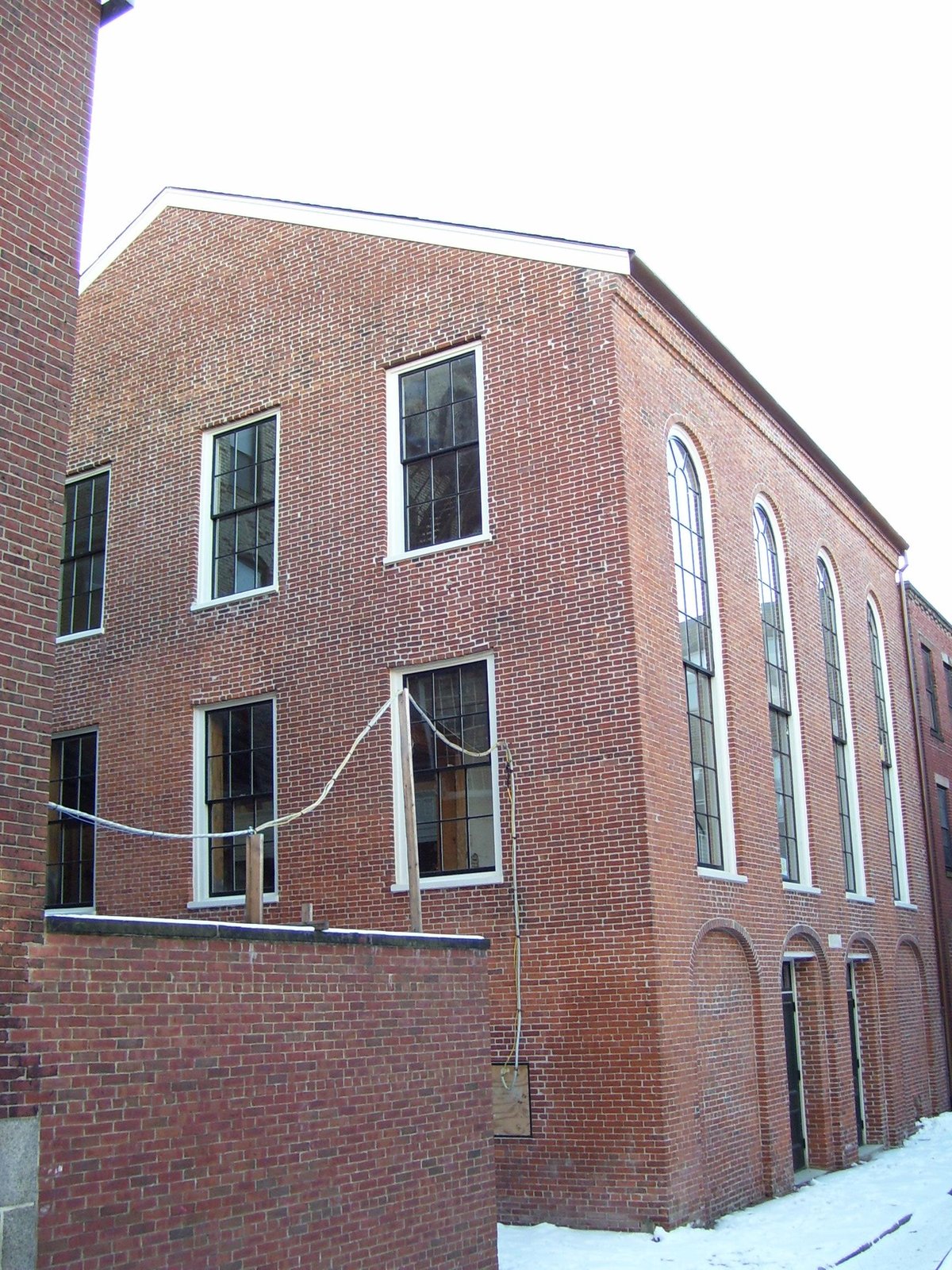
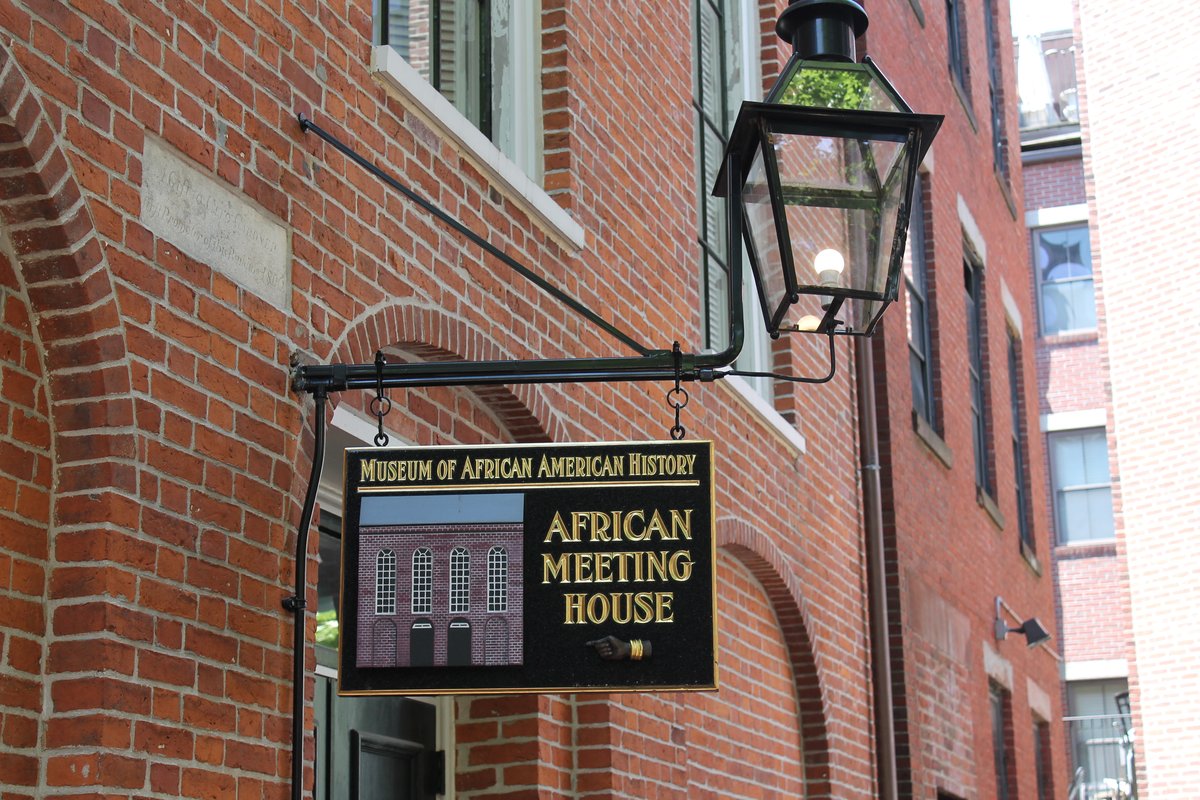
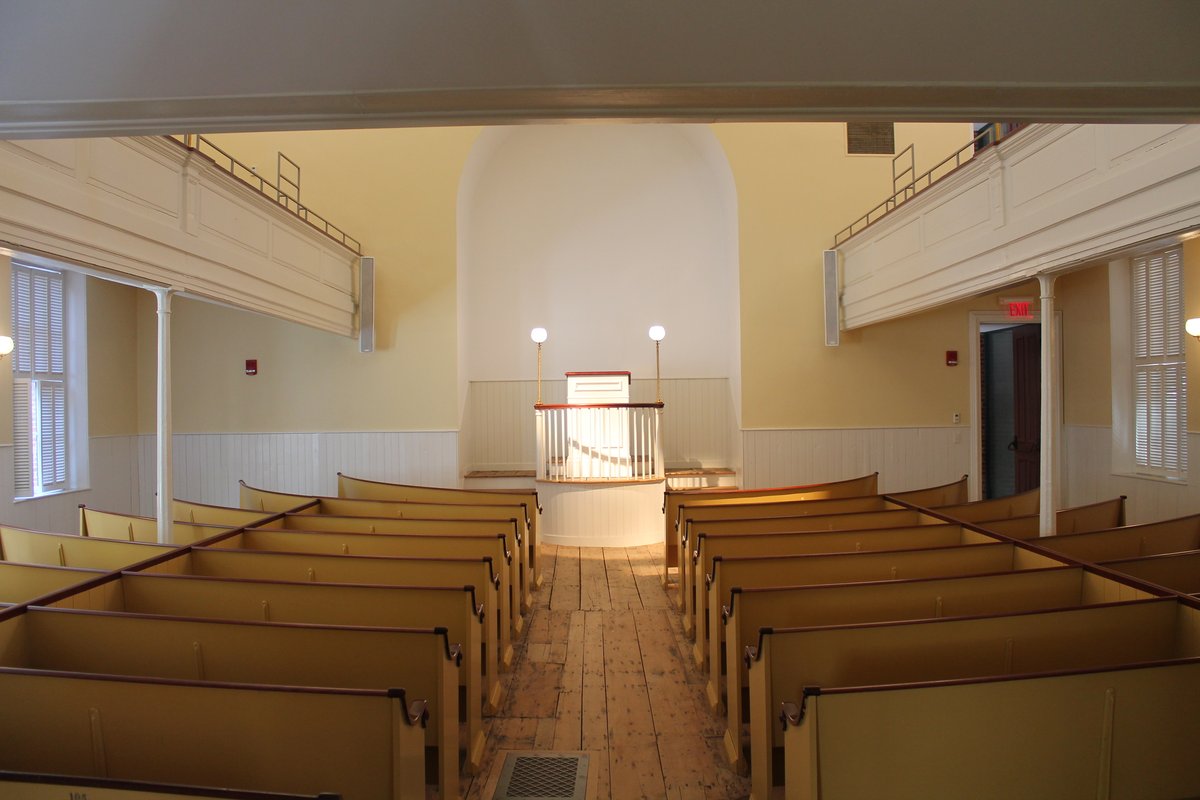
Construction and Early Years (1805–1806)
- Founding: The African Baptist Church was established in 1805 by 24 founding members, including 15 women, to meet the spiritual and communal needs of Boston’s Black residents (Buildings of New England).
- Construction: Under Reverend Thomas Paul’s leadership, and with funds raised by Cato Gardner (including $1,500 from community efforts), construction began in 1806. The final cost was $7,700, with contributions from both Black and sympathetic white Bostonians (NPS).
- Design: The Meeting House is an excellent example of Federal-style architecture, attributed to Asher Benjamin, and retains much of its original form today (Step Boston).
Role in Abolitionism and Civil Rights
The African Meeting House was integral to the 19th-century abolitionist movement. It hosted the founding of the New England Anti-Slavery Society in 1832 and provided a platform for historic voices in the struggle against slavery, including Frederick Douglass, Maria Stewart, and William Lloyd Garrison. The Meeting House also supported the Underground Railroad and served as a recruitment site for the Massachusetts 54th Volunteer Regiment during the Civil War (Britannica; National Park Service).
Educational and Community Impact
Education was central to the Meeting House’s mission. From 1808 to 1835, the African School operated on the premises, providing instruction to Black children excluded from white schools. The Meeting House also hosted adult education, public lectures, and community celebrations such as Haitian Independence Day and the abolition of the international slave trade (Buildings of New England; National Park Service).
Architectural Features and Preservation
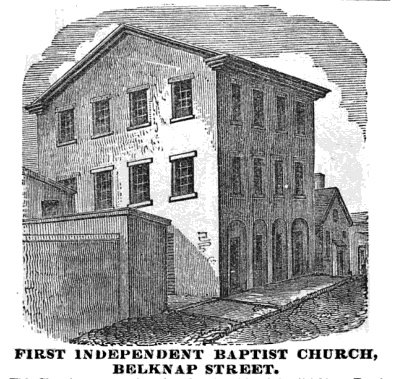
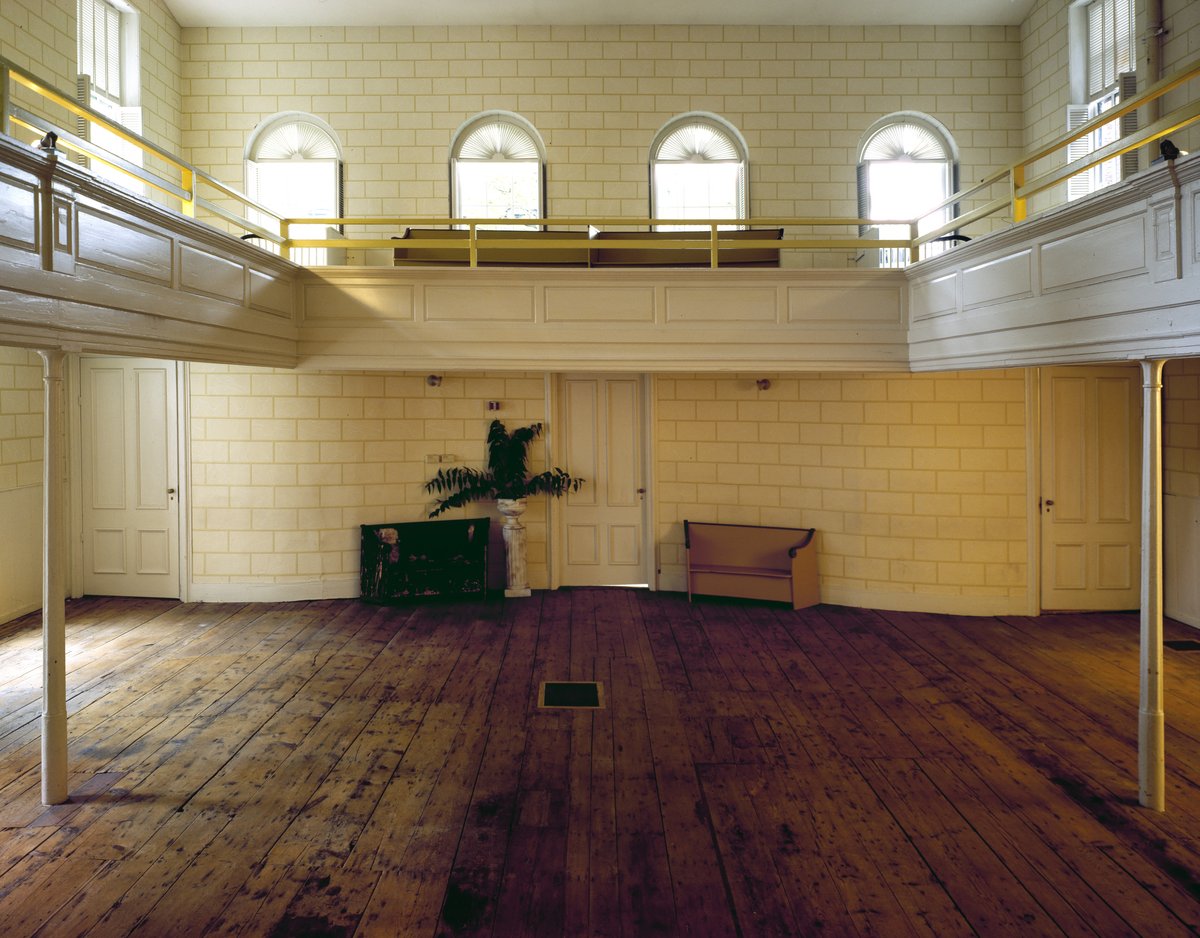
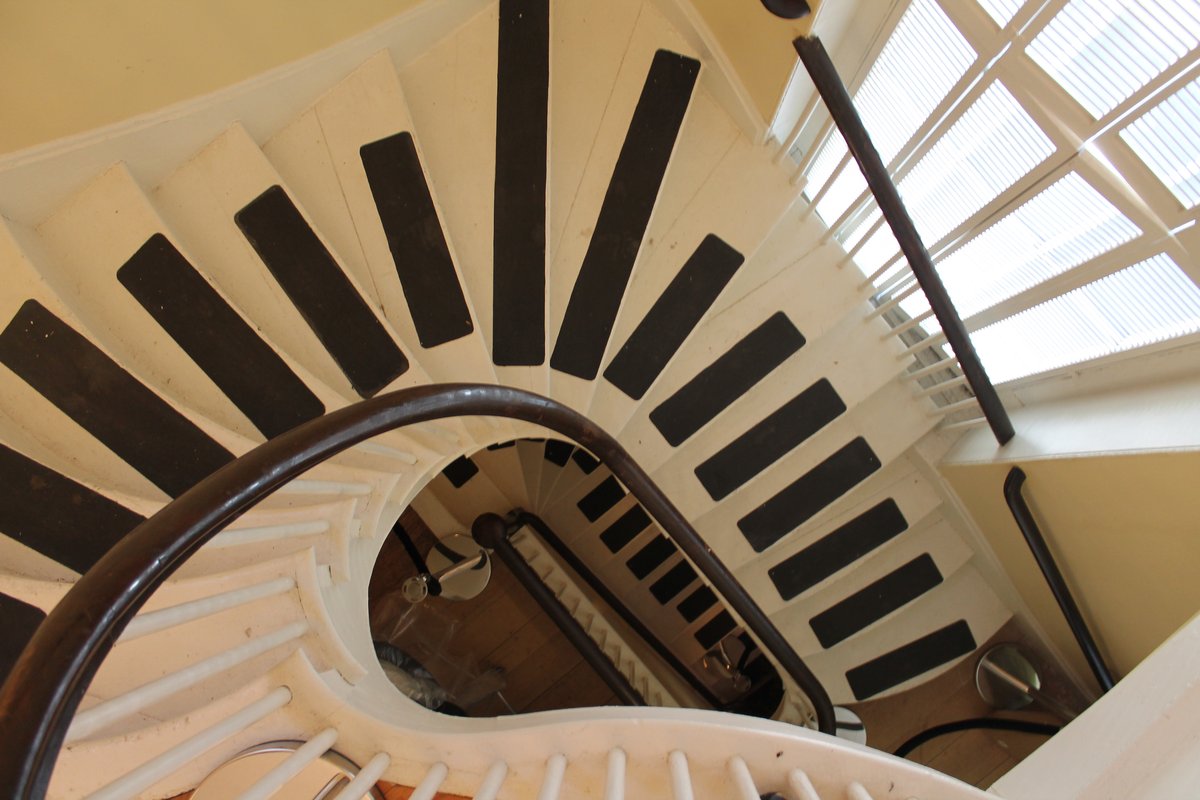
- Structure: The Meeting House’s three-story brick façade, tall windows, and dignified sanctuary reflect the Federal style and the aspirations of its builders (The West End Museum).
- Restoration: After serving as a synagogue from 1898 to 1972, the Meeting House was acquired and restored by the Museum of African American History, preserving its 1855 appearance (Britannica).
- Recognition: It was designated a National Historic Landmark in 1974 and remains a key stop on the Boston Black Heritage Trail® (NPS).
Visiting Information: Hours, Tickets & Accessibility
- Location: 46 Joy Street, Boston, MA 02114 (Museum of African American History)
- Hours: Typically open Wednesday through Sunday, 10:00 AM to 5:00 PM. Hours may vary on holidays or for special events. Always confirm on the official website.
- Tickets: General admission is $10 for adults, $7 for seniors and students, and free for children under 12. Tickets are available online or at the entrance. Group tours and special events may require advance booking.
- Accessibility: The building is wheelchair accessible with ramps and elevators. For specific needs, contact the museum ahead of your visit (nps.gov).
- Guided Tours: Docent-led tours run several times daily and are included with admission. Audio guides and self-guided materials are also available.
Nearby Attractions and Suggested Itineraries
- Abiel Smith School: Adjacent to the Meeting House, this is the first U.S. building constructed for a Black public school (savingplaces.org).
- Boston Black Heritage Trail®: A 1.6-mile walking route connecting 14 historic sites related to Boston’s Black history (nps.gov).
- Boston Common & Massachusetts State House: Both within walking distance, ideal for pairing with your visit.
- Acorn Street: One of the most photographed streets in the country (mywanderlustylife.com).
Facilities and Amenities
- Restrooms and Gift Shop: On-site restrooms and a small gift shop with books and locally made crafts.
- Accessibility: Ramps and elevators ensure access for visitors with mobility needs.
- Photography: Allowed in most areas without flash or tripods.
- Event Rentals: The sanctuary and courtyards are available for private events by arrangement (maah.org/boston-location).
Special Events and Programming
- Juneteenth Open House: Free admission, performances, workshops, and community celebrations (maah.org/events).
- Reading Frederick Douglass Together: Annual public reading of “What to the Slave is the Fourth of July?”
- Interactive Exhibits: Digital displays and occasional AI-powered holograms of historical figures (maah.org/events).
- Family Activities: Drum circles, art workshops, and storytelling sessions throughout the year.
Check the Museum of African American History’s events calendar for the latest programming.
Frequently Asked Questions (FAQ)
Q: What are the African Meeting House’s visiting hours?
A: Typically Wednesday to Sunday, 10:00 AM to 5:00 PM. Always confirm on the official website.
Q: How much are tickets and how do I purchase them?
A: General admission is $10 for adults, $7 for seniors/students, free for children under 12. Tickets can be bought online or at the door.
Q: Is the Meeting House wheelchair accessible?
A: Yes, with ramps and elevators. Contact the museum for specific needs.
Q: Are guided tours available?
A: Yes, included with admission and highly recommended.
Q: Can I bring children?
A: Absolutely. The museum is family-friendly and offers interactive exhibits and programs.
Discover More
The African Meeting House is more than a historic building—it is a living monument to the perseverance, activism, and culture of Boston’s Black community. Its story, from sanctuary for free African Americans to a hub of abolitionist organizing, continues to inspire and educate. By visiting, you become part of the ongoing effort to preserve and honor this essential chapter of American history.
Plan your visit by booking tickets in advance, explore the Black Heritage Trail®, and immerse yourself in the Meeting House’s vibrant programming. For more information, visit the Museum of African American History’s official website and the Boston African American National Historic Site. Enhance your experience by downloading the Audiala app for audio guides, and follow museum social media channels for the latest updates.
Listen to the full story in the app
The whole African Meeting House,
told well.
Audio guides for 1,100+ cities across 96 countries. History, stories, and local insight — offline ready.
Verified, and shown.
Researched and written by the Audiala editorial team from historical records, architectural archives, and local expertise.
Researched from Wikidata, Wikipedia & official sources · fact-checked · How we make our guides →