Historical Background
Founding and Early Years (1755–19th Century)
Founded by German immigrants in 1755, Zion Lutheran Church quickly became a spiritual beacon for Baltimore’s growing German community (Zion Church History). Its downtown location was chosen to serve German-speaking residents, and the church maintained uninterrupted German-language services for over 265 years (About Zion). This commitment to heritage has shaped generations of worshippers and preserved a unique cultural identity within the city.
20th Century Growth and Challenges
In the early 1900s, as downtown Baltimore evolved, the congregation debated relocating but ultimately chose to remain, reinforcing its historic roots. The construction of the Parish Hall (Gemeindehaus) in 1912–1913, designed by Theodore Pietsch, represented a period of renewal. The building, inspired by Hanseatic North German architecture, became a hub for church life and the community (Zion in the Early 20th Century). Significant milestones included the installation of a German-cast bell chime and symbolic carvings by local artists. Despite financial challenges, the congregation successfully cleared debts and celebrated its resilience.
Modern Era and Community Impact
Today, Zion Lutheran Church is a registered national historic landmark and continues its tradition with bilingual worship, educational programs, and major cultural events including the Sour Beef Dinner, Christkindlmarkt, and Brats & Beer gatherings (About Zion). Its welcoming spirit and educational initiatives remain central to its mission.
Visiting Information
Hours and Ticketing
- Monday–Friday 9:00 AM – 5:00 PM
- Saturday 10:00 AM – 4:00 PM
- Sunday Open for worship (see website for service times)
Admission:
- Free for all visitors.
- Special events (concerts, festivals) may require tickets—check the official website for details.
Accessibility
- Full wheelchair access via ramps and elevators.
- Accessible restrooms available.
Visitors with specific needs are encouraged to contact the church in advance for personalized assistance.
Guided Tours and Facilities
- Self-guided tours Interactive QR codes throughout the building provide video content and historical context (produced in partnership with the University of Maryland Baltimore County).
- Guided tours Available by appointment or during special events—contact the church office to arrange.
- Facilities Restrooms, fellowship hall, and a tranquil garden are available for visitor use. Child-friendly spaces and activities are provided during services.
Directions and Parking
Address: 400 East Lexington Street, Baltimore, MD 21202-3502
By Public Transit: Accessible via Baltimore Light Rail and bus routes.
By Car: Limited on-site parking; several public garages and street parking options nearby.
Walking: Centrally located for easy access to other downtown sites.
Nearby Attractions
Combine your visit with nearby destinations:
- Baltimore Farmers’ Market & Bazaar
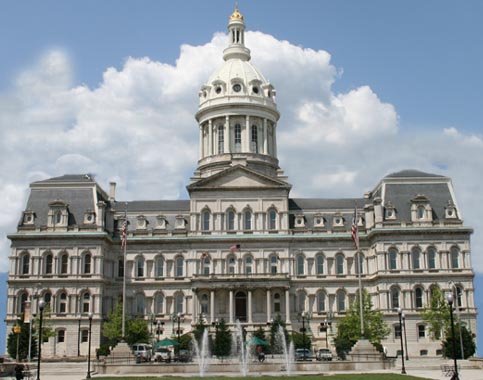
- Baltimore City Hall
- Walters Art Museum
- Mount Vernon Place Historic District
- Maryland Science Center
Architectural and Artistic Highlights
- Neo-Gothic Sanctuary (1807–1808) One of America’s oldest Neo-Gothic ecclesiastical buildings, featuring pointed arches, ribbed vaults, and historic brickwork reminiscent of Northern German churches.
- Parish Hall (Adlersaal, 1912–1913) Hanseatic North German style with a distinctive tower, high ceilings, and woodwork; serves as the site for cultural events and gatherings.
- Stained Glass Windows Notably, the Industry Window commemorates Ottmar Mergenthaler, and other windows celebrate German-American heritage.
- Artifacts and Memorials Includes a piece of the Berlin Wall and memorials to congregation members from both World Wars.
- Ongoing Restoration Regular preservation efforts ensure the longevity of these historic features.
Cultural and Community Life
- German-American Heritage Over 265 years of uninterrupted German-language worship, along with English services, keeps traditions alive.
- Annual Festivals Sour Beef Dinner (October), Christkindlmarkt (post-Thanksgiving), MaiFest (May), and Brats & Bier events draw visitors from across the region.
- Education The German Language School (since 1835) and the Zion Forum for German Culture offer classes, lectures, and community engagement.
- Music Renowned choir and sacred music programs enrich both worship and community events.
- Recognition Listed on the National Register of Historic Places for its historical and cultural significance.
Frequently Asked Questions (FAQ)
Q: What are the visiting hours?
A: Monday–Friday 9:00 AM–5:00 PM, Saturday 10:00 AM–4:00 PM, Sunday open for worship (see website).
Q: Is admission free?
A: Yes, general admission is free. Special event tickets may apply.
Q: Are guided tours available?
A: Yes, by appointment or request.
Q: Is the church accessible for people with disabilities?
A: Yes, full wheelchair access and accessible facilities.
Q: Can I take photographs?
A: Photography is welcome in public areas. Please request permission during services or special events.
Q: Are there services or events in German?
A: Yes, bilingual services and German-language events are held regularly.
Planning Your Visit
- Arrive early for parking and best seating, especially during festivals.
- Check the website or contact the church office for current events, special services, and tour availability.
- Engage with staff and congregation—they are welcoming and knowledgeable about the church’s history.
- Use the Audiala app for an enriched self-guided tour with audio and visual resources.
- Explore the neighborhood—downtown Baltimore offers many additional attractions.