What West Baltimore is
West Baltimore has had a profound impact on the cultural, political, and social fabric of Baltimore and the United States. Its African American institutions, historic landmarks, and community life offer visitors a view of the area’s past and present. Pennsylvania Avenue, once likened to Harlem for its cultural dynamism, was a center of Black entertainment, commerce, and culture.
The neighborhood remains a center for arts, music, and community engagement. Local organizations support creative and revitalization efforts, and annual events such as the AFRAM Festival celebrate its culture. West Baltimore is served by public transit and is close to green spaces such as Druid Hill Park and educational attractions such as the Lillie Carroll Jackson Civil Rights Museum.
History
West Baltimore’s growth was tied to Baltimore’s post-Civil War expansion. Horsecars and later electric trolleys helped develop rowhouse neighborhoods and made it possible for residents to commute to the city center (Maryland State Archives). The area was initially home to European immigrants and a growing Black middle class. During the Great Migration, African Americans became the majority population, and by the early 20th century West Baltimore had become the heart of Black Baltimore.
The neighborhood was an important center for civil rights activism. Churches such as Union Baptist Church and Bethel AME Church served as spiritual institutions as well as centers of political organization and social justice. In 1890, Harry S. Cummings was elected Baltimore’s first African American City Council member, advancing Black political representation (Maryland State Archives). Legal pioneers from the community challenged discriminatory policies and helped overturn residential segregation ordinances in the early 20th century.
From the 1920s to the 1960s, Pennsylvania Avenue flourished as a hub of Black entertainment, commerce, and culture. Jazz musicians including Louis Armstrong performed in local clubs, while the avenue’s theaters and shops supported a lively business district (Baltimore Magazine). The legacy of this period can still be seen in historic architecture, murals, and community celebrations.
The 1968 riots led to business closures and significant economic decline. Discriminatory housing policies and redlining further entrenched poverty and health disparities (Baltimore Magazine). Faith communities, local organizations, and residents have continued to advocate for revitalization and celebrate local heritage through public art and grassroots initiatives.
What to see
Historic sites and landmarks
West Baltimore includes sites recognized as Baltimore City Landmarks (CHAP Landmark List).
- Union Baptist Church A cornerstone of civil rights activism and an active social hub. It is open weekdays 9 AM–5 PM, with free admission, and hosts events.
- Bethel AME Church A historic African Methodist Episcopal congregation, open Sundays for services and by appointment for tours.
- Pennsylvania Avenue Once a thriving Black business and entertainment district, open for public exploration daily.
- Thurgood Marshall’s childhood home Guided tours Saturdays, 10 AM–4 PM; adults $5, students and seniors $3.
- Old West Baltimore Historic District Encompasses neighborhoods such as Madison Park, Upton, and Sandtown-Winchester and is significant to African American history. Guided tours are available through Baltimore Heritage (The Baltimore Banner).
- Upton’s Marble Hill and civil rights landmarks Sites include Union Baptist Church and the former law office of Juanita Jackson Mitchell. Occasional open houses and tours highlight their significance (CBS News Baltimore).
- Poppleton neighborhood UMBC and local groups document Poppleton’s history. Walking tours and events are announced through local listings (Baltimore Traces).
- Justice Thurgood Marshall Amenity Center Opening in December 2025, the center will honor Thurgood Marshall’s legacy and offer historically restored spaces and educational programs. Accessibility features will be available.
Museums and educational attractions
- Lillie Carroll Jackson Civil Rights Museum Guided tours Tuesday–Saturday, 10 AM–4 PM; adults $5, children under 12 free. The museum is wheelchair accessible (The Baltimore Banner).
- B&O Railroad Museum Open daily, 10 AM–5 PM; adults $16. Fully accessible (Holidify).
- Edgar Allan Poe House & Museum Open Thurs–Sun, 12–4 PM; admission $5. Accessibility is limited.
- Reginald F. Lewis Museum Focuses on Maryland’s African American history. Open Wed–Sun, 10 AM–5 PM; adults $12, seniors and students $8.
- Eubie Blake National Jazz Institute and Cultural Center Celebrates Baltimore’s jazz legacy.
Festivals and community events
- AFRAM Festival Baltimore’s largest African American cultural festival, held in early September at Druid Hill Park. Tickets are $10–$30, with family passes available (AFRAM Festival 2025).
- Local gatherings Events such as the Eager Park Concert Series and seasonal fairs offer music, food, and workshops (Bmore Connect).
- Artisanal markets Markets feature local crafts and support community growth. Schedules appear in community newsletters and festival announcements.
Parks and outdoor recreation
- Druid Hill Park Open daily, 6 AM–10 PM. It has trails, playgrounds, a conservatory, and the Maryland Zoo.
- Carroll Park Golf Course A public course open daily from 7 AM to dusk, with resident discounts.
Washington Monument in Baltimore
Erected between 1815 and 1829, this was the first monument in the nation dedicated to George Washington. It was designed by Robert Mills (Baltimore Police transparency hub).
- Hours Tuesday–Sunday, 10 AM–5 PM; closed Mondays and holidays.
- Tickets Free. Reserve timed-entry tickets online for observation deck access.
- Getting there Accessible by public transit and rideshare, with nearby parking garages.
Frederick Douglass - Isaac Myers Maritime Park
The park celebrates the lives of Frederick Douglass and Isaac Myers, with a focus on African American maritime history.
- Hours Tuesday–Sunday, 10 AM–5 PM.
- Admission Adults $10, seniors and students $7, children under 12 free.
- Tours Daily at 11 AM and 2 PM.
- Transportation MTA buses, Metro SubwayLink, Light RailLink, the free Charm City Circulator shuttle, and the Baltimore Water Taxi, which offers scenic access to the waterfront (Baltimore.org).
- Accessibility Fully accessible; MobilityLink is available for assistance.
- Nearby attractions The Reginald F. Lewis Museum and the Baltimore Maritime Festival are within reach.
Practical visiting information
Hours, tickets, and accessibility
Many landmarks operate during business hours, while some require advance registration for tours. Check individual websites for current schedules. Most churches and outdoor sites are free; some museums and historic homes charge admission. Most West Baltimore sites are wheelchair accessible, but contact locations in advance about specific accommodations. Major sites generally offer ramps and accessible restrooms; confirm details with venues.
Transportation and parking
West Baltimore is served by MTA buses and Light RailLink. On-street and lot parking are available near most attractions. Use well-lit areas and secure parking. For routes, consult the Baltimore.org transportation guide.
Guided and self-guided tours are available. Marker systems for self-guided tours are being developed.
Community life and organizations
Churches remain social anchors, while local businesses, bakeries, and restaurants help foster neighborhood identity (Baltimore Magazine). Public art, festivals, and youth programs reflect the area’s creativity and resilience.
Groups such as the Upton Planning Committee organize heritage tours and community projects (The Baltimore Banner). Churches including Union Baptist Church host events and continue to serve as social hubs (CBS News Baltimore).
Visitor tips
- Attend guided tours and heritage walks to learn more about local history (Maryland State Archives).
- Support local businesses by shopping and dining locally; this contributes to economic revitalization (AFRAM Festival 2025).
- West Baltimore is a living community. Ask permission before photographing people or private property.
- Stay on main streets, remain aware of your surroundings, travel in groups, and consult local guides for current safety advice. Use rideshare or transit for convenience.
- Participate in community festivals and art walks for local engagement (Baltimore Events).
- At the Washington Monument, wear comfortable shoes, bring a phone charger, and travel light. Visit during daylight, stay aware, use reputable transportation at night, and secure belongings.
- Plan thoughtfully, use official resources and mobile apps like Audiala for tours and updates, and engage with community initiatives.
Nearby places
- Druid Hill Park An urban park with trails, a conservatory, playgrounds, and the Maryland Zoo.
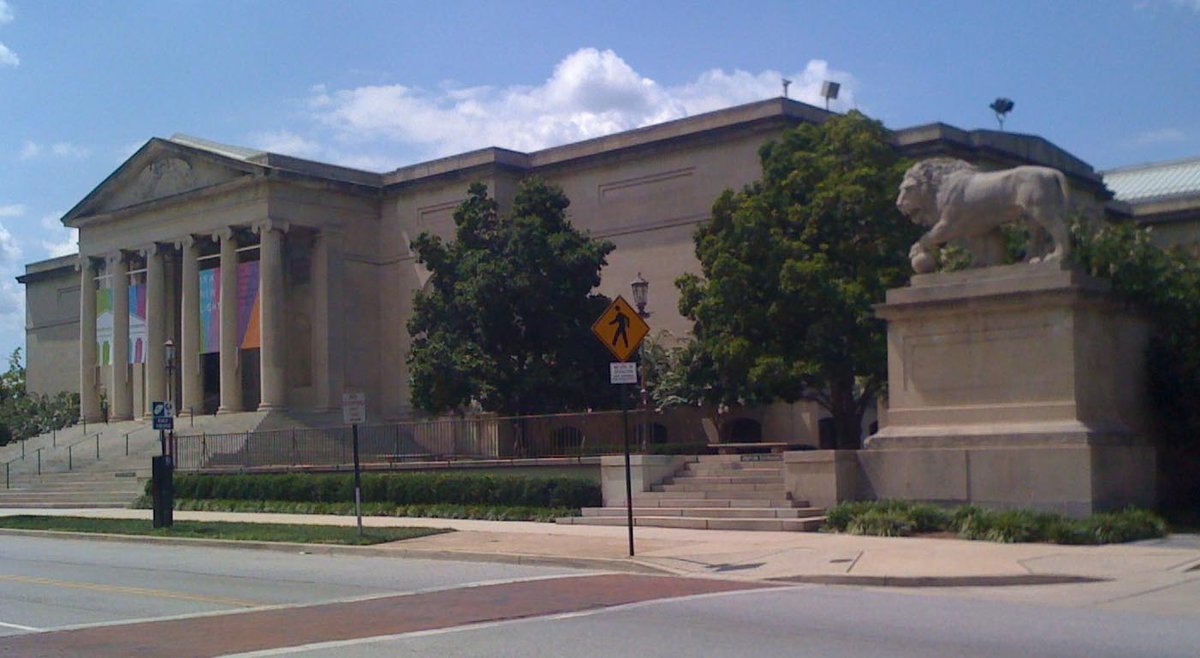
- Baltimore Museum of Art A major art museum within a short drive.
- Lexington Market and local crab houses Places to try steamed crabs and crab cakes.
- Neighborhood diners Offer pit beef and soul food. Caribbean, African, Mexican, and Thai food options are also nearby.
Frequently Asked Questions (FAQ)
What are the visiting hours for key landmarks?
Most are open weekdays 9 AM–5 PM; some offer weekend tours by appointment. Individual sites have their own schedules.
Are there entrance fees?
Many churches and outdoor sites are free; some museums and historic homes charge a nominal fee.
Is the area accessible to visitors with disabilities?
Most major sites offer ramps and accessible restrooms, but confirm details with venues.
How do I get there by public transportation?
West Baltimore is accessible via MTA buses and Light RailLink. Check the Baltimore.org transportation guide for routes.
What safety measures should visitors take?
Remain in populated areas, travel in groups, and follow local safety recommendations.