Introduction
Uplands Park, located in West Baltimore, is a notable destination that seamlessly blends historical heritage with modern urban revitalization. Originally established as a grand Victorian estate in 1850, the park’s evolution—from private mansion to community institution, religious center, and ultimately a focal point of one of Baltimore’s largest urban renewal projects—mirrors the city’s social and cultural transformations. Today, Uplands Park welcomes visitors year-round with free admission, offering walking trails, picnic areas, architectural remnants, and lush green spaces, all accessible and family-friendly.
This guide details Uplands Park’s history, current amenities, visitor information, and nearby attractions, providing practical advice for those eager to explore this remarkable Baltimore landmark. For up-to-date details, refer to official city resources and heritage sites such as Abandoned Online, Baltimore Brew, and Pennrose News.
Origins and Early History
Uplands Park began as a stately Victorian mansion constructed in 1850, originally serving as the summer residence of Mary Frick Garrett Jacobs, a prominent Baltimore socialite and philanthropist. The estate was part of the larger Hunting Ridge property, previously owned by General John Swan, Jacobs’ great-grandfather. In 1885, architect E. Francis Baldwin undertook significant renovations, further establishing the mansion’s Gilded Age grandeur (Explore Baltimore Heritage).
After Jacobs’ death in 1936, the estate was gifted to the Protestant Episcopal Church, with strict stipulations for its maintenance and modernization. By 1952, it had become the Uplands Home for Church Women, a retirement residence that operated until 1986 (Abandoned Online).
Community and Religious Transformation
Following the closure of the retirement home, the property was acquired by the New Psalmist Baptist Church in the early 1990s. The church constructed a large sanctuary and integrated the mansion into its complex. By 2004, after the congregation outgrew the site, the sanctuary was demolished, but the mansion remained a symbolic link between the past and present (Abandoned Online).
Urban Renewal and Green Space Integration
The late 20th and early 21st centuries marked a new chapter as Baltimore’s Department of Housing and Community Development, in collaboration with private developers, initiated a $239 million redevelopment plan. The Uplands Master Plan aimed to transform the distressed housing area into a vibrant, mixed-income neighborhood with over 1,100 new homes, parks, walking trails, and modern amenities. The design sought to emulate the charm of Baltimore’s historic neighborhoods, integrating green spaces as central community features (Baltimore Brew; Uplands Renewal Plan PDF).
A key focus was the creation of accessible and well-landscaped parks, including Uplands Park itself, which serves as the centerpiece of the neighborhood’s rejuvenation. These efforts reflect Baltimore’s long-standing commitment to public green spaces and community health (Baltimore City History PDF).
Visiting Hours, Admission, and Amenities
- Hours: Open daily from dawn to dusk (typically 7:00 AM to sunset).
- Admission: Free; no tickets required for general park access.
- Amenities: Paved walking trails, picnic areas, benches, open lawns, playgrounds, and interpretive signage (where available). Some community club rooms and fitness centers are available for local residents via adjacent housing developments (Pennrose Uplands).
- Facilities: Restrooms and water fountains may be limited; visitors should plan accordingly.
- Accessibility: Most paths are wheelchair- and stroller-friendly, though some areas near the former mansion site may be uneven.
Tips for Visitors
- Comfortable Shoes: Trails vary from paved to natural; sturdy footwear is recommended.
- Weather Preparedness: Baltimore weather can be variable; bring sun protection or rain gear as needed.
- Picnicking: Bring your own snacks or meals, as there are no on-site concessions.
- Photography: The park’s mature trees and historical remnants offer excellent photo opportunities, especially in spring and fall.
- Quiet Enjoyment: Early mornings and weekdays provide the most tranquil experience.
Nearby Baltimore Attractions
- Druid Hill Park: Historic landscaped park with conservatory and lake.
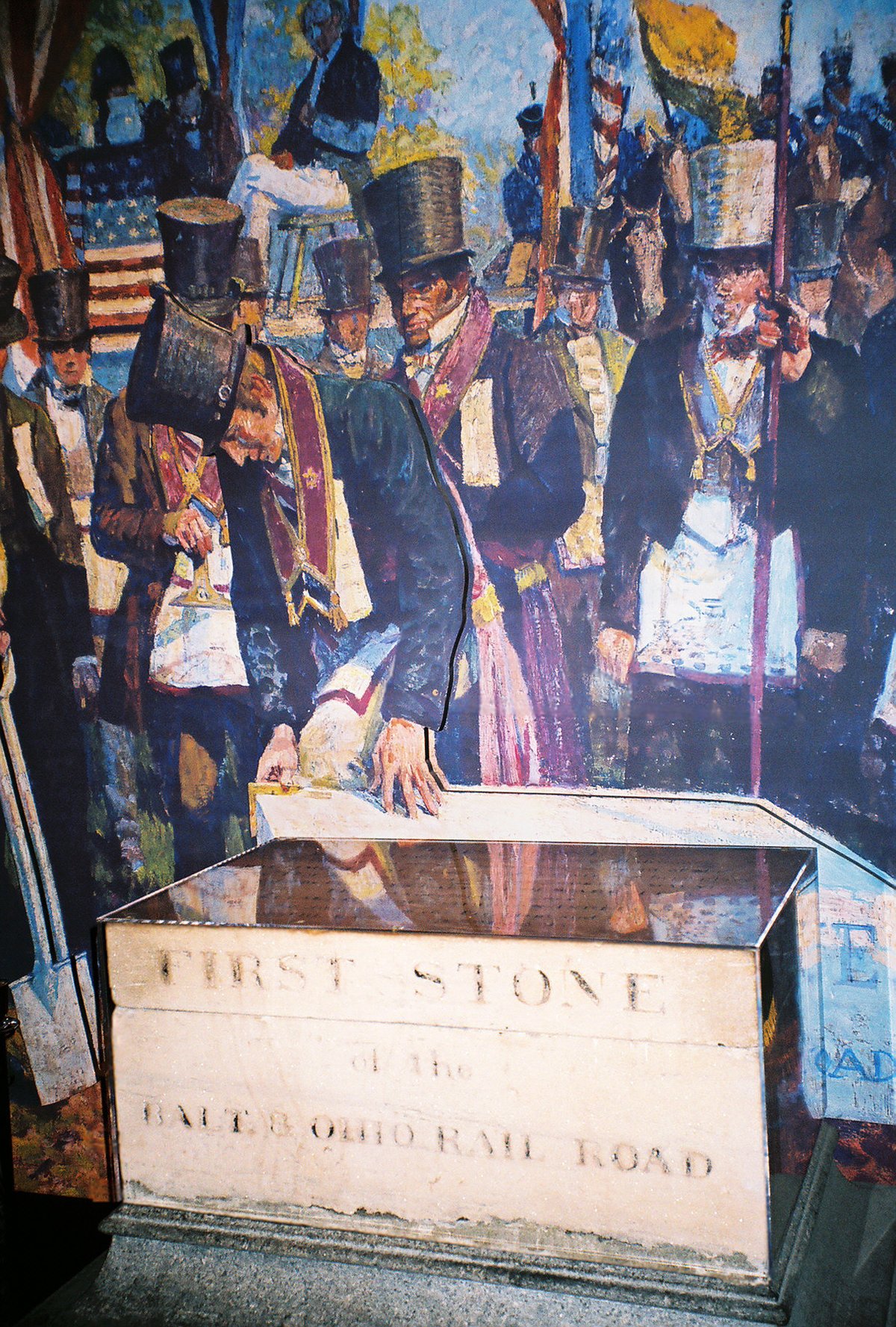
- B&O Railroad Museum: Celebrates Baltimore’s role in railroad history (Busy Tourist).
- Fort McHenry: The fort that inspired the U.S. national anthem.
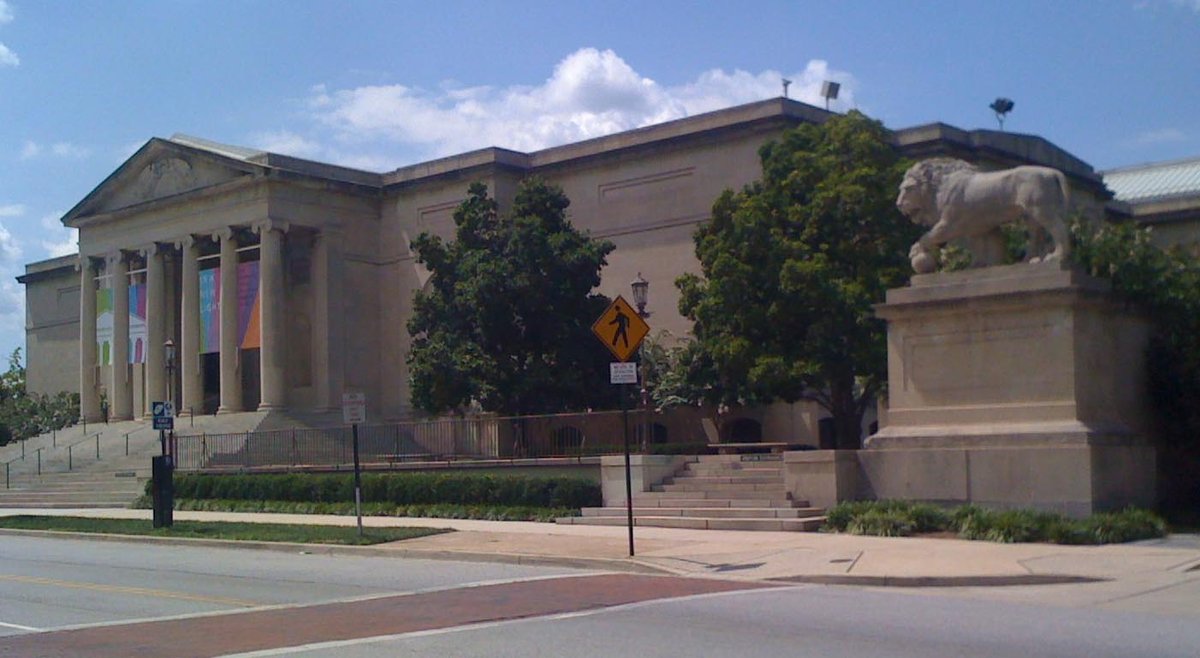
- The Walters Art Museum: Downtown art museum with global collections.
- Baltimore National Cemetery: Nearby, offering historical context and quiet reflection.
Edmondson Village provides shopping and dining options within walking distance, while downtown Baltimore is less than five miles away for further exploration.
Accessibility and Safety
- Getting There: Uplands Park is accessible by car, with street parking available (observe local regulations), and by public transit via MTA bus routes serving Edmondson Avenue.
- Accessibility: Most of the park is accessible, but visitors with mobility challenges should check routes in advance.
- Safety: The neighborhood is generally safe during daylight hours, but standard urban precautions are advised. Visit in groups when possible, especially in the evening (Travellers Worldwide).
Events and Community Engagement
The park is a hub for local engagement, hosting clean-up days, historical walks, seasonal festivals, and community gatherings. Local associations and historical societies are active in commemorating the site’s heritage, especially after the mansion was lost to fire in 2023 (Abandoned Online). Community events often coincide with citywide festivals such as the AFRAM Festival and Baltimore Caribbean Festival (Mayor’s Festival Schedule).
Frequently Asked Questions (FAQ)
Q: What are Uplands Park visiting hours?
A: The park is open daily from dawn to dusk (usually 7:00 AM–sunset).
Q: Is there an admission fee or ticket required?
A: No, admission is free and open to the public.
Q: Are there guided tours?
A: There are no regular guided tours, but special historical walks may be organized by community groups.
Q: Are pets allowed?
A: Dogs are welcome but must be leashed; owners should clean up after their pets.
Q: Is the park wheelchair accessible?
A: Most primary paths are accessible, but some older or unpaved areas may be challenging.
Q: Are there restrooms on site?
A: Facilities may be limited—come prepared.
Summary and Visiting Tips
Uplands Park is a testament to Baltimore’s resilience and evolving urban landscape. From its 19th-century origins as a private estate to its present role as a community green space, it offers a serene retreat with deep historical roots. The park’s free accessibility, year-round hours, and proximity to notable attractions make it an ideal stop for both recreation and cultural exploration. For special events, guided walks, or updates on redevelopment, consult official city websites and local heritage resources.
Listen to the full story in the app
Your Personal Curator, in Your Pocket.
Audio guides for 1,100+ cities across 96 countries. History, stories, and local insight — offline ready.
Audiala App
Available on iOS & Android
Join 50k+ Curators
Sources
- verified
- verified
- verified
- verified
- verified
- verified
Last reviewed: