Plan and listen to Royal Theatre with Audiala.
Audio guide in your pocket, itinerary in your browser. Built for the way you actually visit.
Introduction
The Royal Theatre in Baltimore stands as a testament to African American cultural heritage and artistic achievement. Originally opened as the Douglass Theatre in 1922 and renamed the Royal Theatre in 1925, it became the crown jewel of Baltimore’s Pennsylvania Avenue corridor—known as "Black Broadway"—and a pivotal venue on the historic “Chitlin’ Circuit.” During segregation, it provided an essential stage for Black performers who were excluded from mainstream venues, launching or furthering the careers of legends like Billie Holiday, Louis Armstrong, James Brown, and Cab Calloway. More than just an entertainment venue, the Royal Theatre served as a social and cultural anchor for the local African American community, fostering pride, resilience, and activism (Wikipedia; Royal Theatre & Community Heritage Center; Baltimore Heritage).
Although the original building was demolished in 1971, the legacy of the Royal Theatre endures through the Royal Theatre Memorial Park and ongoing community preservation efforts. Visitors today can explore commemorative monuments, public art installations, and heritage trails that vividly evoke the theater’s vibrant past and Baltimore’s broader Black arts scene. This guide offers an in-depth look at the Royal Theatre’s history, its enduring influence, and practical information for visitors seeking to experience this historic landmark and the surrounding Pennsylvania Avenue Black Arts & Entertainment District (Cinema Treasures; Baltimore.org; CBS News Baltimore).
Origins and Early Development
The Royal Theatre began as the Douglass Theatre in 1922 at 1329 Pennsylvania Avenue, established by African Americans as a vital cultural hub during segregation (Wikipedia). Renamed in 1925, it quickly became the heart of Black culture and commerce in Baltimore. Designed by Lachman & Murphy and seating up to 1,349 guests, the theater was operated by District Theaters and Lichtman Theatres (Cinema Treasures). It was part of a prestigious network of Black theaters in major U.S. cities, including the Apollo in Harlem and the Howard Theatre in Washington, D.C.
Cultural Significance and Community Role
From the 1940s through the 1960s, the Royal Theatre was Baltimore’s premier stage for African American performers and audiences. It hosted iconic artists such as Louis Armstrong, James Brown, Billie Holiday, and Patti LaBelle (Royal Theatre & Community Heritage Center; CBS News Baltimore). The surrounding Pennsylvania Avenue corridor thrived as a center for Black-owned businesses, nightclubs, and restaurants, becoming a symbol of resilience and pride during segregation. The theater also played a significant role in the lives of local luminaries, including Thurgood Marshall and Cab Calloway.
Notable Events and Performances
The Royal Theatre’s stage was graced by some of America’s greatest musical talents. It hosted vaudeville shows, live music, and film screenings, drawing large audiences. Midnight shows and special events became beloved traditions, creating a vibrant space for the celebration of Black culture.
Decline and Demolition
In the 1960s and 1970s, the Royal Theatre faced challenges from civil rights-era unrest, urban renewal, and changing demographics in West Baltimore (Wikipedia). By the late 1960s, it functioned primarily as a movie theater. In 1971, the Royal was demolished, echoing the fate of over 200 Baltimore theaters lost in the 20th century (Maryland Historical Society).
Legacy and Preservation Efforts
The Royal Theatre’s legacy persists through the Royal Theatre Memorial Park, which features a commemorative sign, a Billie Holiday statue, and a monument with recordings of Royal performers (Cinema Treasures).
Founded in 2005, the Royal Theatre & Community Heritage Corporation (RTCHC) spearheads efforts to revive the theater’s spirit and restore Pennsylvania Avenue (Royal Theatre & Community Heritage Center). Led by figures like James Hamlin, the RTCHC’s vision includes reconstructing the Royal Theatre, opening a heritage center, and revitalizing the corridor with jazz venues, retail, and outdoor spaces. The Avenue Bakery, owned by Hamlin, acts as a living museum, hosting community events like the Royal Theatre Music Festival and Father’s Day Cadillac Parade (CBS News Baltimore).
Visiting the Royal Theatre Baltimore Today
Location and Access
- Address: 1329 Pennsylvania Avenue, Baltimore, MD 21217
- Situated in the Pennsylvania Avenue Black Arts & Entertainment District
- Accessible via CityLink buses, Metro Subway (State Center or Upton/Avenue Market stations), and public parking apps (Lost Between Oceans)
Visiting Hours
- Memorial Park is open daily from dawn to dusk.
- Check RTCHC’s website for updates on hours and special events.
Tickets and Tours
- Visiting the Memorial Park is free and open to the public.
- Guided tours of the Pennsylvania Avenue Heritage Trail, including the Royal Theatre site, are available seasonally (April–October, typically 10:00 AM–4:00 PM), with tickets ranging from $10–$20 per person (Lost Between Oceans).
- Special event tickets are offered during festivals and performances.
Accessibility
- Memorial Park and sidewalks are wheelchair accessible.
- Public transit and curb cuts provide easy access for visitors with mobility needs.
Nearby Attractions
- Billie Holiday Statue
- Arch Social Club
- Shake & Bake Family Fun Center
- Murals and public art celebrating Black history
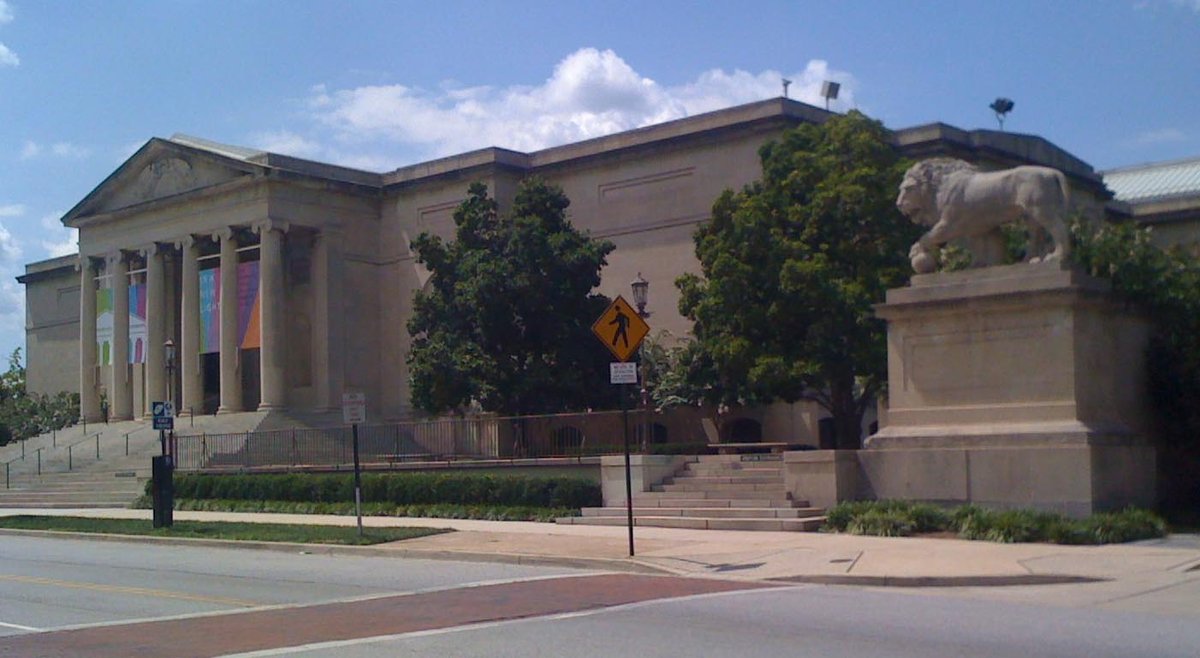
- The Reginald F. Lewis Museum of Maryland African American History & Culture, Walters Art Museum, Inner Harbor, and the National Great Blacks In Wax Museum are a short transit ride away.
Travel Tips
- Visit during annual festivals (spring/summer) for live music and cultural events.
- Use public transit or ride-share, as parking is limited during events.
- Support local Black-owned businesses along Pennsylvania Avenue.
- Download the Audiala app for interactive maps, tour bookings, and event updates.
Frequently Asked Questions (FAQ)
Q: Is the Royal Theatre still operational?
A: No, the original building was demolished in 1971. The legacy remains through the Memorial Park and ongoing preservation efforts.
Q: Can I visit the Royal Theatre site?
A: Yes, the memorial park is open year-round and free of charge.
Q: Are guided tours available?
A: Yes, local heritage organizations offer guided walking tours; check their websites for schedules and tickets.
Q: What are the visiting hours?
A: Memorial Park is open from dawn to dusk. Guided tours and events have specific hours.
Q: Is the site accessible for people with disabilities?
A: Yes, the park and surrounding sidewalks are wheelchair accessible.
Q: Can I take photographs?
A: Yes, photography of public art and historical markers is encouraged. Please ask permission before photographing people during tours or events.
Explore More Baltimore Historical Sites
Expand your journey with visits to the Howard Theatre, Earl Theater, Apollo Theater, and additional destinations featured in our Baltimore Historical Sites guide.
Discover More
Experience the vibrant legacy of the Royal Theatre Baltimore and Pennsylvania Avenue by planning your visit today. Download the Audiala app for curated tours, interactive maps, and the latest event information. Follow us on social media for updates, heritage stories, and cultural celebrations.
Your journey into Baltimore’s African American history starts here—help keep the spirit of the Royal Theatre alive for generations to come.
Essential Information at a Glance
- Location: 1329 Pennsylvania Avenue, Baltimore, MD 21217
- Transit: CityLink buses, Metro Subway (State Center/Upton stations)
- Parking: Street and public lots; use parking apps for availability
- Accessibility: Wheelchair accessible paths and transit options
- Best Time to Visit: Spring and summer festivals; weekdays for a quieter experience
- Tickets: No fee for site visit; guided tours $10–$20 (book in advance)
- Nearby Attractions: Billie Holiday Statue, Reginald F. Lewis Museum, Inner Harbor
Responsible Tourism and Cultural Etiquette
Visitors are encouraged to respect the historical and cultural significance of the Royal Theatre site. Support local businesses, engage with community guides, and contribute to preservation efforts. Always ask permission before photographing individuals and be mindful of ongoing revitalization projects.
Summary and Recommendations
The Royal Theatre remains a powerful symbol of Baltimore’s African American cultural resilience and innovation. Today, the Memorial Park and monument provide a space for reflection and celebration, while ongoing preservation efforts aim to revitalize Pennsylvania Avenue as a thriving arts district. Plan your visit to connect with this rich history, attend community events, and support the neighborhood’s continued growth. By exploring the Royal Theatre site, you honor a landmark of American cultural history and participate in the ongoing story of Baltimore’s Black arts legacy (Royal Theatre & Community Heritage Center; Baltimore Heritage; Pennsylvania Avenue Black Arts & Entertainment District; CBS News Baltimore; Baltimore.org).
Listen to the full story in the app
The whole Royal Theatre,
told well.
Audio guides for 1,100+ cities across 96 countries. History, stories, and local insight — offline ready.

Verified, and shown.
Researched and written by the Audiala editorial team from historical records, architectural archives, and local expertise.
Researched from Wikidata, Wikipedia & official sources · fact-checked · How we make our guides →