Historical Significance of Provident Hospital
Founding and Early Years
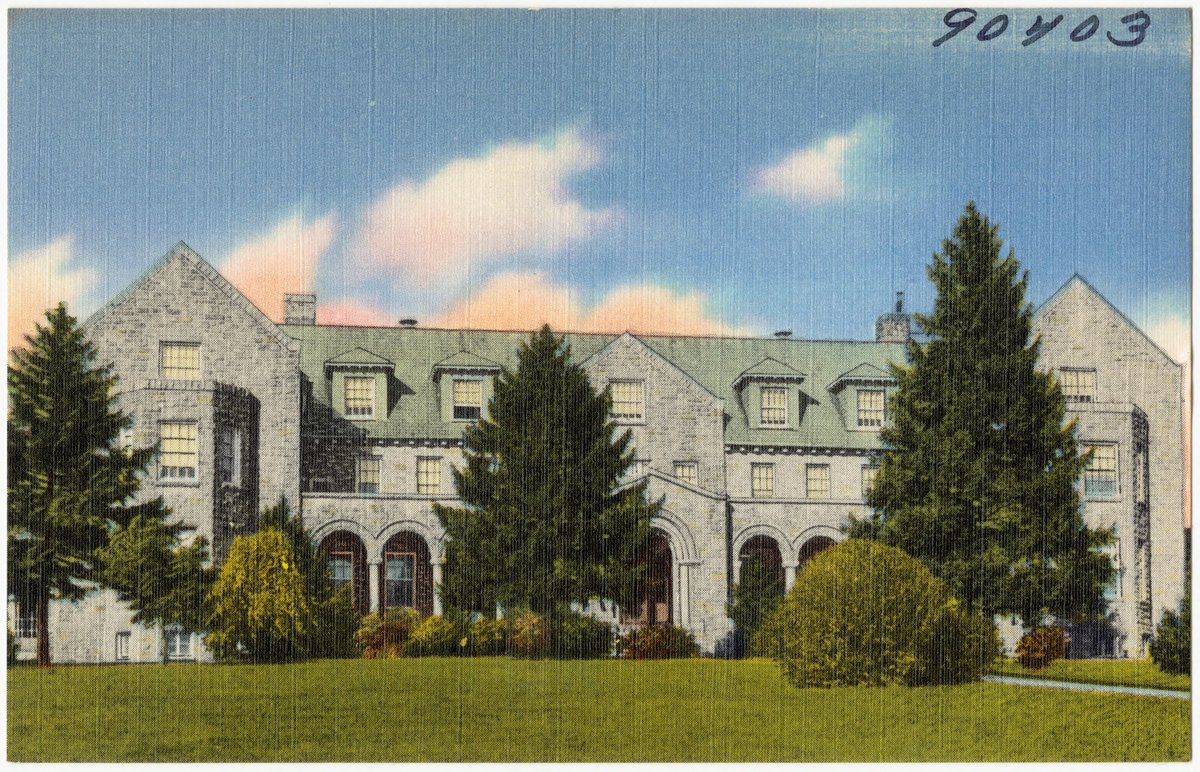
Provident Hospital was founded in 1894 in response to the racial segregation that barred African Americans from most hospitals and medical training programs. The hospital began as a 10-bed facility on Orchard Street, dedicated to serving the Black community and providing training opportunities for Black physicians and nurses (Maryland State Archives).
Growth and Expansion
Within a decade, Provident expanded to 20 beds, and by 1928, it moved to a larger facility at 1514 Division Street with 150 beds. In 1970, a new 280-bed hospital opened at 2600 Liberty Heights Avenue, reflecting the institution’s growth and continued commitment to delivering quality healthcare to a diverse community (Baltimore Heritage).
Contributions to African American Medical Advancement
Provident Hospital’s nursing school, established in 1895, graduated over 500 Black nurses, significantly advancing nursing education and public health within the African American community (National Library of Medicine). The hospital also became a leading institution for training Black physicians during segregation, with alumni making substantial contributions to medicine and civil rights.
Role in Civil Rights and Integration
Provident Hospital was more than a healthcare provider—it was a catalyst for social change. Its leadership and alumni played vital roles in the integration of hospitals and the broader civil rights movement, advocating for healthcare equality on a local and national scale (Johns Hopkins Medicine).
Visiting Provident Hospital Legacy Sites
Key Locations and Memorials
1. Trinity Gardens and Memorial Site at 2600 Liberty Heights Avenue
The former site of Provident Hospital now features Trinity Gardens, a memorial garden honoring Provident Hospital, Lutheran Hospital, and Liberty Medical Center (Wikipedia). It is located on the Baltimore City Community College (BCCC) campus, accessible from Liberty Heights Avenue and Towanda Avenue.
2. Orchard Street Church (419 Orchard Street)
The original location of Provident Hospital is commemorated within Orchard Street Church, one of Baltimore’s oldest African American congregations. Historical plaques and exhibits inside the church honor the hospital’s founding.
3. Reginald F. Lewis Museum of Maryland African American History & Culture (830 E. Pratt Street)
The museum houses extensive exhibits and artifacts related to Provident Hospital, including photographs, oral histories, and interactive displays (Reginald F. Lewis Museum).
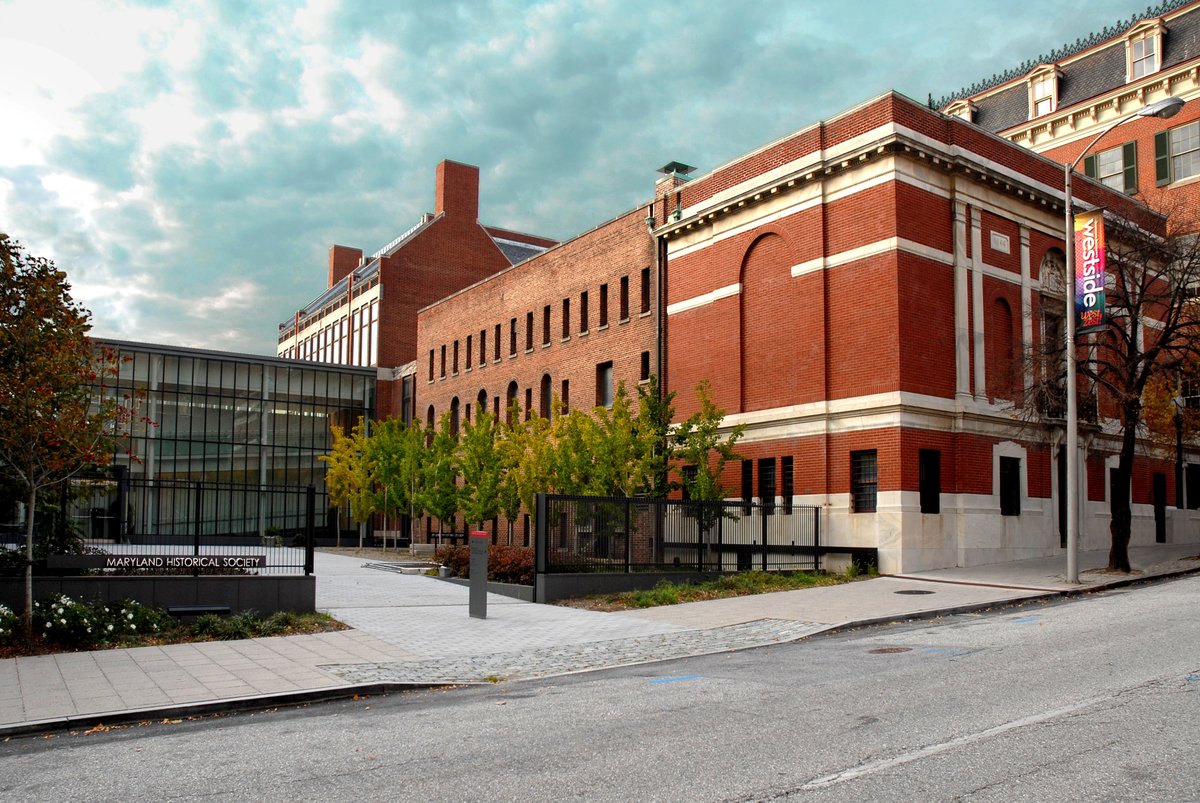
4. Maryland State Archives (2615 Mathews Street) & Maryland Center for History and Culture (610 Park Avenue)
These archives maintain collections of documents, photographs, and memorabilia from Provident Hospital’s operational years (Baltimore City Archives).
Visiting Hours and Admission
| Site | Hours | Admission | Notes |
|---|---|---|---|
| Trinity Gardens (BCCC campus) | Mon–Fri, 8 AM–6 PM; daylight hours | Free | Open to public; self-guided |
| Orchard Street Church | By appt./during church events | Free | Contact church for access |
| Reginald F. Lewis Museum | Wed–Sun, 10 AM–5 PM | $12 adults, $8 seniors/students, under 6 free | Tickets online |
| Maryland State Archives | Mon–Fri, 9 AM–4 PM | Free | Appointment recommended |
| Maryland Center for History and Culture | Tue–Sat, 10 AM–5 PM | $15 general | Research access by appointment |
Tickets and Tours
- Memorial sites and church exhibits Free, no tickets required.
- Reginald F. Lewis Museum Purchase tickets online or at the entrance.
- Guided Tours Offered at the museum and through Baltimore Heritage; advance booking advised.
- Archival Research Contact the Maryland State Archives or Maryland Center for History and Culture to schedule visits.
Accessibility and Transportation
- All major sites are wheelchair accessible.
- Public Transit MTA buses serve Liberty Heights Avenue; the Metro SubwayLink (Mondawmin stop) is nearby (Baltimore Visitor Guide).
- Parking Limited at Orchard Street Church; paid lots near museums; street parking around BCCC and Trinity Gardens (observe restrictions).
What to Expect During Your Visit
Archival Collections and Exhibits
Visitors can view original photographs, newsletters, medical equipment, job rosters, and annual reports documenting the hospital’s history. The Reginald F. Lewis Museum features permanent and rotating exhibits on Black medical history, including oral histories from alumni and staff. Archives also provide digitized materials for virtual research (Flickr Collection).
Nearby Baltimore Historical Sites
- Frederick Douglass-Isaac Myers Maritime Park
- The Eubie Blake National Jazz Institute and Cultural Center
- Fort McHenry National Monument and Historic Shrine
- Baltimore’s Inner Harbor and historic neighborhoods
Visitor Tips and Practical Information
- Plan ahead Contact archives and museums for appointments or guided tours, especially for research or group visits.
- Wear comfortable shoes Some walking may be required between sites.
- Use public transit or rideshare Parking is limited, especially near historic locations.
- Best times to visit Spring and fall for mild weather; weekdays for quieter museum visits.
- Special events Black History Month (February) and Juneteenth (June 19) feature additional programs—check museum events calendars, Baltimore Heritage events.
- Safety Liberty Heights area is generally safe during the day. Travel in groups and avoid displaying valuables after dark (Baltimore FAQ).
Preservation, Community Impact & Future Initiatives
Provident Hospital’s story continues to inspire community pride and activism. The Provident Hospital Historical Committee leads preservation efforts, and city plans to include the hospital on Baltimore’s African American heritage trail are underway (Baltimore Sun). Educational programs and oral history projects ensure that new generations learn about Provident’s impact.
Notable Alumni and Figures
- Dr. Levi Watkins Jr. Cardiac surgeon and civil rights leader (Johns Hopkins Medicine)
- Dr. Helena Hicks Nurse and pivotal civil rights activist
Hundreds of graduates from Provident’s nursing school and medical staff have gone on to transform healthcare across the nation.
Frequently Asked Questions (FAQ)
Q: Are there any entrance fees or tickets required to visit Provident Hospital’s memorial site?
A: No, Trinity Gardens and the memorial site are free.
Q: What are the visiting hours for Trinity Gardens?
A: Open during daylight hours, typically Mon–Fri, 8 AM–6 PM, in line with BCCC campus hours.
Q: Are guided tours available?
A: The Reginald F. Lewis Museum offers guided tours; some city-wide heritage tours reference Provident Hospital.
Q: Is the site accessible for visitors with disabilities?
A: Yes, most sites—including Trinity Gardens—provide accessible pathways. Contact ahead for specific needs.
Q: Where can I find historical archives or photographs of Provident Hospital?
A: Visit the Baltimore City Archives or explore the Flickr Provident Hospital Collection.
Discover More
Visiting Provident Hospital’s memorial sites and archives provides a unique opportunity to honor a pivotal institution in Baltimore’s African American history. Plan your trip to Trinity Gardens, explore the Reginald F. Lewis Museum, and immerse yourself in the story of medical innovation and community empowerment.
For more information, download the Audiala app for audio tours, follow Baltimore’s heritage organizations on social media, and stay updated on special events and new exhibits.