Plan and listen to Memorial Stadium with Audiala.
Audio guide in your pocket, itinerary in your browser. Built for the way you actually visit.
Introduction: The Enduring Legacy of Memorial Stadium
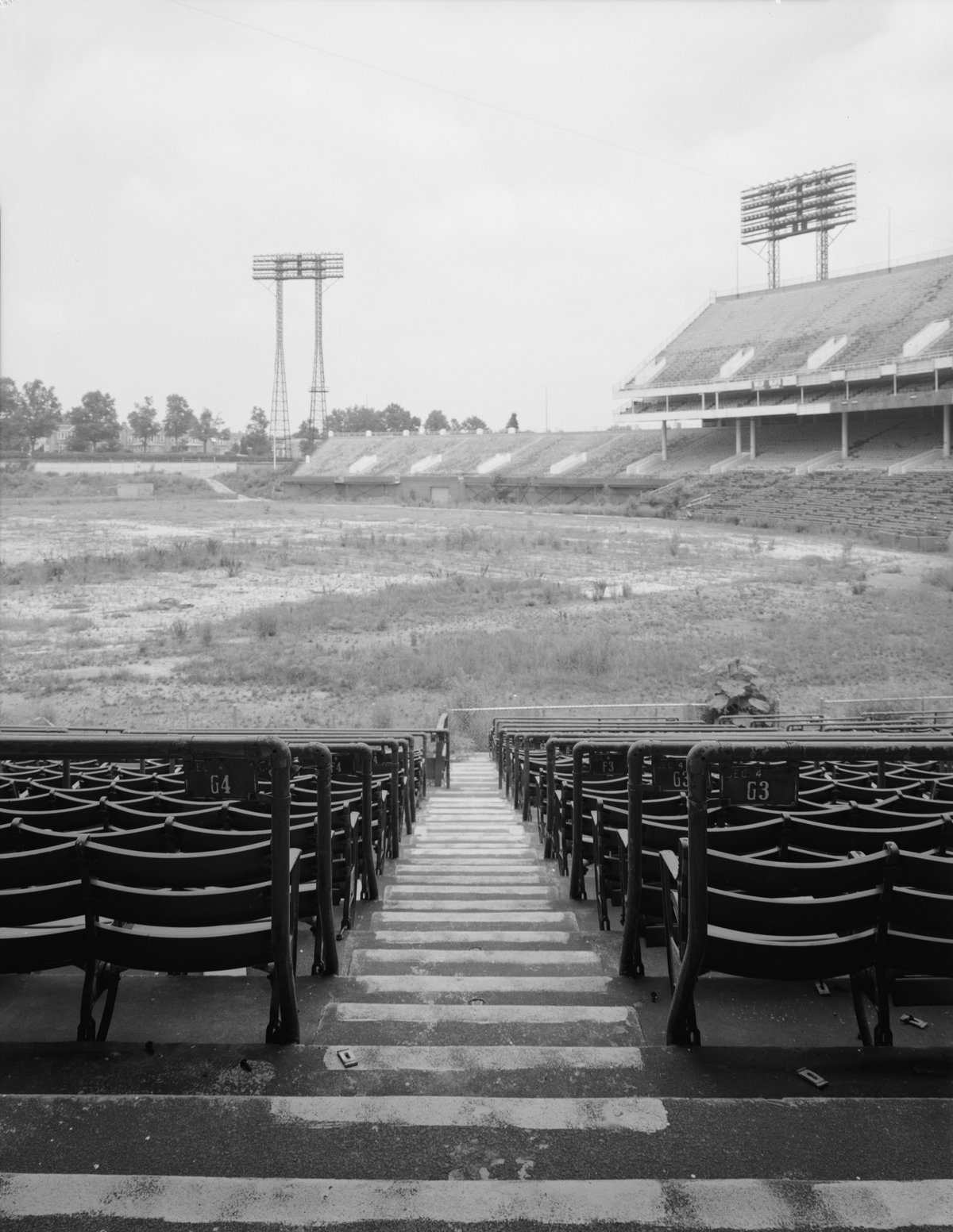
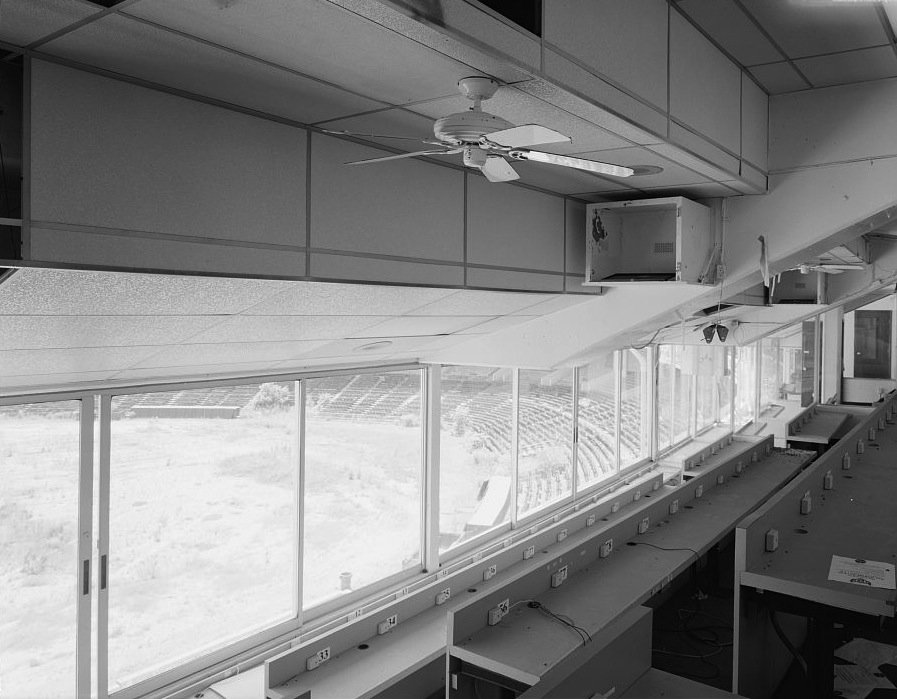
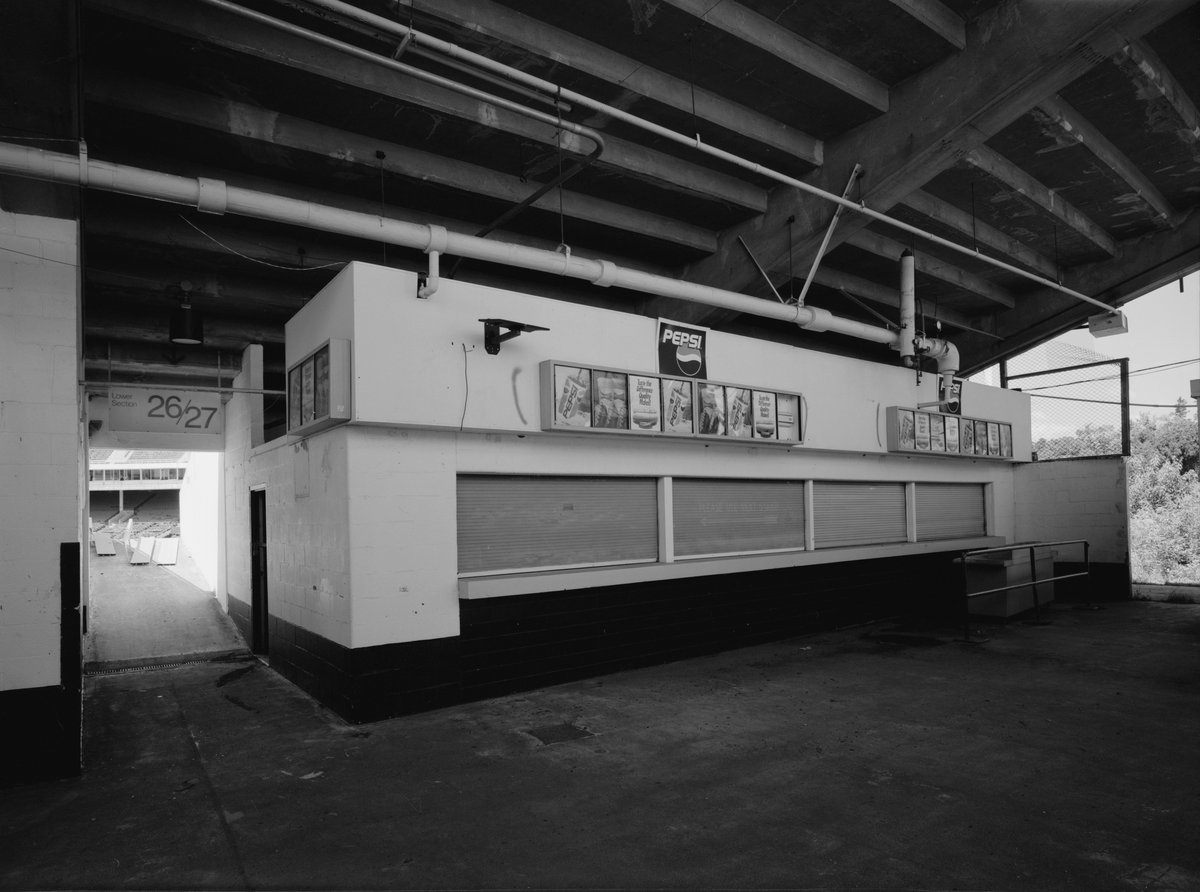
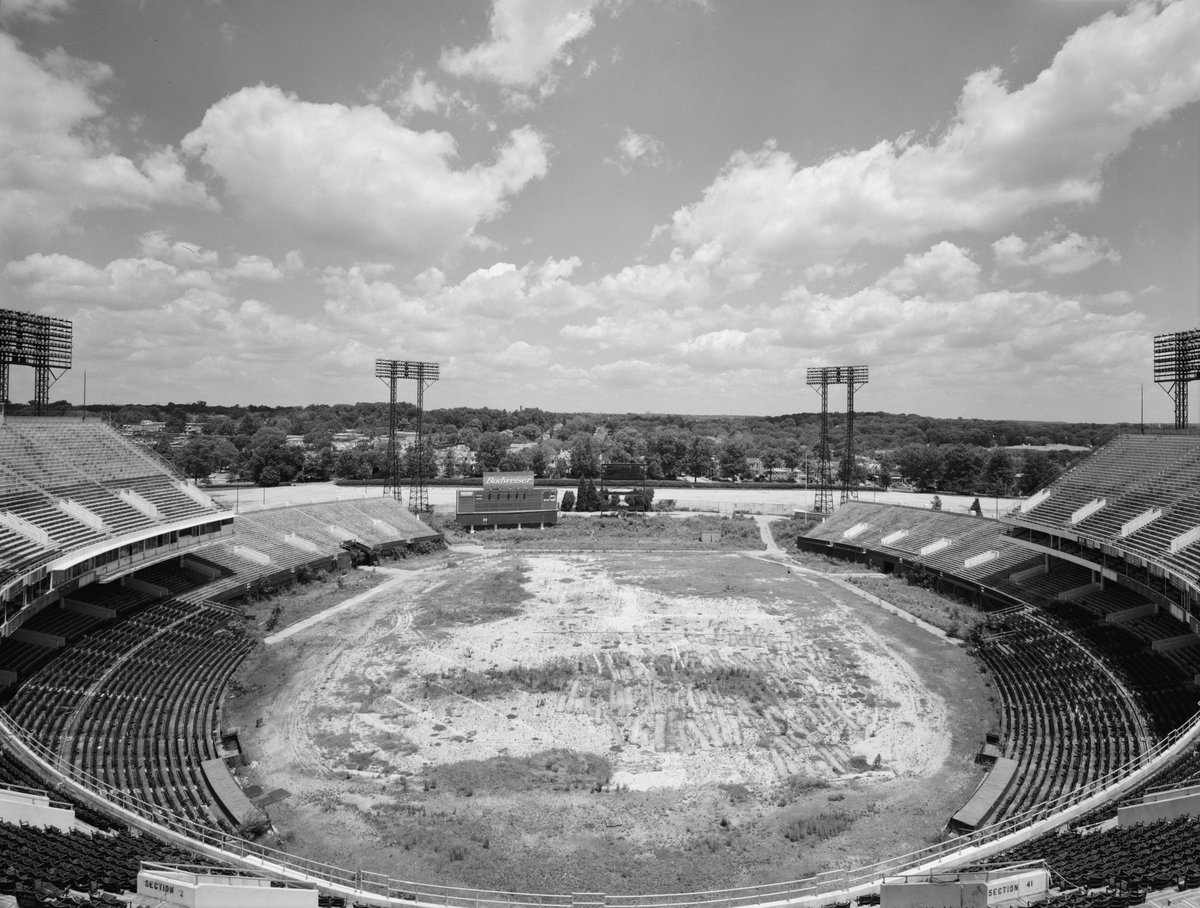
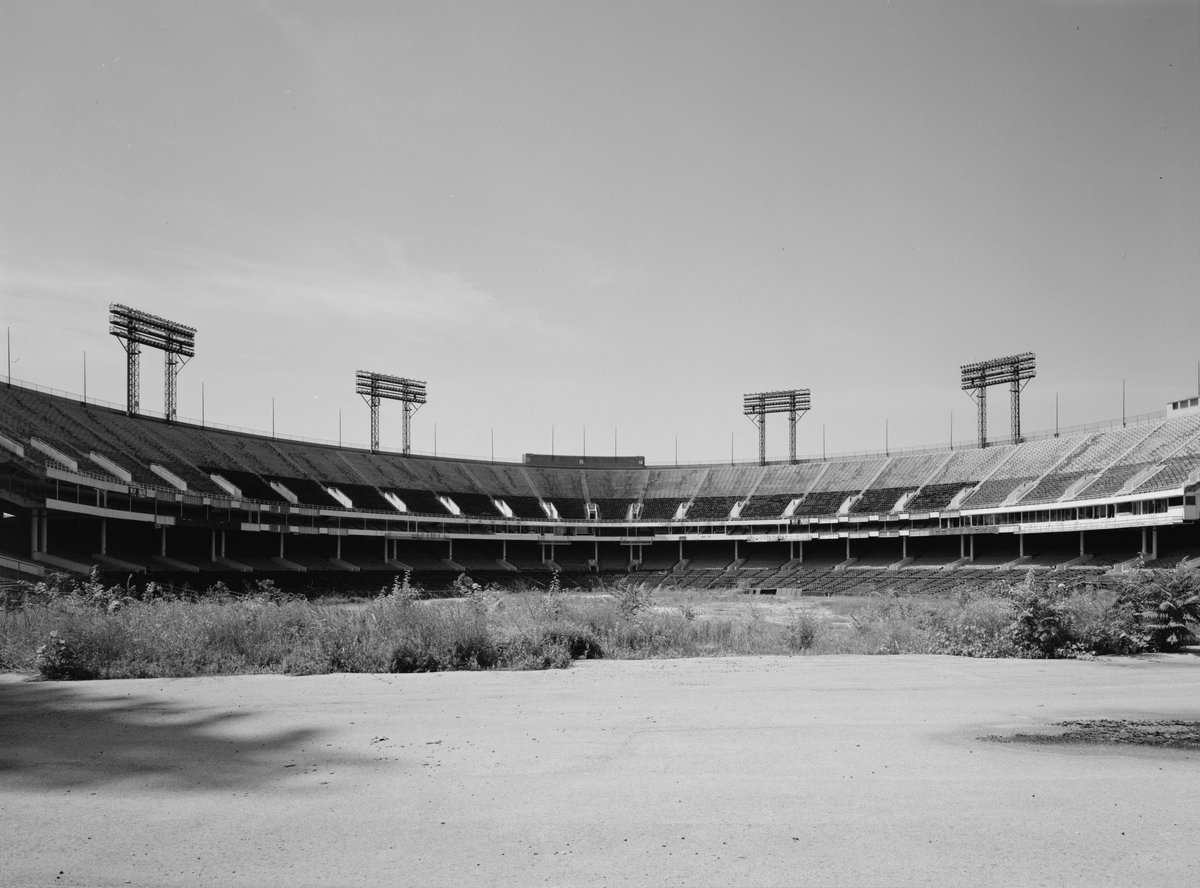
Memorial Stadium, affectionately known as “The Old Gray Lady of 33rd Street,” stands as a monumental chapter in Baltimore’s sports and cultural history. Although demolished in 2001, its spirit endures through a memorial park, community redevelopment, and the memories of generations of Baltimoreans. Originally constructed as Municipal Stadium in 1922 and later rebuilt in 1950 to honor Maryland’s war veterans, Memorial Stadium was the epicenter of iconic baseball and football moments, hosting legendary teams such as the Orioles, Colts, and Ravens. Today, visitors can explore the redeveloped Stadium Place and memorial park, where historical plaques, youth baseball fields, and memorials preserve the site’s significance. This comprehensive guide covers Memorial Stadium’s history, cultural impact, visitor information, and nearby attractions—offering an essential resource for sports fans, history enthusiasts, and travelers alike (Historic Baseball, MLB.com, writingamandy.com).

Origins and Construction
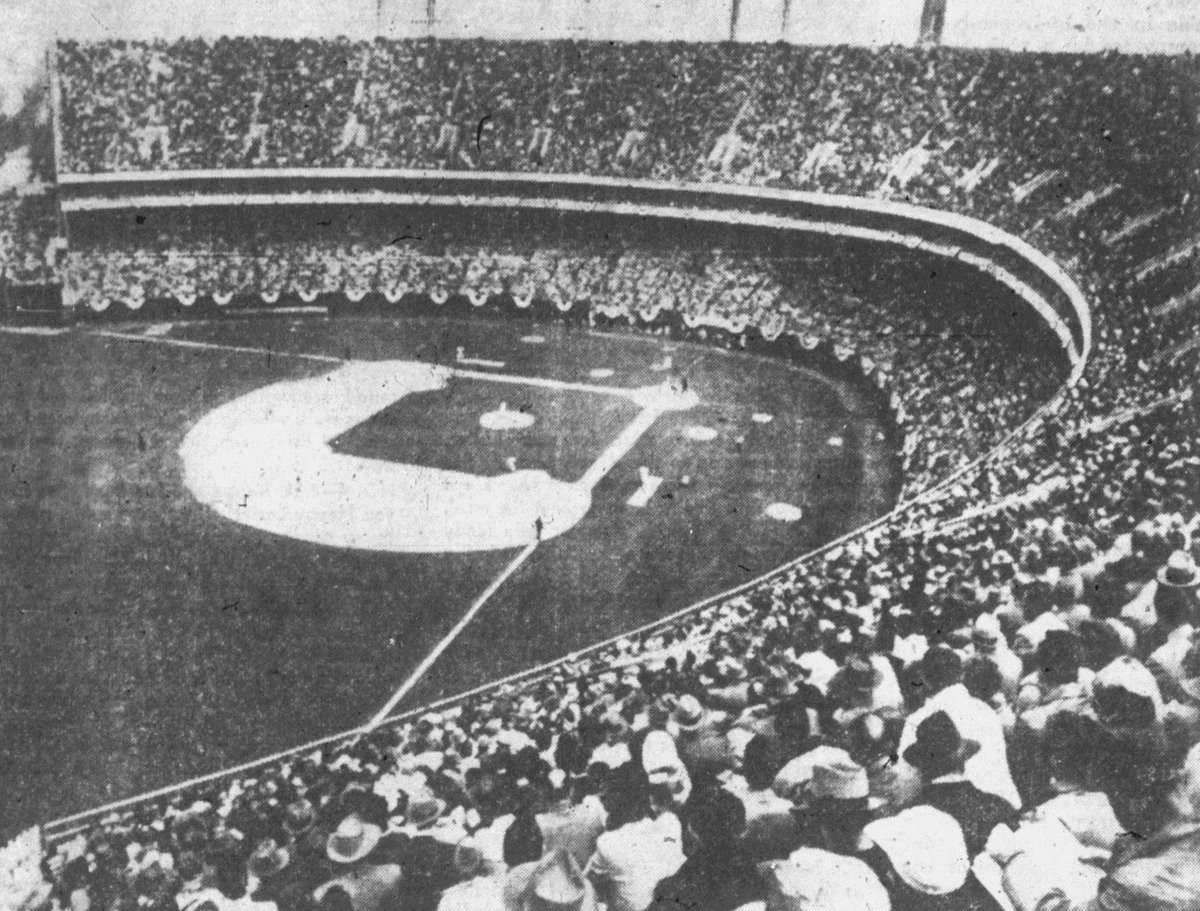
Memorial Stadium’s genesis began with Baltimore’s ambition to become a major sports city. Built in 1922 as Municipal Stadium (also known as Venable Stadium), the original structure was a vast horseshoe-shaped venue on the site of former Venable Park in the Waverly neighborhood (Wikipedia). Designed by Pleasants Pennington and Albert W. Lewis, it could seat up to 80,000 spectators—an impressive feat for its era.
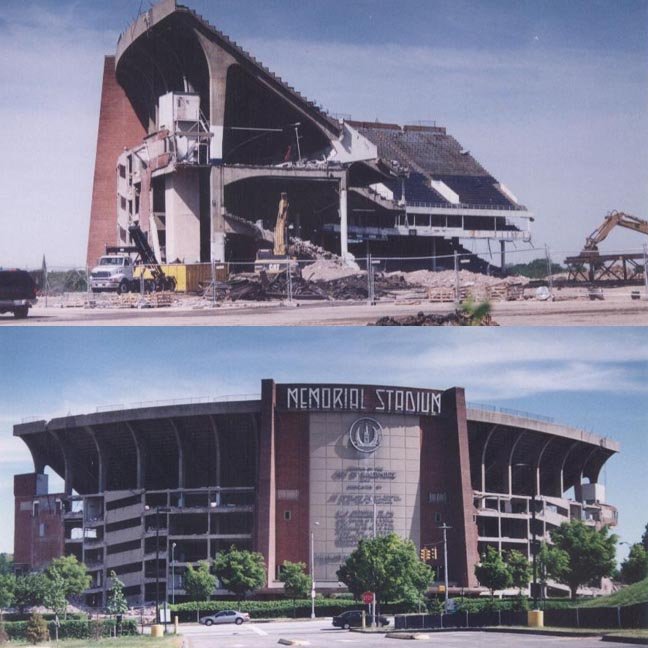
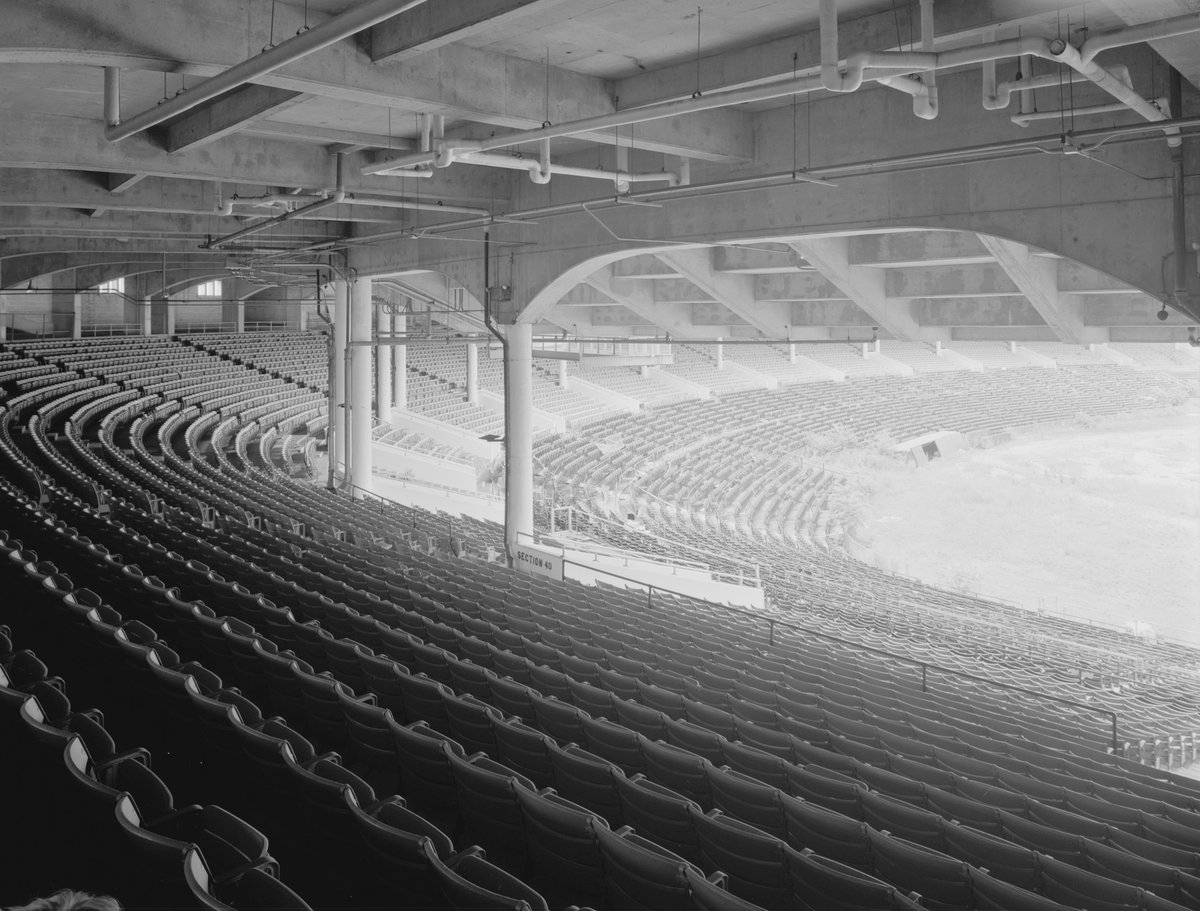
Initially focused on college and high school football, the stadium soon became a citywide focal point. Post-World War II modernization efforts led to a new, reinforced concrete stadium completed in 1950 at a cost of $6.5 million (MD History). It was rededicated as Memorial Stadium, with its iconic memorial wall honoring Maryland’s military service members (Historic Baseball).
Architectural Features and Symbolism
Memorial Stadium was both functional and symbolic. Its striking memorial wall at the entrance served as a perpetual tribute to fallen soldiers (Historic Baseball). The double-decked structure, completed in 1954, offered excellent sightlines and efficient concourses. Located on East 33rd Street, the stadium was accessible to working-class neighborhoods and became known for its passionate crowds—earning nicknames like “The Old Gray Lady” and “the world’s largest outdoor insane asylum” (Places Journal).
Role in Baltimore’s Sports History
Baseball: The Orioles’ Nest
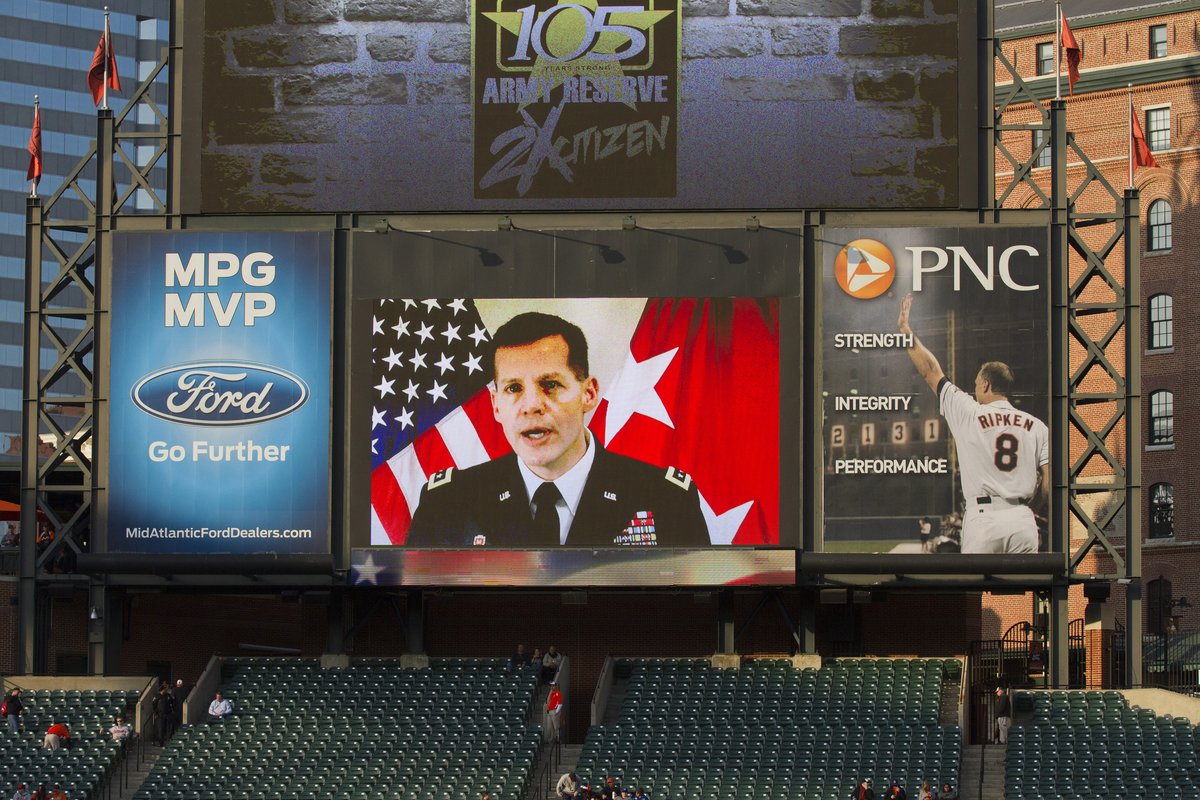
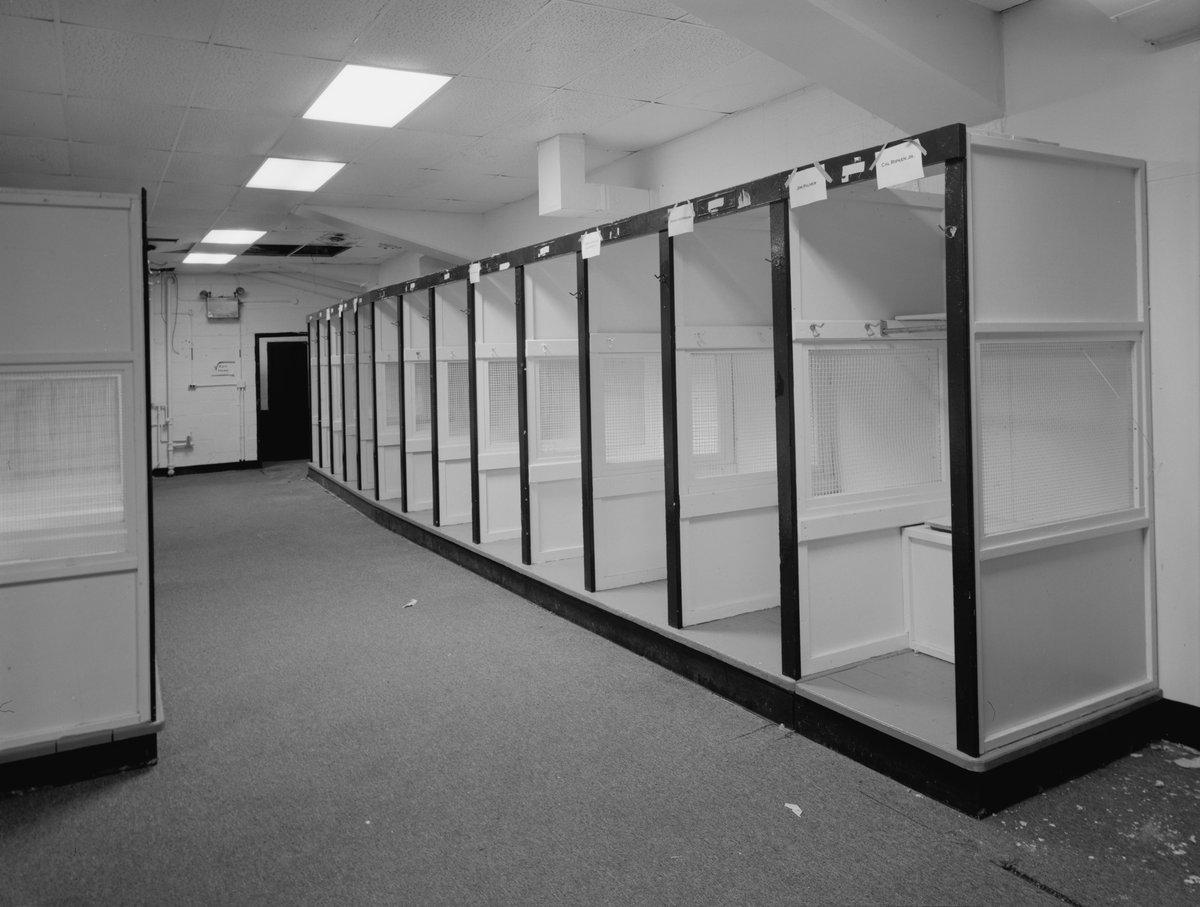
The Orioles made Memorial Stadium their home in 1954, launching nearly four decades of baseball greatness (Historic Baseball). The stadium hosted six World Series, including the Orioles’ first championship in 1966 and their dominant 1970 victory (All Sports History). Legends like Brooks Robinson, Frank Robinson, and Cal Ripken Jr. left their mark here (Baseball Biographies).
Football: Colts, Ravens, and Beyond
The Baltimore Colts played at Memorial Stadium from 1947–1950 and 1953–1983, including the famed 1958 NFL Championship—“The Greatest Game Ever Played” (Wikipedia, Baltimore Examiner). After the Colts’ departure in 1984, the stadium hosted the CFL’s Baltimore Stallions and the Ravens for their first two seasons (Baseball Biographies).
Other Events
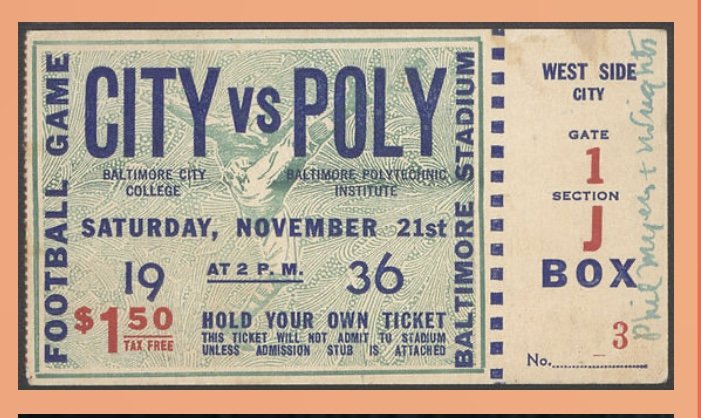
Memorial Stadium was also the venue for college football rivalries, boxing matches featuring Joe Louis, soccer games with Pelé, and major concerts (All Sports History, Places Journal).
Notable Moments and Legendary Figures
Some of Memorial Stadium’s most unforgettable moments include:
- The Orioles’ World Series wins (1966, 1970, 1983)
- Cal Ripken Jr.’s record-breaking streak’s early days
- The 1958 NFL Championship Game
- “Orioles Magic” moments like Doug DeCinces’ home run in June 1979 (MLB.com)
- Iconic farewells such as “Thanks Brooks Day” for Brooks Robinson
These moments, alongside the stadium’s passionate crowds, helped cement Baltimore’s reputation as a top sports city (MD History).
Decline, Demolition, and Legacy
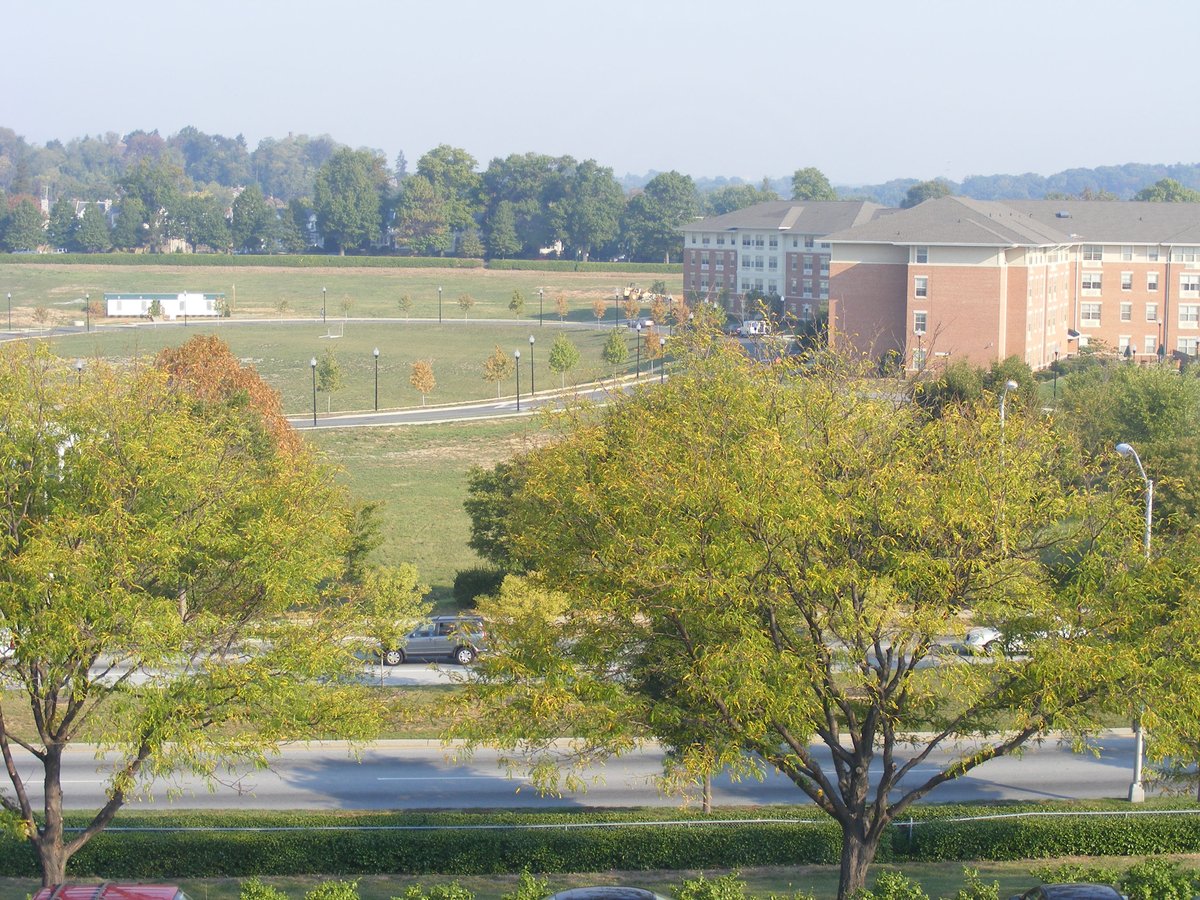
By the late 1980s, Memorial Stadium’s lack of modern amenities led to the construction of Oriole Park at Camden Yards, and the final Orioles and Ravens games at the stadium occurred in 1991 and 1997, respectively (Baseball Biographies). Local efforts to preserve the stadium were unsuccessful, and it was fully demolished by 2001 (MD History). Today, Stadium Place—a mixed-use development—occupies the site, but the legacy is preserved through a memorial park, the Cal Ripken Sr. Youth Development Field, and commemorative installations (Baseball Biographies).
Visiting Memorial Stadium Today: Memorial Park and Practical Information
Location: Stadium Place, 900 E 33rd St, Baltimore, MD 21218
- Memorial Park: Features commemorative walls, historical plaques, and the original home plate’s location.
- Youth Baseball Field: On the site of the original diamond, accessible for public use.
- Hours: Open daily from dawn to dusk.
- Admission: Free and open to the public.
- Accessibility: Wheelchair accessible, paved walkways, and seating areas.
- Getting There: Accessible by car (limited parking), several BaltimoreLink bus routes, and a short walk from light rail stations.
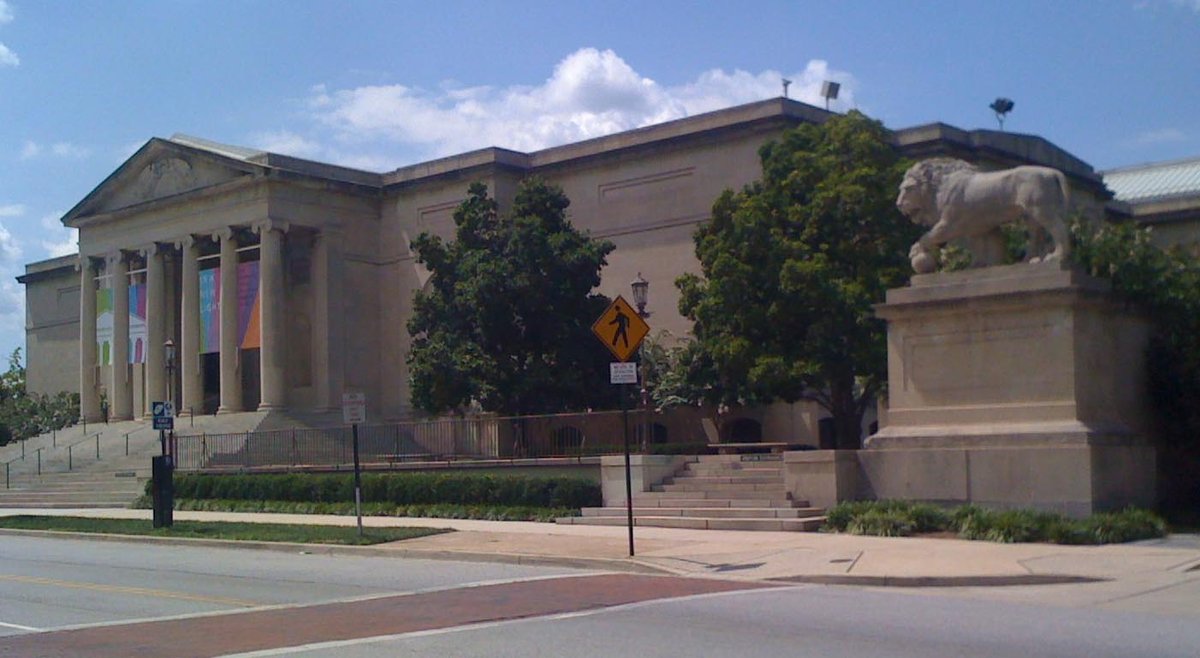
- Nearby Attractions: Baltimore Museum of Art, Johns Hopkins University, Oriole Park at Camden Yards (with relocated stadium artifacts and the Memorial Wall), Waverly Main Street, and the 32nd Street Farmers Market.
For updated events and access info, check the YMCA at Stadium Place and Baltimore Events calendars.
Memorial Stadium as a Community Anchor
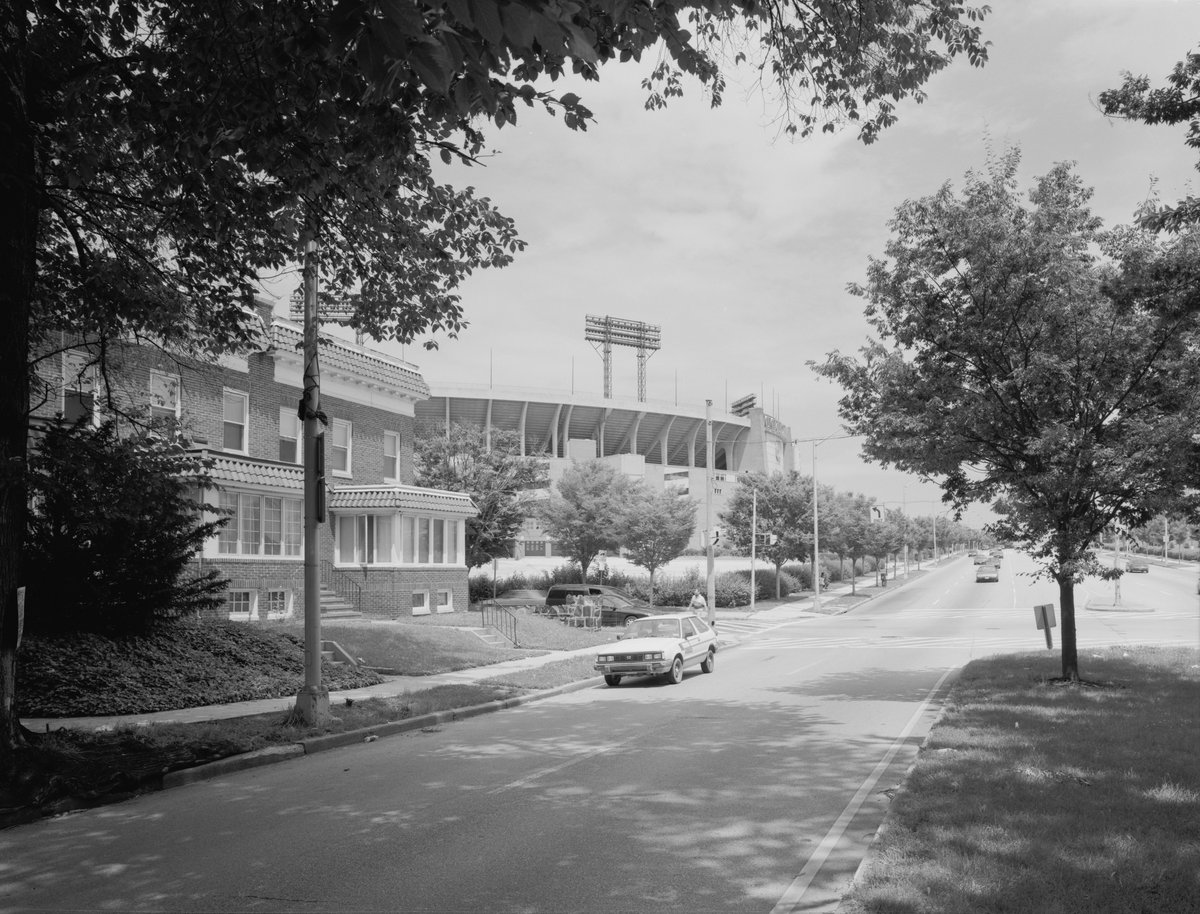
The stadium’s location within the Ednor Gardens-Lakeside neighborhood made it a true community landmark (writingamandy.com). Game days transformed the area with crowds, cookouts, and a sense of belonging, while the stadium’s accessibility fostered inclusivity. Its absence left a palpable void, but its spirit endures in local traditions and stories.
Social Rituals and Neighborhood Dynamics
Memorial Stadium’s presence shaped local businesses, social interactions, and the rhythms of neighborhood life. Tailgating, street-side grilling, and communal gatherings defined the game-day experience, making the stadium a pillar of Baltimore’s social and cultural fabric.
Nostalgia, Memory, and the Fight for Preservation
The demolition of Memorial Stadium was met with both nostalgia and activism. While preservationists fought to retain the structure or its iconic memorial wall, others advocated for redevelopment. Today, the preserved war memorial wall and relocated artifacts at Camden Yards serve as enduring tributes (writingamandy.com).
Transformation and Continuing Legacy
The redeveloped Stadium Place reflects Baltimore’s commitment to community services and honoring history (gedco.org). The site serves seniors, youth, and local families, while baseball and football history are celebrated through memorials and public art.
Memorial Stadium in Baltimore’s Psyche
Memorial Stadium remains a symbol of resilience, nostalgia, and community in Baltimore’s collective memory. Its story reflects the city’s evolution, its love for sports, and its capacity for reinvention (writingamandy.com).
Visitor Information and Nearby Attractions
Although the stadium no longer stands, visitors can:
- Explore the youth baseball field and memorial park at Stadium Place
- View the original memorial wall letters and artifacts at Camden Yards (Baltimore Magazine)
- Visit nearby museums, markets, and historical sites
Tips: Use public transit for easy access. Photography is encouraged, but please respect the memorial areas and community events.
Visiting Hours, Tickets & Frequently Asked Questions
- Visiting Hours: Daily, dawn to dusk
- Tickets: None required; site is free and open to the public
- Accessibility: Fully accessible, with paved paths and ramps
- Guided Tours: No regular tours, but local heritage groups may offer occasional events
FAQs
-
Can I see original stadium artifacts?
Yes—historical plaques, the youth field, and relocated features like the Memorial Wall letters at Camden Yards are accessible to the public. -
Is there parking?
Limited on-site and street parking; additional parking at the YMCA. -
Are events held at the site?
Community events occur regularly; check local calendars. -
How do I get there via public transport?
Multiple MTA bus routes and nearby light rail stations serve the area.
Visuals and Media Suggestions
- Image 1: Historic Memorial Stadium façade with inscription (alt: "Memorial Stadium historic façade in Baltimore")
- Image 2: Youth baseball field at Stadium Place (alt: "Youth baseball field at Stadium Place, Baltimore")
- Image 3: Memorial Wall at Camden Yards (alt: "Memorial Wall at Camden Yards featuring Memorial Stadium artifacts")
- Map: Interactive map of Stadium Place and surrounding attractions (alt: "Map of Memorial Stadium site and surrounding Baltimore area")
Listen to the full story in the app
The whole Memorial Stadium,
told well.
Audio guides for 1,100+ cities across 96 countries. History, stories, and local insight — offline ready.
Verified, and shown.
Researched and written by the Audiala editorial team from historical records, architectural archives, and local expertise.
Researched from Wikidata, Wikipedia & official sources · fact-checked · How we make our guides →