Founding and Early Years (1782–1850s)
Lexington Market began as an open-air market on land donated by Revolutionary War hero John Eager Howard. Named after the Battle of Lexington, it quickly became a hub for commerce, serving Baltimore’s burgeoning population. By 1805, the first market shed was built, and its location near the port solidified its status as a commercial center. The market’s role extended beyond commerce, serving as a key social gathering place.
Growth Through Diversity and Immigration
Throughout the 19th and early 20th centuries, waves of immigrants contributed to the market’s growth and diversity. Lexington Market became a true melting pot, offering global products and cuisines, and fostering entrepreneurship among Baltimore’s diverse communities. Legendary vendors such as Faidley’s Seafood—established in 1886—are enduring symbols of this legacy (Hey Ms. Traveler).
Architectural Changes and Resilience
The market’s architecture has transformed over time. After a fire in 1949, Lexington Market was rebuilt in 1952 and later expanded in the 1980s. The most recent redevelopment included the demolition of the outdated arcade, the addition of a new public plaza, and the construction of a modern, sustainable 60,000-square-foot building (BCT Design Group).
Recent Redevelopment (2018–2023)
A major revitalization launched in 2018 has renewed Lexington Market’s infrastructure and public spaces. The project prioritized sustainability, accessibility, and a welcoming environment for all. Public art, including installations like “Robert & Rosetta,” now adorn the site, and the historic catacombs beneath the market offer a unique glimpse into Baltimore’s past (CBS News Baltimore).
Cultural Significance
Lexington Market remains a beacon of economic empowerment and social mobility for Baltimore’s communities. As a venue for cultural events, music performances, and food festivals, it strengthens community ties and celebrates the city’s rich heritage. The market continues to serve as a launching pad for local and minority-owned businesses (Baltimore Public Markets).
Visitor Information
Visiting Hours
- Monday–Saturday 7:00 AM – 6:00 PM
- Sunday Closed
Vendor hours may vary; check the official merchant directory for details. Holiday hours may differ.
Admission and Tickets
- Entry Free for all visitors; no tickets required.
- Tours Guided tours of the market and its catacombs are occasionally available. Check the Lexington Market website or contact [email protected] for details.
Accessibility
- Fully wheelchair accessible with ramps, elevators, and accessible restrooms.
- Designated accessible parking spaces available in nearby garages (Antique Ace).
- SNAP and FSP benefits accepted by many vendors.
Directions and Parking
- Address 112 N Eutaw St, Baltimore, MD 21201
- Public Transit Directly served by Baltimore Light Rail (Lexington Market stop) and Metro Subway (Lexington Market station).
- Bus Multiple MTA lines and the Charm City Circulator stop nearby.
- Bike Bike racks onsite; accessible via several city bike lanes.
- Parking West Market Garage (210 N. Paca St.) offers 24-hour parking; street parking is also available (Lexington Market Parking).
Vendor Highlights and Culinary Offerings
Lexington Market boasts over 45 merchants, reflecting Baltimore’s multicultural culinary landscape (TripJive). Highlights include:
- Faidley’s Seafood Legendary for Maryland-style crab cakes and fresh seafood (Lexington Market - Our Story).
- Berger’s Bakery Renowned for Berger Cookies and classic baked goods.
- Brookdale Farms Poultry, turkey, and rabbit specialties.
- Plum Good Homemade sauces, hot dishes, and condiments.
- Garden Produce Fresh fruits, vegetables, and smoothies.
International cuisines—Malaysian, Jamaican, Korean BBQ, German, Latin American—and Baltimore staples like pit beef, fried chicken, and pizza are also available (Jim’s Dining Guides; The Tourist Checklist).
Events, Tours, and Photography
- Live Music & Festivals Regular performances and cultural events animate the space (Hey Ms. Traveler).
- Tours Occasional guided tours of the market and catacombs—check scheduled dates (CBS News Baltimore).
- Photography The market’s colorful stalls, historic architecture, and vibrant atmosphere make it a favorite for photographers.
Nearby Attractions
- Inner Harbor & National Aquarium
- Walters Art Museum
- Oriole Park at Camden Yards
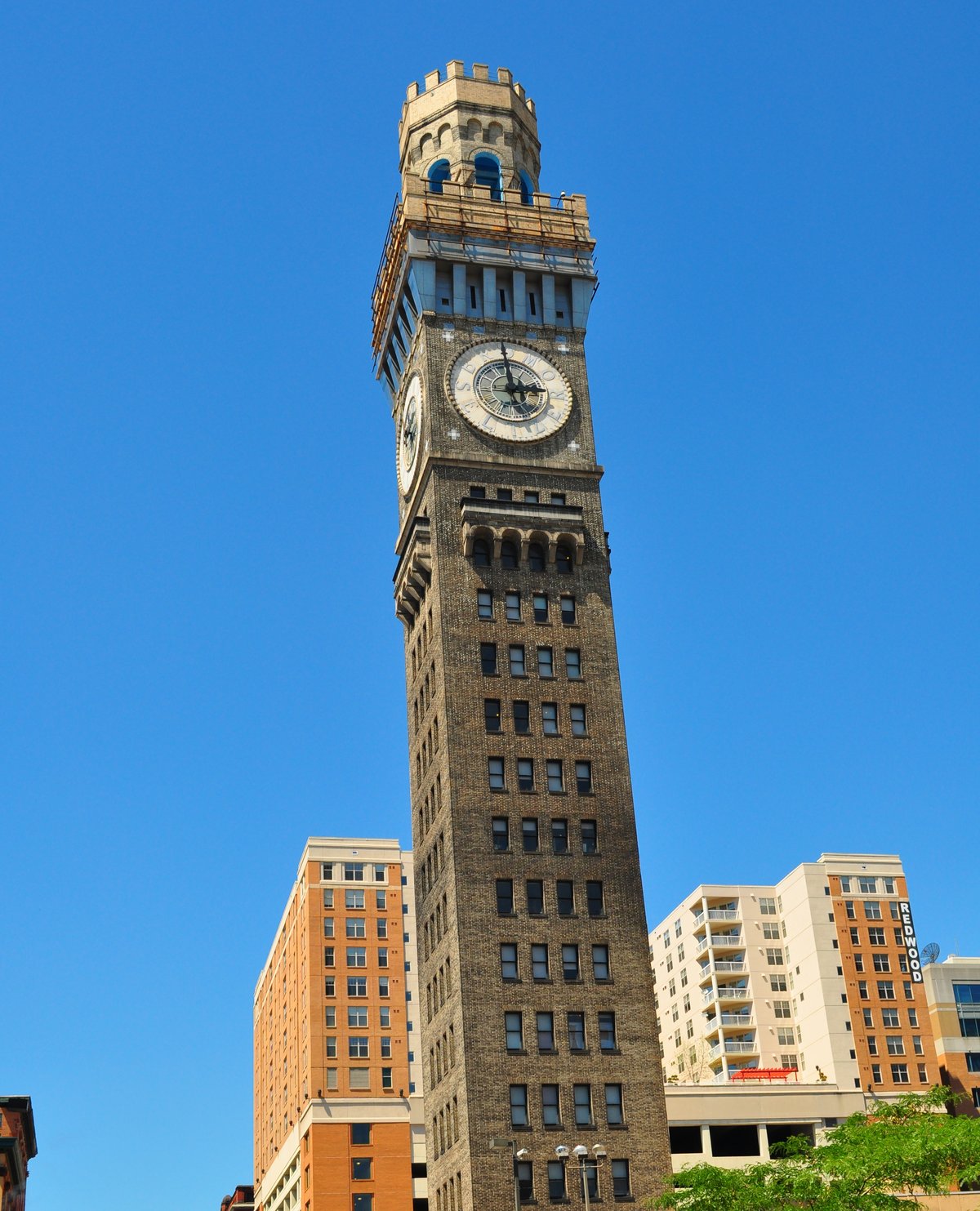
- Bromo Seltzer Tower
- Edgar Allan Poe’s Gravesite & Memorial
All are within walking distance or accessible via public transit (Lexington Market Visit).
Frequently Asked Questions (FAQ)
Q: What are Lexington Market’s hours?
A: Monday–Saturday, 7:00 AM – 6:00 PM; closed Sundays.
Q: Is there an admission fee?
A: No; entry is free.
Q: Are pets allowed?
A: Only service animals are permitted.
Q: Is the market accessible for wheelchairs?
A: Yes, fully accessible entrances, restrooms, and seating are provided.
Q: What payment methods are accepted?
A: Most vendors accept cash, cards, and SNAP/FSP benefits; some may be cash-only.
Q: Are guided tours available?
A: Yes, but only on select dates—check the official website or email [email protected].
Q: Where can I park?
A: West Market Garage (210 N. Paca St.) and street parking nearby.
Discover More
Lexington Market is a living testament to Baltimore’s enduring spirit, diversity, and resilience. Its modern facilities, historical significance, and vibrant vendor community make it a unique urban experience. Whether you’re sampling iconic crab cakes, browsing specialty goods, or soaking in the atmosphere of a bustling city market, Lexington Market is an essential stop in Baltimore.
Plan your trip by checking the latest hours and event listings on the official website. Download the Audiala app for personalized guides and exclusive offers, and follow Lexington Market’s social media for real-time updates. Discover the flavors, stories, and traditions that continue to shape Baltimore—your authentic city adventure begins at Lexington Market!