Plan and listen to Johns Hopkins University with Audiala.
Audio guide in your pocket, itinerary in your browser. Built for the way you actually visit.
Introduction: Exploring Johns Hopkins University’s History, Culture, and Visitor Essentials
Visiting Johns Hopkins University (JHU) in Baltimore, Maryland, is an opportunity to experience one of America's most esteemed research institutions, renowned for its academic legacy, striking architecture, and cultural impact. Founded in 1876 and named after philanthropist Johns Hopkins, the Homewood Campus is celebrated for its Federal- and Georgian-style buildings, lush green spaces, and landmark museums such as the Homewood Museum and the Johns Hopkins Archaeological Museum. The campus welcomes visitors daily from dawn to dusk, offering free admission to several museums, with some requiring advance ticket reservations. Whether you are a prospective student, history aficionado, architecture enthusiast, or casual tourist, JHU presents a distinctive blend of historic charm and modern academic vibrancy.
Adjacent to campus, the Johns Hopkins Monument stands as a tribute to the university’s visionary founder and is open to the public year-round in a nearby park. The university’s location in Baltimore also positions visitors near city highlights, including the bustling Inner Harbor, Fort McHenry National Monument, The Walters Art Museum, and picturesque parks like Sherwood Gardens.
This guide provides comprehensive visitor information covering campus and monument hours, ticketing, guided and self-guided tour options, accessibility, parking, transportation, architectural highlights, cultural institutions, and seasonal events. For the latest updates, consult the official Johns Hopkins University visitor resources and download the Audiala app for guided audio tours and real-time event details (Johns Hopkins University Official Visitor Page, Johns Hopkins University, Homewood Museum).
- Introduction
- Visiting Hours and Ticket Information
- Guided Tours and Visitor Experience
- Accessibility and Visitor Amenities
- Architectural and Historical Highlights
- Nearby Attractions and Things to Do in Baltimore
- Frequently Asked Questions (FAQ)
- Visuals and Media
- Plan Your Visit
- Conclusion and Call to Action





1. Visiting Hours and Ticket Information
- Homewood Campus: Open daily, dawn to dusk.
- Homewood Museum:
- Tuesday to Saturday: 10:00 AM – 4:00 PM
- Sunday: 12:00 PM – 4:00 PM
- Closed Mondays and major holidays
- Admission is free, but tickets must be reserved online (Homewood Museum).
- Johns Hopkins Archaeological Museum: Located within Homewood Campus; free entry during posted hours.
- Johns Hopkins Monument: Outdoor public site, accessible year-round from dawn to dusk; no ticket required.
2. Guided Tours and Visitor Experience
- Guided Campus Tours: Offered on weekdays and select weekends, covering academic buildings, historic landmarks, and campus traditions. Advance registration is recommended (Johns Hopkins University Official Visitor Page).
- Self-Guided Tours: Campus maps and audio guides are available for download, allowing visitors to explore at their own pace.
- Homewood Museum Tours: Self-guided audio tours are available during open hours; docent-led group tours can be scheduled by appointment.
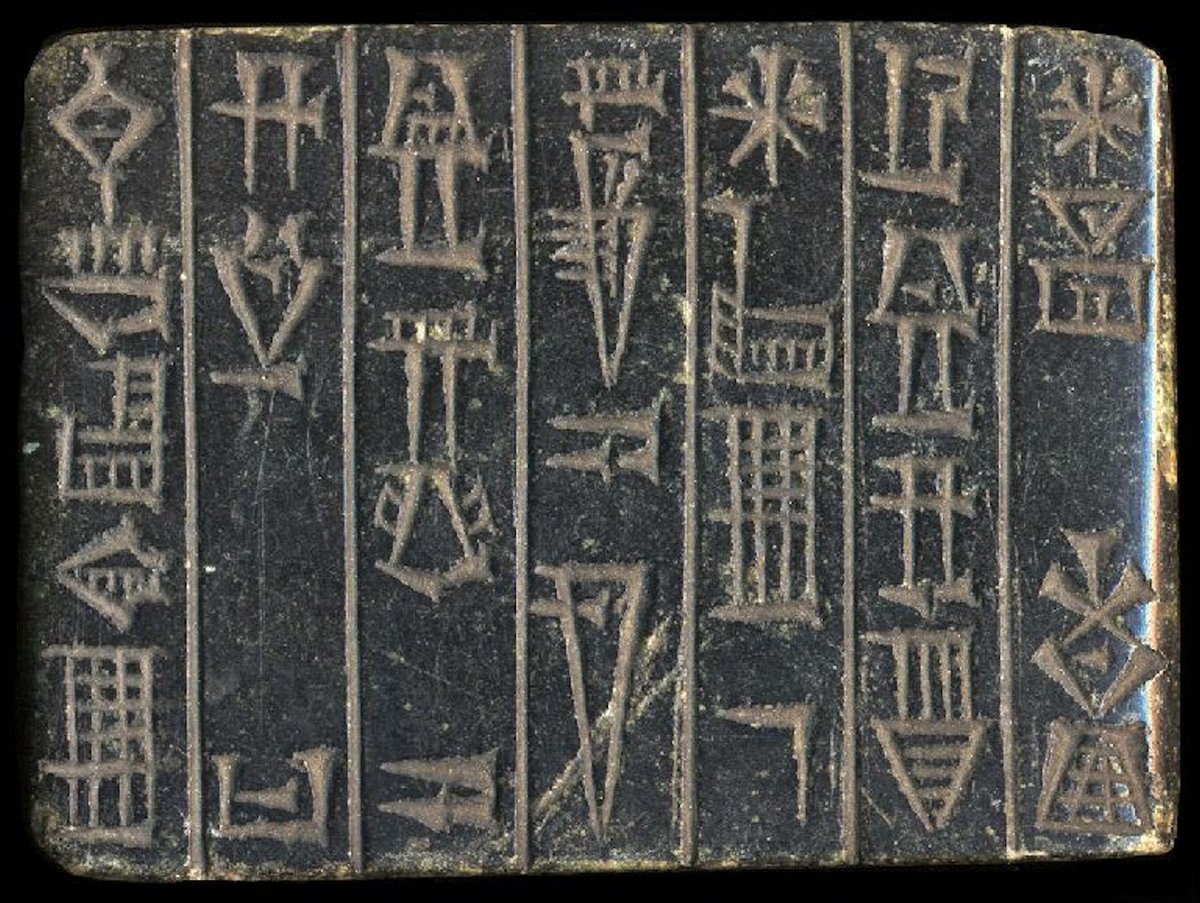
- Johns Hopkins Archaeological Museum: Features over 700 artifacts and supports educational programs.
- Photography: Allowed for personal use; commercial photography requires permission.
3. Accessibility and Visitor Amenities
- Campus Accessibility: Wheelchair-accessible paths and building entrances throughout campus. Homewood Museum has accessible entrances; some restrooms may require assistance.
- Parking: Metered parking on Charles and St. Paul Streets; limited free parking at Homewood Museum (register at gift shop); paid public lots near campus.
- Public Transit: Served by MTA bus routes and light rail; MTA info. The free Baltimore Collegetown Shuttle operates during academic semesters.
- Amenities: Cafés, restrooms, seating, and bike racks are distributed across campus.
4. Architectural and Historical Highlights
- Homewood House: Built in 1801, a model of Federal-style design, now a museum with period furnishings and exhibitions on Black history and resilience.
- Gilman Hall: Iconic for its grand reading room and historic architecture (AdmissionsSight).
- Milton S. Eisenhower Library: Modern research facility with 3.7 million volumes (JHU Libraries).
- Keyser Quadrangle: The social heart of the campus, surrounded by academic buildings and green lawns.
- Glass Pavilion: A contemporary event space with panoramic campus views.
- Freshman Quad: Home to first-year student residences and community life.
- Archaeological Museum: Inside Gilman Hall, with ancient artifacts on display.
5. Nearby Attractions and Things to Do in Baltimore
- Baltimore Inner Harbor: Waterfront district with restaurants, shops, and the National Aquarium (Baltimore Inner Harbor Visitor Information).
- Fort McHenry National Monument: Historic site that inspired “The Star-Spangled Banner.”
- The Walters Art Museum: Free admission, world-class art collection.
- Maryland Science Center: Hands-on exhibits for all ages.
- Wyman Park Dell: Adjacent public park with walking paths and green space.
- Sherwood Gardens: Famed for spring tulip displays (Leverage Edu).
- Rawlings Conservatory: Exotic plants and themed greenhouses in Druid Hill Park.
6. Frequently Asked Questions (FAQ)
Q: What are the campus visiting hours?
A: Homewood Campus is open from dawn to dusk; most buildings 8:00 AM – 6:00 PM on weekdays.
Q: Is admission free?
A: Yes, campus and most museums are free; some require tickets or advance reservations.
Q: Are guided tours available?
A: Yes, guided and self-guided tours are available; registration is recommended.
Q: Is the campus accessible to visitors with disabilities?
A: Yes, with accessible entrances, paths, and amenities.
Q: What are the parking options?
A: Metered and limited free parking at Homewood; paid parking near campus; visitor and valet parking at the medical campus.
8. Plan Your Visit
- Check Official Websites: For up-to-date hours and ticket details (Johns Hopkins Visitor Information).
- Transportation: Use public transit or ride-shares for convenience.
- Accessibility: Contact the university in advance for special needs (JHU Accessibility).
- Download Apps: The Audiala app offers self-guided audio tours and event notifications.
9. Discover the Johns Hopkins Monument: History and Visitor Information
Located near the Homewood campus, the Johns Hopkins Monument honors the university’s founder and Baltimore’s legacy of educational philanthropy. The statue, erected in the early 20th century, is a symbol of the city’s academic and medical progress.
- Hours: Outdoors, open year-round from dawn to dusk.
- Admission: Free and open to the public.
- Location: Easily accessible by foot from Homewood Campus; parking and public transportation available.
- Accessibility: Paved walkways, wheelchair accessible.
- Nearby: Homewood Museum, Baltimore Museum of Art, Wyman Park Dell.
Photography Tips: Visit in the morning or late afternoon for optimal lighting and scenic backgrounds.
Visitor Tips: Wear comfortable shoes, check the weather, and consider combining your visit with a campus tour.
FAQs:
- Open year-round? Yes.
- Guided tours? Not at the monument itself, but included in campus tours.
- Parking? Available near campus.
- Safe to visit at night? Daytime visits are recommended for safety.
For more, see Baltimore Visitor Center.
10. Exploring Homewood Campus: Buildings, Gardens, Museums, and Student Life
- Gilman Hall: Humanities departments, historic reading room, campus icon (AdmissionsSight).
- Eisenhower Library: Research and study hub (JHU Libraries).
- Keyser Quadrangle: Center for student activities.
- Glass Pavilion: Modern event space.
- Freshman Quad: Student residences and community.
- Wyman Park Dell & Sherwood Gardens: Scenic green spaces for relaxation and photography.
Museums and Culture:
- Archaeological Museum: Ancient artifacts inside Gilman Hall.
- Evergreen Museum & Library: Gilded Age mansion, art, and manuscripts (Leverage Edu).
- Peabody Institute: Historic music conservatory with public performances (Britannica).
Student Life:
- 400+ organizations, lively events, athletic facilities, diverse dining options (Student Life at Johns Hopkins).
11. Safety, Amenities, and Additional Visitor Services
- Security: 24/7 campus patrols; emergency assistance at 410-955-5585.
- Dining: Charles Village offers a range of cafés and restaurants.
- Shopping: Homewood Museum Bookshop for souvenirs and Black history books.
- Lost & Found: Call 410-955-5588.
- Accommodations: Numerous hotels in Charles Village and nearby Baltimore; guest services can assist with recommendations.
- Special Needs: TTY, social work, and pastoral care available.
- Maps: Digital and printed campus maps; virtual tours online.
12. Safety Tips and General Advice
- Stay alert, especially after dark.
- Use campus transportation when possible.
- Register your vehicle if parking at the museum.
- Keep valuables secure.
- Contact security for emergencies.
Discover More
Johns Hopkins University stands as a beacon of educational innovation and cultural heritage, offering visitors the chance to explore historic architecture, world-class museums, and vibrant campus life in the heart of Baltimore. With accessible facilities, free admission to many attractions, and a range of nearby historical sites, JHU is a top destination for anyone interested in American history, architecture, or higher education.
Plan your visit today:
- Download the Audiala app for audio tours and event updates.
- Check official university and museum pages for the latest information.
- Follow JHU and Audiala on social media for news and visitor tips.
Internal Links:
- Baltimore Sightseeing Guide
- Top Historical Sites in Baltimore
External Links:
- Johns Hopkins University Official Visitor Page
- Baltimore Inner Harbor Visitor Information
- Homewood Museum
- JHU Libraries
- AdmissionsSight Campus Tour
- Leverage Edu Baltimore Hangouts
- Britannica - Johns Hopkins University
- JHU Accessibility Info
Listen to the full story in the app
The whole Johns Hopkins University,
told well.
Audio guides for 1,100+ cities across 96 countries. History, stories, and local insight — offline ready.

Verified, and shown.
Researched and written by the Audiala editorial team from historical records, architectural archives, and local expertise.
Researched from Wikidata, Wikipedia & official sources · fact-checked · How we make our guides →