Introduction to the John Eager Howard Monument
Nestled in the heart of Baltimore’s Mount Vernon neighborhood, the John Eager Howard Monument stands as a distinguished tribute to one of Maryland’s most celebrated Revolutionary War heroes and civic leaders. Crafted by renowned French sculptor Emmanuel Frémiet and erected in 1843, this monumental bronze statue honors Howard’s valor—particularly his pivotal role at the Battle of Cowpens—and his lifelong dedication to public service. The monument sits within the vibrant Mount Vernon Place, an area rich with historical and cultural landmarks, including the iconic Baltimore Washington Monument, the Walters Art Museum, and the George Peabody Library. This guide provides a comprehensive overview of the monument’s history, artistic and urban significance, visiting details, and nearby attractions, ensuring an enriching experience for every visitor. For further details, consult respected resources such as the Municipal Art Society of Baltimore City and the Mount Vernon Place Conservancy.
Photo Gallery
Explore John Eager Howard Monument in Pictures

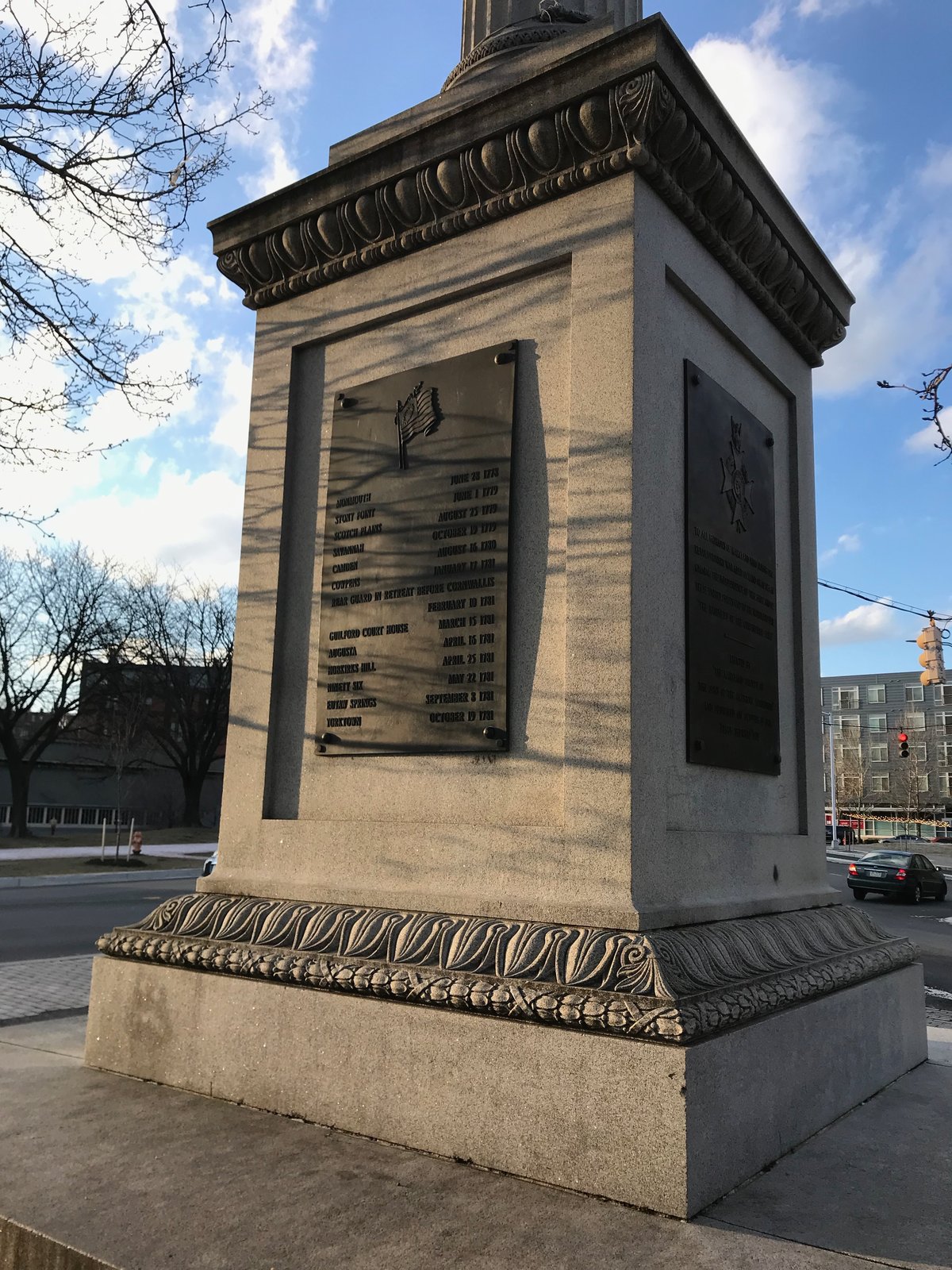
Photograph showing circular plaques on the base of the John Eager Howard Monument, sculpted by Emmanuel Frémiet in 1903, located at 699 Washington Place, Baltimore, taken by Eli Pousson in March 2019.

Photograph of the John Eager Howard Monument located at 699 Washington Place, Baltimore, Maryland. The statue, sculpted by Emmanuel Frémiet in 1903, depicts the historic figure and is an important cultural landmark, captured by Eli Pousson on March 12, 2019.

Photograph of the John Eager Howard Monument sculpted by Emmanuel Frémiet, located at 699 Washington Place, Baltimore, Maryland, taken by Eli Pousson on March 12, 2019.

Bronze statue of John Eager Howard sculpted by Emmanuel Frémiet in 1903, located at 699 Washington Place, Baltimore, MD. Photo taken by Eli Pousson on July 25, 2018.

Photograph of the John Eager Howard Monument located at 699 Washington Place, Baltimore, Maryland, created by sculptor Emmanuel Frémiet, captured by Eli Pousson on July 25, 2018. This historic bronze statue honors John Eager Howard and showcases detailed artistic craftsmanship.

Statue of John Eager Howard at Mount Vernon Place in Baltimore, Maryland, USA, sculpted by Emmanuel Frémiet and dedicated in 1904.

Close-up image of the statue of John Eager Howard, an American Revolutionary War hero and politician, showcasing detailed sculpture work.
Historical Background: John Eager Howard and the Monument
John Eager Howard (1752–1827) was not only a military hero but also a prominent statesman and philanthropist. His leadership at the Battle of Cowpens was a turning point in the American Revolution, earning him a silver medal from the Confederation Congress and high praise from General Nathanael Greene, who famously said Howard deserved “a statue of gold” (Wikipedia: John Eager Howard). After the war, Howard served as Maryland’s governor and a U.S. senator, and contributed significantly to Baltimore’s civic development.
Despite his achievements, Howard was not honored in the National Statuary Hall Collection at the U.S. Capitol, a gap that inspired the Municipal Art Society of Baltimore City to commission a monument in his memory (MAS Baltimore).
Commissioning and Artistic Vision
The Municipal Art Society selected Emmanuel Frémiet, a celebrated French sculptor known for his dynamic public statues, to create a monument capturing Howard’s spirit and historical significance. Frémiet’s vision materialized in a bronze sculpture portraying Howard in a commanding pose, referencing his leadership and bravery during the Revolution. The statue stands atop a granite pedestal, symbolizing both the strength and permanence of Howard’s legacy (MAS Baltimore).
Artistic Significance and Symbolism
Frémiet’s work combines realism and idealism. The detailed depiction of Howard’s military attire, expressive features, and assertive stance evoke the courage and civic responsibility he embodied. The monument’s narrative—Howard at his moment of triumph at Cowpens—serves as a powerful reminder of Baltimore’s role in America’s founding and the enduring values of leadership and sacrifice (Evendo).
The location in Mount Vernon Place, among landscaped gardens and neoclassical architecture, amplifies the monument’s resonance, making it a focal point for civic pride and historical reflection (MAS Baltimore).
Location and Urban Context
Positioned at the intersection of North Charles Street and Mount Vernon Place in central Baltimore, the monument is easily accessible on foot, by public transit, or by car. Originally part of Howard’s estate, Mount Vernon Place evolved into one of Baltimore’s most prestigious neighborhoods, renowned for its elegant 19th-century architecture and array of cultural institutions, including the Walters Art Museum and George Peabody Library (Baltimore Heritage).
The monument’s surroundings are a testament to visionary urban planning, with four symmetrical parks and a layout inspired by European models, particularly those of Paris (Mount Vernon Place Conservancy). The area’s formal design and architectural highlights, such as the Mount Vernon Place United Methodist Church and Garrett-Jacobs Mansion, make it a must-see for history and architecture enthusiasts (Fodor’s Travel).
Visiting Hours, Tickets, and Accessibility
Monument Access:
- Hours: Open year-round, 24 hours a day, as it stands outdoors in a public park. For safety and the best experience, visit during daylight hours.
- Admission: Free; no tickets required.
Accessibility:
- The monument and Mount Vernon Place feature paved walkways and curb cuts, making them wheelchair accessible.
- Public restrooms are available at nearby museums and cultural venues.
Getting There:
- Public Transit: Served by the Charm City Circulator (Purple Route), MTA bus lines, and the Light Rail.
- Parking: Limited street parking and several parking garages are nearby.
Nearby Attractions and Things to Do
Make the most of your visit by exploring these nearby cultural and historical sites:
- Washington Monument: The first U.S. monument to George Washington; climb its 227 steps for sweeping city views (Baltimore.org).
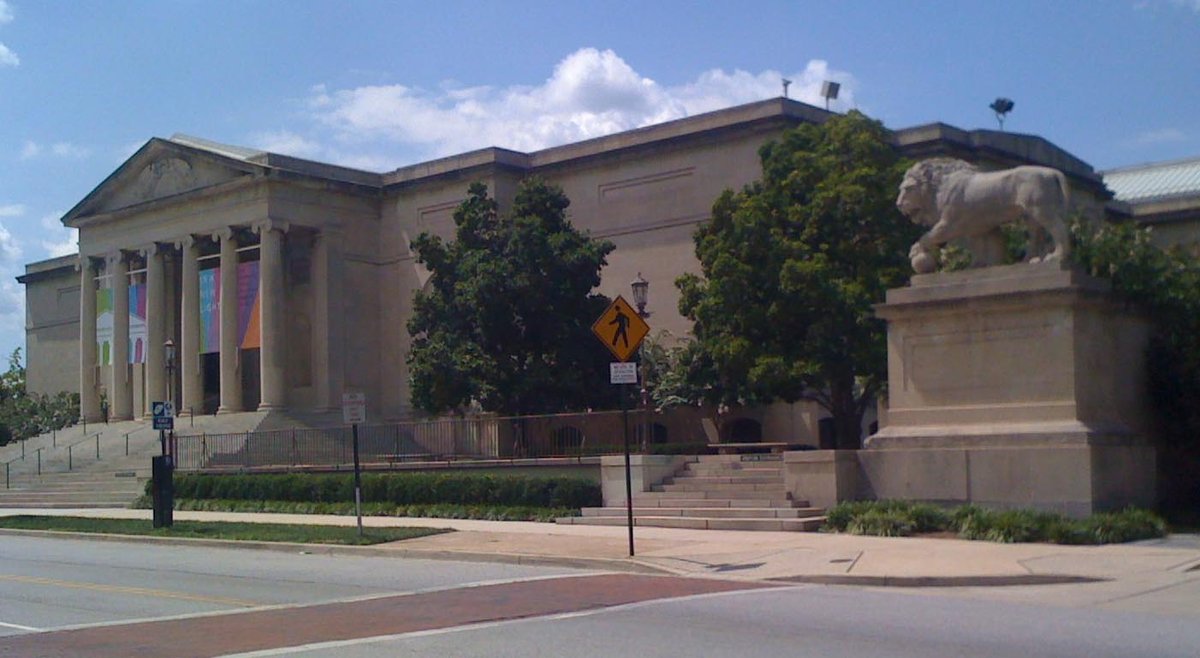
- Walters Art Museum: World-class collection spanning ancient to modern art (free admission).
- George Peabody Library: Renowned for its breathtaking interior and rare books.
- Mount Vernon Place United Methodist Church: Exemplifies Gothic Revival architecture.
- Mount Vernon Cultural District: Offers theaters, galleries, and diverse dining options.
For more, visit the Baltimore Heritage website.
Guided Tours, Events, and Photography Tips
Guided Tours:
- Baltimore Heritage and other organizations offer guided walking tours of Mount Vernon Place, including the John Eager Howard Monument.
- The free "Explore Baltimore Heritage" app provides self-guided tours replete with historical photos and insights.
Events:
- Mount Vernon Place hosts annual festivals such as the Baltimore Book Festival and Flower Mart, with the monument as a central backdrop.
Photography:
- Capture the monument in early morning or late afternoon for optimal lighting.
- The dramatic bronze statue, granite pedestal, and surrounding gardens create striking compositions.
Preservation and Legacy
The John Eager Howard Monument is maintained by the city and local heritage organizations, with regular restoration efforts ensuring its longevity (MAS Baltimore). These initiatives safeguard not just the monument, but the broader artistic and historic landscape of Mount Vernon Place for future generations.
Frequently Asked Questions (FAQ)
Q: What are the monument’s visiting hours?
A: The monument is accessible 24/7 in a public park; daytime visits are recommended.
Q: Is there an admission fee?
A: No, visiting the monument and Mount Vernon Place is free.
Q: Are guided tours available?
A: Yes, both guided and self-guided tours are offered by local organizations.
Q: Is the monument wheelchair accessible?
A: Yes, paved paths and ramps provide accessibility.
Q: How do I get there by public transit?
A: Use the Charm City Circulator (Purple Route), MTA buses, or Light Rail, all with stops nearby.
Suggested Visuals
- Baltimore Washington Monument at Mount Vernon Place: High-resolution image with the city skyline.
- Interior Spiral Staircase: Photo showcasing the ascent inside the Washington Monument.
- Monument Lighting Event: Capture the annual festivities and fireworks.
- Map of Mount Vernon Place: Highlighting the monument and nearby attractions.
Related Articles
- Exploring Baltimore’s Historic Mount Vernon Neighborhood
- Top Public Monuments in Baltimore You Should Visit
- A Guide to the Washington Monument in Baltimore
Listen to the full story in the app
Your Personal Curator, in Your Pocket.
Audio guides for 1,100+ cities across 96 countries. History, stories, and local insight — offline ready.
Audiala App
Available on iOS & Android
Join 50k+ Curators
Sources
- verified
- verified
- verified
- verified
- verified
Last reviewed: