Plan and listen to Homewood Museum with Audiala.
Audio guide in your pocket, itinerary in your browser. Built for the way you actually visit.
Introduction
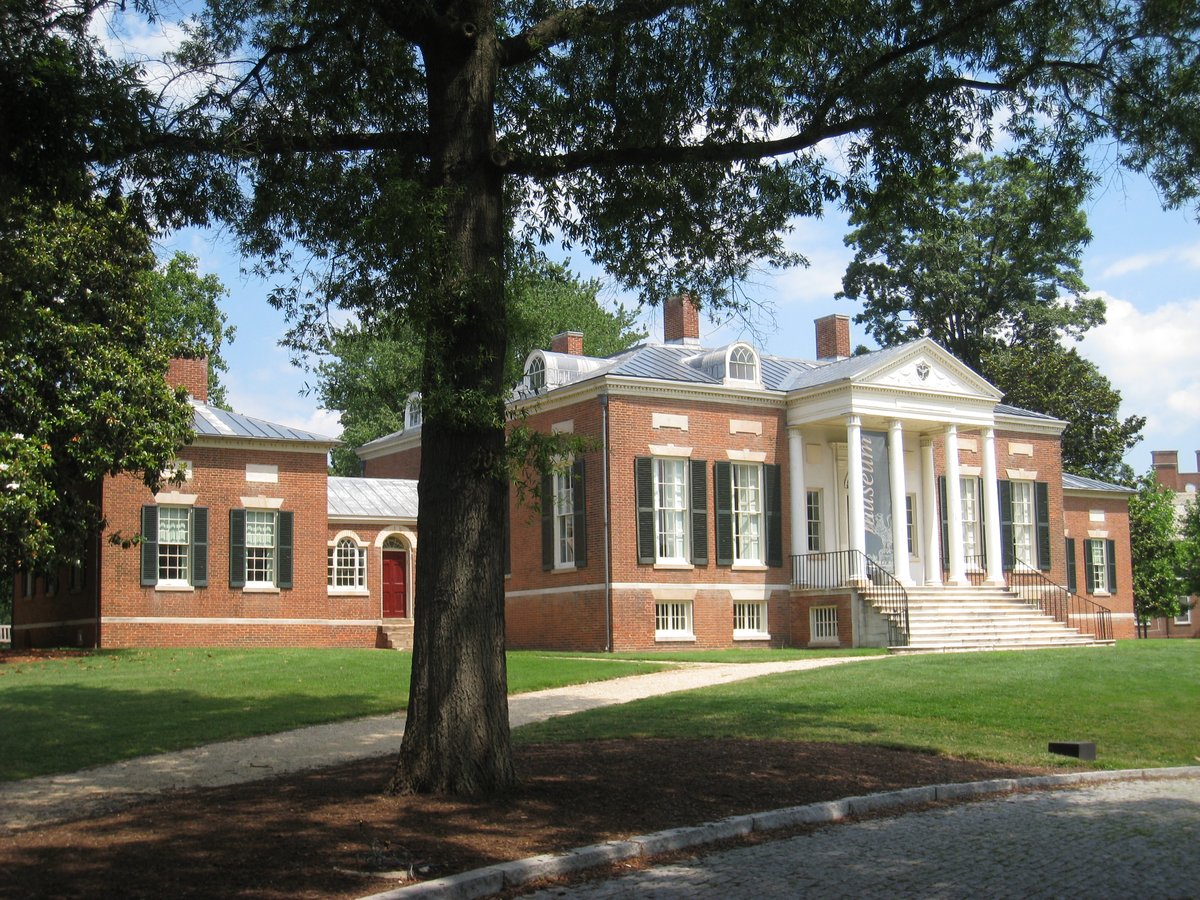
Nestled on the grounds of Johns Hopkins University in Baltimore, the Homewood Museum stands as one of America’s finest and most intact examples of early 19th-century Federal-period architecture. Built circa 1801 as a wedding gift from Charles Carroll of Carrollton—the last surviving signer of the Declaration of Independence—to his son Charles Carroll Jr., the estate provides an immersive experience into the refined tastes, social dynamics, and complex histories of the young American republic. The museum not only showcases architectural elegance and decorative arts but also honors the lives of the enslaved individuals who lived and labored there. This comprehensive guide covers everything you need to know about visiting Homewood Museum: hours, ticketing, tours, accessibility, nearby attractions, and the estate’s enduring historical significance. For the latest details, prospective visitors are encouraged to consult the official Homewood Museum website and additional resources like Baltimore.org.
The Homewood Museum offers a window into the architectural innovation and social dynamics of early 19th-century Baltimore. It stands as both a cultural resource and a historical landmark, ideal for history buffs, architecture enthusiasts, and cultural travelers alike. Visitors can expect expertly curated tours, engaging exhibitions, and a welcoming atmosphere that encourages deeper exploration of Baltimore’s heritage.

Origins and Construction
The Homewood estate was constructed around 1801, commissioned by Charles Carroll Jr. as a country retreat and status symbol. Built on 140 acres, the house’s construction cost was an extraordinary $40,000—reflecting the Carroll family’s wealth and prominence (Wikipedia). The estate’s five-part Palladian plan, crafted from red brick and white marble, exemplifies the Federal style and set the standard for subsequent architectural developments in Baltimore (Baltimore.org).
Architectural Significance
Homewood is celebrated as a masterpiece of Federal-period architecture. The mansion’s symmetrical layout features a central block joined by hyphens to two flanking wings, balanced proportions, and refined neoclassical ornamentation. Notable details include elaborate plasterwork, intricately carved wood mantels, and original period furnishings (museums.jhu.edu). The interior’s grand central hall, period-specific rooms, and advanced features—such as early central heating—demonstrate the Carroll family’s embrace of modernity and taste (Best Attractions).
The Carroll Family and Enslaved Residents
While the museum symbolizes affluence and refinement, its history is inseparable from the lives of the enslaved people who maintained the estate. Research uncovers the stories of families like William and Rebecca Ross, and Izadod and Cis Conner, whose labor sustained Homewood (Homewood Museum Visitor Info). The museum is committed to presenting a nuanced narrative through tours and exhibitions that center both the Carroll family and the enslaved residents.
Museum Evolution
Over two centuries, Homewood has transitioned from private residence to secondary school, office space, and social club. Acquired by Johns Hopkins University in 1902, it became surrounded by the expanding campus and was later restored, opening as a museum in 1987. The Homewood Museum now serves as a vital educational and cultural resource, supporting ongoing research and preservation (JHU Newsletter).
Visiting Hours, Tickets & Accessibility
- Hours: Tuesday–Sunday, 10:00 AM to 4:00 PM. Closed Mondays and major holidays. Seasonal changes may apply—verify on the official website.
- Tickets: Modest fees apply, with discounts for seniors, students, and groups. Advance online booking is recommended during busy periods.
- Accessibility: First-floor and restroom access are wheelchair-friendly. Some historic spaces may be limited; contact the museum in advance for specific accommodations.
Guided Tours and Special Programs
Docent-led tours are the primary way to experience Homewood Museum, offering deep insights into architecture, decorative arts, and social history. Self-guided audio tours are available via the museum’s app. Regularly scheduled programs include seasonal exhibitions, themed lectures, and workshops. Check the current events calendar for details.
Collections and Current Exhibitions
The museum’s collection encompasses American decorative arts, ceramics, paintings, and silver—many original or period-appropriate. Noteworthy exhibitions include “Ceramics Highlights at Homewood” and “History Through Poetry,” which explore both the material culture and the lived experiences of those connected to the estate (Current Exhibitions).
Nearby Attractions
Enhance your visit by exploring nearby Baltimore historical sites:
- Evergreen Museum & Library
- Baltimore Museum of Art
- Walters Art Museum
- Federal Hill Park
All are easily accessible from the Homewood campus, offering a day rich in culture and history.
Inclusive History Initiatives
Homewood Museum is dedicated to presenting inclusive narratives. Initiatives like the “(Re)Valuing Black Baltimore Exhibition” and collaborations with Black-owned businesses broaden the understanding of Baltimore’s past and foreground stories of resistance and resilience (Best Attractions).
Preservation and Scholarship
Maintained by Johns Hopkins University, the museum is a hub for preservation, scholarship, and educational outreach. Scholars and visitors alike contribute to ongoing research and engagement with the estate’s evolving story (Homewood Museum).
Frequently Asked Questions (FAQ)
Q: What are the Homewood Museum’s opening hours?
A: Tuesday to Sunday, 10:00 AM to 4:00 PM. Closed Mondays and holidays.
Q: How do I purchase tickets?
A: Online via the official website or in person. Advance booking is recommended.
Q: Is the museum wheelchair accessible?
A: The first floor and restrooms are accessible; contact the museum regarding other accommodations.
Q: Are guided tours required?
A: Yes, all visits are by guided tour to ensure a comprehensive and safe experience.
Q: Can I take photos inside?
A: Photography is permitted in designated areas without flash. Check with staff upon arrival.
Q: Are group tours available?
A: Yes, but must be arranged in advance.
Travel Tips
- Best times to visit: Weekdays and early afternoons are generally less crowded.
- Parking: Limited street parking; several garages are available on campus. Public transportation is recommended.
- Accessibility: Due to the historic structure, some areas may be challenging for those with mobility issues—plan ahead.
- Nearby amenities: Restrooms available; no on-site dining, but campus options are nearby.
- Health protocols: Check current health and safety guidelines on the museum website.
Listen to the full story in the app
The whole Homewood Museum,
told well.
Audio guides for 1,100+ cities across 96 countries. History, stories, and local insight — offline ready.
Verified, and shown.
Researched and written by the Audiala editorial team from historical records, architectural archives, and local expertise.
Researched from Wikidata, Wikipedia & official sources · fact-checked · How we make our guides →