Plan and listen to Hampton National Historic Site with Audiala.
Audio guide in your pocket, itinerary in your browser. Built for the way you actually visit.
Introduction
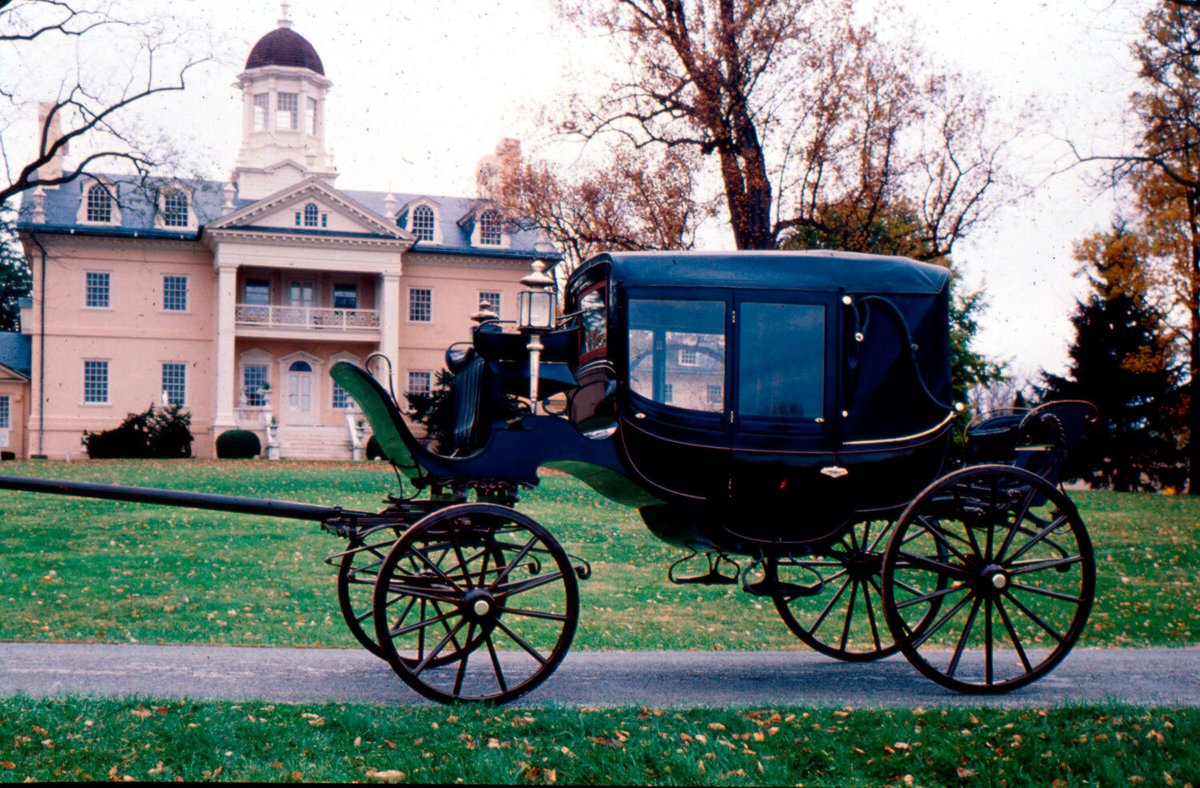
Welcome to the ultimate guide to Hampton National Historic Site, one of Baltimore's most treasured historical landmarks. Located in Towson, Maryland, this site offers visitors a profound glimpse into America's past, spanning from the late 18th century through the early 20th century. Originally established by Captain Charles Ridgely in 1783, the estate is a Georgian-style architectural marvel and was once the largest private home in the United States (National Park Service).
Hampton National Historic Site is not just a testament to architectural grandeur but also a window into the complex social and economic history of Maryland. The estate provides a comprehensive view of the Ridgely family's influence on local and national history, including their roles in the War of 1812 and the Civil War. The site also addresses the painful history of slavery through interpretive programs and exhibits, offering a holistic understanding of the era's social dynamics (Maryland Historical Society).
Whether you're a history enthusiast, architecture lover, or simply looking for a unique day out, this guide will provide you with all the essential information, including visiting hours, ticket details, travel tips, and more. Read on to make the most of your visit to this remarkable historical site.





History of Hampton National Historic Site
Early Beginnings and Construction
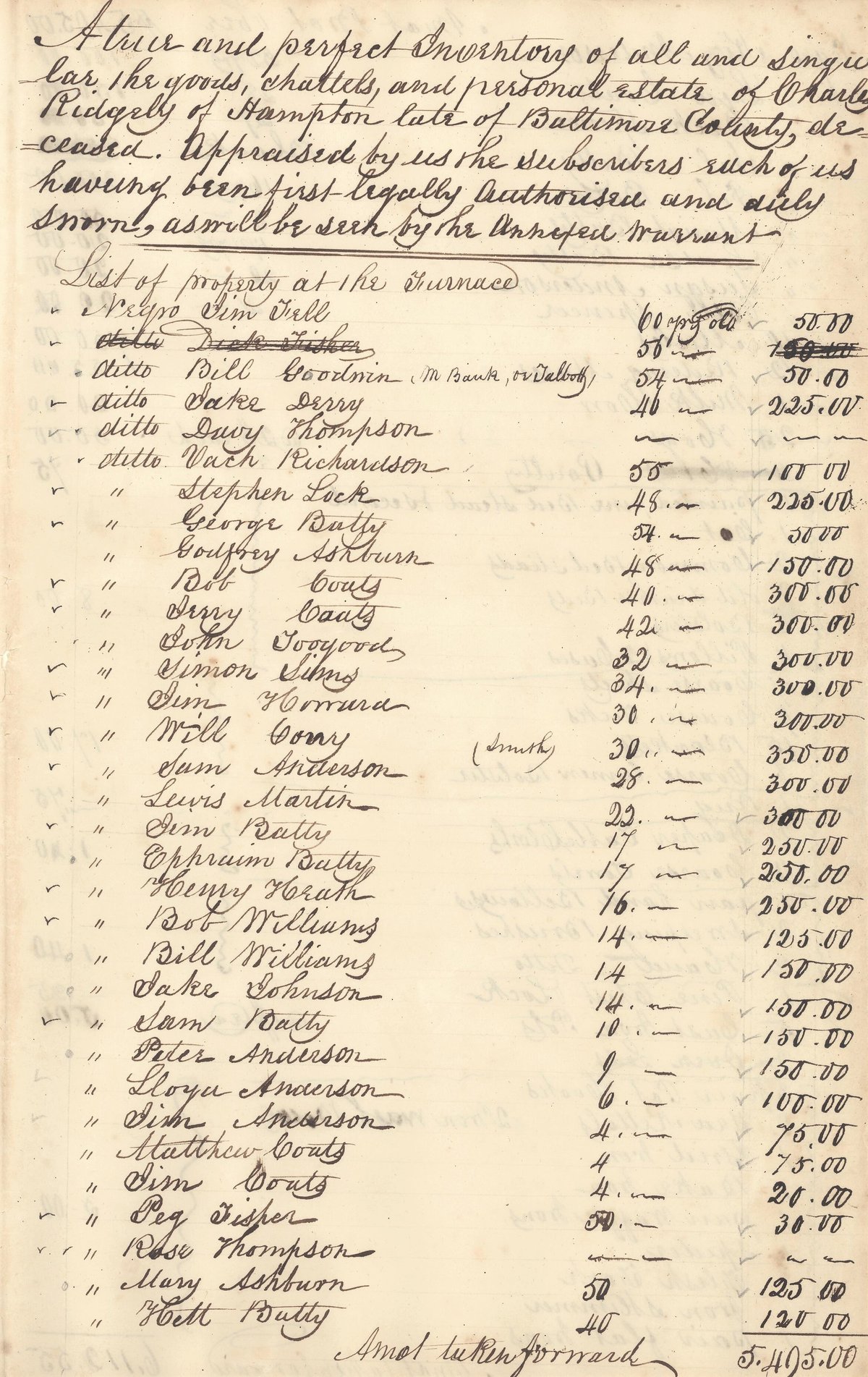
The Hampton National Historic Site, located in Baltimore, Maryland, is a testament to the grandeur and complexity of American history. The estate was originally established by Captain Charles Ridgely, a prominent figure in Maryland's colonial history. Construction of the Hampton Mansion began in 1783 and was completed in 1790. The mansion, a Georgian-style architectural marvel, was one of the largest private homes in the United States at the time of its completion. The estate originally spanned over 25,000 acres, encompassing vast agricultural lands, forests, and gardens (National Park Service).
The Ridgely Family Legacy
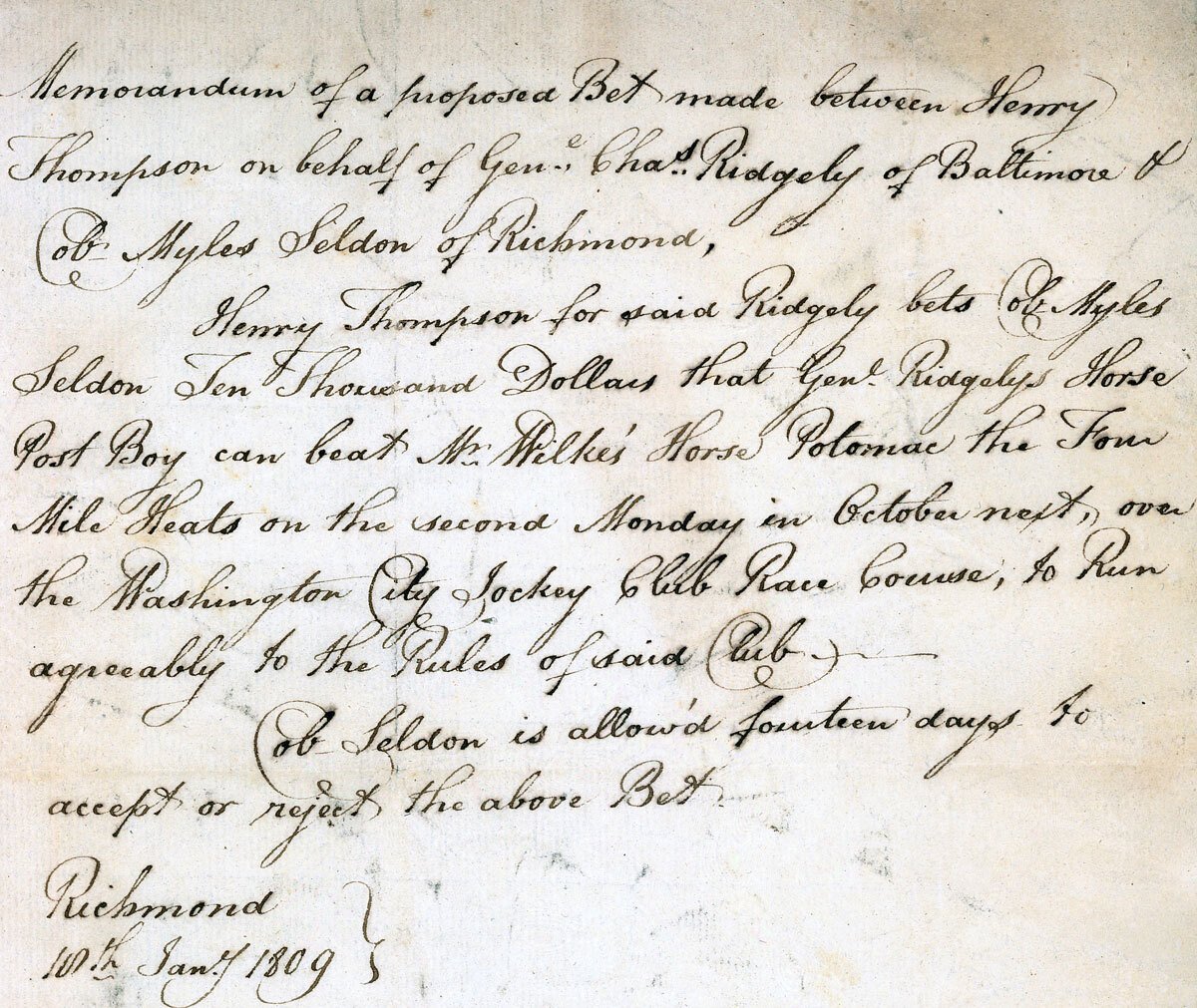
The Ridgely family played a significant role in the history of the Hampton estate. Captain Charles Ridgely, also known as Charles Ridgely "The Merchant," was the original builder. The estate remained in the Ridgely family for over 150 years, transitioning from a plantation economy reliant on enslaved labor to a diversified agricultural operation. The Ridgely family played a crucial role in Maryland's economic and social development, influencing politics, industry, and culture (Maryland Historical Society).
Exploring Hampton National Historic Site
Architectural Significance
The Hampton mansion showcases the Georgian style that was prevalent among the American elite during the late 18th century. Its design includes a symmetrical facade, a grand central hall, and elaborate decorative elements such as plasterwork and wood carvings. The estate also features several outbuildings, including slave quarters, stables, and gardens, providing insight into the daily operations of a large plantation (Architectural Digest).
Cultural and Social Impact
Hampton National Historic Site serves as a vital educational resource, shedding light on the complex social dynamics of the time. The estate’s history is deeply intertwined with the institution of slavery, and the site addresses this painful aspect of American history through interpretive programs and exhibits (Smithsonian Magazine). The site also explores the Ridgely family’s role in the broader context of American history, including their involvement in the War of 1812 and the Civil War (Library of Congress).
Preservation and Conservation Efforts
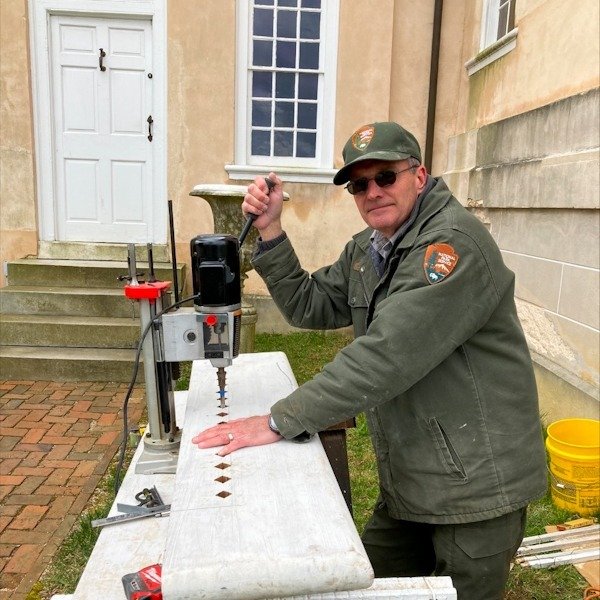
The National Park Service, which manages Hampton National Historic Site, has undertaken extensive restoration projects to maintain the integrity of the mansion and its surrounding structures. These efforts ensure that future generations can continue to learn from and appreciate this historical treasure (National Trust for Historic Preservation). Conservation initiatives also extend to the estate's natural environment, maintaining gardens and landscapes to reflect their historical appearance (American Horticultural Society).
Educational and Interpretive Programs
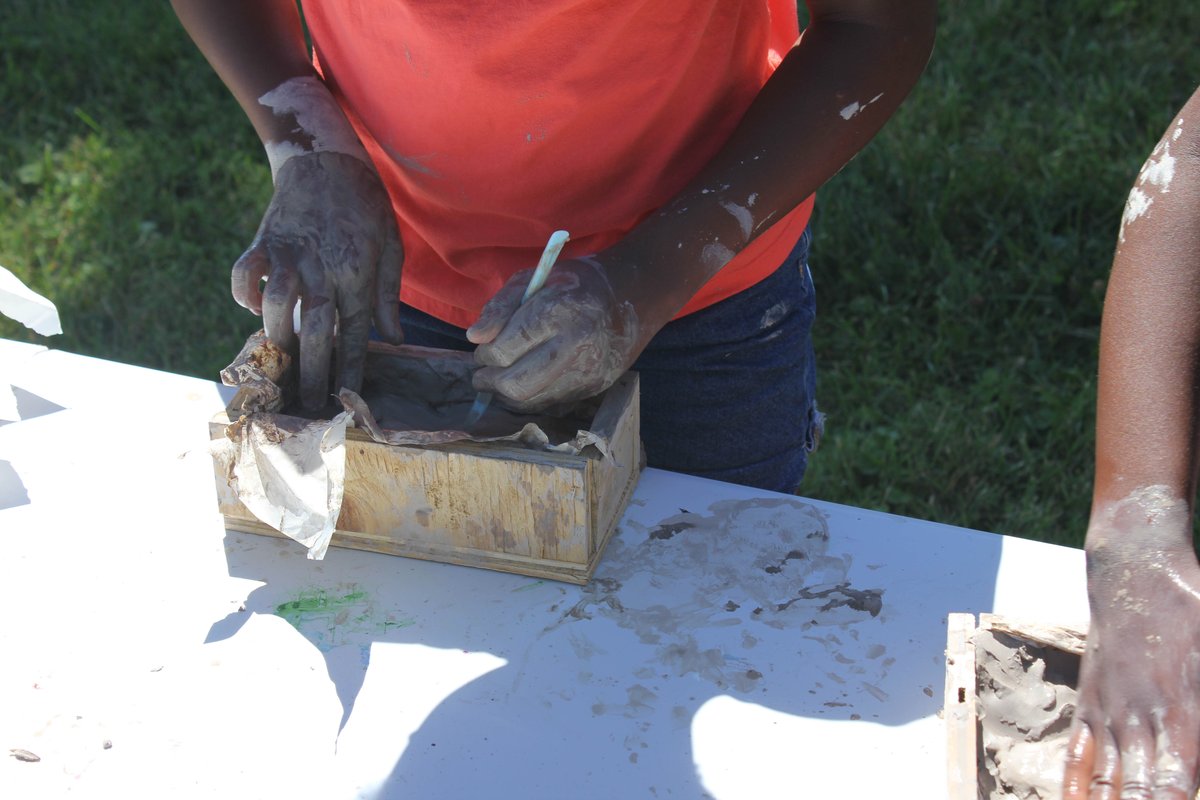
Hampton National Historic Site offers a variety of educational programs designed to engage visitors of all ages. Guided tours of the mansion and grounds provide in-depth information about the site's history, architecture, and cultural significance. Special programs, such as living history demonstrations and workshops, offer hands-on experiences that bring the past to life (National Park Foundation). The site also hosts events and lectures exploring specific aspects of its history, fostering a deeper understanding of the complexities of American history (Baltimore Heritage).
Visitor Information
Visiting Hours and Tickets
Hampton National Historic Site is open year-round with seasonal variations in programming and accessibility. The mansion and its outbuildings are open for guided tours at specific times, so check the official National Park Service website for the latest visiting hours and tour schedules. Admission to the site is free, but donations are welcome to support ongoing preservation efforts.
Travel Tips and Nearby Attractions
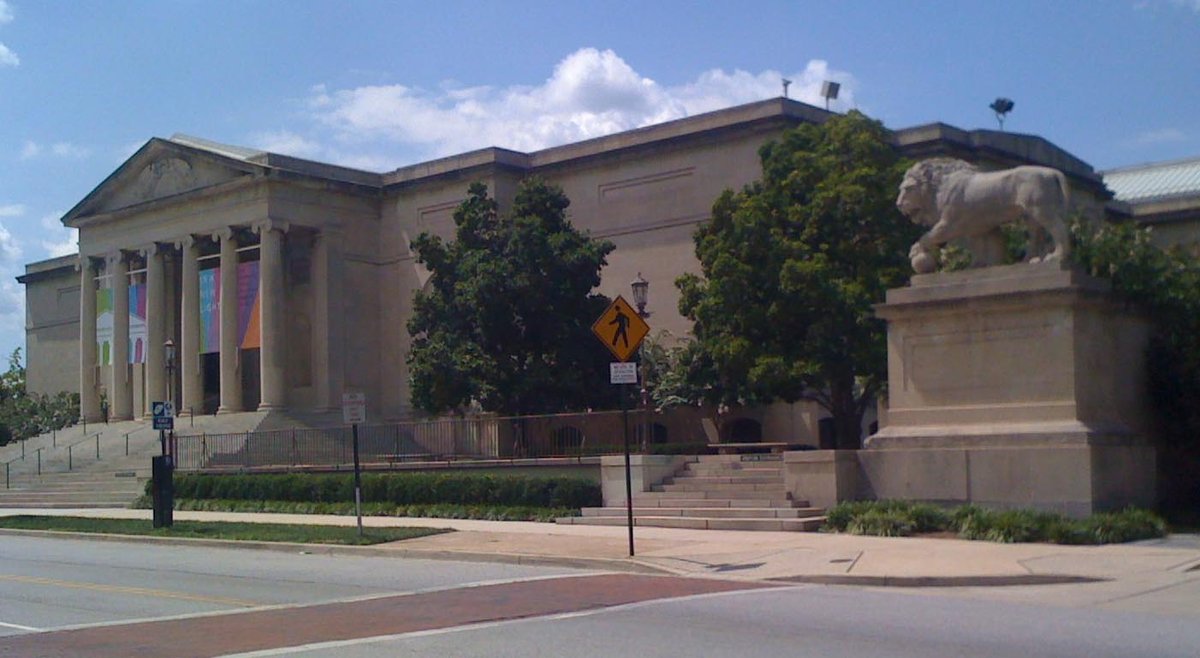
The site is easily accessible by car, with ample parking available. For those using public transportation, check local transit options for the best routes. While visiting, consider exploring nearby historical sites in Baltimore, such as Fort McHenry and the Baltimore Museum of Art, to make the most of your trip.
Accessibility
Hampton National Historic Site strives to be accessible to all visitors. The visitor center, gardens, and most of the mansion are wheelchair accessible. Visitors with specific needs are encouraged to contact the site in advance to ensure a pleasant and accommodating visit.
FAQ
Q: What are the Hampton National Historic Site visiting hours?
A: Visiting hours vary seasonally. Please check the official National Park Service website for up-to-date information.
Q: Is there an admission fee for Hampton National Historic Site?
A: Admission is free, but donations are appreciated to support preservation efforts.
Q: Can I take photos at Hampton National Historic Site?
A: Yes, photography is allowed in most areas of the site. However, please be respectful of other visitors and the historic nature of the property.
Q: Are there guided tours available?
A: Yes, guided tours are available. Check the official website for tour times and availability.
Listen to the full story in the app
The whole Hampton National Historic Site,
told well.
Audio guides for 1,100+ cities across 96 countries. History, stories, and local insight — offline ready.
Verified, and shown.
Researched and written by the Audiala editorial team from historical records, architectural archives, and local expertise.
Hampton National Historic Site
Researched from Wikidata, Wikipedia & official sources · fact-checked · How we make our guides →