Plan and listen to Green Mount Cemetery with Audiala.
Audio guide in your pocket, itinerary in your browser. Built for the way you actually visit.
Introduction
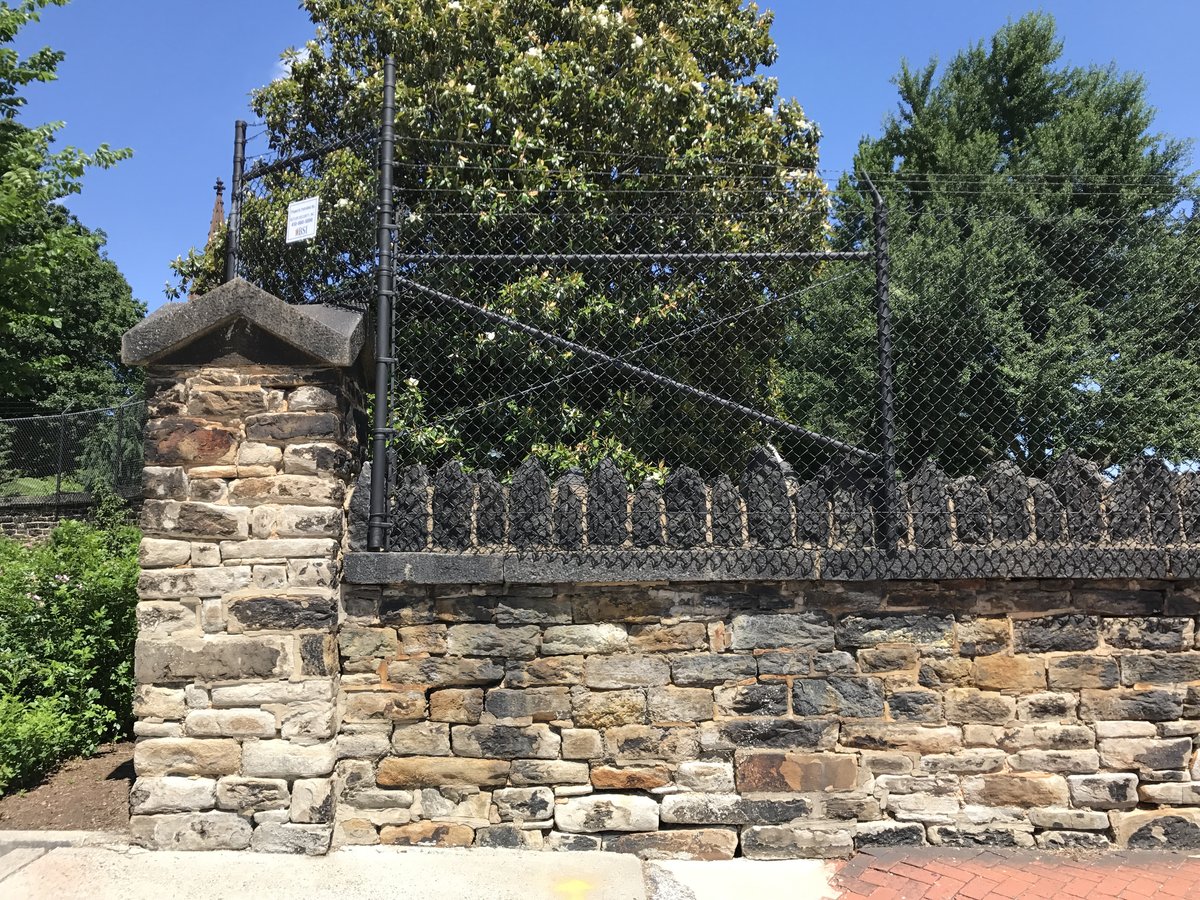
Green Mount Cemetery in Baltimore, Maryland, stands as a remarkable testament to the city’s history, culture, and artistry. Established in 1839, it is among the earliest rural, or garden, cemeteries in the United States—a movement designed to address urban public health issues, create green spaces, and foster reflection in tranquil natural surroundings. Renowned for its picturesque landscape, Gothic Revival architecture, and distinguished interments, Green Mount is not only an active burial ground but also an open-air museum and vital community resource.
This comprehensive guide details everything you need to know for visiting Green Mount Cemetery: its historical background, visiting hours, ticket and tour information, accessibility, etiquette, and highlights of its most notable monuments and figures. For more in-depth resources, consult the official Green Mount Cemetery website and the Baltimore City Landmark Report.

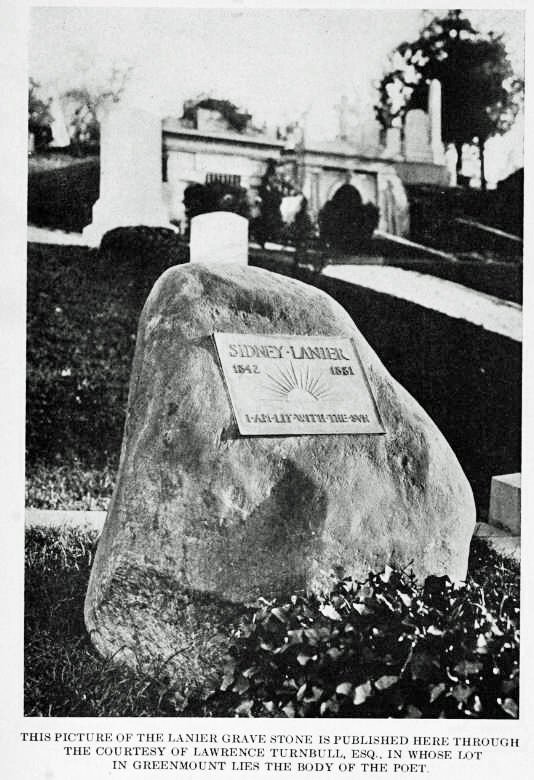
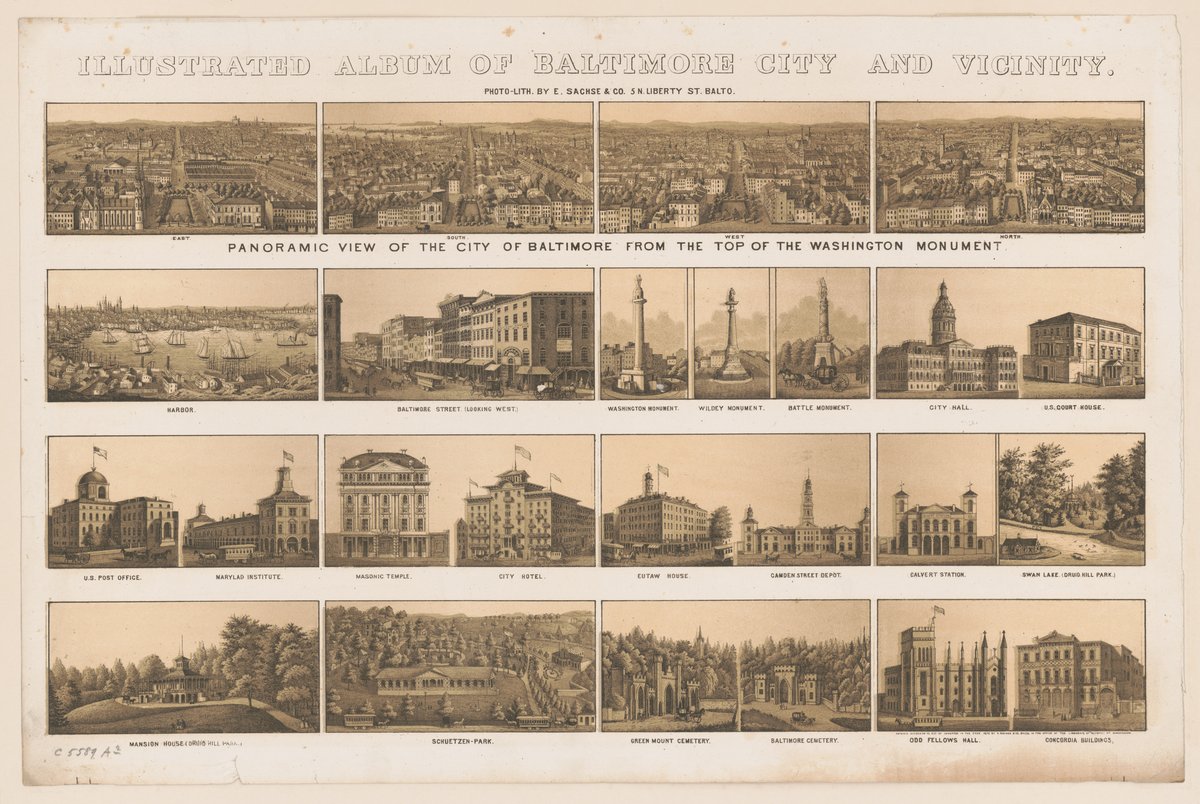
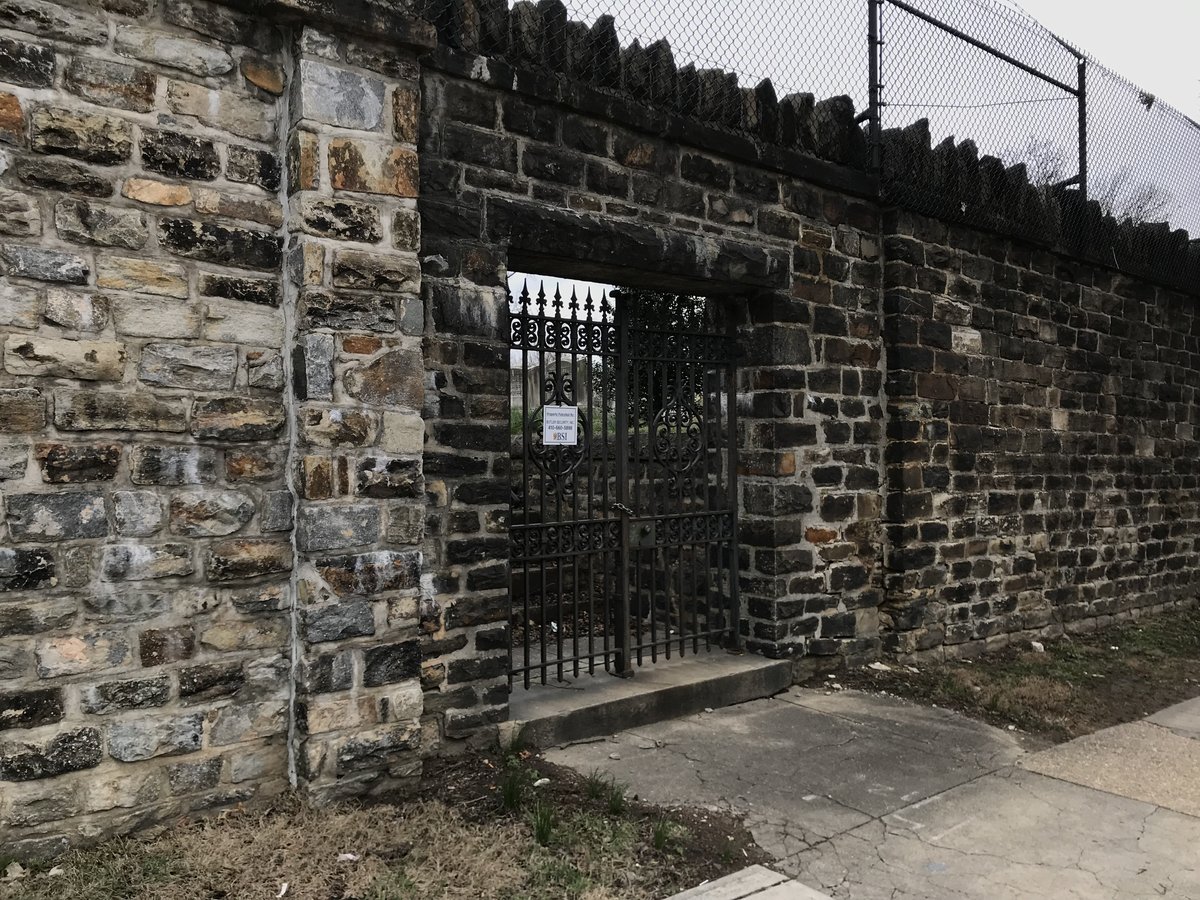
Founding and Early Years
Green Mount Cemetery was established following the 19th-century rural cemetery movement, inspired by Mount Auburn Cemetery in Massachusetts. Samuel Walker, after visiting Mount Auburn in 1834, helped found Green Mount on the former estate of Robert Oliver. Officially incorporated in 1838, Green Mount was envisioned as a non-profit, non-sectarian burial ground, open to all regardless of race, class, or religion (Wikipedia, Green Mount Cemetery History, Landmark Report PDF).
The cemetery’s dedication on July 13, 1839, was a major civic event, and its establishment marked a significant shift in attitudes toward death, memorialization, and public space (mdhistory.org, dyingtotelltheirstories.com).
Landscape and Architecture
Benjamin H. Latrobe, Jr. designed Green Mount’s winding paths, groves, and hills to evoke a peaceful, contemplative atmosphere. The entrance gateway, designed by Robert Cary Long, Jr., features Gothic Revival towers and ironwork, while the hilltop chapel by Niernsee & Neilson reflects the period's romantic ideals (Wikipedia, Green Mount Cemetery History, Landmark Report PDF).
The grounds double as an arboretum, with rare plantings such as the Green Mount Red rose (Explore Baltimore Heritage).
Artistic and Social Significance
Green Mount Cemetery is noted for its impressive funerary art and monuments, many crafted by celebrated sculptors like William Henry Rinehart and Hans Schuler. The cemetery’s design and use reflected broader 19th-century reform movements and changing perceptions of death, nature, and public space (mdhistory.org, dyingtotelltheirstories.com).
Green Mount’s original mission continues through its preserved landscape, non-profit status, and active role in community engagement and education.
Notable Burials
Green Mount Cemetery is the final resting place of nearly 65,000 individuals, including many who shaped Baltimore and American history:
- Johns Hopkins: Philanthropist and university founder
- Enoch Pratt: Founder of the Enoch Pratt Free Library
- William and Henry Walters: Art collectors and founders of the Walters Art Museum
- Mary Elizabeth Garrett: Women’s education advocate
- Betsy Patterson Bonaparte: Socialite with international ties
- A.S. Abell: Founder of The Baltimore Sun
- John Wilkes Booth: Assassin of President Abraham Lincoln; his grave is marked by a simple headstone, a site of ongoing fascination (Baltimore Heritage, Baltimore Fishbowl)
- Elijah Bond: Inventor of the Ouija Board, with a headstone resembling the board (Live Baltimore)
- William Henry Rinehart: Renowned sculptor, whose works are featured throughout the cemetery
This collection of notable individuals highlights Green Mount’s role as a chronicle of Baltimore’s—and the nation’s—past (baltimoreheritage.org, dyingtotelltheirstories.com).
Visiting Green Mount Cemetery
Hours and Admission
- Monday–Friday: 9:00 AM – 3:45 PM
- Saturday: 9:00 AM – 3:45 PM (office closes at noon)
- Sunday: Closed
Note: Gates are locked promptly at closing. Check for seasonal changes or weather-related closures by calling the office (Chamber of Commerce, Green Mount Cemetery Official Site).
Admission: Free for all visitors. Maps and brochures for self-guided tours are available for a small fee. Guided tours (available seasonally) may require separate ticketing (Baltimore Heritage Events).
Getting There
- Address: 1501 Greenmount Avenue, Baltimore, MD 21202
- Phone: (410) 539-0641
- Parking: Limited on-site; street parking available nearby
- Public Transit: Served by several Maryland Transit Administration bus routes
Accessibility
Most main paths are paved, but much of the terrain is grassy and uneven. Wheelchair access is possible near the entrance and chapel, but visitors with mobility challenges should plan accordingly and can contact the office for assistance (Baltimore Heritage).
Guided and Self-Guided Tours
- Self-Guided: Maps available at the office; allow for flexible exploration of notable graves and landmarks
- Guided Tours: Offered in May and October, often led by local historians like Wayne Schaumburg; advance registration recommended for groups (Baltimore Heritage Events, MidAtlantic Day Trips)
- Special Events: Check the official website and Baltimore Heritage for seasonal programs and commemorations
Etiquette and Visitor Tips
- Sign in at the office upon arrival
- Photography: Permitted for personal use; flash and drone use may require prior approval
- Pets: Not officially permitted; check current policies before bringing animals
- Dress appropriately for uneven terrain and weather conditions
- Remain respectful—this is an active burial site
- Plan your visit; allow enough time to explore the grounds and monuments
Unique Features and Experiences
- Victorian-era funerary art: Intricate bronze, marble, and granite monuments (MidAtlantic Day Trips)
- Booth family plot: Visitors often leave Lincoln pennies as a symbolic gesture
- Ouija Board headstone: Elijah Bond’s unique grave marker attracts curiosity-seekers
- Rare plantings: The Green Mount Red rose and diverse trees create an arboretum-like setting (Explore Baltimore Heritage)
- Birdwatching: Hawks, falcons, and owls frequent the grounds
- Skyline views: The cemetery’s elevation offers vistas of Baltimore
Frequently Asked Questions (FAQs)
Q: What are Green Mount Cemetery’s visiting hours?
A: Monday–Saturday, 9:00 AM to 3:45 PM. Closed Sundays. Call ahead during inclement weather.
Q: Is there an admission fee?
A: No, admission is free. Fees apply for maps, brochures, and some guided tours.
Q: Are guided tours available?
A: Yes, usually in May and October. Check Baltimore Heritage for current schedules.
Q: Is the cemetery accessible to wheelchairs?
A: Main paths are paved, but much of the terrain is uneven. Contact the office for specific assistance.
Q: Can I take photographs?
A: Yes, for personal use. Contact the office for commercial or special photography needs.
Q: Are pets allowed?
A: Official policy prohibits pets; confirm with the office before your visit.
Additional Baltimore Historical Sites
After exploring Green Mount Cemetery, consider visiting other nearby landmarks such as:
- Walters Art Museum
- Enoch Pratt Free Library
- Johns Hopkins University campus
- Annabel Lee Tavern (for Poe enthusiasts)
Listen to the full story in the app
The whole Green Mount Cemetery,
told well.
Audio guides for 1,100+ cities across 96 countries. History, stories, and local insight — offline ready.
Verified, and shown.
Researched and written by the Audiala editorial team from historical records, architectural archives, and local expertise.
Researched from Wikidata, Wikipedia & official sources · fact-checked · How we make our guides →