Introduction
Frederick Douglass High School in Baltimore, Maryland, is an enduring symbol of African American educational progress, community resilience, and leadership. Established in 1883 as Baltimore’s first public secondary school for African American students, the school has played a central role in the city’s civil rights history and in shaping generations of leaders. Its architectural grandeur, cultural legacy, and ongoing educational mission make it a unique landmark for visitors and history enthusiasts alike (Historic Structures; hfdhsaainc.net).
This comprehensive guide covers Frederick Douglass High School’s origins, historical and architectural significance, visitor information—including hours, tickets, accessibility, and nearby attractions—and practical tips for making the most of your visit.
Photo Gallery
Explore Frederick Douglass High School in Pictures

The current Frederick Douglass High School building located at 2301 Gwynns Falls Parkway, Baltimore, Maryland, originally designed as Western High School to match Eastern High School's architectural style.

Color photo showcasing the three-story brick exterior of Frederick Douglass High School in Baltimore, Maryland, established 1954, featuring entry doors, windows, and surrounding lawn and trees, representing an important historic African American educational institution.

Marquee displaying a message at Frederick Douglass Senior High School located in Baltimore, Maryland
Historical Background
Origins and Early Development
Founded as the Colored High School in 1883, Frederick Douglass High School emerged at a time when educational opportunities for Black students were severely restricted due to segregation. Initially housed within the High and Grammar School on Holliday Street, it grew rapidly, gaining its own principal and staff by 1885 (Historic Structures). In 1897, a dedicated building was constructed for advanced students, and by 1901, the school had moved to Pennsylvania Avenue, expanding its programs to include teacher training and polytechnic departments. These developments reflected the aspirations of Baltimore’s Black community and their advocacy for better educational access (Historic Structures).
Calhoun and Baker Streets Era (1925–1954)
Community efforts led to the construction of a new facility at Calhoun and Baker Streets in 1924–25, the first public high school in Baltimore built specifically for Black students. The Late Gothic Revival-style building included modern amenities such as an auditorium, gymnasiums, and industrial arts facilities, becoming a hub for students from across the state (Historic Structures). Graduation classes expanded significantly, and the school’s academic reputation grew.
Academic Excellence and Impact
Guided by dedicated principals including Dr. Mason A. Hawkins and Harry T. Pratt, Douglass High School achieved national recognition for academic excellence and community involvement. It offered a broad curriculum, adult education, and hosted a range of cultural and civic events, becoming a vital center of Black intellectual and cultural life in Baltimore (Historic Structures).
Segregation, Desegregation, and Relocation
Until the landmark Brown v. Board of Education decision in 1954, Frederick Douglass was Baltimore’s designated high school for Black students. Following desegregation, the school relocated from its historic Calhoun and Baker Streets site, but its legacy as a beacon of opportunity and resilience continued (Historic Structures).
Modern Era and Ongoing Legacy
Today, Frederick Douglass High School operates at 2301 Gwynns Falls Parkway, though it is currently in temporary quarters at 6900 Park Heights Avenue while its main campus undergoes a major renovation (Baltimore City Public Schools; Baltimore 21st Century Schools). The school serves over 550 students in grades 9–12, offering rigorous academic and vocational programs, and boasts a distinguished roster of alumni, including Supreme Court Justice Thurgood Marshall and jazz legend Cab Calloway (Maryland Center for History and Culture; The Baltimore Banner).
Architectural and Cultural Significance
Frederick Douglass High School’s 1924 Collegiate Gothic Revival building, designed by Joseph Evans Sperry and Spencer E. Sisco, is an architectural gem. Its red brick masonry, stone details, pointed arches, and decorative battlements reflect the educational aspirations of Baltimore’s Black community during segregation (Baltimore City Landmark Designation Report). The school was also an early center for arts and culture, hosting significant performances and the 1894 commencement address by Frederick Douglass himself (Baltimore Magazine).
Visiting Frederick Douglass High School
Visiting Hours and Ticket Information
Frederick Douglass High School is an active educational facility. Public visiting hours are limited, and visits are typically by appointment only. There is no general admission fee; however, guided tours and special events may require registration. It is essential to contact the school in advance to arrange a visit or inquire about upcoming open houses (Baltimore City Public Schools).
Current Access (July 2025)
- Main Campus: 2301 Gwynns Falls Parkway, Baltimore, MD 21216 (under renovation)
- Temporary Campus: 6900 Park Heights Avenue, Baltimore, MD 21215
All updates on visiting hours, special events, and reopening of the historic campus can be found on the school’s official website and the Alumni Association site.
Accessibility
Both the renovated main campus and the temporary location comply with ADA standards, ensuring accessibility for visitors with disabilities. Parking and public transit options are available, and visitors should check in advance for detailed directions and accommodations.
Location and Transportation
The school is accessible via multiple Baltimore city bus lines, and on-site parking is available during scheduled events or tours. The surrounding neighborhood also offers convenient amenities and dining options (Baltimore.org).
Special Events and Guided Tours
Guided tours are available by appointment and during designated open houses or special events. These tours are led by knowledgeable staff or alumni and provide insights into the school’s historical and architectural significance. The school also hosts cultural and heritage celebrations open to the public. Details are posted on official platforms in advance.
Photography
Exterior photography is permitted; interior photography may require prior approval from the administration. Respect for student privacy and school policies is expected during all visits.
Points of Interest and Nearby Attractions
Visitors to Frederick Douglass High School can enrich their experience by exploring nearby historic and cultural sites, such as:
- Reginald F. Lewis Museum of Maryland African American History & Culture
- Peale Museum
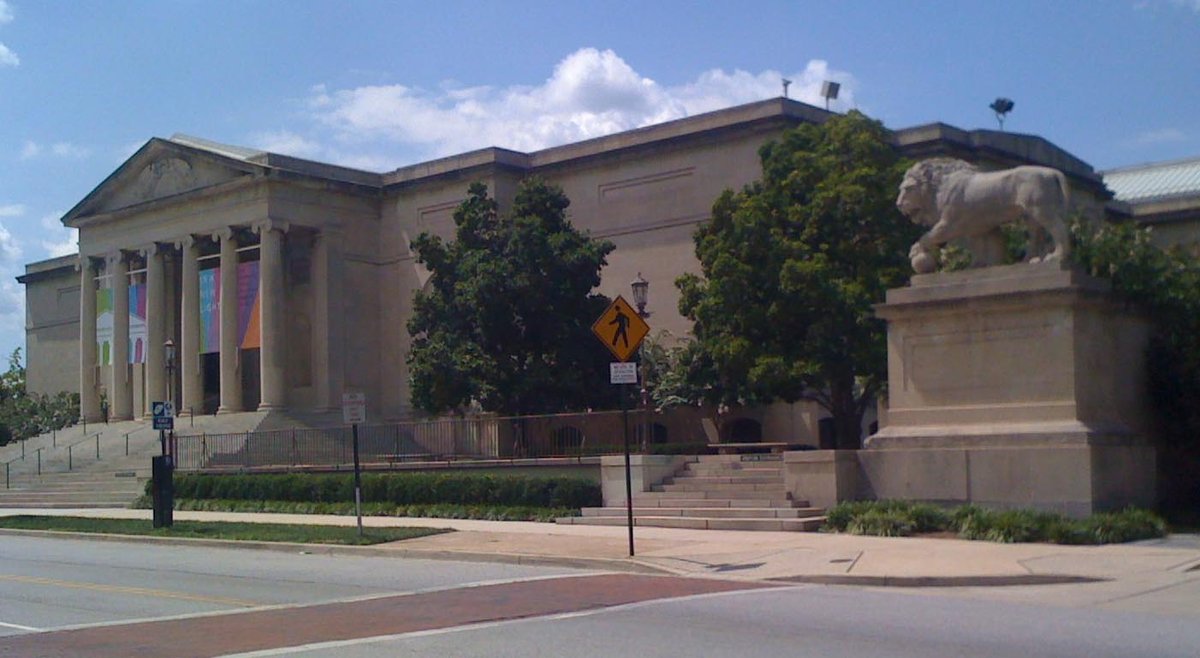
- Baltimore Museum of Art
- Frederick Douglass-Isaac Myers Maritime Park
The school’s location allows for easy integration with broader heritage tours of Baltimore (Baltimore Magazine).
Visitor Guidelines and Community Engagement
- Advance Scheduling: All visits must be scheduled in advance; walk-ins are not permitted.
- Security: All visitors must check in at the main office and wear a visitor badge.
- Etiquette: Respect the learning environment; avoid disrupting classes or activities.
- Accessibility: Contact the school in advance for any special accommodations.
- Engagement: Take advantage of opportunities to engage with faculty, students, or alumni during tours and events.
Frequently Asked Questions (FAQ)
Q: Can I visit the historic Frederick Douglass High School building?
A: The original campus is currently under renovation, and access is limited. Stay updated through the official website and alumni association for reopening information.
Q: Is there an admission fee for tours?
A: No general fee is required for tours or visits, though donations to support preservation efforts are appreciated.
Q: Are guided tours available?
A: Yes, guided tours can be scheduled by appointment or during special events.
Q: Is the campus accessible for visitors with disabilities?
A: Yes, both the main and temporary campuses are ADA compliant.
Q: Can I attend school events?
A: Public events, performances, and heritage celebrations are open to visitors. Check the school’s website for details.
Travel Tips for a Successful Visit
- Plan Ahead: Schedule your visit in advance and confirm hours and accessibility.
- Use Public Transit: Parking may be limited; public transportation is convenient.
- Explore Local Heritage: Enhance your visit by touring nearby museums and historic sites.
- Support Local Businesses: Enjoy dining and shopping in the surrounding community (Baltimore.org).
Listen to the full story in the app
Your Personal Curator, in Your Pocket.
Audio guides for 1,100+ cities across 96 countries. History, stories, and local insight — offline ready.
Audiala App
Available on iOS & Android
Join 50k+ Curators
Sources
- verified
- verified
- verified
- verified
- verified
- verified
- verified
- verified
- verified
- verified
Last reviewed: