
Historical Background and Cultural Significance
Early Origins and Development
Franklin Square’s roots trace back to Dr. James McHenry’s estate, Fayetteville, which occupied land near present-day Baltimore and Fremont Streets. After McHenry’s death in 1816, his heirs sold 32 acres in 1835 to James and Samuel Canby, real estate speculators aiming to capitalize on the city’s westward expansion. In 1837, the Canbys donated 2.5 acres to the city for a public park, with the stipulation it remain a park in perpetuity. The city agreed, requiring the construction of stately rowhouses and the installation of an iron railing and sidewalk around the park—cementing the area’s status as a fashionable residential address (Explore Baltimore Heritage).
Architectural Flourishing
By the mid-19th century, Franklin Square was flourishing. The completion of Waverly Terrace in 1851 exemplified the district’s embrace of Italianate and Greek Revival architecture, with the Baltimore Sun praising it as among the city’s finest residential developments. The area rapidly filled with elegant rowhouses, churches, and social welfare institutions such as the Aged Women’s and Men’s Homes, reflecting both the affluence and philanthropy of its residents (Explore Baltimore Heritage).
Social and Urban Life
Franklin Square Park quickly became a hub for community gatherings—drawing thousands of visitors on weekends—and the neighborhood attracted a socially diverse population, including middle-class families, professionals, and philanthropists. The district’s proximity to downtown and public transit further heightened its appeal.
Change and Resilience
As Baltimore expanded post-Civil War, Franklin Square adapted to industrialization, demographic shifts, and urban challenges. Despite transformations, the area retained its historic character, thanks to the enduring presence of the park and active community engagement (Baltimore Magazine).
Preservation and Revitalization
In recent decades, organizations like Baltimore Heritage and Friends of West Baltimore Squares have championed preservation, organizing tours, festivals, and greening initiatives. The district’s inclusion in the Maryland Inventory of Historic Properties underscores its significance and supports ongoing rehabilitation efforts (Baltimore Heritage, Maryland Inventory of Historic Properties).
Planning Your Visit
Visiting Hours
- Franklin Square Park Open daily from dawn to dusk.
- Neighborhood Best explored during daylight hours.
Admission and Tickets
- Park and District No entrance fee.
- Guided Tours Occasional tours are available through Baltimore Heritage, Friends of West Baltimore Squares, and the Franklin Square Community Association. Some may require advance registration and a small fee (Franklin Square Baltimore).
Accessibility
- Paths Paved and generally accessible, though some sidewalks are uneven due to age.
- Transit Served by several bus routes and accessible by public transportation (Southwest Partnership).
- Parking Street parking is available but limited during events.
Amenities
- Within the Park Benches, playgrounds, and renovated restrooms.
- Nearby Dining and amenities in adjacent neighborhoods such as Hollins Market and Mount Vernon.
Safety Tips
- Daytime Visits The area is generally safe during the day.
- Evening Travel Use rideshare or taxis after dark; follow standard urban precautions (Wolters World).
Community Events
- Festivals, Art Fairs, and Markets Held seasonally; check the Franklin Square Community Association or Visit Baltimore for schedules.
Architectural and Cultural Highlights
Notable Features
- Waverly Terrace, Canby Place, Linden Place Showcase ornate brickwork, cornices, and distinctive window treatments.
- Franklin Square Park A green oasis anchoring the neighborhood.
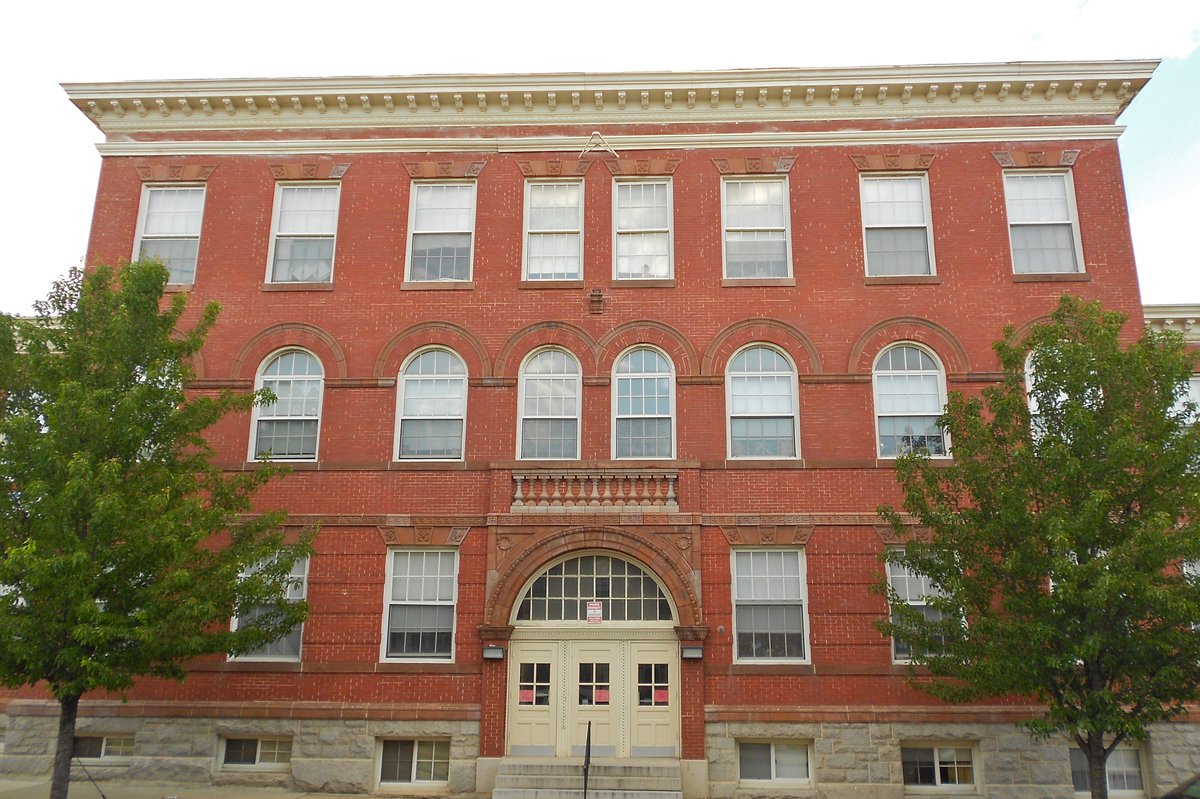
- Historic Churches and Schools Gothic and Romanesque Revival churches, as well as preserved historic school buildings (CHAP Landmark List).
Public Art
- Murals and Installations Created through collaborations with local artists and community groups, offering both visual interest and insight into neighborhood identity (Franklin Square Community Association).
Urban Planning Influence
Franklin Square’s central park and grid layout were innovative for the mid-19th century, fostering community cohesion and accessibility. The area’s boundaries are defined by Mulberry Street, Monroe Street, Frederick Avenue, Baltimore Street, and Carey Street (Southwest Partnership).
Social Initiatives
Programs like Sunflower Village and the S.A.F.E. Center provide youth engagement, literacy, and wellness activities, reflecting ongoing community investment (Baltimore Heritage).
Guided and Self-Guided Tours
- Walking Tours Available through local organizations, offering insights into architecture and history. Self-guided tour maps can be downloaded online (Franklin Square Community Association).
- Interpretive Signage Throughout the district, enhancing visitor understanding.
Photographic Spots and Media
Franklin Square offers picturesque scenes of historic rowhouses, community murals, church steeples, and landscaped green spaces. Virtual tours and interactive maps are available through community and tourism websites.
Nearby Attractions
- B&O Railroad Museum, Union Square, Hollins Market All within easy reach.
- Downtown Baltimore Minutes away, with museums, restaurants, and entertainment (Visit Baltimore).
Frequently Asked Questions (FAQ)
Q: What are the visiting hours for Franklin Square Park?
A: Daily from dawn to dusk.
Q: Is there an entrance fee?
A: No, both the park and district are free to visit. Some tours may require registration.
Q: Are guided tours available?
A: Yes, offered by local heritage and community organizations—check their websites for schedules.
Q: Is the district accessible by public transportation?
A: Yes, with multiple bus routes and walkable streets.
Q: Are restrooms available?
A: Yes, within the park during daylight hours.
Q: Are there special events?
A: Seasonal festivals, concerts, and community markets occur regularly.
Visitor Tips
- Best Time to Visit Spring and fall offer mild weather and vibrant events.
- Dress Comfortably Wear walking shoes and bring water.
- Plan Your Route Use maps or GPS for navigation.
- Use Public Transit or Rideshare Especially if visiting after dark or during events.
- Respect Residents Remain on public sidewalks and be courteous with photography.
- Check Local Calendars For events, tours, and updates.
Preservation and Landmark Status
Franklin Square is on the National Register of Historic Places and protected by city agencies such as CHAP, ensuring the preservation of its architectural and cultural legacy (CHAP Landmark List). Community involvement and historic tax credits support ongoing rehabilitation and affordable homeownership (City of Baltimore).
Plan Your Visit & Stay Connected
For maps, events, and visitor support, visit the Franklin Square Community Association and Visit Baltimore. Download the Audiala app for guided audio tours and real-time updates.
Stay connected via social media for news, event announcements, and community stories.
Summary and Final Tips
Franklin Square Historic District exemplifies Baltimore’s enduring dedication to preserving its unique history and architecture. From its origins in Dr. McHenry’s estate to its status as a model of 19th-century urban planning, the district is a testament to community resilience and revitalization. Free green spaces, engaging events, and active preservation groups make it a welcoming destination for all. Whether you’re a history buff or a curious traveler, Franklin Square invites you to experience the living heritage of Baltimore (Baltimore Magazine, Franklin Square Community Association).