Plan and listen to Francis Scott Key Bridge with Audiala.
Audio guide in your pocket, itinerary in your browser. Built for the way you actually visit.
Introduction
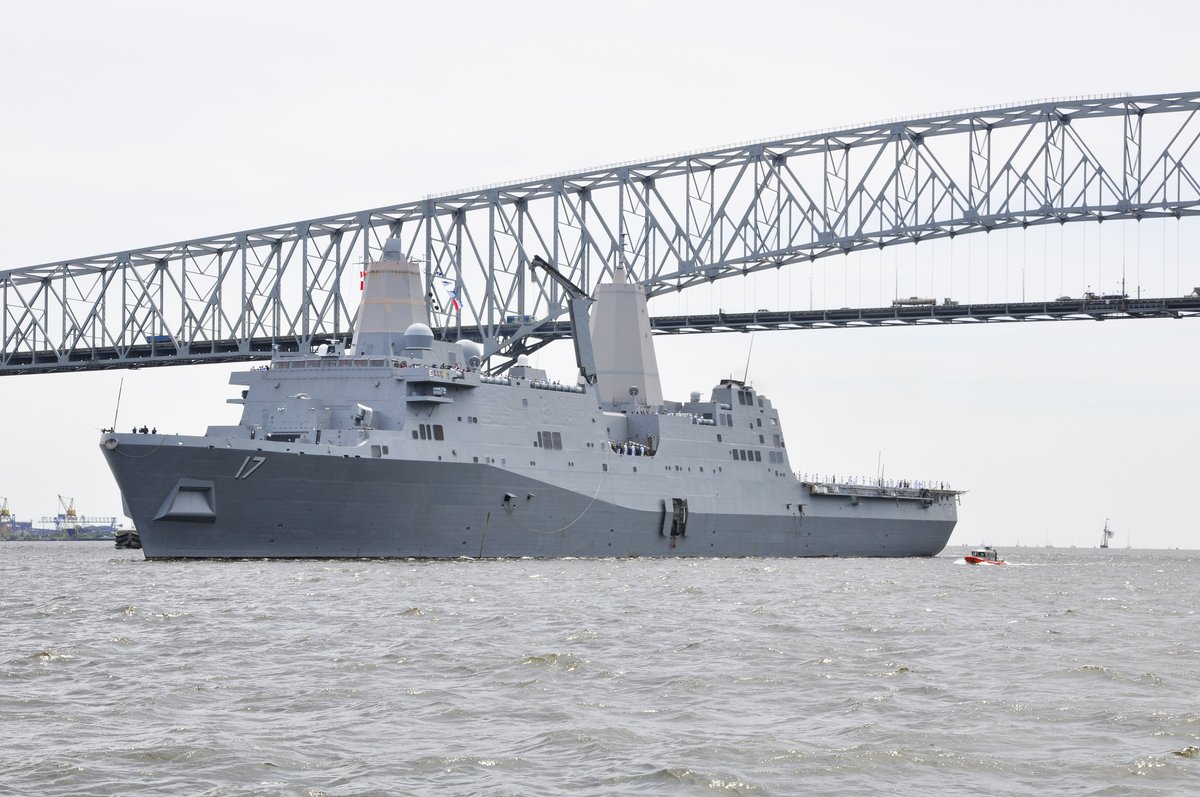
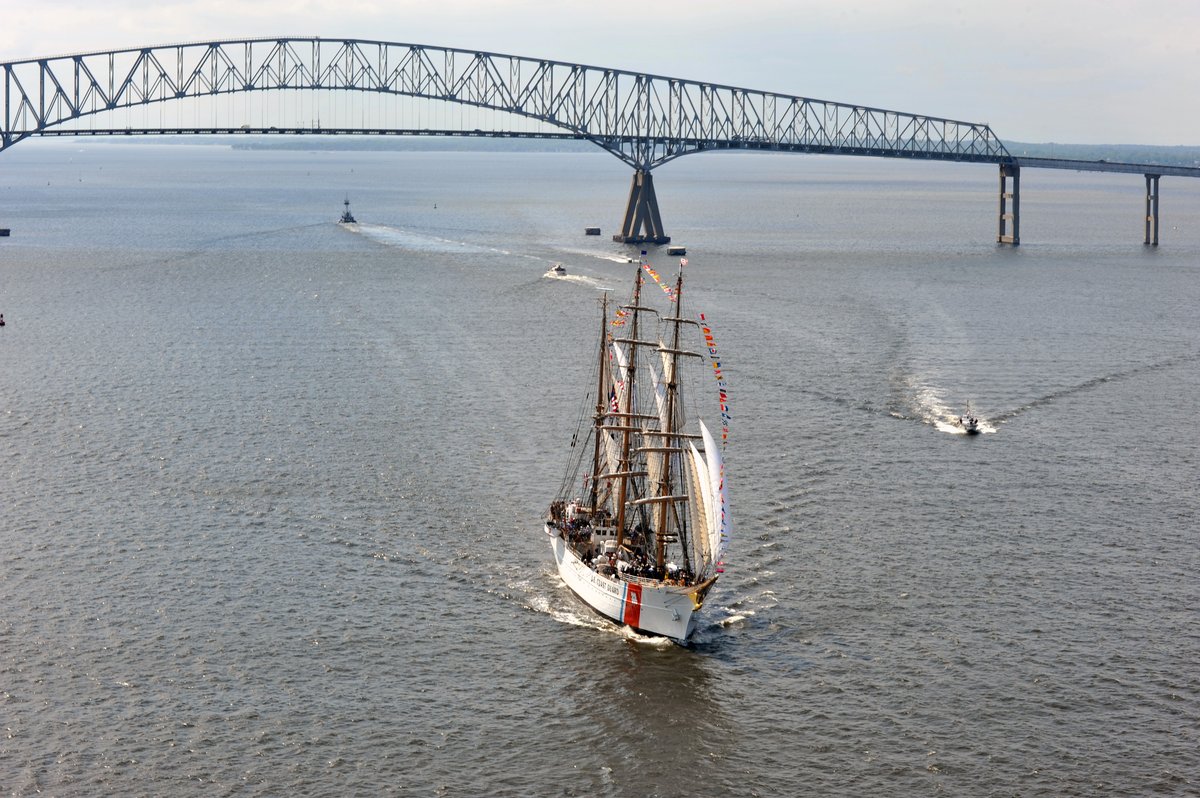
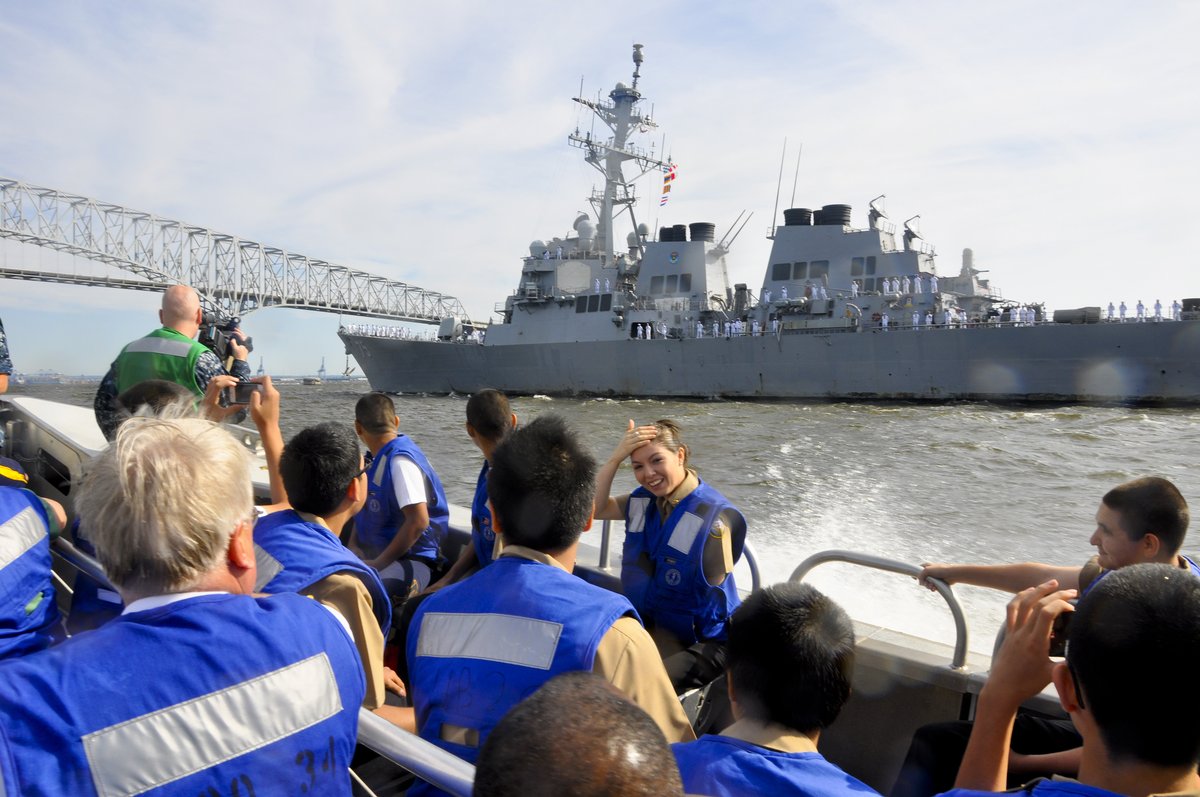
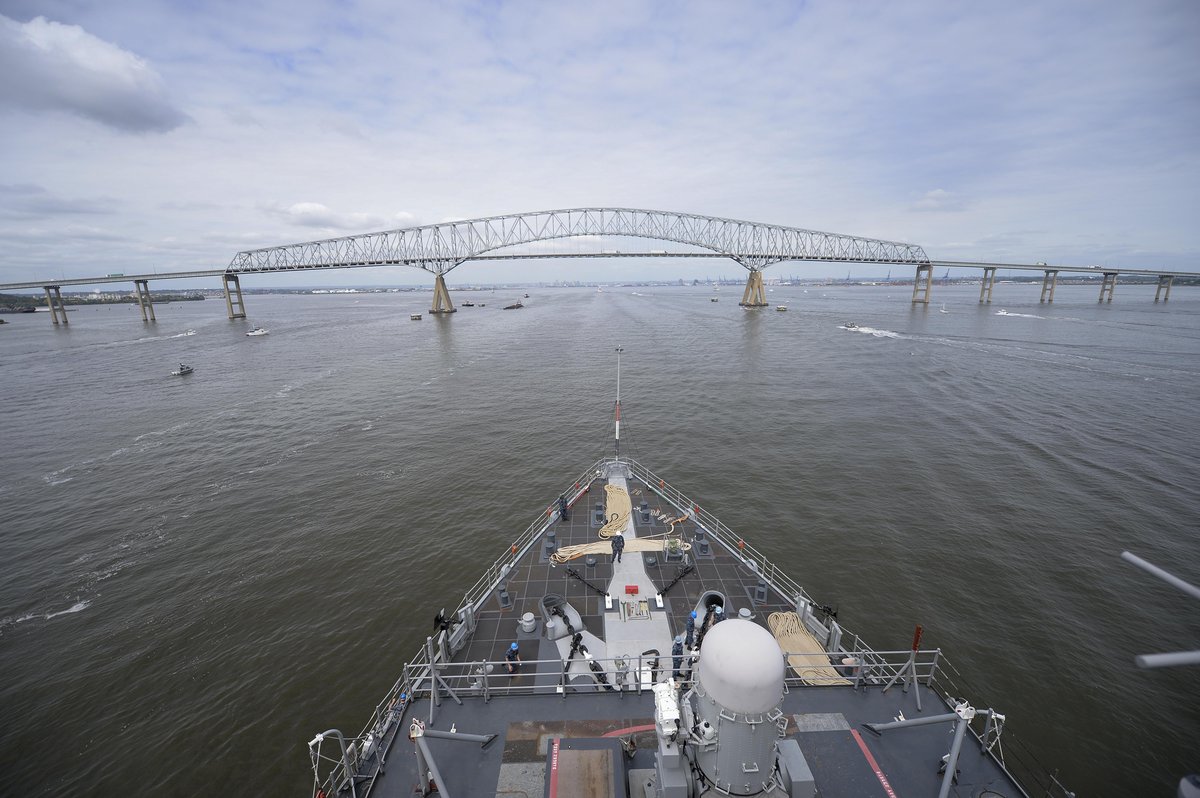
The Francis Scott Key Bridge in Baltimore, Maryland, is more than just a feat of engineering—it is a living symbol of American history, resilience, and community identity. Named after Francis Scott Key, who penned the lyrics to "The Star-Spangled Banner" during the War of 1812, the bridge has been a vital artery for the region, connecting Baltimore City and County, supporting commerce, and standing as a testament to Baltimore’s maritime heritage. Following its tragic collapse in March 2024, the bridge’s legacy has entered a new chapter, marked by an ambitious reconstruction effort and deep community reflection (CNS Maryland; Baltimore Sun; Click Americana; Checkmind.io).
This guide offers a detailed overview of the bridge’s historical context, its cultural impact, practical visiting information, the 2024 collapse, plans for reconstruction, and tips for exploring the surrounding area.

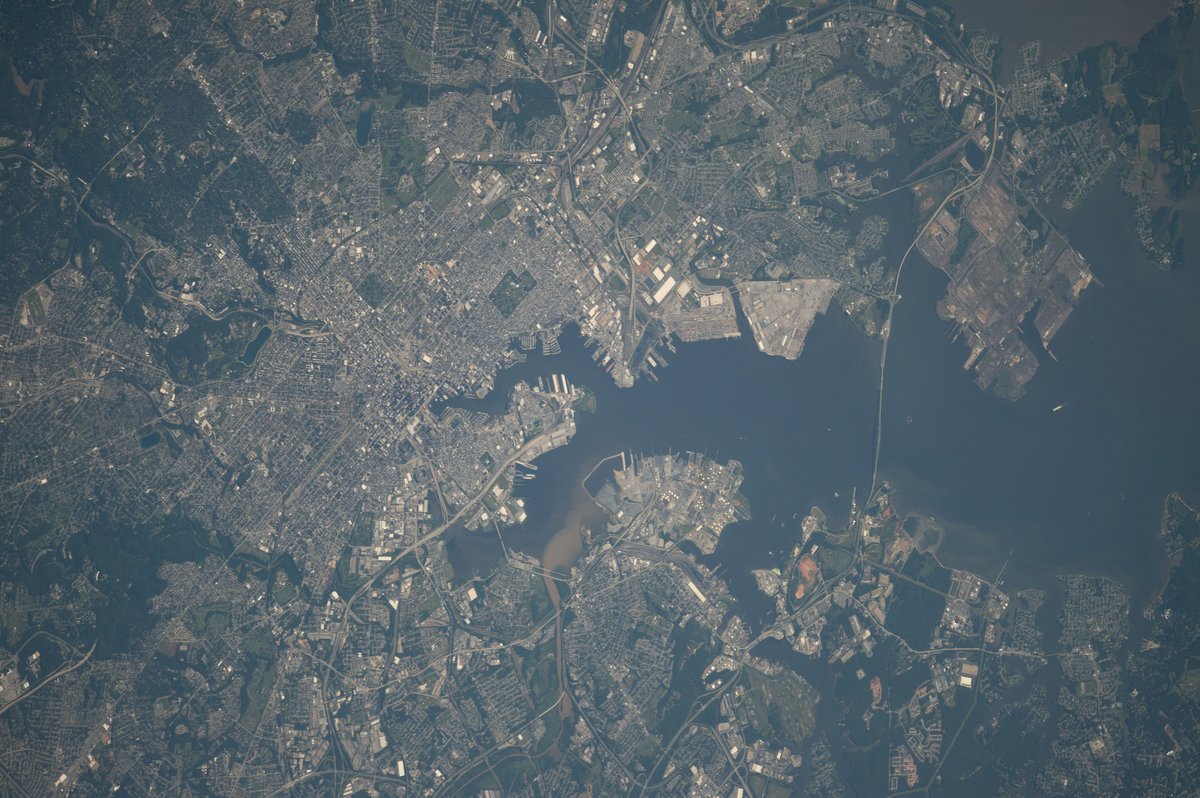
Historical Context: Origins and Symbolism
Francis Scott Key and the Bridge’s Namesake
The Francis Scott Key Bridge is named for the man who authored the lyrics to "The Star-Spangled Banner" as he witnessed the British bombardment of Fort McHenry in 1814, just yards from where the bridge would eventually stand (CNS Maryland; Baltimore Sun). The bridge’s proximity to this pivotal site imbues it with profound historical resonance. A patriotic buoy in the Patapsco River marks the spot, further connecting the bridge’s physical presence to its symbolic roots (NPR).
Construction and Engineering Achievement
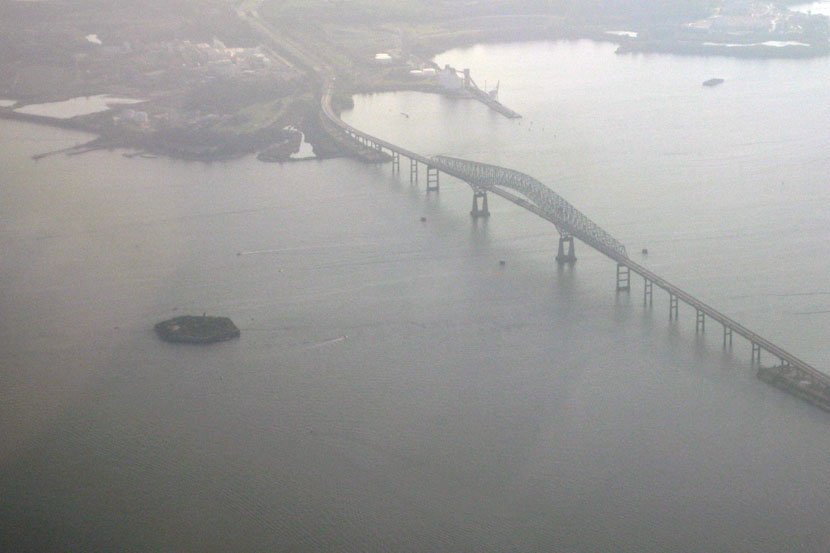
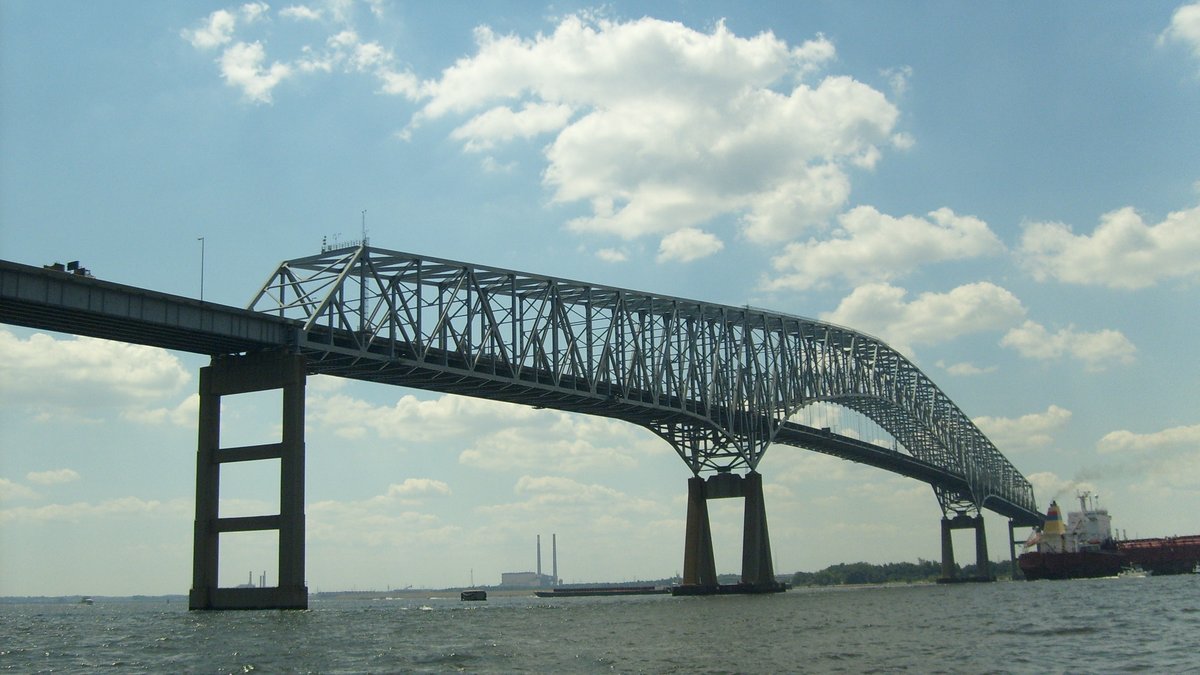
Built between 1972 and 1977, the Key Bridge was, at the time of completion, the longest three-span, continuous steel through-truss bridge in the United States (Click Americana). Its design addressed the need for an additional Baltimore harbor crossing, linking Hawkins Point and Sollers Point, and easing congestion from existing tunnels. The original bridge featured a main span 185 feet above the water, offering sweeping views of Baltimore’s skyline and harbor (CNS Maryland).
National and Regional Significance
Transportation and Economic Roles
As part of Interstate 695, the Key Bridge completed the Baltimore Beltway, playing a crucial role for local and interstate traffic. It was especially important for vehicles prohibited from local tunnels, including those carrying hazardous materials (Checkmind.io). The bridge supported the Port of Baltimore—one of the busiest ports on the East Coast—facilitating the movement of millions of tons of cargo and supporting thousands of jobs (CNS Maryland).
Cultural and Symbolic Value
Beyond its utilitarian function, the Key Bridge was a powerful symbol of Baltimore’s identity as a working-class maritime city, connecting generations of dockworkers, families, and port communities (NBC Washington). Its silhouette became an icon in the city’s skyline, and its daily use a reminder of the city’s enduring spirit (Checkmind.io).
Visiting the Francis Scott Key Bridge Area in 2025
Current Status: Access, Hours, and Restrictions
As of June 2025, the Francis Scott Key Bridge remains closed to all traffic and public access due to ongoing reconstruction following its 2024 collapse (Key Bridge Rebuild; Baltimore Banner; Wikipedia). The site is an active construction zone with a restricted perimeter enforced by the U.S. Coast Guard. There are no direct visiting hours, tickets, or guided tours available for the site itself.
Best Viewing Locations Nearby
Although direct access is restricted, several nearby sites offer excellent vantage points for observing the bridge’s location and ongoing rebuilding efforts:
- Fort McHenry National Monument and Historic Shrine: Offers panoramic views and historical context (FSKBridge.com).
- North Point State Park and Sparrows Point: Provide distant perspectives over the Patapsco River (Baltimore Banner).
- Dundalk and Hawkins Point Waterfronts: Select parks and marinas in these neighborhoods allow for safe, respectful viewing.
- Fort Armistead Park: Popular with photographers for its angles on the harbor and construction.
Note: Always observe posted signs, respect private property, and avoid stopping on busy roads.
Practical Travel Tips
- Traffic: Use I-95 and I-895 as alternate routes. Expect increased congestion, especially for commercial vehicles (CBS News Baltimore).
- Public Transit: Stay updated via the Maryland Transit Administration.
- Accessibility: Most parks are accessible, but some viewing points may have uneven terrain.
Nearby Attractions
- Fort McHenry: Rich in history, with exhibits and walking trails.
- Baltimore Inner Harbor: Museums, dining, and waterfront activities.
- Port of Baltimore: Observe ongoing port operations, especially post-recovery.
The 2024 Collapse: Timeline and Impact
On March 26, 2024, the container ship Dali collided with the bridge’s southern pier, causing a catastrophic collapse of the main and approach spans (Baltimore Sun). Six workers lost their lives, and the Port of Baltimore faced significant disruption until salvage and recovery operations restored maritime access (AP News; NPR).
Emergency responders executed one of the largest multi-agency operations in city history, and the community rallied around the affected families (Baltimore Magazine). The tragedy underscored the bridge’s vital role and the deep connections Baltimoreans feel to their city’s infrastructure (NBC Washington; WHYY).
Reconstruction: Innovations, Timeline, and Community Engagement
Salvage and Demolition
After the collapse, crews conducted controlled demolitions, using the Chesapeake 1000 crane and other heavy-lift equipment to clear debris and restore port operations (AP News). The Dali was eventually freed and removed, and the site prepared for new construction.
New Bridge Design
The replacement will be a cable-stayed bridge—the first of its kind in Maryland—offering greater resilience against ship strikes and supporting larger navigation channels (Maryland Matters). Features will include:
- Enhanced safety and redundancy
- Longer main span, fewer piers in water
- Impact-resistant piers and modern monitoring systems
- Sustainable construction and smart infrastructure (Go Fish Baltimore)
Construction is underway with completion targeted for fall 2028 (Key Bridge Rebuild; Environment + Energy Leader).
Funding and Economic Impact
Funding sources include insurance payouts, federal emergency relief, and state resources. The bridge’s loss disrupted an annual toll revenue of $56 million and slowed port activity, making reconstruction vital for the region’s economy (Business Today; AP News).
Community and Cultural Response
The bridge’s collapse was a cultural loss, deeply felt in the communities it once connected (NBC Washington). The city has honored victims and supported affected families through memorials, fundraisers, and public events (Baltimore Magazine). Local leaders are involving the public in reconstruction plans, ensuring the new bridge reflects the city’s spirit and needs (Key Bridge Rebuild FAQs).
Visitor FAQs
Q: Can I visit or walk on the Francis Scott Key Bridge?
A: No, access is closed for all due to construction and safety concerns.
Q: Are there guided tours?
A: No tours of the site are available, but Fort McHenry and other historical sites nearby offer tours and interpretive exhibits.
Q: Where can I get the best views?
A: Fort McHenry and North Point State Park provide excellent vantage points. Always use public parks and respect restrictions.
Q: Is there a way to follow reconstruction progress?
A: Yes, visit the official Key Bridge Rebuild website and FSKBridge.com for updates, photos, and virtual resources.
Q: What is being done to honor the victims?
A: The city has held memorials and is supporting affected families with various community-led initiatives (Baltimore Magazine).
Listen to the full story in the app
The whole Francis Scott Key Bridge,
told well.
Audio guides for 1,100+ cities across 96 countries. History, stories, and local insight — offline ready.
Verified, and shown.
Researched and written by the Audiala editorial team from historical records, architectural archives, and local expertise.
Researched from Wikidata, Wikipedia & official sources · fact-checked · How we make our guides →