Introduction
Fort McHenry National Monument and Historic Shrine is a cornerstone of American history and a must-see destination in Baltimore. Overlooking Baltimore Harbor, this star-shaped fort is best known for its vital role during the War of 1812, where its defenders withstood a relentless British bombardment and inspired the creation of "The Star-Spangled Banner," the United States' national anthem. Today, Fort McHenry offers visitors an immersive journey through military history, American resilience, and national pride.
This guide provides comprehensive information on Fort McHenry’s history, cultural significance, visiting hours, ticketing, accessibility, travel tips, nearby attractions, and answers to frequently asked questions. Whether you are a history buff, a family seeking an educational outing, or a traveler exploring Baltimore’s heritage, this article will ensure you are well-prepared for an enriching visit. For the most current updates, always refer to the official National Park Service Fort McHenry website.
Fort McHenry is a symbol of American patriotism and endurance, strategically built at the entrance to Baltimore Harbor. Its iconic five-pointed star shape and thick brick walls reflect advanced early 19th-century military engineering. The fort’s defense during the 1814 Battle of Baltimore became a turning point in American history, inspiring the nation and its anthem (archovavisuals.com, historyhit.com).
Photo Gallery
Explore Fort Mchenry in Pictures
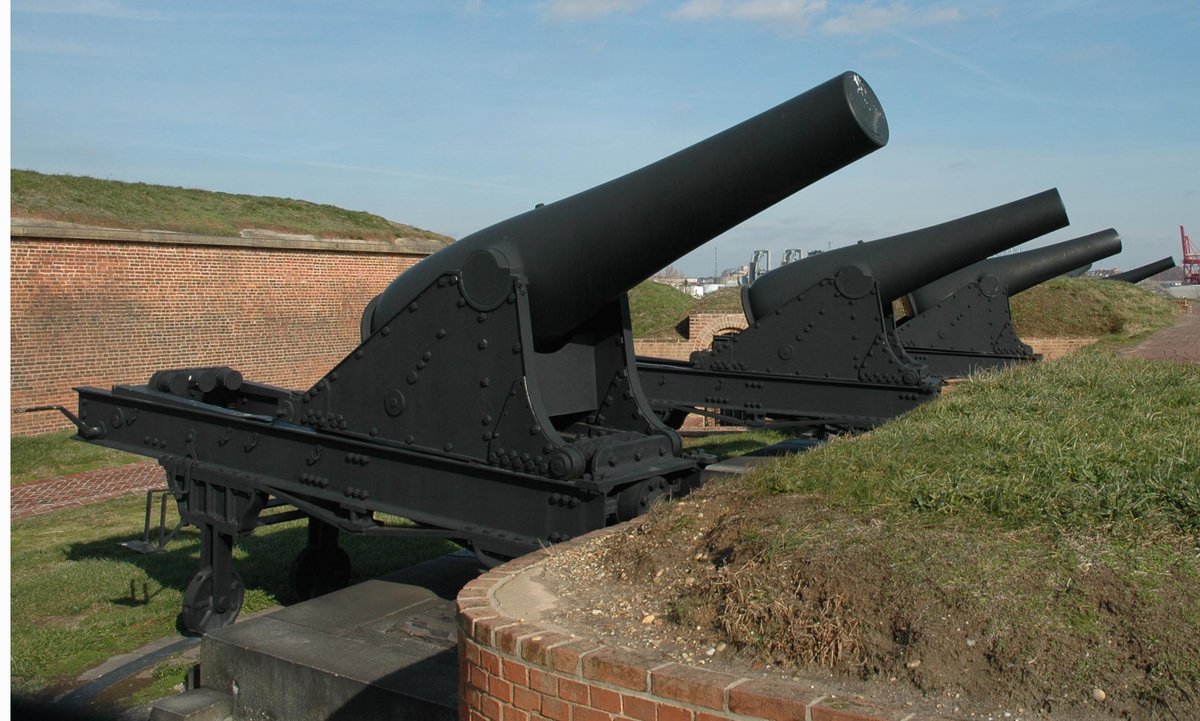
Historic 8-inch Rodman guns displayed at Fort McHenry in Maryland, showcasing Civil War era artillery

Baltimore City's Honor Guard stands by during a 9/11 ceremony at Fort McHenry, part of the Star-Spangled Spectacular celebrating the bicentennial of the Battle of Baltimore. The event honors the inspiration for the national anthem with Navy and international ships and Blue Angels aircraft on display
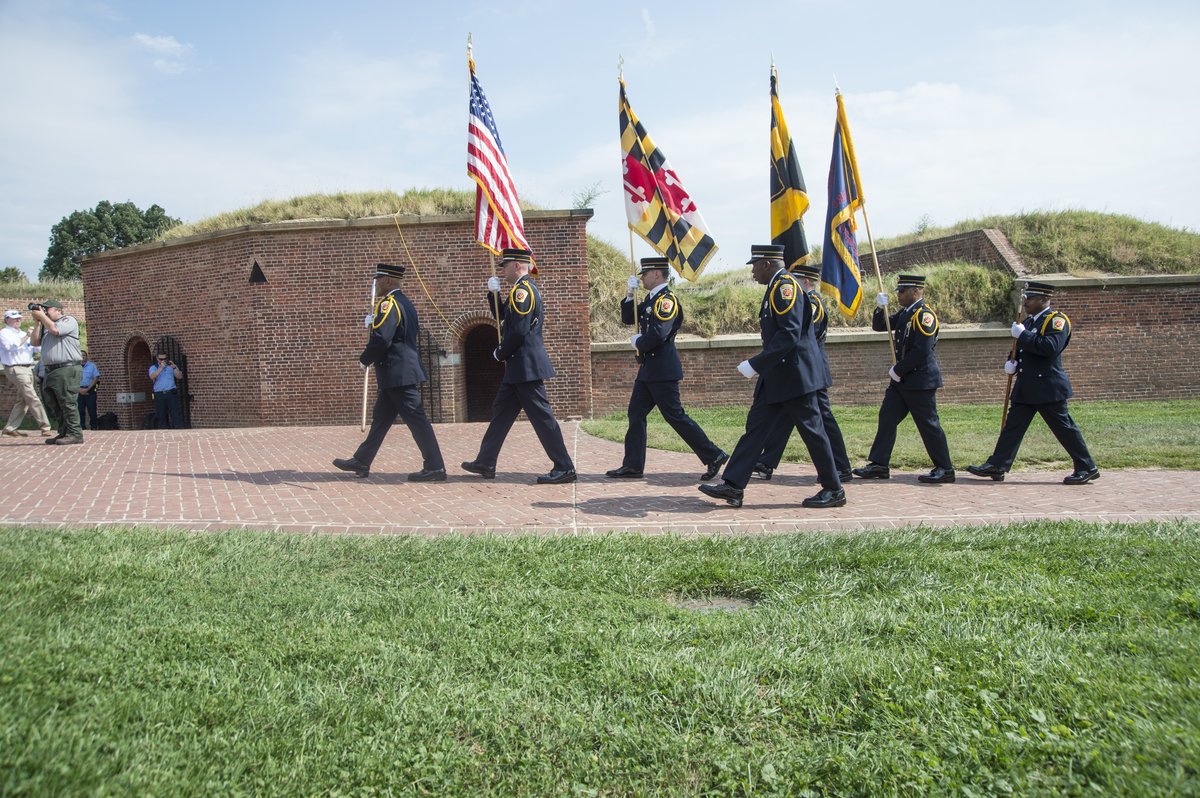
Baltimore City's Honor Guard marches in formation during 9/11 ceremony at Fort McHenry in celebration of Star-Spangled Spectacular and the bicentennial of the Battle of Baltimore, inspiring America's national anthem.
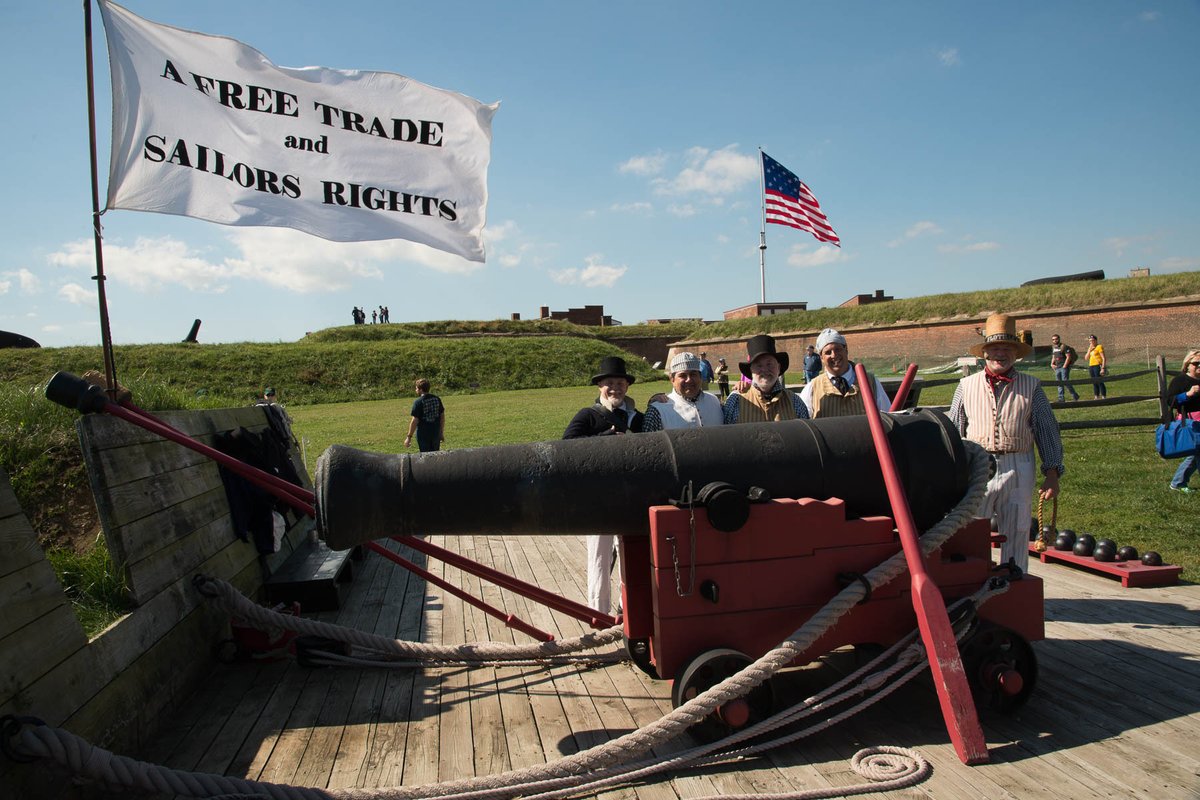
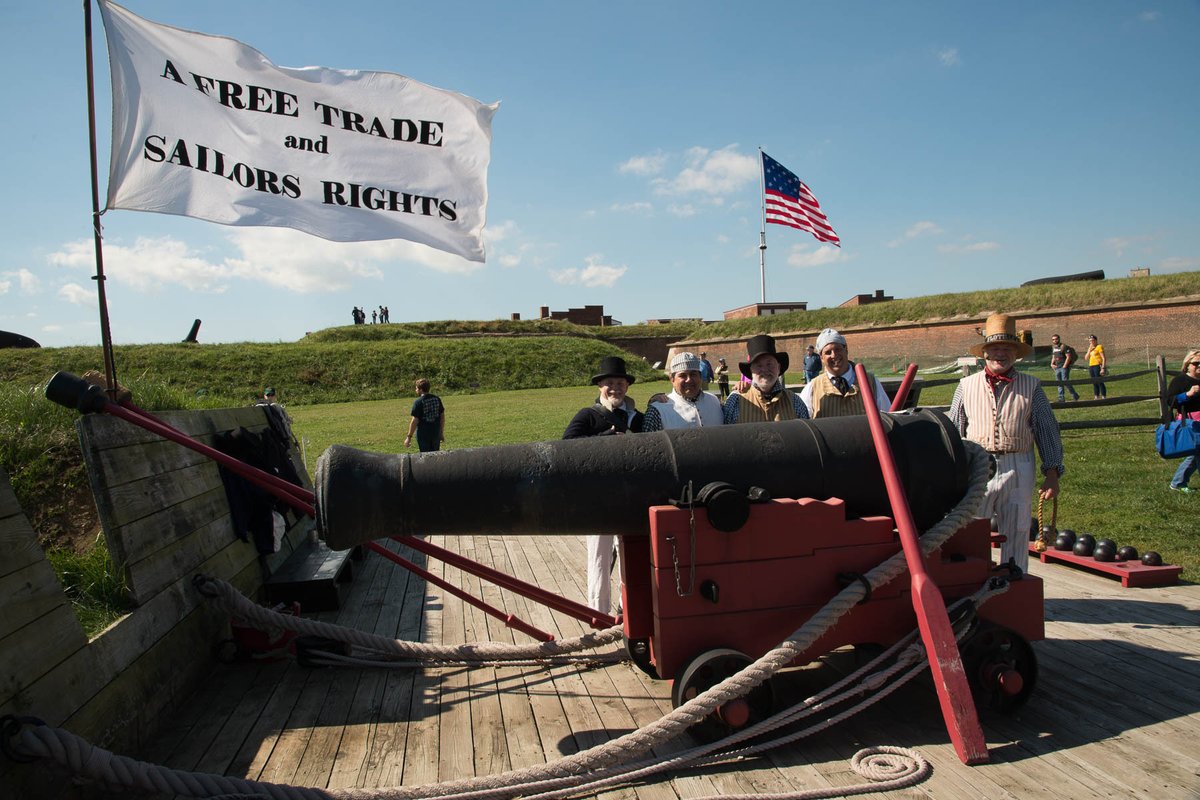
Historic reenactors at Fort McHenry National Monument and Historic Shrine in 2019 Region 1 event during Fleet Week, standing behind a cannon with a flag stating 'A free trade and sailors rights', representing Friends of Fort McHenry and National Park history.
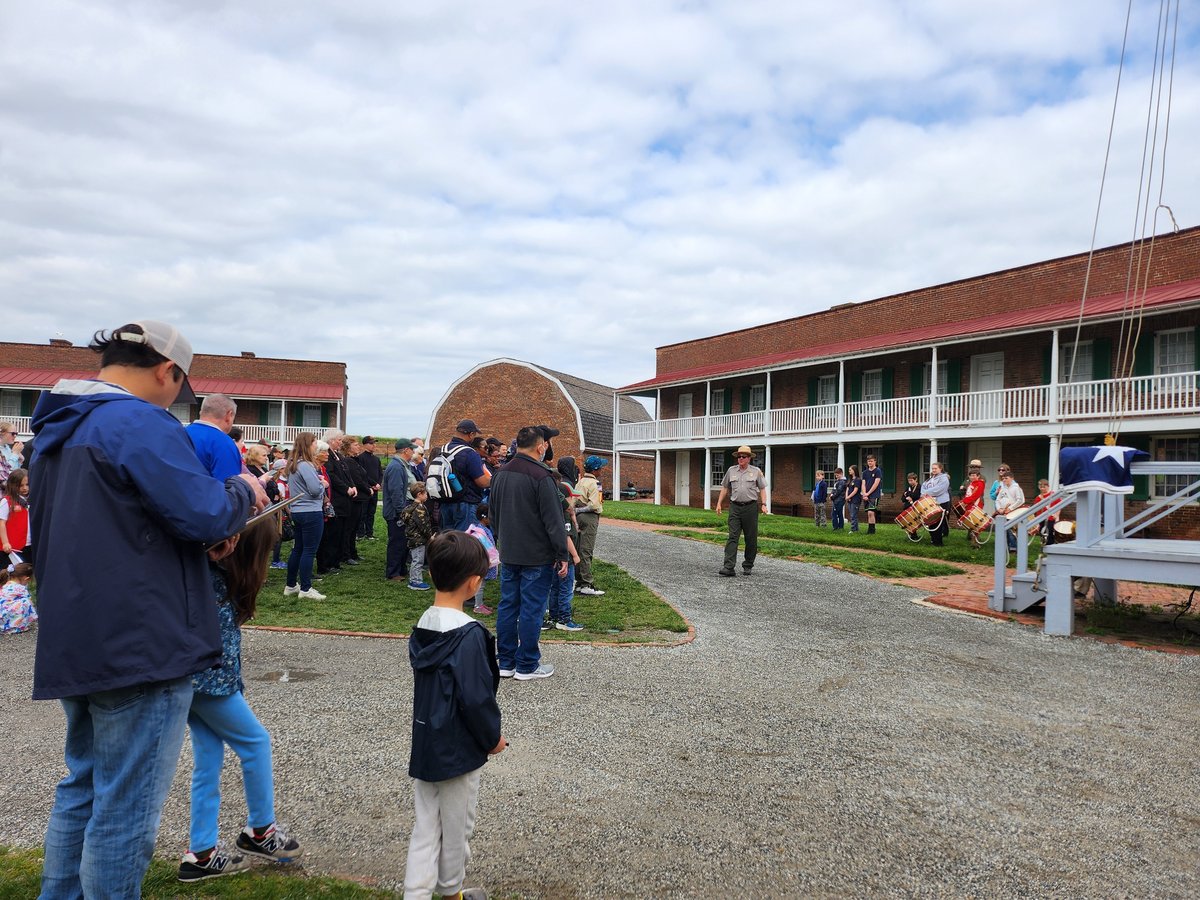
Visitors watch Fort McHenry Guard in uniform playing fife and drums as part of Living History presentations during National Park Week 2024, showcasing American history and flag heritage.
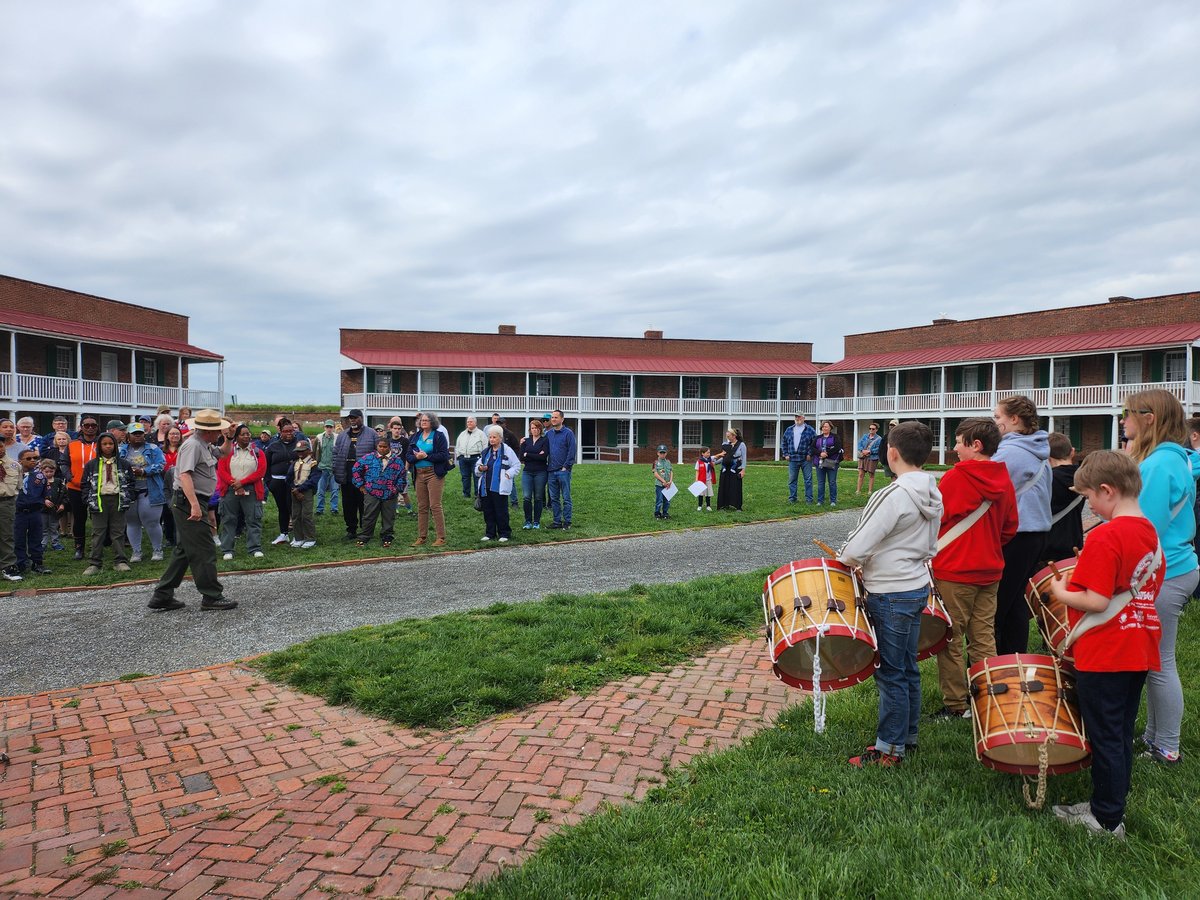
A group of onlookers watch as the Fort McHenry Guard plays fife and drums during Living History Presentations for National Park Week 2024
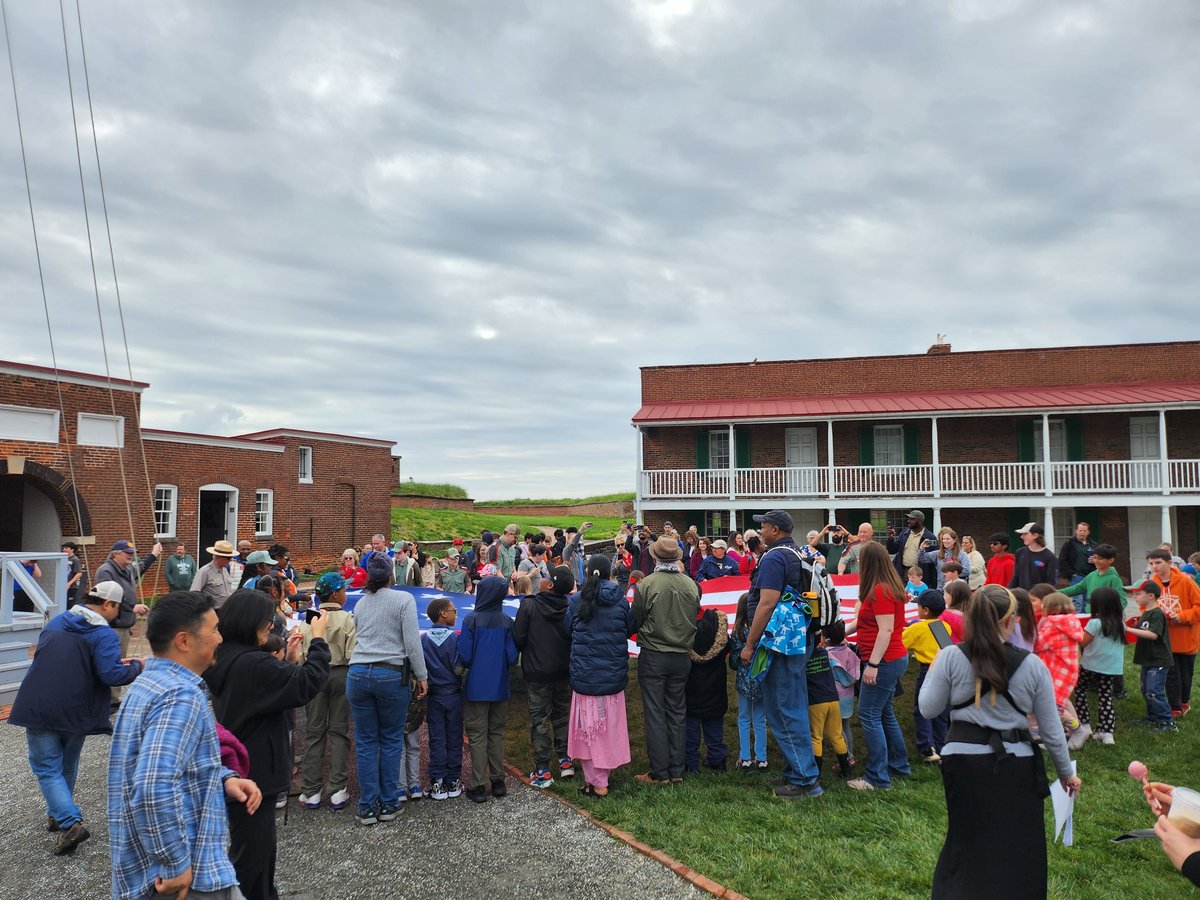
A group of people participate in a flag change ceremony during a Fife and Drum rehearsal musical performance at Fort McHenry, showcased as part of Living History Presentations during National Park Week 2024.
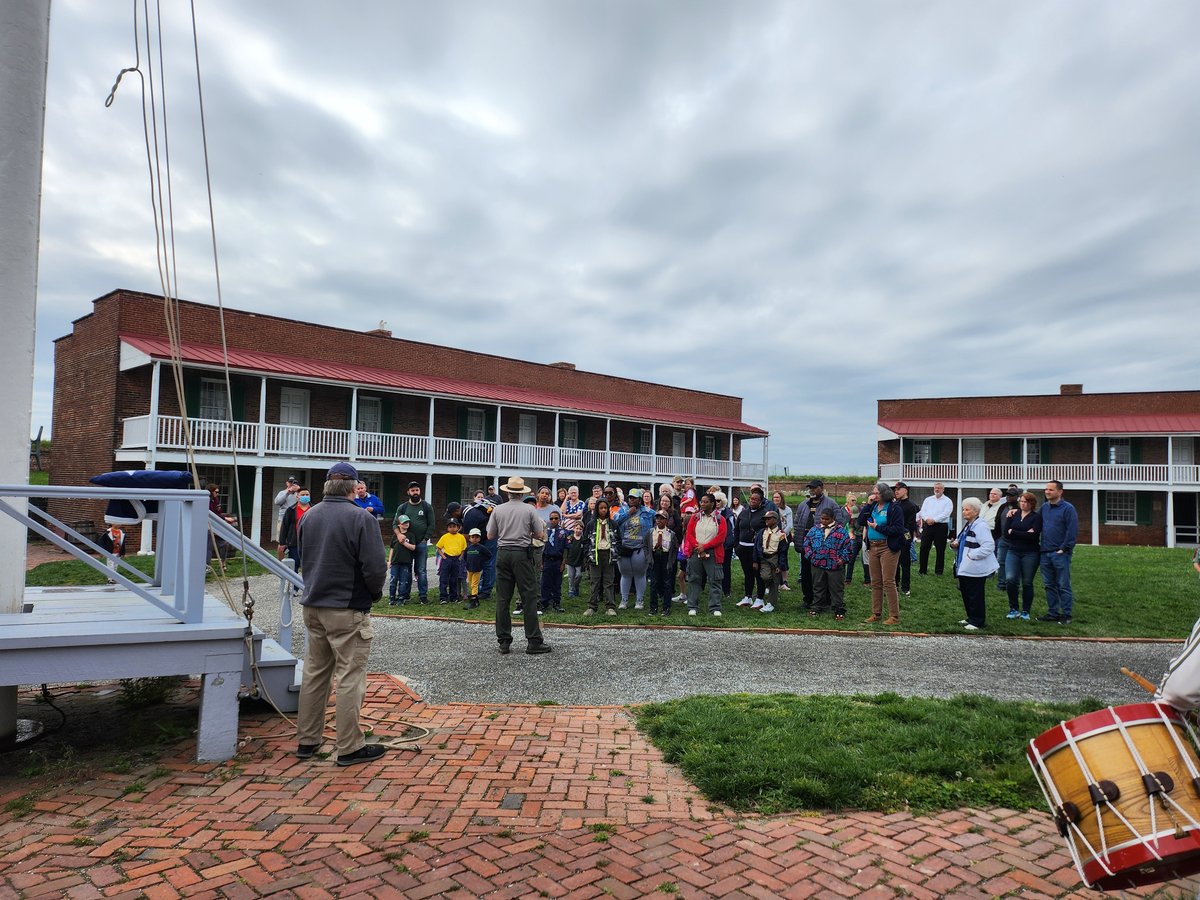
Living history presentation with Fort McHenry Guard playing fife and drums before flag ceremony during National Park Week 2024, watched by uniformed rangers and public visitors discovering historical traditions.
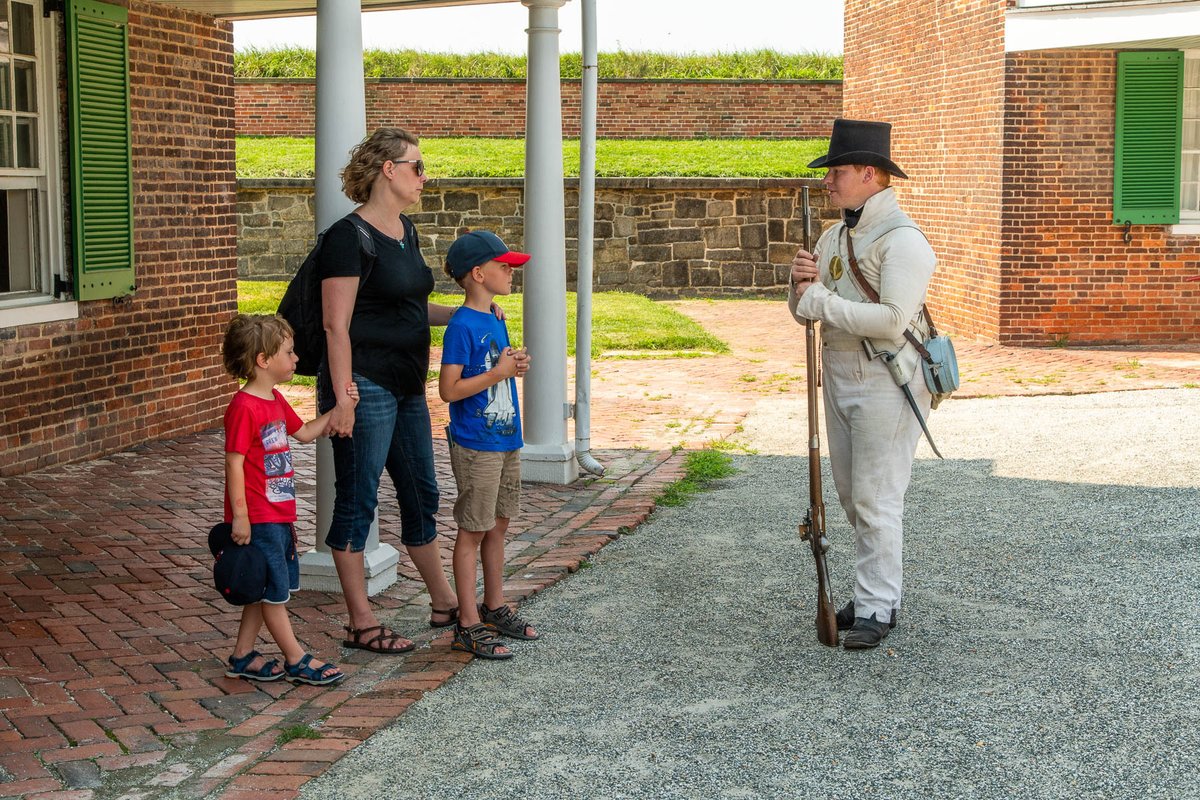
A man dressed as a soldier in a beige uniform and top hat speaks to two children and a woman at Fort McHenry National Monument and Historic Shrine, a national park in 2019 Region 1.

Engraving titled 'A view of Fort McHenry, and the entrance of the harbour of Baltimore' drawn from nature by Richard Harrison, depicting the fort and harbour entrance.
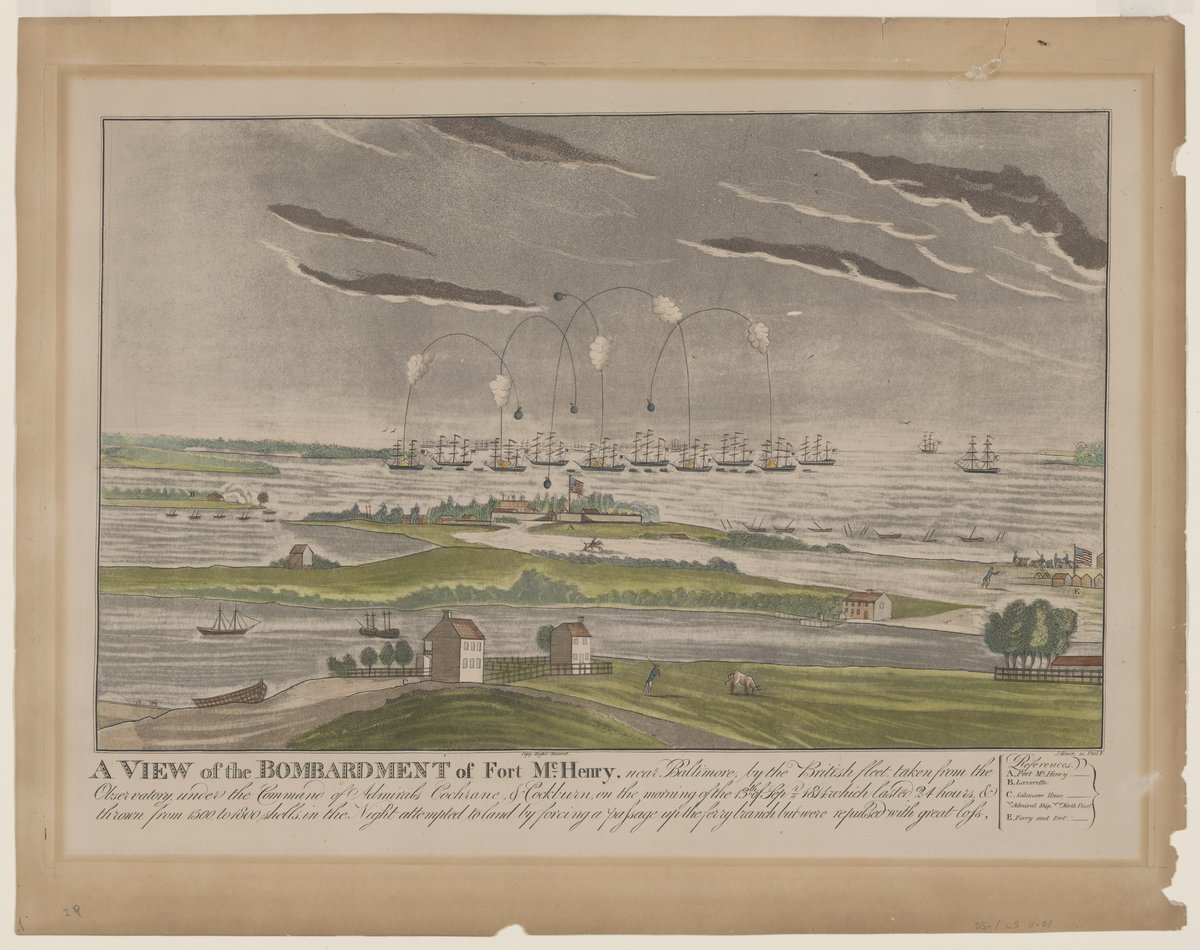
Hand-colored etching and aquatint print illustrating the 24-hour British naval bombardment of Fort McHenry during the War of 1812, viewed from the British observatory under Admirals Cochrane and Cockburn's command.
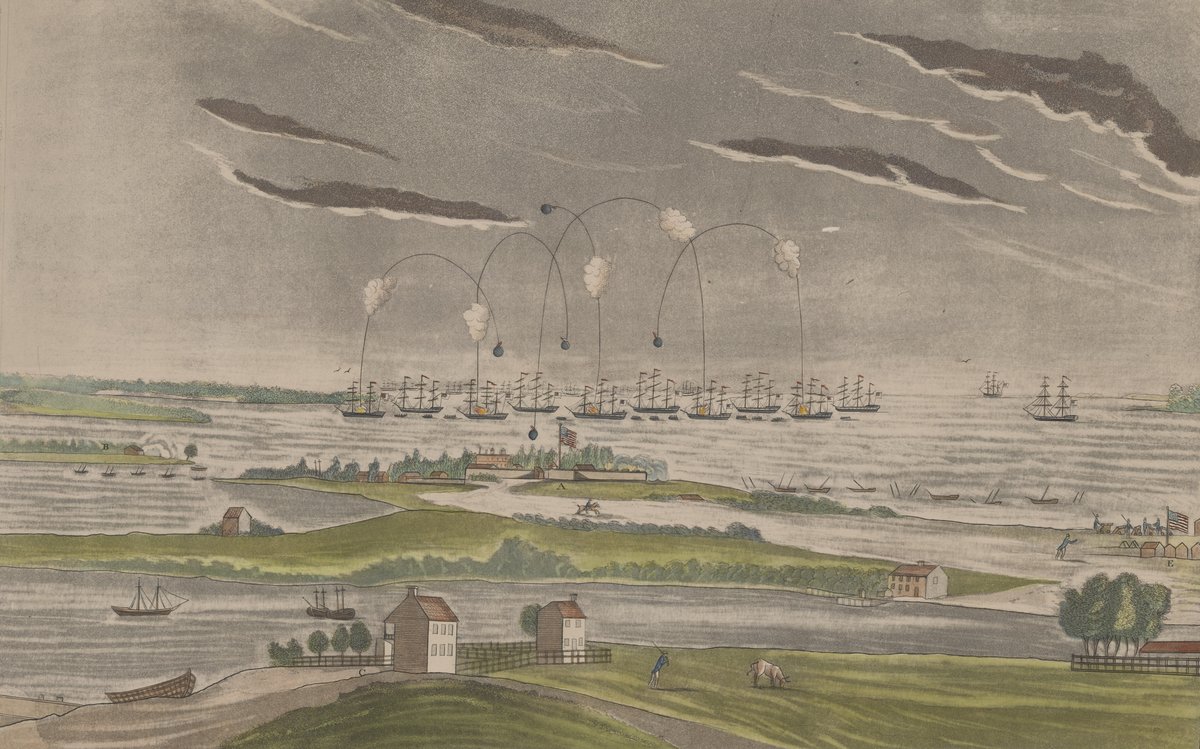
Historical hand-colored etching showing the British fleet bombarding Fort McHenry near Baltimore during the War of 1812, commanded by Admirals Cochrane and Cockburn on September 13, 1814.
Historical Background and Construction
After the American Revolution, the United States recognized the need for stronger coastal defenses. Fort McHenry was constructed between 1798 and 1800, named for James McHenry, Secretary of War from 1796–1800. The fort’s star-shaped design by French engineer Jean Foncin allowed for overlapping fields of fire and made it highly resistant to attack, protecting Baltimore’s vital port (historyhit.com, Baltimore Examiner).
Fort McHenry in the War of 1812
The War of 1812 saw Baltimore targeted by British forces due to its economic and strategic importance. The British attacked in September 1814, culminating in the Battle of Baltimore. Over a 25-hour bombardment, more than 1,000 American troops held firm as British ships fired an estimated 1,500 to 1,800 munitions at the fort. The defenders’ resilience forced the British to withdraw and protected Baltimore from occupation, marking a critical victory for the young nation (learningmole.com, archovavisuals.com).
The Birth of "The Star-Spangled Banner"
During the bombardment, Francis Scott Key, a lawyer held on a nearby British ship, saw the massive American flag still flying over Fort McHenry at dawn. Inspired, he wrote the poem “Defence of Fort M’Henry,” which was later set to music as “The Star-Spangled Banner” (touristsecrets.com). This anthem was officially adopted as the United States’ national anthem in 1931. The original flag is preserved at the Smithsonian (Britannica).
Planning Your Visit: Fort McHenry Visiting Hours & Tickets
Location: 2400 East Fort Avenue, Baltimore, MD 21230
Visiting Hours:
- Open daily, typically from 9:00 a.m. to 5:00 p.m. (last entry at 4:45 p.m.)
- Visitor Center open from 9:00 a.m. to 4:00 p.m.
- Hours may vary on holidays and during special events. Always verify on the official hours page.
Admission & Tickets:
- $15 per adult (ages 16+), valid for seven consecutive days
- Children 15 and under: FREE
- Purchase tickets at Recreation.gov or onsite
- Federal passes (America the Beautiful, Senior, Access) accepted
- Group and school visits should be coordinated in advance (NPS - Group Arrangements)
- Some special events and guided tours may have additional fees
Getting There and Visitor Tips
By Car:
- Ample parking available on-site. GPS: 2400 E Fort Ave, Baltimore, MD 21230
By Public Transit:
- Accessible via local bus routes and the seasonal Baltimore Water Taxi from the Inner Harbor
Best Times to Visit:
- Spring and fall for milder weather and lighter crowds
- Early mornings or weekdays for a quieter experience
Travel Tips:
- Wear comfortable footwear; surfaces include brick, grass, and uneven historic areas
- Bring sun protection and dress for the weather
- Picnic areas available; vending machines and water fountains on-site
- Leashed pets are allowed on park grounds (not inside buildings)
Accessibility and Visitor Amenities
Fort McHenry is committed to providing access for all visitors:
- Visitor Center, restrooms, and most pathways are wheelchair accessible
- Ramps provide access to many areas of the Star Fort, though some surfaces are uneven
- Service animals welcome throughout the park
- Benches and shaded areas are available for rest
- Free Wi-Fi and strong cellular service at the Visitor Center
- Download the NPS App for maps, tours, and real-time updates
- Accessibility details
Guided Tours and Special Events
- Self-Guided Tours: Use the NPS App for interpretive content and virtual tours (NPS - Multimedia)
- Ranger-Led Programs: Available on weekends and during special events, including flag-changing ceremonies and living history demonstrations (NPS - Programs)
- Junior Ranger Program: Engaging activities for children, with badges awarded upon completion (NPS - Junior Ranger)
- Annual Events: Defenders’ Day in September features reenactments and fireworks; check the event calendar for updates
Nearby Baltimore Attractions
While at Fort McHenry, discover more of Baltimore:
- Inner Harbor: Museums, shops, restaurants, and the National Aquarium
- Historic Ships in Baltimore: Tour naval vessels docked nearby
- Maryland Science Center: Family-friendly interactive exhibits
- Waterfront Parks: Ideal for strolls and picnics, with views of the harbor (Alexandra Travel)
Fort McHenry’s Enduring Legacy
Fort McHenry’s defense and the anthem it inspired are central to American national identity, symbolizing courage, resilience, and unity (learningmole.com). The site is a focal point for commemorations, educational programs, and public engagement, fostering a lasting appreciation of America’s heritage.
Preservation and Later History
Designated a National Monument and Historic Shrine in 1939, Fort McHenry is preserved by the National Park Service (archovavisuals.com). The fort also served as a prison during the Civil War and a hospital in World War I (nps.gov). Today, about 80% of the original brickwork remains, offering an authentic glimpse into early American military architecture (parkrangerjohn.com).
Frequently Asked Questions (FAQs)
Q: What are Fort McHenry's visiting hours?
A: Generally 9:00 a.m. to 5:00 p.m. daily, with last entry to the Star Fort at 4:45 p.m. Always confirm on the official hours page.
Q: How much does admission cost?
A: $15 per adult (ages 16+), free for children 15 and under. Tickets are valid for seven days (Recreation.gov).
Q: Are pets allowed?
A: Leashed pets are welcome on park grounds, but not inside buildings.
Q: Is Fort McHenry wheelchair accessible?
A: Yes, with accessible paths, ramps, and facilities. Some historic areas have uneven surfaces.
Q: Are ranger-led tours available?
A: Yes, on weekends and during special events.
Q: Can I have a picnic at Fort McHenry?
A: Yes, picnic areas are available with scenic waterfront views.
Q: Are there special events during the year?
A: Yes, including Defenders’ Day in September and Flag Day in June. See the event calendar for details.
Summary & Staying Connected
Fort McHenry is a testament to the United States’ enduring spirit, military ingenuity, and cultural heritage. Its pivotal role in the War of 1812 and the creation of the national anthem continue to inspire visitors and Americans nationwide. With flexible ticketing, free admission for children, and a location near Baltimore’s vibrant Inner Harbor, Fort McHenry is accessible and engaging for all.
For the latest visiting hours, ticketing, and events, visit the official Fort McHenry NPS site. Download the NPS App for digital tours and updates, and consider the Audiala app for audio guides and exclusive historical content. Share your experience with #StarSpangledBanner and join a community dedicated to preserving this national treasure.
Visuals

Alt text: Aerial view of Fort McHenry’s star-shaped brick fortifications surrounded by water.

Alt text: The original Star-Spangled Banner flag displayed at the Smithsonian Institution.

Alt text: A scenic view of Fort McHenry’s star-shaped bastion with visitors exploring the ramparts during visiting hours.
Listen to the full story in the app
Your Personal Curator, in Your Pocket.
Audio guides for 1,100+ cities across 96 countries. History, stories, and local insight — offline ready.
Audiala App
Available on iOS & Android
Join 50k+ Curators
Sources
- verified
- verified
- verified
- verified
- verified
- verified
- verified
- verified
- verified
Last reviewed: