
Origins and Early Development
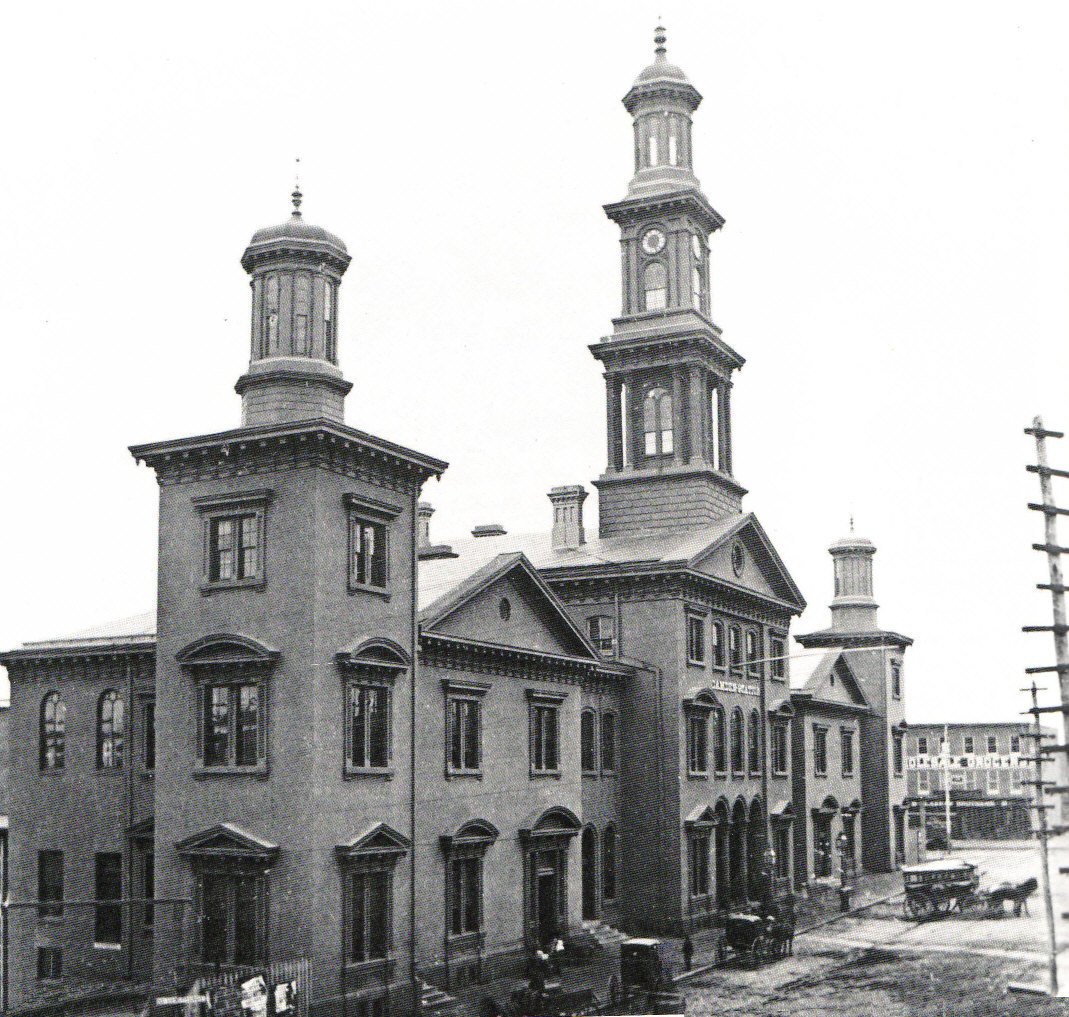
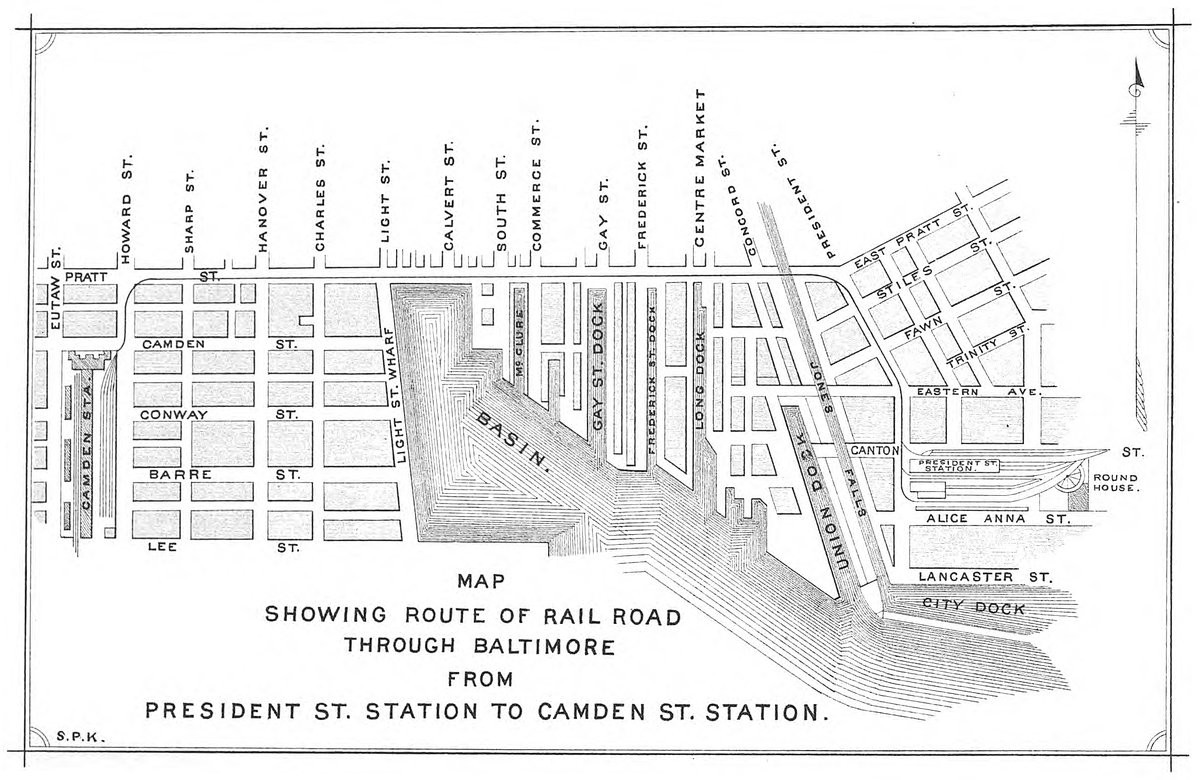
Conceived as a replacement for the earlier Mount Clare Station, Camden Station was designed to situate the B&O’s operations closer to Baltimore’s commercial core and the Inner Harbor (SAH Archipedia). The central block and its 185-foot tower—completed in 1867—were designed by Niernsee and Neilson, with B&O architect Joseph Kemp overseeing construction (Baltimore Heritage).
The Italianate style was innovative for the time, with bracketed cornices, arched windows, and a symmetrical layout. Its skyline, punctuated by towers and cupolas, was crafted by local artisans, making it a beacon for travelers and a symbol of Baltimore’s growing prominence.
Architectural Significance
Camden Station represents a departure from early American railroad design, showcasing a metropolitan style with exuberant ornamentation and an expansive footprint—reflecting the B&O’s ambitions to rival European stations (SAH Archipedia). The interior included railroad and telegraph offices, as well as elegant waiting rooms—each with high ceilings, ornate moldings, and fireplaces—demonstrating a commitment to both functionality and passenger comfort.
Role in Local and National History
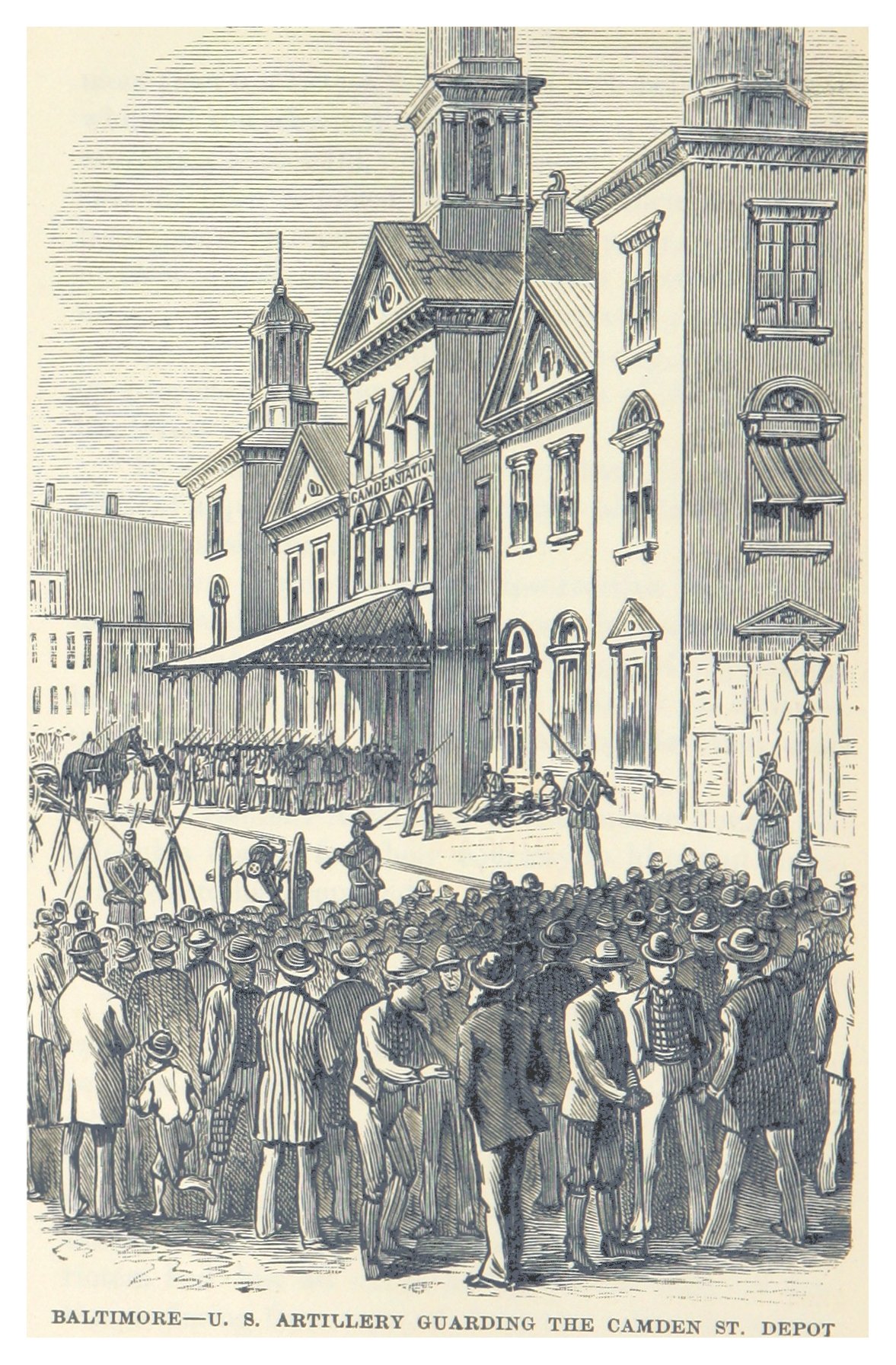
As one of the oldest surviving major railroad station buildings in the U.S., Camden Station is central to Baltimore’s transportation story (Babe Ruth Museum). During the Civil War, it was a strategic node for troop movements and telegraph communications, witnessing the Pratt Street Riots and serving as a stop for Abraham Lincoln’s journeys—including his funeral train (Babe Ruth Museum).
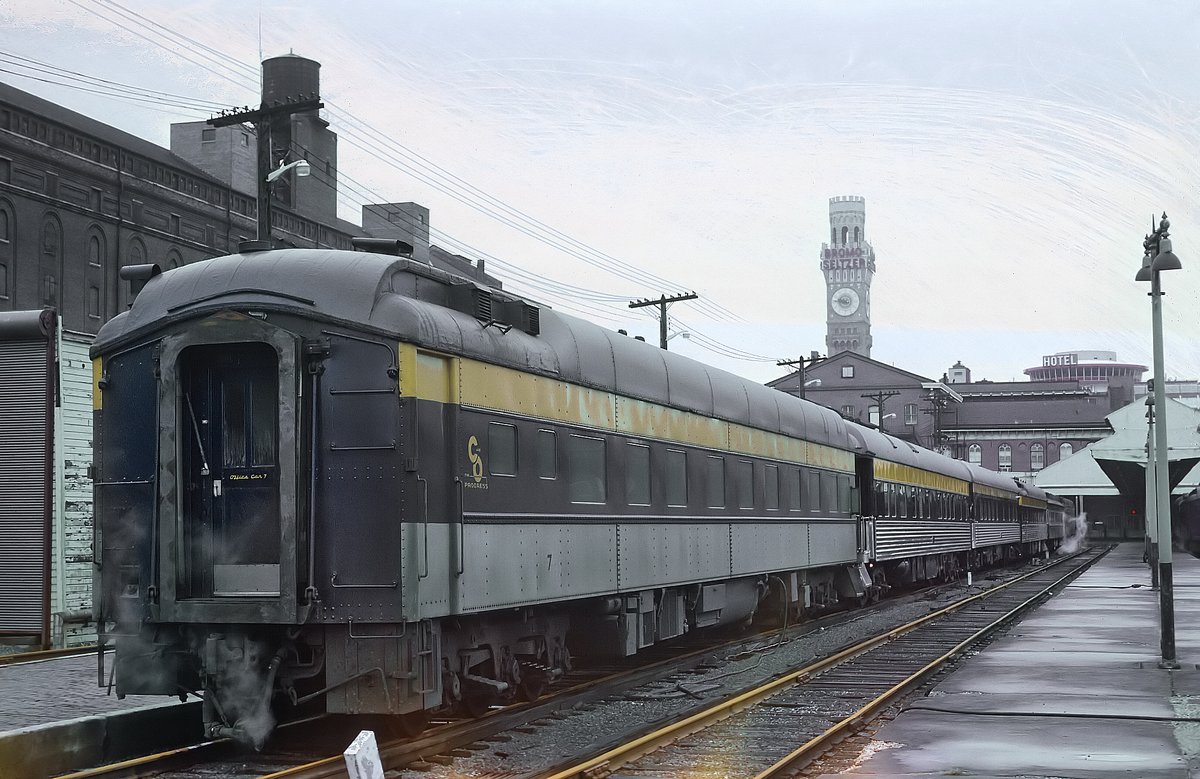
It continued to serve as a transportation hub into the 20th century, anchoring regional commerce and urban development.
Decline and Restoration
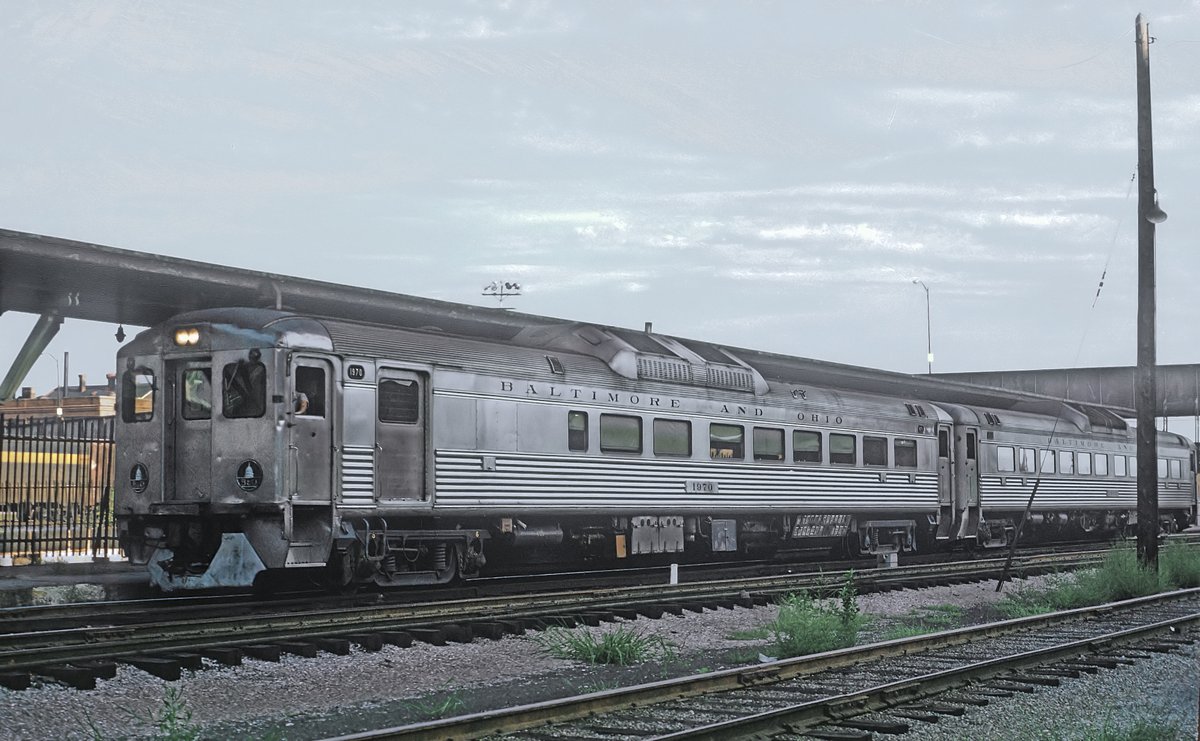
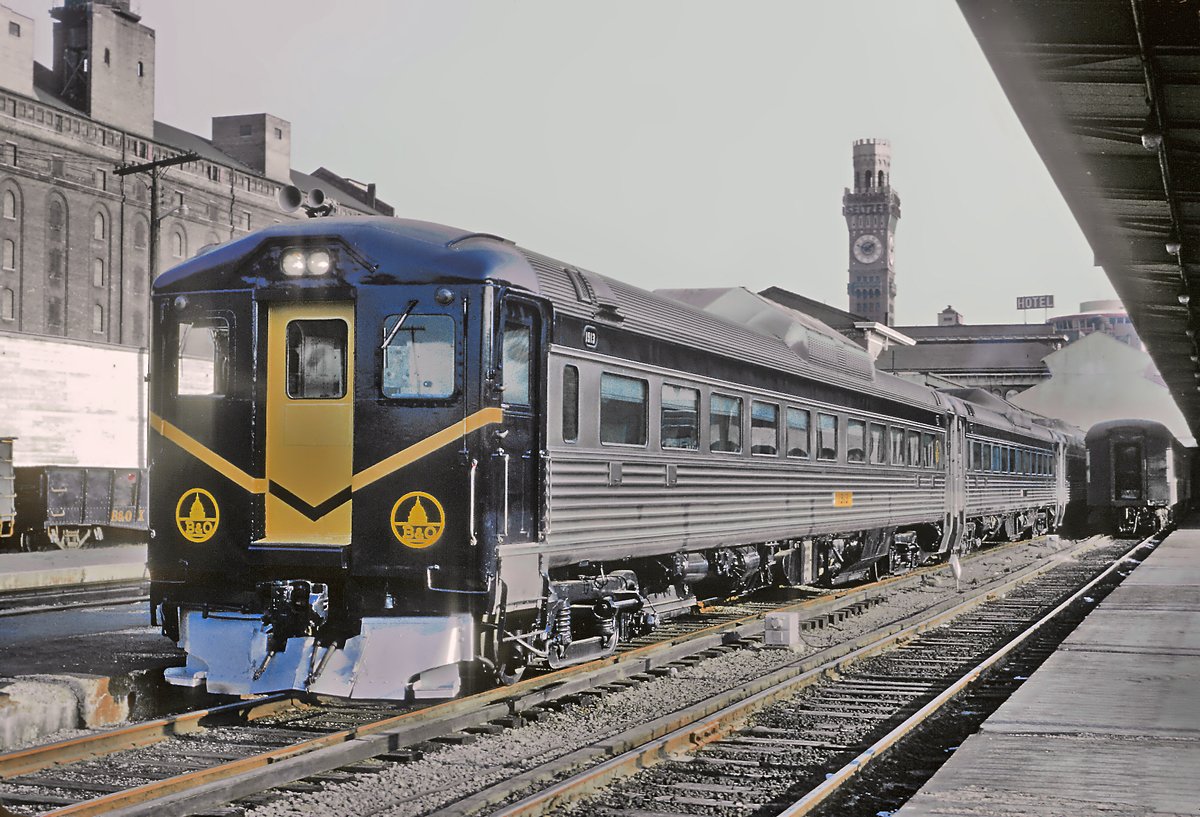
Declining passenger rail service led to Camden Station’s closure as a terminal in 1986, and the loss of key architectural features (Baltimore Heritage). However, the station was preserved during the development of Oriole Park at Camden Yards in the 1990s. Restoration by Cho, Wilkes, and Benn reconstructed the tower and cupolas, and adapted the interiors for museum use, preserving original features like the Gentlemen’s Waiting Room (Babe Ruth Museum).
Modern Integration with Camden Yards
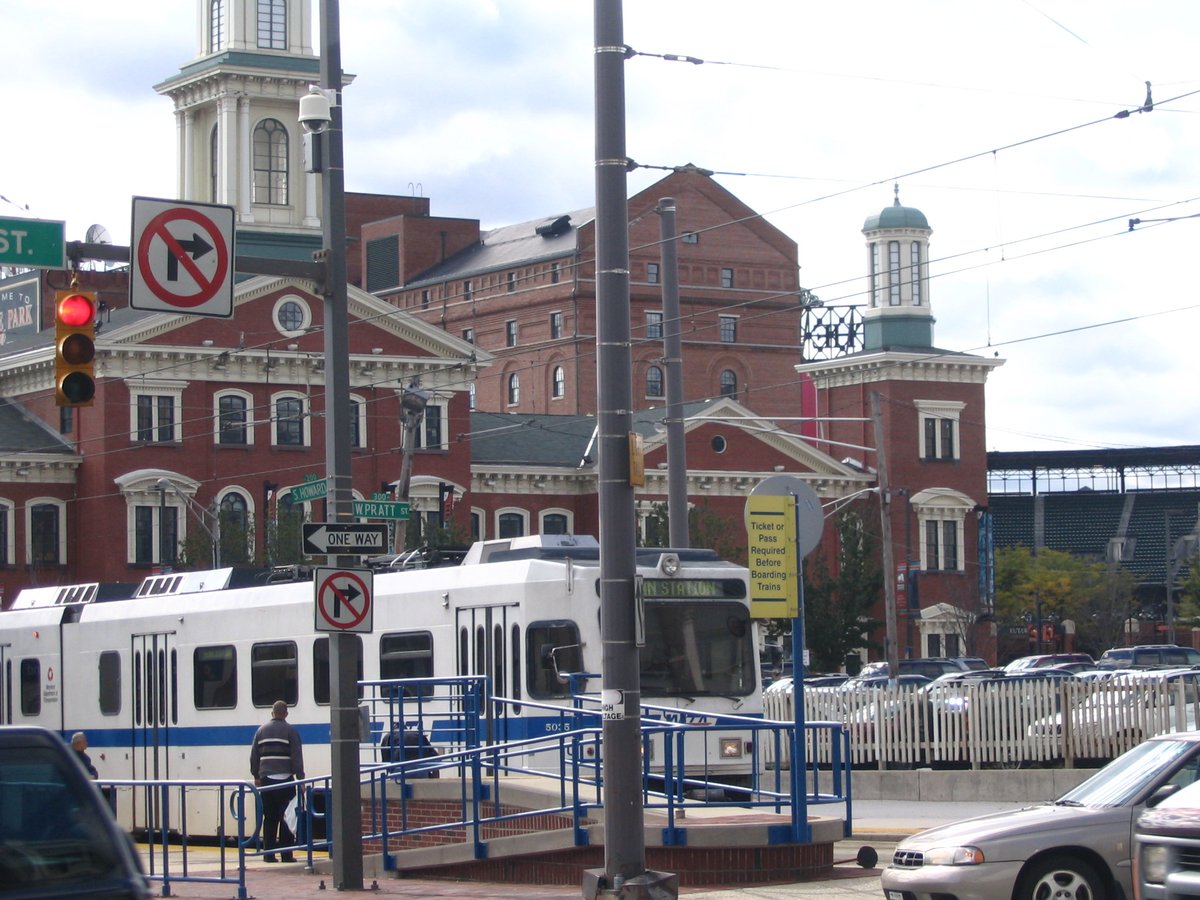
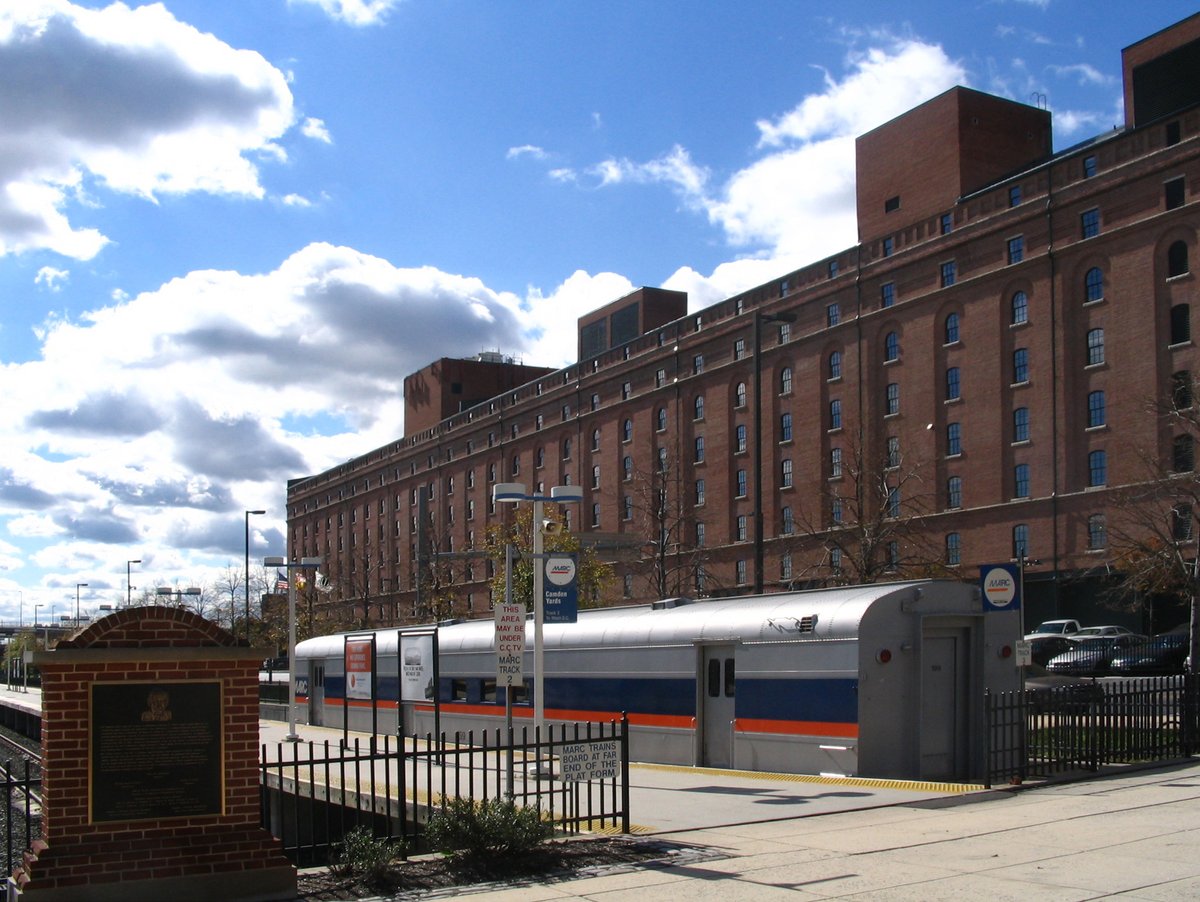
The opening of Oriole Park at Camden Yards in 1992 marked a new chapter for Camden Station. Its proximity to the B&O Warehouse and integration into the ballpark complex created a unique setting that blends history and sports (EAA Architecture). Restored spaces have hosted the Sports Legends Museum and Babe Ruth Birthplace and Museum, with exhibits focusing on Baltimore’s railroad and sports heritage (Babe Ruth Museum; Baltimore Magazine).
Visiting Information
Visiting Hours
- Camden Station Generally open to the public on Orioles game days and during special events. For current hours, consult the Maryland Stadium Authority or the Orioles’ official website.
- Light RailLink Platforms Operational daily, typically from 5:00 AM to midnight.
- Museum Exhibits When open, museum hours may differ and may require separate admission.
Tickets and Admission
- Station Access Free; no tickets required to enter the building or walk the grounds.
- Light RailLink Tickets for the Light RailLink can be purchased at platform vending machines or via the CharmPass mobile app. Fares are $2 one-way, $4 for a day pass; reduced fares available (imayroam.com).
- Oriole Park Events Event tickets are required and can be purchased via the Orioles’ official website, the MLB Ballpark app, or at the box office (Stadiums Guide).
Accessibility
Camden Station and associated transit platforms are fully ADA-compliant, with elevators, ramps, and accessible restrooms. Assistance is available upon request (imayroam.com; MD Stadium Authority).
Getting There
- By Light RailLink Direct service from BWI Airport, Hunt Valley, and downtown.
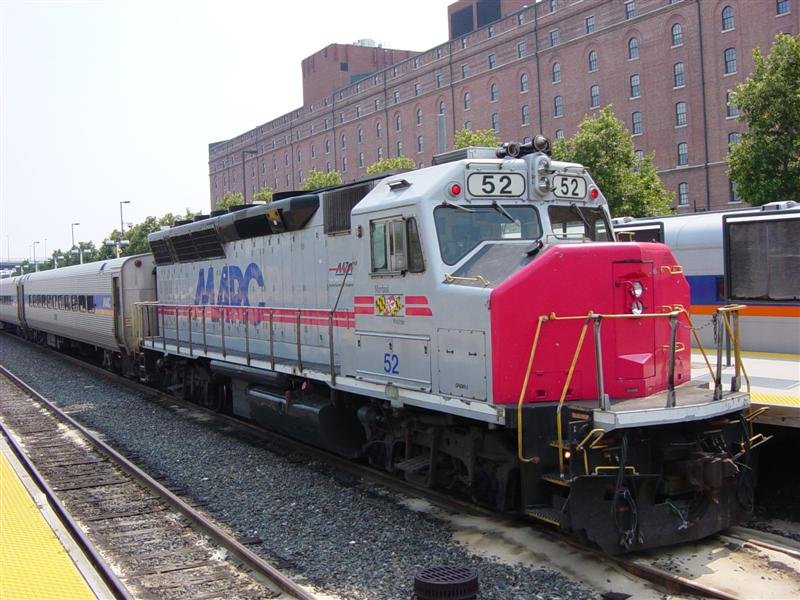
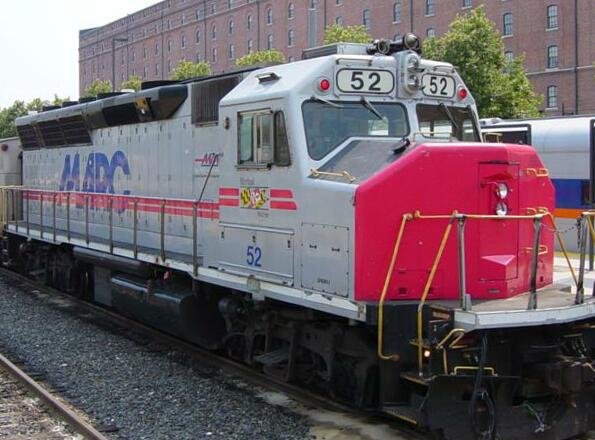
- By MARC Train Camden Line terminates at Camden Station; Penn Line requires transfer.
- By Car Parking available nearby; demand is high on event days—early arrival is recommended.
- By Bike Bike racks are provided at the station and stadium entrances.
Camden Station as a Tourist Destination
Camden Station is a focal point for visitors exploring Baltimore’s historic sites. Its restored interiors and interpretive exhibits highlight the station’s Civil War role, Lincoln connections, and railroad heritage (Babe Ruth Museum). The station’s location within Camden Yards places it near key attractions:
- Oriole Park at Camden Yards A pioneering “retro” MLB stadium.
- B&O Railroad Museum A short walk west.
- Babe Ruth Birthplace and Museum Nearby in Pigtown.
- Baltimore Inner Harbor With waterfront destinations and museums.
The station’s vibrant setting comes alive on game days, with fans, vendors, and street performers creating a festive atmosphere.
Frequently Asked Questions (FAQ)
What are Camden Station’s visiting hours?
Open during Orioles games and special events. Light RailLink operates daily, generally 5:00 AM–midnight. Check official resources for current details.
Is there an admission fee?
Entry to Camden Station and its grounds is free. Museums and events may have separate ticketing.
How do I access Camden Station?
Via Light RailLink, MARC’s Camden Line, car, or bicycle. Parking is available but limited on event days.
Is the station accessible?
Yes. Camden Station and transit platforms are fully ADA-compliant.
Are guided tours available?
Occasionally, during special events or via local tourism organizations. Museums in the complex may offer tours.
What attractions are nearby?
Oriole Park, B&O Railroad Museum, Babe Ruth Birthplace and Museum, Inner Harbor, and Lexington Market.