Visiting Hours, Tickets, and Access
Current Public Access
Important: The Walter and Mae Simms House is a private residence. There are no public interior tours or regular visiting hours. However, the property’s exterior can be viewed from public sidewalks as part of local historic walking tours in Travis Heights and Judges Hill.
- Address 906 Mariposa Drive, Austin, TX 78704 (Travis Heights)
- Access Public sidewalks only; please respect private property boundaries.
- Guided Tours The home’s exterior is featured in neighborhood walking tours, which may be booked through local heritage organizations or the Austin Visitor Center.
- Tickets No tickets are required for exterior viewing. Historic walking tours that include the house may have a fee.
Travel and Accessibility
- Neighborhood Travis Heights is a scenic, walkable neighborhood close to downtown and South Congress Avenue.
- Public Transit The area is accessible via CapMetro bus routes; check schedules for the nearest stop.
- Parking Limited street parking is available in the neighborhood.
- Accessibility Sidewalks are generally accessible, but terrain can be hilly. The property itself is not open to the public.
Historical Background and Architecture
Origins
Walter and Mae Simms commissioned this Colonial Revival home in 1935, marking a new era in Austin’s residential development. Walter Simms, a leading figure in Austin’s seafood market since 1915, helped introduce fresh Gulf Coast seafood to the city’s restaurants and hotels, shaping local tastes and business practices (Texas Historical Markers).
Architectural Features
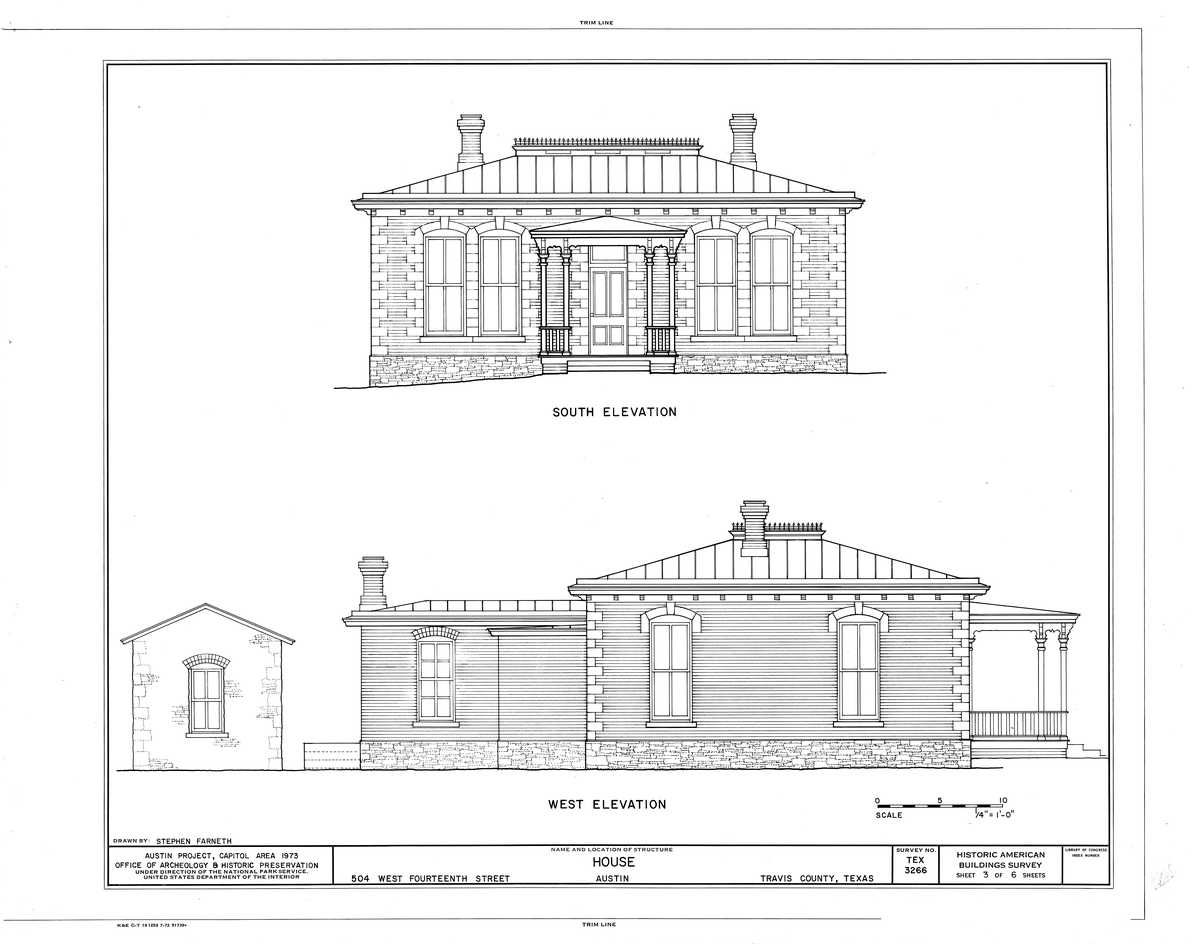
- Architectural Style Simplified Classical Revival with Victorian and Italianate influences
- Architect Roger Q. Small
- Materials Rough-cut limestone, Elgin-Butler brick
- Distinctive Elements Five-bay integrated garage (rare for its era), original asbestos-shingled gable roof, rectangular plan adapted to the sloping site
- Interior (Not Open to Public) Historical records mention high ceilings, multi-light windows, formal parlors, and period detailing
The house’s design aligns with other notable Austin historic homes in neighborhoods like Judges Hill and the Bremond Block Historic District, which are known for their ornate facades and adaptation to the Texas climate (Wikipedia: Bremond Block Historic District).
The Simms Family Legacy
The Simms family’s entrepreneurial spirit left a lasting impact on Austin’s economy and culture. Walter Eugene Simms Jr., born in the house in 1916, continued the family tradition of civic engagement through military service and real estate, further cementing the family’s legacy in Austin (Funeral Innovations).
Travel Tips and Nearby Attractions
Neighborhood Exploration
- Judges Hill & Travis Heights Both neighborhoods offer tree-lined streets and a variety of historic homes.
- South Congress Avenue A lively area nearby, filled with shops, restaurants, and live music venues.
- Lady Bird Lake Boardwalk Offers scenic trails for walking and biking.
- Texas State Capitol & Blanton Museum of Art Both are a short drive away and offer guided tours and exhibits.
Tips for Visitors
- Spring and fall are ideal for outdoor exploration.
- Comfortable walking shoes are recommended.
- Bring a camera for exterior architectural photography.
- Check walking tour availability and book in advance if possible.
Preservation Status
The Walter and Mae Simms House is protected as a Recorded Texas Historic Landmark and is listed on the National Register of Historic Places. Its well-maintained exterior and historic landscaping are visible to the public from the street. The dedication of its owners and the wider community ensures its continued preservation (Texas Historic Landmark Nomination PDF).
Frequently Asked Questions (FAQ)
Q: Can I tour the interior of the Walter and Mae Simms House?
A: No, the house is a private residence and does not offer interior tours.
Q: Are there guided tours that include the house?
A: Guided walking tours of the neighborhood may include the house’s exterior; check with local tour providers or the Austin Visitor Center.
Q: Is there an entry fee?
A: No fee is required for exterior viewing. Tour fees may apply if booked.
Q: Is the area accessible by public transportation?
A: Yes, CapMetro services the neighborhood.
Q: What are the best times to visit?
A: Spring and fall, for mild weather and quality light for photography.
Summary
The Walter and Mae Simms House is a cornerstone of Austin’s architectural and cultural story, embodying the city’s growth, diversity, and commitment to preservation. While interior access is not available, its striking exterior, context within historic neighborhoods, and connection to Austin’s entrepreneurial past make it a rewarding stop for heritage travelers. Enhance your visit by exploring nearby districts and using official resources to plan a meaningful journey through Austin’s history.
For more information, images, and interactive guides, visit the official sources listed above.
Sources: