What The Academy Is
In Austin, “The Academy” refers to two distinct institutions: St. Mary’s Academy, a historic educational institution founded in 1874, and TAMEST, the Academy of Medicine, Engineering, Science and Technology of Texas. St. Mary’s Academy reflects Austin’s educational and religious heritage; TAMEST, established in 2004, represents the city’s role in scientific advancement and interdisciplinary research.
The original St. Mary’s Academy building no longer stands, and its campus at Forty-first and Red River is a private institution with no general public access. TAMEST is based in Austin, but its events take place at varying venues.
History
St. Mary’s Academy
In 1874, the Holy Cross Sisters assumed leadership of a parish school at St. Mary’s Church. The school began in a two-room cabin, now the sacristy of St. Mary’s Cathedral, and grew as Austin’s population and demand for education increased. (Handbook of Texas Online)
By 1885, the Academy had moved into a four-story limestone building downtown, becoming a prominent school for girls. A north wing was added in 1901. For more than sixty years, the school was known for academic rigor, spiritual formation and civic engagement. Its limestone building became a downtown landmark.
In 1947, the Academy moved to a campus at Forty-first and Red River streets, featuring Italian Renaissance-style architecture, terraced gardens and modern amenities. The original limestone building was demolished after the move. In 1968, the school became coeducational and was renamed Holy Cross High School. Financial pressures led to its closure in 1972, shortly before its 100th anniversary.
After the closure, the site was repurposed as the Christian Academy of Austin, a private, nondenominational day school.
TAMEST
TAMEST was established in 2004 by Texas leaders and Nobel Laureates. Its mission is to foster scientific excellence, facilitate collaboration and position Texas as a leader in innovation. It connects more than 355 members from 24 institutions, including Nobel Laureates, and has contributed to the induction of more than 300 Texas-based researchers into the National Academies. (TAMEST - Who We Are) (TAMEST Celebrates 20 Years)
Its work includes annual conferences on subjects such as climate innovation and public health; O’Donnell Awards recognizing emerging researchers for creative and impactful work; advice to policymakers; and STEM outreach and mentorship across Texas. TAMEST also supports research commercialization and workforce development, strengthening Texas’s economy. (TAMEST Annual Conference) (2025 O’Donnell Awards Recipients) (TAMEST - What We Do) (National Academy of Engineering Selects 5 From UT)
What to See and Do
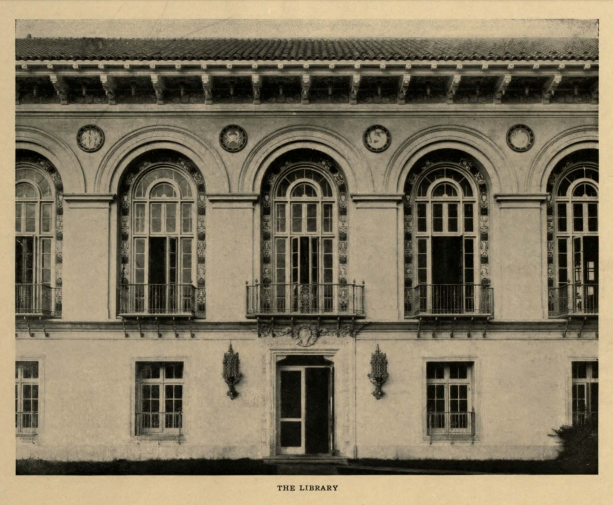
The original 1885 limestone Academy building was a notable example of late 19th-century Austin architecture, combining educational ambition with religious heritage. Although it was demolished after the 1947 move, the 1940s Italian Renaissance-style campus reflects the evolution of Austin’s educational spaces.
Regular public tours of the Academy campus are not offered. Local heritage organizations and historical societies occasionally include the Academy’s story in broader Austin history walking tours. Researchers and people with educational interests can contact the institution directly to ask about archives or special visits.
TAMEST is not open for daily tours, but public lectures, award ceremonies and conferences are periodically open to the public. The University of Texas at Austin and other TAMEST member institutions also offer public programs and exhibits. (TAMEST Events page) (Nomadasaurus - University of Texas)
Historic photographs, architectural drawings and maps of the Academy and surrounding landmarks can provide further context.
Visiting Information
St. Mary’s Academy
- Public access The original Academy building no longer stands. The campus at Forty-first and Red River is a private institution and is not open to the public.
- Hours There are no public visiting hours.
- Tickets No tickets or general admission are available.
- Tours and accessibility Regular public tours are not offered. Researchers or visitors with educational interests should contact the institution directly about archive access or special visits.
TAMEST
TAMEST is based in Austin, but event venues vary. Check event listings for locations, accessibility and other details. Some events require tickets or registration; accessibility varies by venue. (TAMEST events page)
Texas State Capitol
The Texas State Capitol is a downtown Austin landmark completed in 1888. It features Renaissance Revival architecture, is the seat of state government and is recognized as a National Historic Landmark. Built from sunset red granite, it is taller than the U.S. Capitol in Washington, D.C.
- Hours Monday–Friday, 8:00 AM–5:00 PM; Saturday, 9:00 AM–5:00 PM. Closed Sundays and select holidays.
- Admission Free; no tickets are required.
- Guided tours Offered during open hours and last approximately 30–45 minutes.
- Accessibility Fully wheelchair accessible.
- Gift shop An on-site shop sells souvenirs and books.
- Photography Allowed in most areas; restrictions apply during legislative sessions.
- Food There is no on-site restaurant, but many options are nearby.
Check the Texas State Preservation Board website for updates or closures.
Tips
- Public transit or rideshare can be useful because downtown parking is limited.
- For Capitol tours, arrive early to secure a spot and wear comfortable walking shoes.
- Check attraction websites for current hours and events.
- For current TAMEST event locations and access information, consult its event listings.
- The Audiala app, social media and related guides offer visitor information and event recommendations; the app also provides real-time updates and audio guides.
Nearby Places
- St. Mary’s Cathedral A historic cathedral near the original Academy site. Guided tours are available. See the St. Mary’s Cathedral official site.
- Texas State Capitol A short walk away, with free guided tours and information about Texas history.
- Bullock Texas State History Museum Offers interactive exhibits on Texas history.
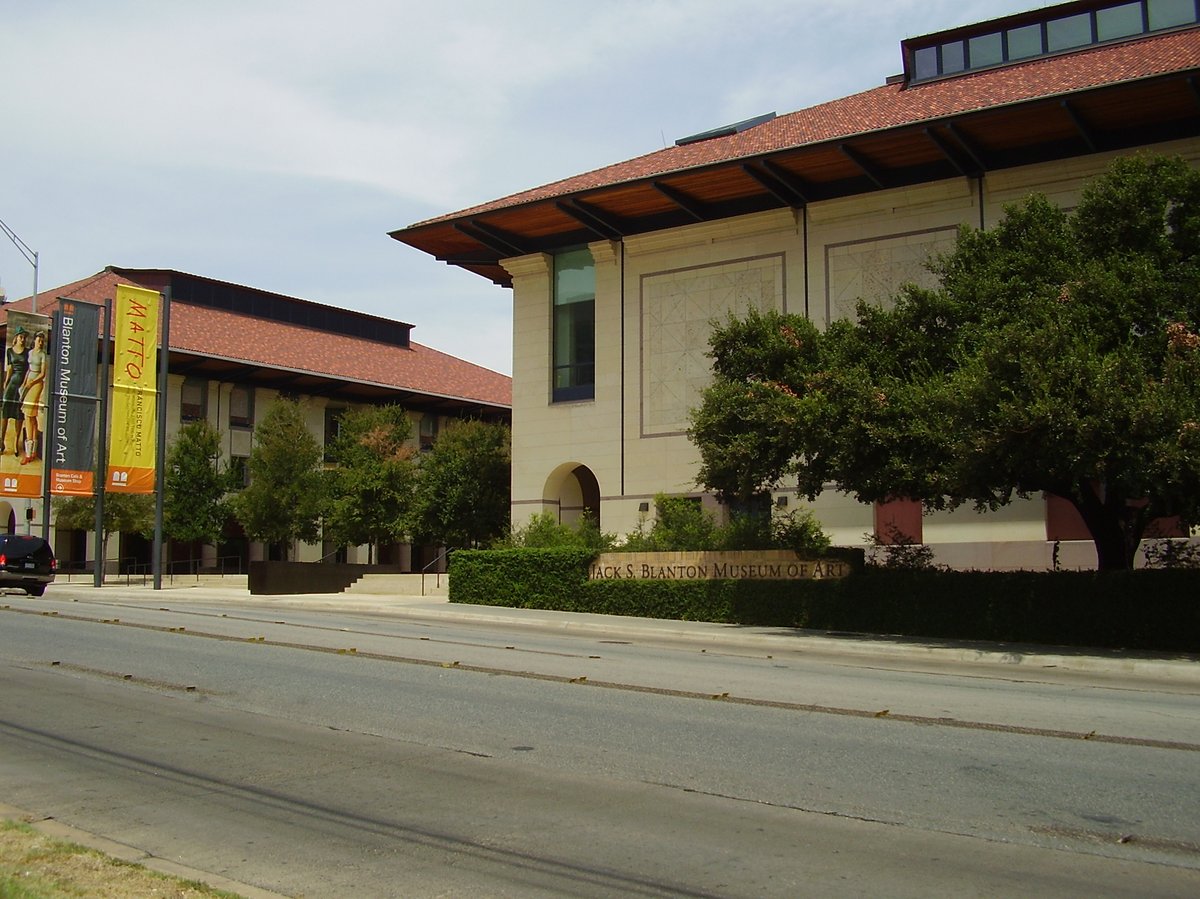
- University of Texas at Austin Home to museums and cultural venues, including the Blanton Museum of Art.
- 6th Street Historic District Known for music and nightlife.
Further Information
- Handbook of Texas Online
- Handbook of Texas Online - St. Mary’s Academy
- TAMEST
- TAMEST Official Website
- Texas State Preservation Board
- Texas Capitol Visitor Center
- St. Mary’s Cathedral official site
- St. Mary’s Cathedral Official Site
Frequently Asked Questions
Can I visit the original or current St. Mary’s Academy campus?
Public access is not available. The original building no longer stands, and the current campus is private.
Are tickets or tours available for St. Mary’s Academy?
No tickets or regular public tours are offered. Local history tours may refer to the site.
Can I visit TAMEST’s headquarters?
TAMEST is not open for daily tours, but it offers public access through scheduled events.
Do TAMEST events require tickets?
Some events are ticketed or require registration. Check the TAMEST events page for details.
Is accessibility provided at TAMEST events?
Accessibility varies by venue; refer to event listings for specific accommodations.
Where can I learn more about St. Mary’s Academy?
The Handbook of Texas Online provides historical information.
What nearby historical sites are recommended?
St. Mary’s Cathedral, the Texas State Capitol and the University of Texas campus are nearby places to visit.