Plan and listen to Southwestern Telegraph & Telephone Bldg. with Audiala.
Audio guide in your pocket, itinerary in your browser. Built for the way you actually visit.
Introduction
Nestled in the heart of downtown Austin, the Southwestern Telegraph & Telephone Building is a storied landmark reflecting the city’s pivotal role in the evolution of telecommunications. Constructed in 1916 as Austin’s first dedicated telephone building, this site chronicles the region’s journey from the earliest telephone exchanges to its status as a center for innovation. The building is not only architecturally distinguished—exemplifying Classical Revival and Chicago School influences—but also culturally significant, marking milestones such as the employment of women operators and Austin’s economic ascent. This guide offers a comprehensive overview, including historical context, visiting hours, ticketing, accessibility, and travel tips, ensuring an enriching experience for history enthusiasts and cultural travelers alike (Handbook of Texas Online, Austin Historical Sites, Preservation Austin).
Early Development of Telephone Service in Texas
The roots of telephone service in Texas date back to the late 1870s, soon after Alexander Graham Bell’s invention. On March 18, 1878, Col. A. H. Belo, publisher of the Galveston News, installed one of the nation’s earliest telephones in Galveston. The surge in demand led to Texas’s first telephone exchange opening in Galveston in 1879, followed by Houston and Austin (Handbook of Texas Online). The Southwestern Telegraph and Telephone Company, founded in 1881, rapidly expanded exchanges across the state and played a crucial role in the telecommunications boom.
Establishment of the Southwestern Telegraph & Telephone Company in Austin
By 1883, after acquiring the Erie Telegraph and Telephone Company, the general offices of Southwestern Telegraph and Telephone were established in Austin. With over 2,000 subscribers statewide, Austin quickly became a telecommunications hub, solidifying its role in the state's technological development (Handbook of Texas Online).
Architectural and Technological Significance
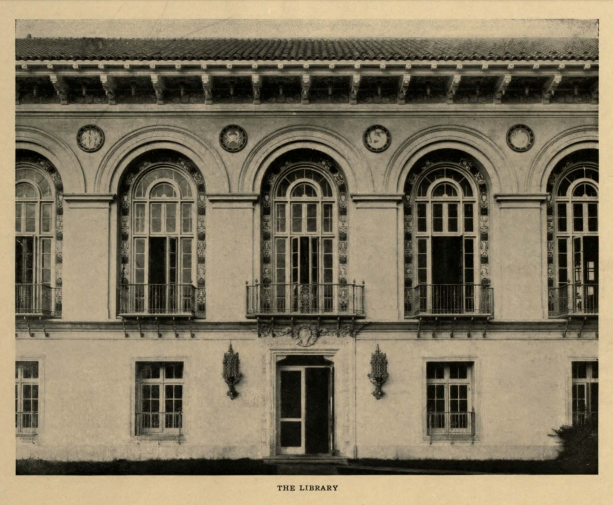
Constructed in 1916, the Southwestern Telegraph & Telephone Building is a hallmark of early 20th-century commercial architecture. Its design merges Classical Revival symmetry and ornamentation with Chicago School innovations such as steel-frame construction and large windows. The façade features buff brick and terra cotta details, and the interior originally boasted terrazzo floors and marble wainscoting. Technologically, the building witnessed key advancements, including the adoption of common battery switchboards and the transition to automatic exchanges (Handbook of Texas Online).
Growth, Consolidation, and Legacy
In 1912, the Southwestern Telegraph and Telephone Company merged into the Southwestern Bell Telephone Company, which expanded rapidly and eventually became part of AT&T. By 1946, Austin had over 34,000 telephone subscribers, mirroring the city’s urban and economic growth. The building also marked social progress by employing women as operators, reflecting important shifts in the workforce (Handbook of Texas Online).
Visitor Information
Visiting Hours
- Exterior Viewing: The building’s exterior can be viewed at any time.
- Lobby Access: The lobby is typically accessible to the public during business hours, Monday through Friday, 9:00 AM to 5:00 PM.
- Interior Tours: Public interior tours are not regularly offered, but the lobby may be open for casual visitors.
Tickets and Entry
- Admission: There is no fee to view the exterior or access the lobby during business hours.
- Guided Tours: While the building does not offer its own tours, several downtown Austin walking tours feature this site. These may require advance booking and a nominal fee (Austin Walking Tours).
Accessibility
- The building is wheelchair accessible, with ramps and elevators available. Visitors with mobility needs are advised to confirm accessibility details before arrival.
Location and Nearby Attractions
- Address: 112 East 7th Street, Austin, TX 78701 (verify before visiting)
- Nearby Attractions: Texas State Capitol, Driskill Hotel, O. Henry Museum, Paramount Theatre, Congress Avenue Historic District, and Sixth Street Entertainment District are all within walking distance (Austin Visitor Center).
Special Events and Guided Tours
- Local preservation groups, such as Preservation Austin, occasionally host open houses and events. Guided walking tours by third-party companies often include the building as a key stop (Lets.Live Austin Tours).
Travel Tips
- Best Time to Visit: Weekday mornings or early afternoons are optimal for viewing the lobby and common areas.
- Parking: Nearby public garages and metered street parking are available, but downtown parking can be limited during peak times.
- Public Transit: Served by Capital Metro buses and MetroRail with stops near the building (CapMetro).
- Photography: The exterior is best photographed in morning or late afternoon light; please be mindful of interior photography restrictions.
- Events: Check the Austin Events Calendar for local festivals and special happenings.
Frequently Asked Questions (FAQ)
Q: Can I tour the interior of the Southwestern Telegraph & Telephone Building?
A: Interior tours are not regularly available, but the lobby is typically accessible during business hours. Guided walking tours of downtown Austin often include the building as a stop.
Q: Is there an admission fee?
A: No, viewing the exterior and lobby is free.
Q: Is the building wheelchair accessible?
A: Yes, the building is accessible with ramps and elevators.
Q: What is the best time to visit?
A: Weekday mornings or early afternoons provide the best opportunity for a quiet visit and optimal light for photography.
Q: Are guided tours available?
A: While not offered directly by the building, several local walking tours feature the site (Austin Walking Tours).
Listen to the full story in the app
The whole Southwestern Telegraph & Telephone Bldg.,
told well.
Audio guides for 1,100+ cities across 96 countries. History, stories, and local insight — offline ready.

Verified, and shown.
Researched and written by the Audiala editorial team from historical records, architectural archives, and local expertise.
Researched from Wikidata, Wikipedia & official sources · fact-checked · How we make our guides →