Early Origins and Construction
The Roy-Hardin House stands as a rare example of adaptive reuse in Austin’s historic Bouldin Creek neighborhood. Originally constructed as a grain mill in the mid-19th century, possibly as early as 1852, the structure’s rubblestone walls of locally quarried limestone exemplify early Texas vernacular architecture. The property’s transformation from mill to residence reflects the waves of settlement and growth as Austin evolved into the state capital (Millbrook History).
In 1894, the Roy family acquired the property, converting the utilitarian mill into a home that would anchor family life and serve as a locus of community identity for decades. Its location in a cluster of historic homes—such as the John Bremond House and the Henry Hirshfeld House—places it within a living museum of Austin’s architectural diversity (GPSmyCity).
Architectural Evolution and Restoration
Victorian Influences and Artistic Transformation
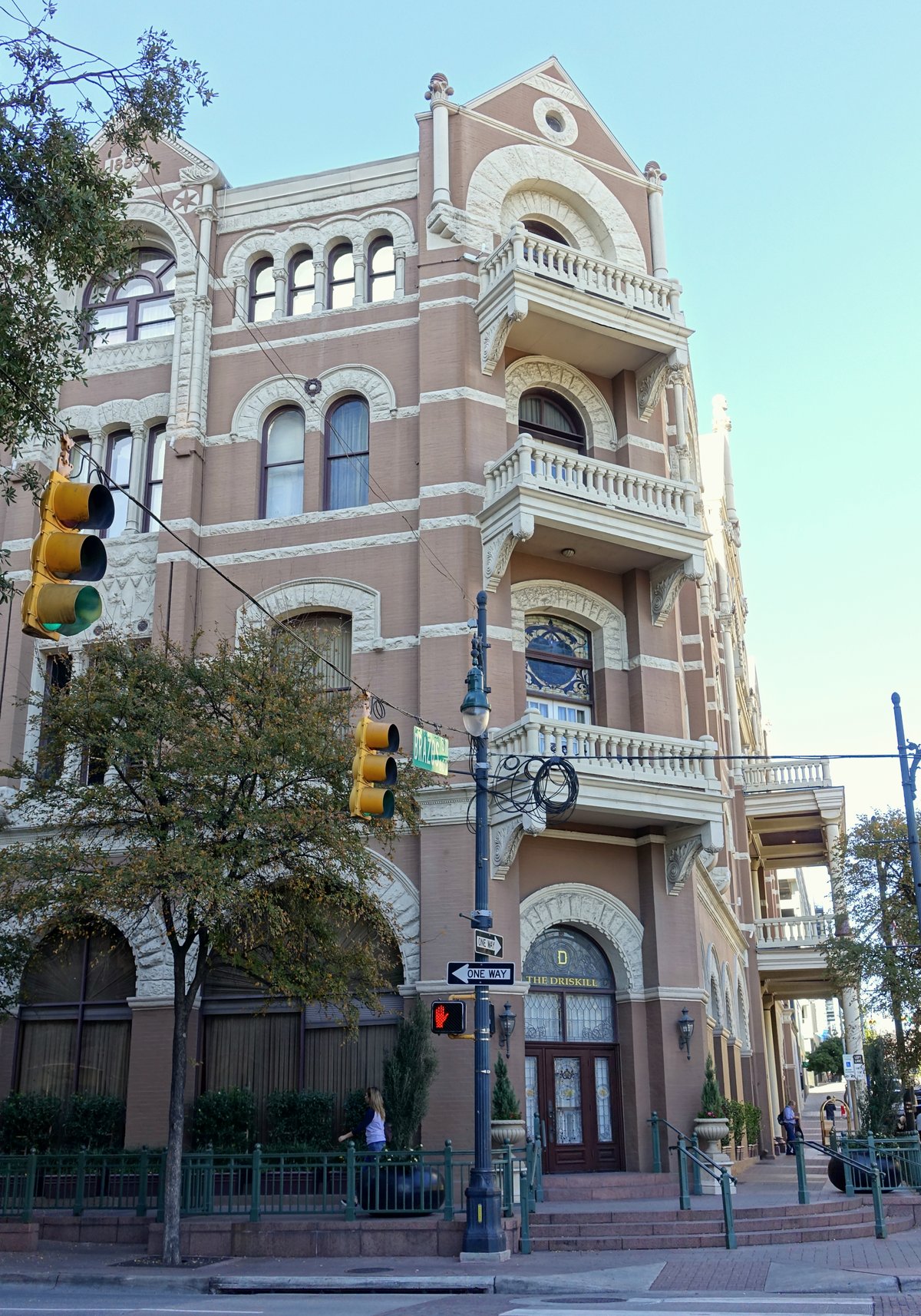
The Roy-Hardin House is an emblem of Victorian-era craftsmanship and the creative vision of its later residents, Ernest and Maurine Hardin. The Hardins, University of Texas drama professors, acquired the estate in 1939 and initiated an extensive restoration and expansion. Salvaged elements from local landmarks—including marble and slate floors from the Driskill Hotel, ironwork from Abner Cook houses, and a weather vane from Millbrook, NY—were thoughtfully incorporated, turning the home into a showcase of upcycled architecture (Millbrook History).
The main house, guest house (originally a smokehouse), carriage house, and remnants of an art studio are set within 1.3 acres of landscaped gardens, stone walls, and historic terraces. The result is a harmonious blend of rustic durability and refined artistry, with interiors that feature original stonework, decorative ironwork, and antique fixtures.
Cultural Significance
A Microcosm of Austin Heritage
The Roy-Hardin House encapsulates the evolution of Austin’s built environment—from utilitarian industry to refined historic estate. Its trajectory is emblematic of the city’s values: preservation, adaptive reuse, and the nurturing of community memory.
- Vernacular Roots As one of Austin’s few surviving early industrial buildings, the house offers insight into pre-20th-century settlement patterns.
- Salvage and Reuse The integration of materials from other Austin landmarks is an early example of architectural upcycling.
- Educational Value The house serves as a model for students, preservationists, and the public.
Recognized as an Austin Historic Landmark, the Roy-Hardin House underscores the importance of private heritage properties in maintaining the city’s cultural fabric (Millbrook History).
Visitor Information: Hours, Tickets, and Accessibility
Standard Visiting Details
- Open for Tours Primarily during special heritage events or by appointment.
- Typical Hours 10:00 AM to 4:00 PM during scheduled tours (usually in spring and fall).
- Admission $20–$40 depending on event and tour package (Heritage Society of Austin).
- Tickets Advance purchase required through the Heritage Society of Austin or event organizers.
Accessibility
Due to its historic design, the Roy-Hardin House has limited accessibility features. Main pathways include flagstone terraces and steps, which may pose challenges for visitors with mobility needs. Ramps and assistance can sometimes be arranged—contact organizers in advance to discuss accommodations.
Parking & Transit
Parking in the surrounding residential neighborhood is limited, especially during events. Use public transportation, rideshare, or carpooling whenever possible. The area is pedestrian-friendly, and nearby city streets and trails offer scenic routes.
Special Events, Guided Tours, and Visitor Experience
The Roy-Hardin House participates in the Heritage Society of Austin’s home tours and other special events. These immersive experiences include:
- Guided Historical Tours Led by knowledgeable docents, focusing on the home’s construction, restoration, and family stories.
- Cultural Events Seasonal celebrations, lectures, and art workshops.
- Educational Programs Occasionally offered in partnership with local schools or historical societies.
Advance booking is essential, as events often sell out. Interior photography may be restricted to protect sensitive artifacts (Zilker Neighborhood History, p.2).
Photographic Spots and Nearby Attractions
Photographic Opportunities
- Exterior The limestone walls, terraces, formal fountain, and lush gardens are ideal for photography, especially in spring.
- Interior Photography is limited; always check with event staff before taking photos inside.
Nearby Historical and Cultural Attractions
- Bouldin Creek & Zilker Park Natural beauty and outdoor recreation.
- Driskill Hotel, Texas State Capitol, and O. Henry Museum All are easily accessible and showcase Austin’s architectural variety (Tourist Secrets, Austin Visitors Guide).
Practical Tips for Visitors
- Check Event Schedules Since the house is not open daily, monitor the Heritage Society of Austin for tour dates and ticket releases.
- Plan Transportation Parking is limited; public transit or rideshare is recommended.
- Dress Comfortably Wear shoes suitable for uneven and historic surfaces.
- Respect Preservation Rules Follow all guidelines to help maintain this historic property.
- Contact Organizers in Advance For accessibility arrangements or special needs.
Frequently Asked Questions (FAQ)
Q: Can I visit the Roy-Hardin House anytime?
A: No. Access is limited to scheduled tours and events. Check with the Heritage Society of Austin for upcoming dates.
Q: How much are tickets?
A: Tickets typically range from $20 to $40, depending on the event and tour package.
Q: Is the house wheelchair accessible?
A: Accessibility is limited. Contact organizers ahead of time to discuss potential accommodations.
Q: Is photography allowed?
A: Outdoor photography is generally permitted. Interior photography may be restricted.
Q: Where can I park?
A: Neighborhood parking is limited; public transportation or rideshare is recommended during events.