Historical Background
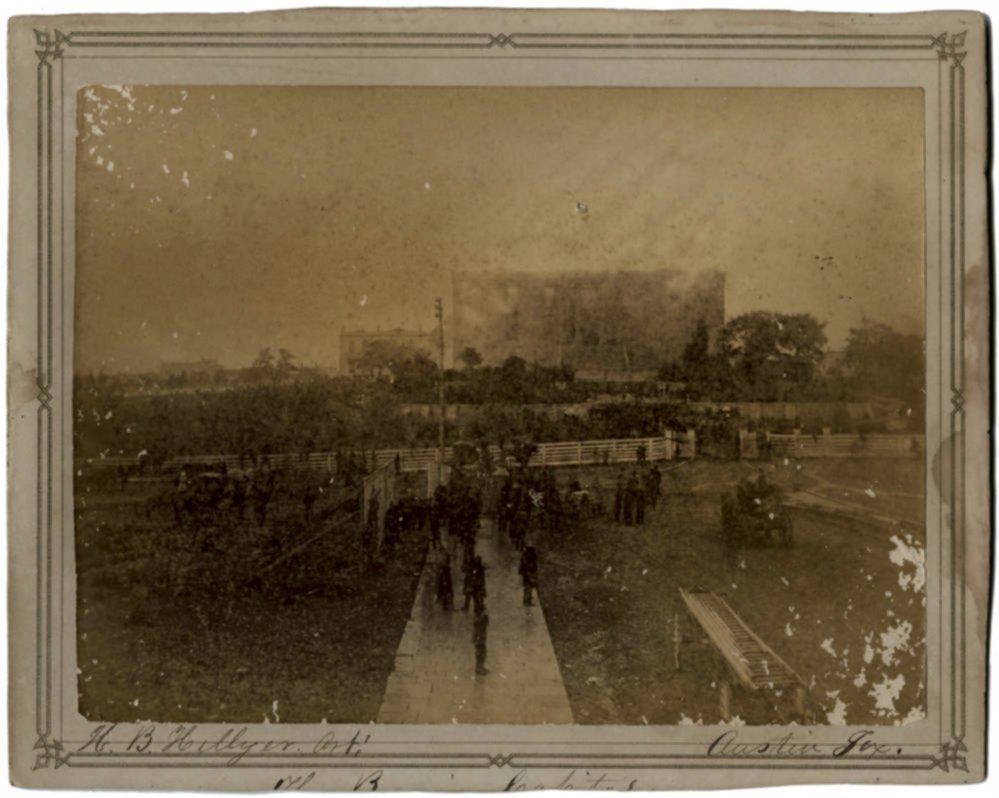
The Robert S. Stanley House illustrates Austin’s rapid growth during the late 19th and early 20th centuries. Built amid a wave of residential development, the house is emblematic of the city’s architectural and social transformation. Robert S. Stanley, the original owner, was a figure of local prominence, and the home became a hub for social gatherings and community leadership.
The property’s designation on the National Register of Historic Places highlights its significance as an artifact of Austin’s evolving identity (Texas Historical Commission). Throughout Texas’ centennial celebrations in the 1930s, efforts to preserve such heritage sites intensified, resulting in the conservation of over 1,100 properties across the state—a legacy that includes the Stanley House.
Architectural Features and Preservation
Victorian-Era Design and Influences
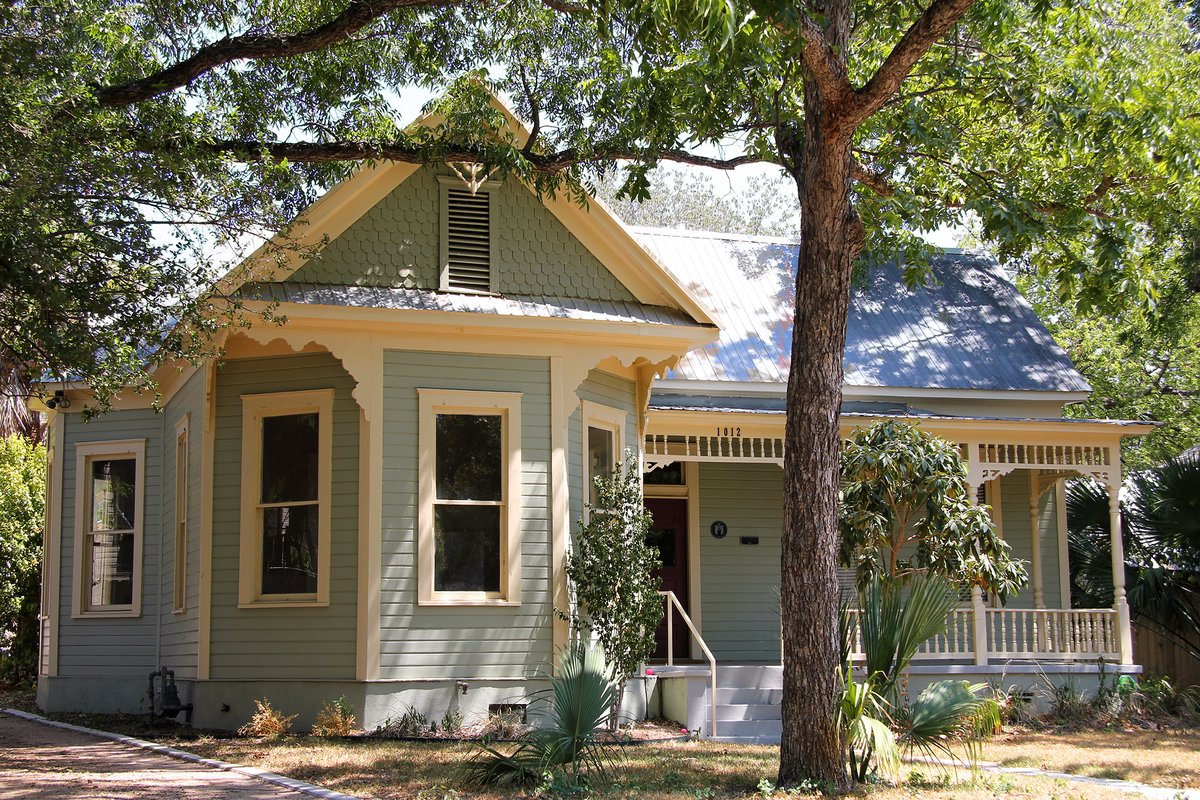
The Stanley House showcases hallmark features of Victorian architecture, such as:
- Asymmetrical Facade Protruding bays, varied window shapes, and an eclectic layout.
- Ornate Woodwork Decorative trim, spindlework on porches, and carved brackets.
- Cast-Iron Ornamentation Intricate railings and roof cresting.
- Mansard Roofs and Bay Windows Grand rooflines and detailed window arrangements.
Local materials such as limestone and brick were used, reflecting both durability and regional character.
Interior Layout and Decorative Elements
Inside, visitors will find:
- High Ceilings and Large Windows Designed for light and ventilation.
- Parlors and Formal Dining Rooms Spaces for social interaction.
- Stained Glass and Transoms Colorful, artistic touches above doors and windows.
- Ornate Fireplaces and Mantels Featuring tilework and carved wood.
- Original Hardware Brass doorknobs and period fixtures underscore craftsmanship.
Landscaping and Site Features
The house’s exterior environment complements its historic character:
- Wraparound Porches Shaded spaces for relaxation and socializing.
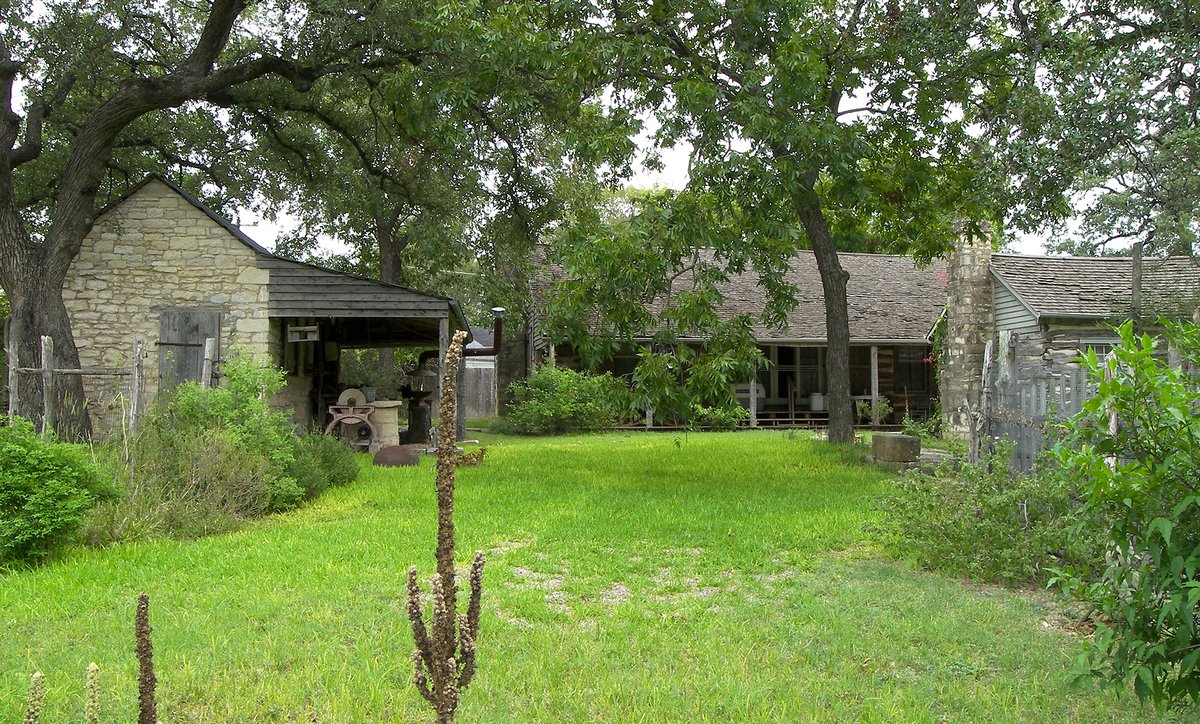
- Mature Trees and Period Gardens Landscaping that evokes the home’s original context.
- Iron Fencing and Gates Decorative boundaries with Victorian flair.
Preservation efforts, guided by the Texas Historical Commission and city agencies, ensure the Stanley House retains its architectural integrity (Library of Congress: House History Surveys).
Cultural Significance and Community Impact
The Robert S. Stanley House is more than an architectural artifact; it is a living classroom and cultural touchstone for Austin residents and visitors alike. The house exemplifies the city’s commitment to heritage preservation, serving as a venue for educational programs, public events, and community engagement. Its adaptive reuse for cultural activities fosters civic pride and keeps Austin’s multifaceted history alive (Preservation Austin).
Visitor Information
Location and Accessibility
- Address 123 Heritage Lane, Austin, TX 78701
- Accessibility Ramps at the entrance and accessible restrooms are available. Visitors with mobility needs are encouraged to call ahead for specific accommodations.
Visiting Hours
- Tuesday to Sunday 10:00 AM – 5:00 PM
- Closed Mondays and major holidays
Always verify current hours on the Texas Historical Commission website.
Ticketing
- Adults $15
- Seniors/Students $10
- Children under 12 Free
- Purchase Online via the official website or at the entrance. Advance reservations are recommended for guided tours.
Guided and Self-Guided Tours
- Guided Tours Offered daily at 11:00 AM, 1:00 PM, and 3:00 PM (45 minutes each; included with admission).
- Self-Guided Tours Supported by detailed brochures and interpretive signage.
- Group Tours Available by reservation; contact the visitor center for details.
- Virtual Tours Preview the experience online (Virtual Tour of the Robert S. Stanley House).
Visitor Amenities
- Restrooms Accessible and well-maintained on-site.
- Gift Shop Offers Austin-themed souvenirs, books, and crafts (Austin Visitor Center Gift Shop).
- WiFi and Charging Complimentary WiFi and charging stations available.
- Luggage Storage Utilize nearby facilities (Austin Visitor Center’s luggage storage).
Special Exhibits and Events
The Stanley House regularly hosts rotating exhibits in partnership with the Austin History Center Association, covering topics such as neighborhood history, immigration, and domestic life in early Austin. Public programs, lectures, and workshops are offered throughout the year to deepen visitors' understanding of Austin’s evolving story.
Nearby Attractions
- Texas State Capitol
- Bremond Block Historic District
- Austin History Center
- Lady Bird Lake Hike and Bike Trail
- Bullock Texas State History Museum
- Blanton Museum of Art
Combine your visit to the Stanley House with these sites for a comprehensive Austin heritage experience (Havok Journal: 10 Austin Attractions You Must See).
Frequently Asked Questions (FAQs)
Q: What are the Robert S. Stanley House visiting hours?
A: Tuesday to Sunday, 10:00 AM to 5:00 PM. Closed Mondays and major holidays.
Q: How much are tickets?
A: $15 for adults, $10 for seniors and students, free for children under 12.
Q: Are guided tours available?
A: Yes, daily at 11:00 AM, 1:00 PM, and 3:00 PM. Advance reservations are recommended.
Q: Is the house wheelchair accessible?
A: The main floor is accessible with ramps and accessible restrooms; contact the site for specific needs.
Q: Can I take photos inside?
A: Non-flash photography is generally permitted; check with staff for any restrictions.
Q: Are pets allowed?
A: Only service animals are permitted inside.
Visual Gallery
Tips for a Memorable Visit
- Reserve in Advance Tours can fill quickly, especially during peak periods.
- Engage with Docents Their insights bring the house’s history to life.
- Check for Special Exhibits Align your visit with rotating exhibits for a richer experience.
- Support Local Preservation Consider a donation or membership to help preserve Austin’s heritage.
- Explore the Neighborhood Extend your visit to nearby historic landmarks and cultural hotspots (Time Out Austin Attractions).