Plan and listen to Pennybacker Bridge with Audiala.
Audio guide in your pocket, itinerary in your browser. Built for the way you actually visit.
Introduction
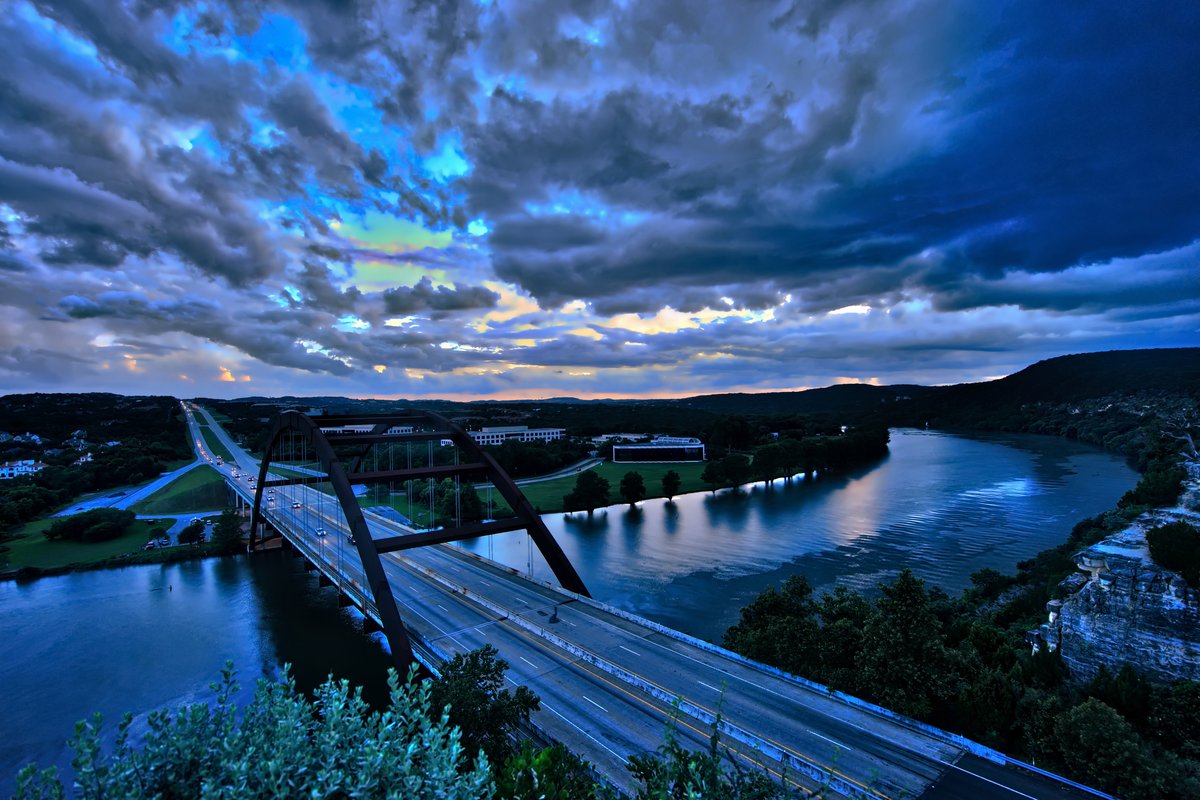
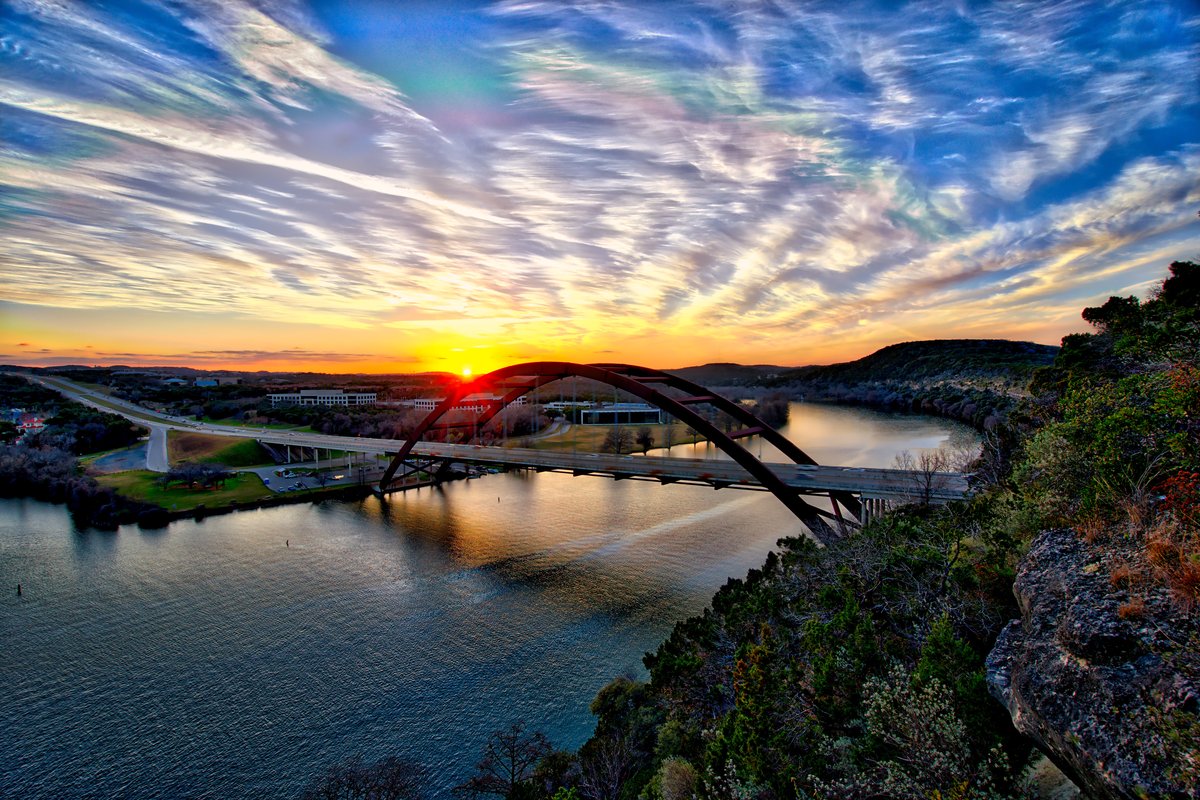
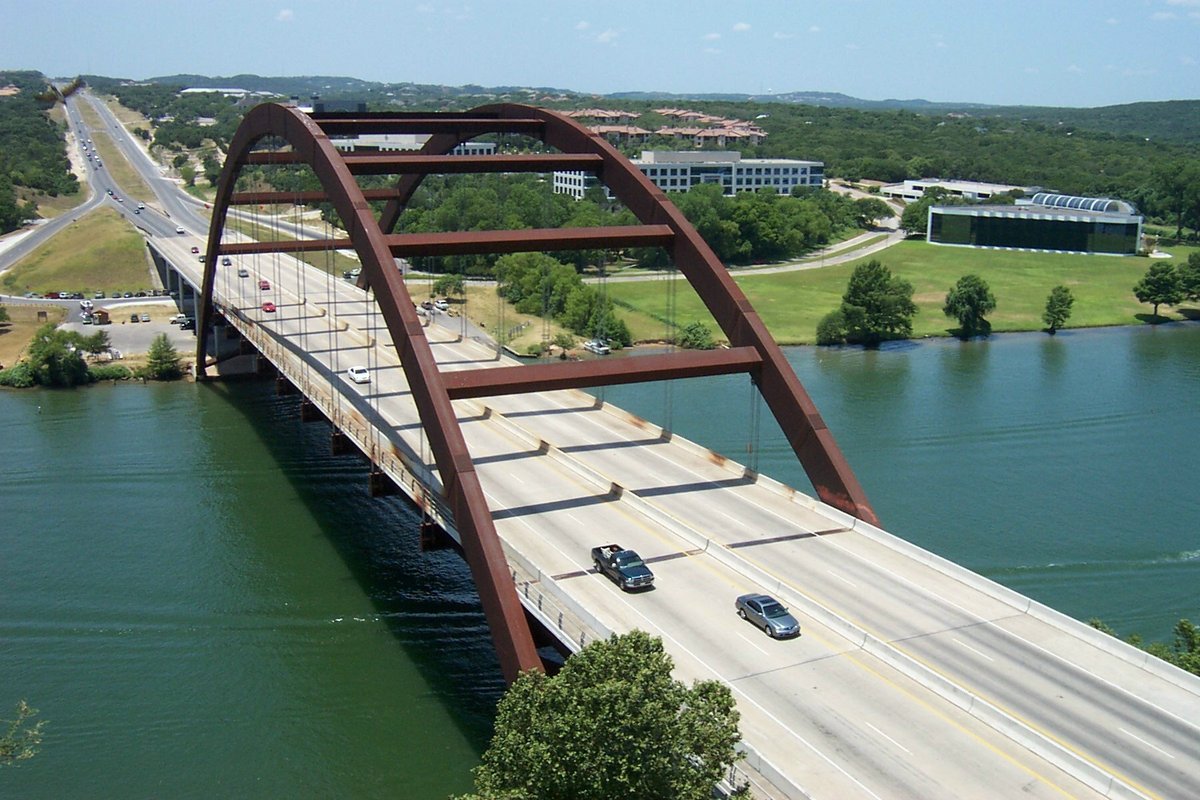
Nestled in the scenic Texas Hill Country, the Pennybacker Bridge—also known as the 360 Bridge—stands as one of Austin’s most iconic landmarks and a marvel of modern engineering. Since its completion in 1982, the bridge has become a symbol of Austin’s blend of natural beauty, innovation, and community spirit. With its uninterrupted steel arch spanning Lake Austin, the bridge offers visitors breathtaking panoramas, rich historical context, and a gateway to some of the area’s best outdoor and cultural experiences (austin.com, wikipedia, texasbridges.org).
This comprehensive guide details everything you need to know before your visit, including historical background, architectural highlights, practical travel tips, accessibility details, and recommendations for nearby attractions.


Historical Background
Origins and Naming
The Pennybacker Bridge is named for Percy V. Pennybacker Jr., a pioneering Texas civil engineer recognized for his advances in welded bridge structures. A University of Texas graduate and a significant figure in early 20th-century infrastructure, Pennybacker’s name represents the innovative spirit that shaped both the bridge and Austin (austin.com).
Planning and Construction
As Austin expanded in the late 1970s, a direct crossing over Lake Austin was needed to relieve congestion along Loop 360. The Texas Department of Transportation designed a bridge that would minimize environmental impact and preserve the lake’s recreational value (texasbridges.org). The bridge’s untied through-arch design uniquely spans 600 feet without any supports in the water, protecting the lake’s navigability and natural habitat (wikipedia). Construction began in 1979 and the bridge opened to the public on December 3, 1982.
Architectural and Engineering Significance
The Pennybacker Bridge’s innovative design employs weathering steel, which forms a rust-like patina blending harmoniously with the Hill Country’s limestone cliffs. Its 600-foot central arch and total length of 1,150 feet have earned national accolades, including the 1984 Federal Highway Administration’s Excellence in Highway Design award (austintexas.org). By eliminating in-water supports, the bridge sets a benchmark for environmentally sensitive infrastructure.
Visiting the Pennybacker Bridge
Visiting Hours and Fees
- Bridge and Overlook: Open 24 hours a day, year-round. There are no admission fees or ticket requirements for accessing the bridge or overlook trail.
- Best Time to Visit: Sunrise and sunset are especially popular for photography and cooler temperatures. Daylight hours are recommended for safety, especially if hiking the overlook trail.
Parking and Accessibility
- Parking: Free but limited roadside parking is available north of the bridge along Loop 360 (Tex Painting). Spaces fill quickly on weekends and at sunset; arrive early for the best chance of securing a spot.
- Accessibility: The bridge features a dedicated pedestrian and cyclist lane, separated from traffic for safety. The overlook trail is a short but steep and rocky hike, not suitable for wheelchairs or strollers. Those with mobility concerns can enjoy views from the bridge or roadside pull-offs.
Travel Tips
- Footwear: Wear sturdy shoes for the rocky overlook trail.
- Essentials: Bring water, snacks, and sun protection; no facilities are available on-site.
- Pets: Dogs are allowed on the overlook trail but must be leashed.
- Drones: Not permitted due to safety and traffic regulations.
- Safety: Exercise caution when parking and hiking, especially after rain when trails may be slippery.
Nearby Attractions
Combine your visit to the Pennybacker Bridge with other Austin highlights:
- Mount Bonnell: Offers sweeping views of the city and Lake Austin.
- Lady Bird Lake: Features the Ann and Roy Butler Hike and Bike Trail.
- Barton Creek Greenbelt: A favorite for hiking and swimming.
- Zilker Metropolitan Park: Home to Barton Springs Pool and lush botanical gardens (Wanderlog).
Scenic and Recreational Opportunities
- Photography: The overlook trail provides panoramic vistas perfect for capturing the bridge, lake, and Austin skyline—especially during the golden hour.
- Walking and Biking: Pedestrians and cyclists can use the bridge’s dedicated lanes for a unique vantage point.
- Lake Activities: Boating, kayaking, paddleboarding, and fishing are popular on Lake Austin. Watercraft rentals are available nearby, though not directly at the bridge (Tex Painting).
- Hiking: The overlook trail (0.1–0.2 miles) is moderately steep but rewards with outstanding views (Hiking Project).
Safety and Visitor Etiquette
- Trail Use: Stay on marked paths to prevent erosion and protect native plants.
- Leave No Trace: Pack out all trash and belongings.
- Noise: Respect the peaceful natural setting and limit loud sounds.
- Pets: Keep dogs leashed and clean up after them.
- Parking: Park only in designated areas, and use caution near the highway.
Frequently Asked Questions (FAQ)
Q: Are there entrance fees or tickets required?
A: No. Both the bridge and overlook are free to access (austin.com).
Q: What are the official visiting hours?
A: The bridge and overlook are open 24/7, but daylight visits are recommended for safety.
Q: Is the overlook trail wheelchair accessible?
A: No, it is steep and rocky. The bridge walkway is accessible.
Q: Can I bring my pet?
A: Yes, pets are allowed but must be leashed (Hiking Project).
Q: Are drones allowed?
A: No, drones are prohibited for safety reasons.
Q: Is there parking?
A: Free roadside parking is available, but it is limited.
Listen to the full story in the app
The whole Pennybacker Bridge,
told well.
Audio guides for 1,100+ cities across 96 countries. History, stories, and local insight — offline ready.
Verified, and shown.
Researched and written by the Audiala editorial team from historical records, architectural archives, and local expertise.
Researched from Wikidata, Wikipedia & official sources · fact-checked · How we make our guides →