Plan and listen to Oakwood Cemetery with Audiala.
Audio guide in your pocket, itinerary in your browser. Built for the way you actually visit.
Introduction
Oakwood Cemetery, located at 1601 Navasota Street in Austin, Texas, is the city’s oldest municipal burial ground and one of its most significant historical sites. Established in 1839, the same year Austin was designated the capital of the Republic of Texas, Oakwood Cemetery tells the story of the city’s growth, its evolving social fabric, and the lives of thousands of residents from all walks of life. Spanning over 40 acres and encompassing dedicated burial sections for African American, Latino, Jewish, and indigent communities, Oakwood is both a final resting place for more than 23,000 individuals and a living testament to Austin’s diverse heritage. Today, the cemetery stands as a meticulously preserved cultural landmark, drawing history enthusiasts, genealogists, and visitors eager to explore Austin’s layered past.
This comprehensive guide provides everything you need to plan your visit to Oakwood Cemetery, including up-to-date visiting hours, ticketing and accessibility information, details on guided tours and nearby attractions, and insights into the site’s architectural and social significance. Whether you're honoring ancestors, researching local history, or seeking a peaceful space for reflection, Oakwood Cemetery offers a unique and evocative window into Austin’s enduring narrative. For the latest visitor information and event schedules, consult the official Oakwood Cemetery resources (Oakwood Cemetery Visitor Guide) and community organizations such as Save Austin’s Cemeteries.
Origins and Establishment
Oakwood Cemetery was established in 1839, closely following Austin’s founding as the capital city. The original 10-acre “Old Grounds” soon expanded to over 40 acres to accommodate a growing and diverse population. The cemetery became city property in 1856 and was officially named “Oakwood Cemetery” in 1912, inspired by its stately oak trees.
Expansion and Diversity
By 1914, an 18-acre annex was added east of Comal Street, reflecting Austin’s rapid growth. The layout of Oakwood was shaped by the city’s social hierarchies and racial divisions of the 19th and early 20th centuries. Distinct sections were set aside for Black, Latino, and Jewish communities, as well as for paupers, making Oakwood a tangible record of Austin’s complex social history (Austin Cemeteries).
Cemetery Layout and Social Context
The cemetery’s design mirrors the era’s segregation and stratification. The northern “colored grounds” held the graves of African Americans, Latinos, and others, many in unmarked or modest plots, while the southern section was reserved for white citizens and features elaborate monuments and family lots (Ghost City Tours). Unmarked graves along the northwest fence line remain poignant reminders of those denied formal recognition in death.
Notable Burials and Monuments
Oakwood Cemetery is the final resting place of many of Austin’s most influential figures, including:
- Susanna Dickinson Hannig: Survivor of the Alamo battle.
- Henry Green Madison: Austin’s first Black City Councilman.
- Dr. Annie Webb Blanton: First woman elected to statewide Texas office.
- John Barclay Armstrong: Famed Texas Ranger (Ghost City Tours).
The cemetery also contains the graves of veterans, pioneers, and thousands of ordinary Austinites whose stories shaped the city.
Architectural and Natural Features
Oakwood’s historic landscape features a wide range of funerary art, from simple headstones to intricate Victorian monuments and mausoleums. The 1914 Gothic Revival mortuary chapel, designed by Charles Henry Page, now serves as a visitor center and exhibit space (Saving Places). Majestic oak trees and seasonal bluebonnet blooms add natural beauty and symbolism of renewal.
Preservation and Community Stewardship
Historic Designations
Oakwood is a Recorded Texas Historic Landmark (since 1972) and listed on the National Register of Historic Places (since 1985), ensuring rigorous preservation standards (Wikipedia).
Restoration Initiatives
The City of Austin’s Parks and Recreation Department (PARD) manages the cemetery, guided by the Historic Cemeteries Master Plan. Major projects have included:
- Chapel restoration for community use.
- Gate and fence improvements for security and aesthetics (Preservation Austin).
- Archaeological monitoring during renovations, resulting in respectful reinterment of discovered remains (Hicks & Company).
Nonprofit Support
Organizations like Save Austin’s Cemeteries, Friends of Oakwood Cemetery, and the Oakwood Cemetery Foundation support restoration, educational programs, and community events. These groups organize walking tours, living history events, and volunteer-driven maintenance (SAC Calendar).
Visitor Information
Visiting Hours
- Open daily: 8:00 AM – 7:00 PM (extended in summer)
- Chapel/Visitor Center: Tuesday–Saturday, 10:00 AM – 4:00 PM
(Oakwood Cemetery Visitor Guide)
Tickets and Admission
- General admission: Free; no tickets required.
- Special tours/events: May require advance registration or a nominal fee (SAC Calendar).
Parking and Accessibility
- On-site parking: Free and available near the visitor center.
- Accessibility: Many main paths and the visitor center are wheelchair accessible; some historic sections have uneven terrain. Golf cart tours can be arranged for those with mobility challenges.
Guided Tours and Events
- Guided walking tours (historical and ghost tours) are offered seasonally by local organizations.
- Special events such as "Murder, Mayhem & Misadventure" tours and living history programs are scheduled throughout the year.
Check Save Austin’s Cemeteries Calendar for upcoming tours and events.
Directions
- Address: 1601 Navasota Street, Austin, TX 78702
- Public transit: Accessible by bus and car; GPS: 30.2881° N, 97.7164° W
Nearby Attractions
- Texas State Capitol
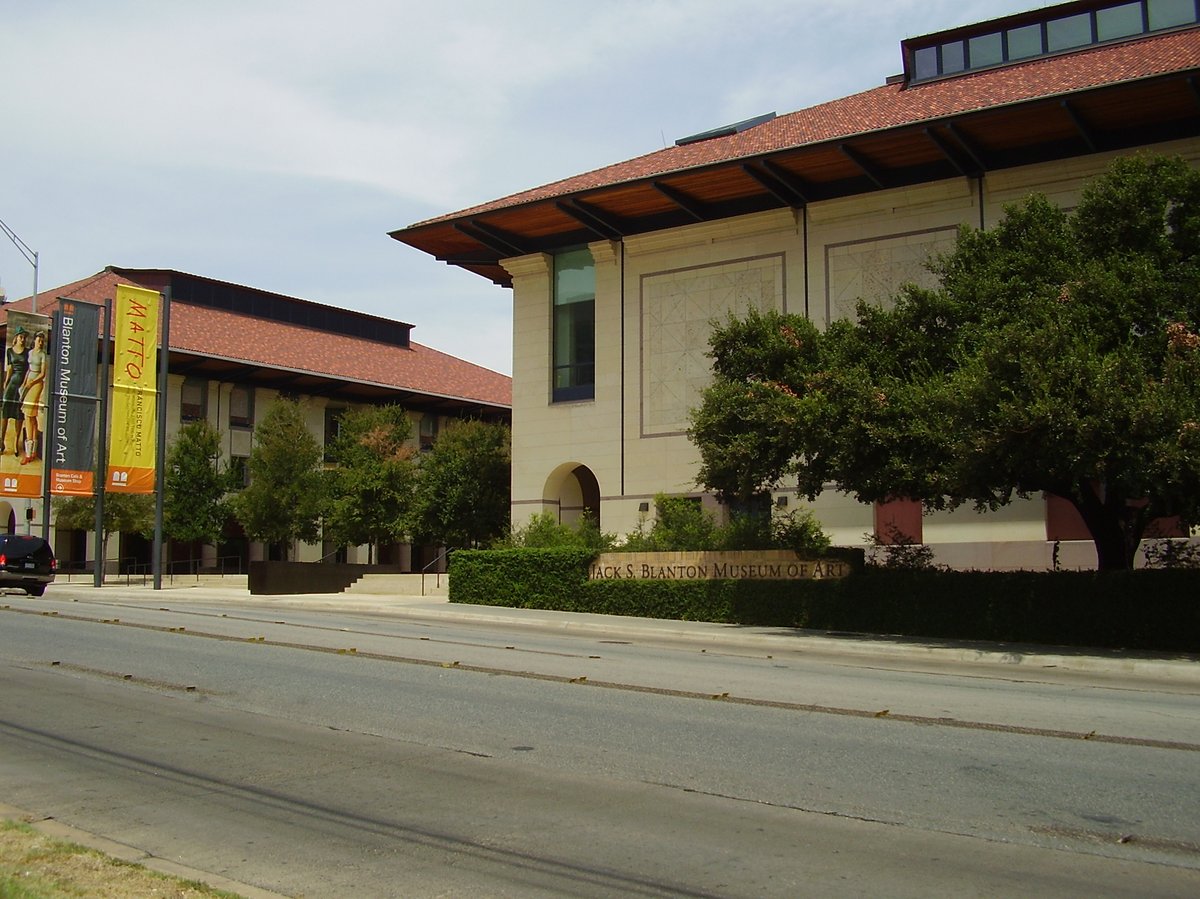
- Blanton Museum of Art
- French Legation Museum
- Historic Hyde Park neighborhood
Folklore and Community Engagement
Oakwood Cemetery is renowned for its folklore, including tales of ghost sightings and 19th-century body snatching for medical study (Ghost City Tours). The site is popular among paranormal enthusiasts, especially during lantern-lit ghost tours. Community groups actively foster public engagement through restoration projects, educational walks, and seasonal events.
Frequently Asked Questions (FAQ)
Q: What are Oakwood Cemetery’s visiting hours?
A: Open daily from 8:00 AM to 7:00 PM. Chapel/Visitor Center: Tuesday–Saturday, 10:00 AM – 4:00 PM.
Q: Is there an admission fee?
A: No, general admission is free. Special tours may require registration or a small fee.
Q: Are guided tours available?
A: Yes, historical and ghost tours are available seasonally; check the calendar for schedules.
Q: Is Oakwood Cemetery accessible for visitors with mobility challenges?
A: Main paths and the visitor center are accessible; golf cart tours are available upon request.
Q: Can I take photographs?
A: Personal photography is allowed; professional shoots may require approval.
Q: Are pets allowed?
A: Only service animals are permitted.
Listen to the full story in the app
The whole Oakwood Cemetery,
told well.
Audio guides for 1,100+ cities across 96 countries. History, stories, and local insight — offline ready.

Verified, and shown.
Researched and written by the Audiala editorial team from historical records, architectural archives, and local expertise.
Researched from Wikidata, Wikipedia & official sources · fact-checked · How we make our guides →