History and Development
Origins and Vision
Austin’s rapid growth and reputation as a music hub highlighted the need for a modern arena. The Frank C. Erwin Jr. Center, built in 1977, could no longer support the demands of major tours and expanding university athletics (CultureMap Austin). The Moody Center was envisioned as a flexible, technologically advanced venue for both UT basketball and world-class entertainment, conceived through a public-private partnership involving the University of Texas, Oak View Group, Live Nation/C3 Presents, and Matthew McConaughey (AustinTexas.org).
Funding and the Moody Foundation
The Moody Foundation’s $130 million donation in 2019 secured naming rights and was the largest gift in UT’s history at the time (KUT). This continued the Foundation’s tradition of supporting Austin’s cultural venues. The arena project, totaling $375 million, combined private investment with university and philanthropic support (Architect Magazine).
Design and Construction
Construction began in December 2019 at 2001 Robert Dedman Drive (UrbanMatter). Gensler’s design features a dramatic cantilevered roof, open concourses, and a 530,000-square-foot footprint (Tribeza). The arena’s layout and artwork, including 16 large-scale Tempo Program murals, reflect Austin’s communal and creative spirit (Gensler).
Architectural and Cultural Significance
Design Philosophy
The Moody Center’s design emphasizes connection—between the indoors and outdoors, the arena and city, and the university and community (ArchDaily). Expansive windows, open lobbies, and the Dell Technologies Plaza foster an inclusive, vibrant environment.
Materiality and Regional Identity
A real wood canopy pays homage to Texas architectural traditions, providing shade and comfort (ArchDaily). The material palette and design harmonize with campus architecture (ATXtoday).
Fan Engagement
With more than 15,000 seats and adaptable layouts, the arena ensures an immersive experience for all events (CSLabez). Multiple entrances streamline crowd flow, and VIP clubs (like the Indeed and Germania Clubs) offer unique, Austin-inspired atmospheres.
Sustainability
The Moody Center targets LEED Gold certification, with highlights including 95% construction waste diversion, significant water and energy savings, and heritage tree preservation (ArchDaily). An innovative cooling system and extensive daylighting further enhance sustainability.
Urban Integration
Red River Street realignment and proximity to transit, bike lanes, and downtown Austin position the Moody Center as a catalyst for urban connectivity and development (ATXtoday).
Visiting the Moody Center: Hours, Tickets, Accessibility
- Visiting Hours The arena opens 1–2 hours before events; non-event access is limited. Guided tours are available by appointment (Moody Center official).
- Tickets Purchase through the Moody Center Box Office or authorized sellers. Options include general admission, reserved seating, concert memberships, and suites (The Tourist Checklist).
- Accessibility ADA-compliant, with accessible seating, restrooms, parking, assistive listening devices, and mobile ticketing (Austin Insider Blog).
Annual Events and Programming
- Concerts Over 45 major concerts annually, featuring artists like Billie Eilish, Phish, and Wu-Tang Clan (Moody Center About).
- Sports Home to UT basketball with 36 games per year; also hosts special sports events (Austin Insider Blog).
- Family & Community Events Disney shows, cultural festivals, graduations, and charity events (Moody Center About).
- Seasonal Programming Events align with Austin’s festival seasons and support local marathons and celebrations (Austin Event Guide).
Getting There and Parking
Located at 2001 Robert Dedman Dr, the Moody Center is accessible by car, public transit, and bike. On-site parking is available; pre-paid passes are recommended for large events (Moody Center Parking). Rideshare and public transit options are also convenient.
Nearby Attractions
- Texas State Capitol Historic tours and beautiful grounds.
- Blanton Museum of Art Renowned art collections.
- South Congress Avenue Eclectic shopping and dining.
- Zilker Metropolitan Park Outdoor recreation.
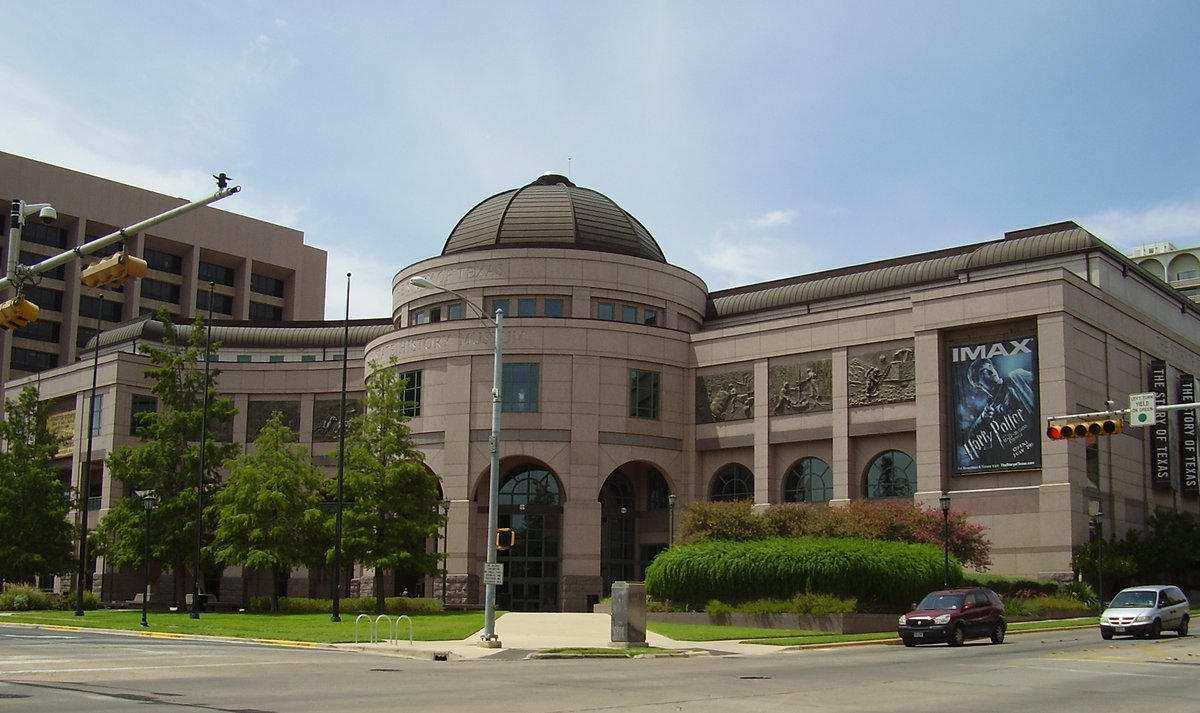
- Austin Historical Museum Local history and culture.
The arena’s terraces and the Dell Technologies Plaza offer striking city and sunset views for photography.
Community Impact
The Moody Center is a catalyst for economic growth and cultural development, supporting local artists and businesses through its programming and philanthropic initiatives (Mount Bonnell Info). Its integration of local food, art, and music ensures a distinctly Austin experience.
Frequently Asked Questions
What are the Moody Center’s visiting hours?
The arena opens 1–2 hours before scheduled events. Non-event access is limited; check the official site for tour availability.
How can I buy Moody Center tickets?
Tickets are available online, at the box office, or through authorized vendors.
Is the Moody Center accessible?
Yes, with ADA-compliant seating, facilities, and services.
Are there guided tours?
Yes, by appointment and during select times.
What are nearby historical attractions?
Texas State Capitol, Blanton Museum of Art, South Congress Avenue, and more.
Discover More
- Purchase tickets Moody Center Box Office
- Check event schedules Moody Center Events
- Download the Audiala app for event notifications and exclusive content.
- Follow on social media for the latest news and special offers.
For real-time updates and visitor tips, review the Moody Center A-Z Guide.
Summary and Final Tips
The Moody Center is a dynamic blend of innovative architecture, cultural programming, and sustainable design, making it a cornerstone of Austin’s entertainment and community landscape. Its commitment to accessibility and environmental stewardship, combined with a diverse event calendar and proximity to Austin’s top historical sites, guarantees a memorable experience. Secure your tickets early, explore the arena’s amenities, and enrich your visit by discovering the surrounding city.