Plan and listen to Main Building with Audiala.
Audio guide in your pocket, itinerary in your browser. Built for the way you actually visit.
Introduction: The Legacy and Symbolism of the UT Tower
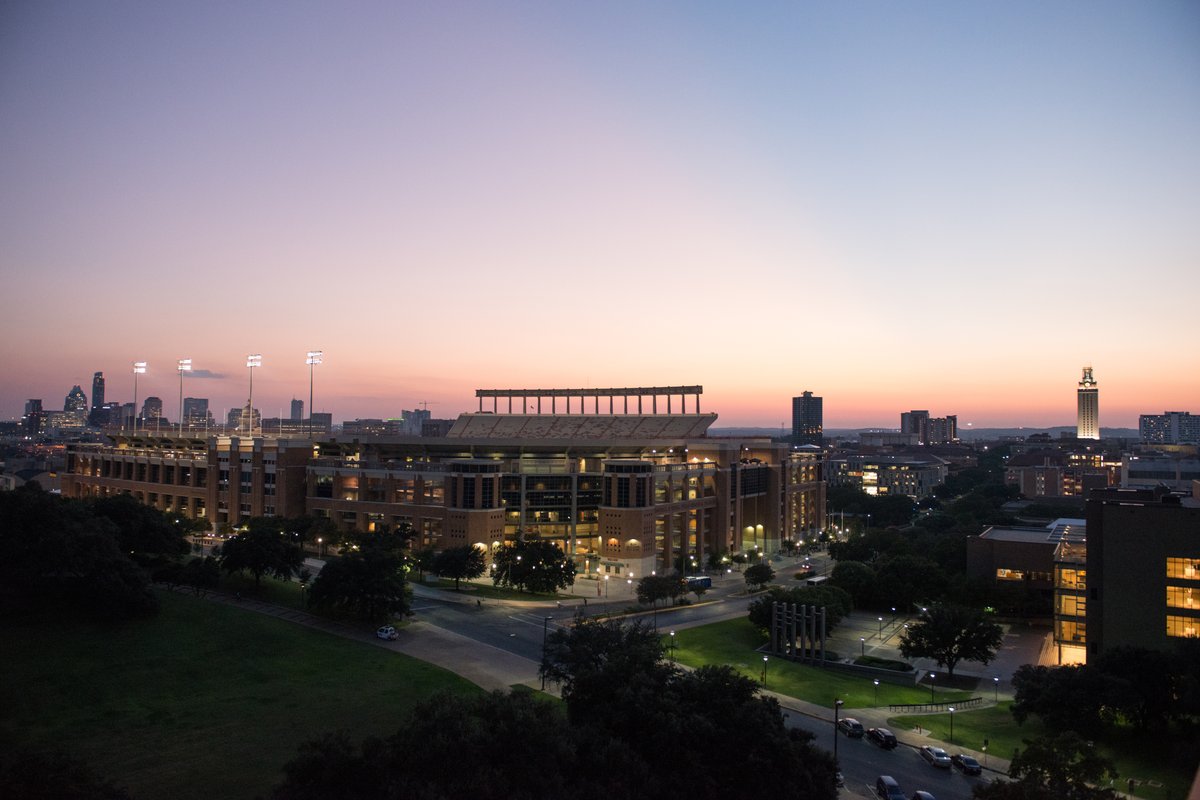
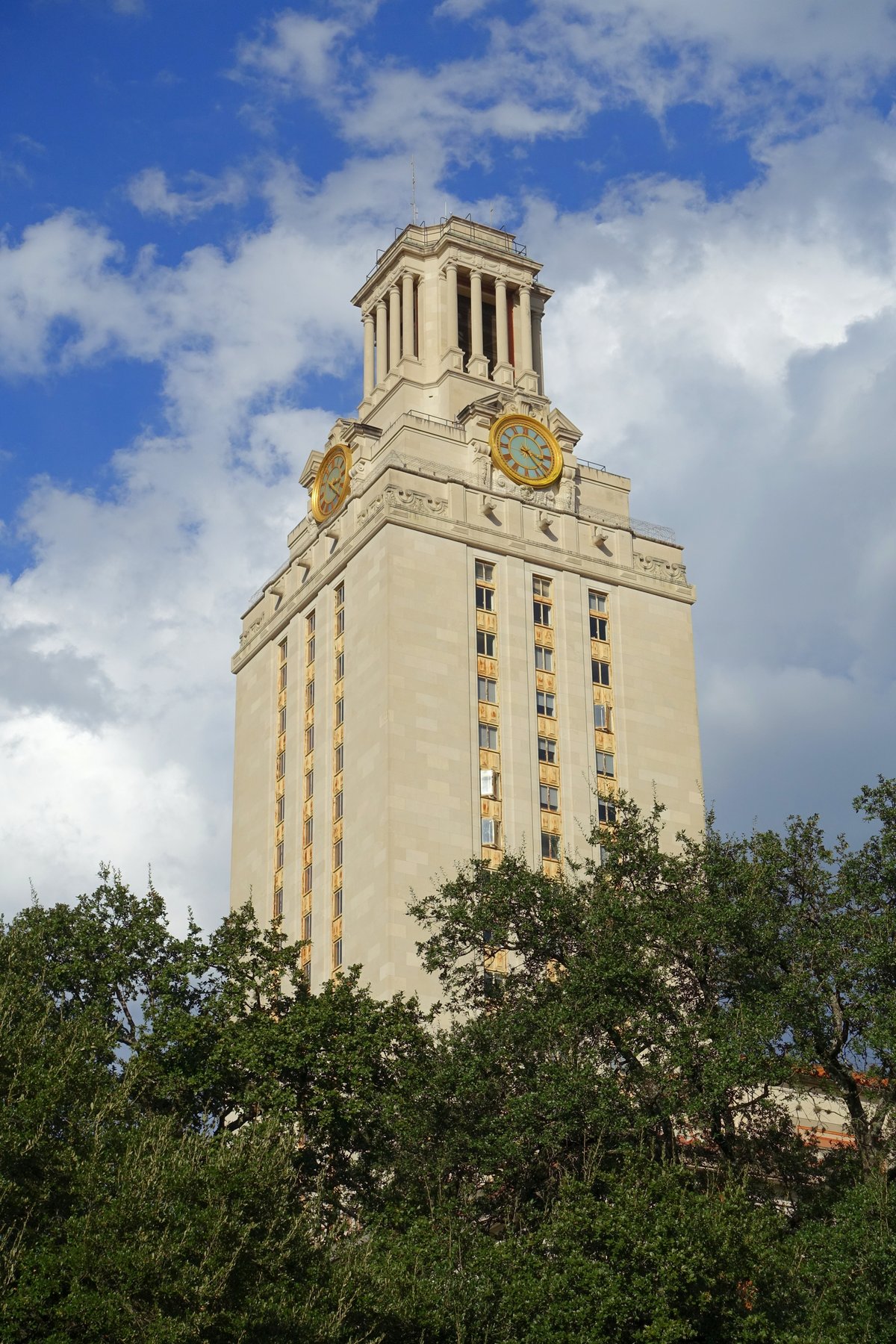
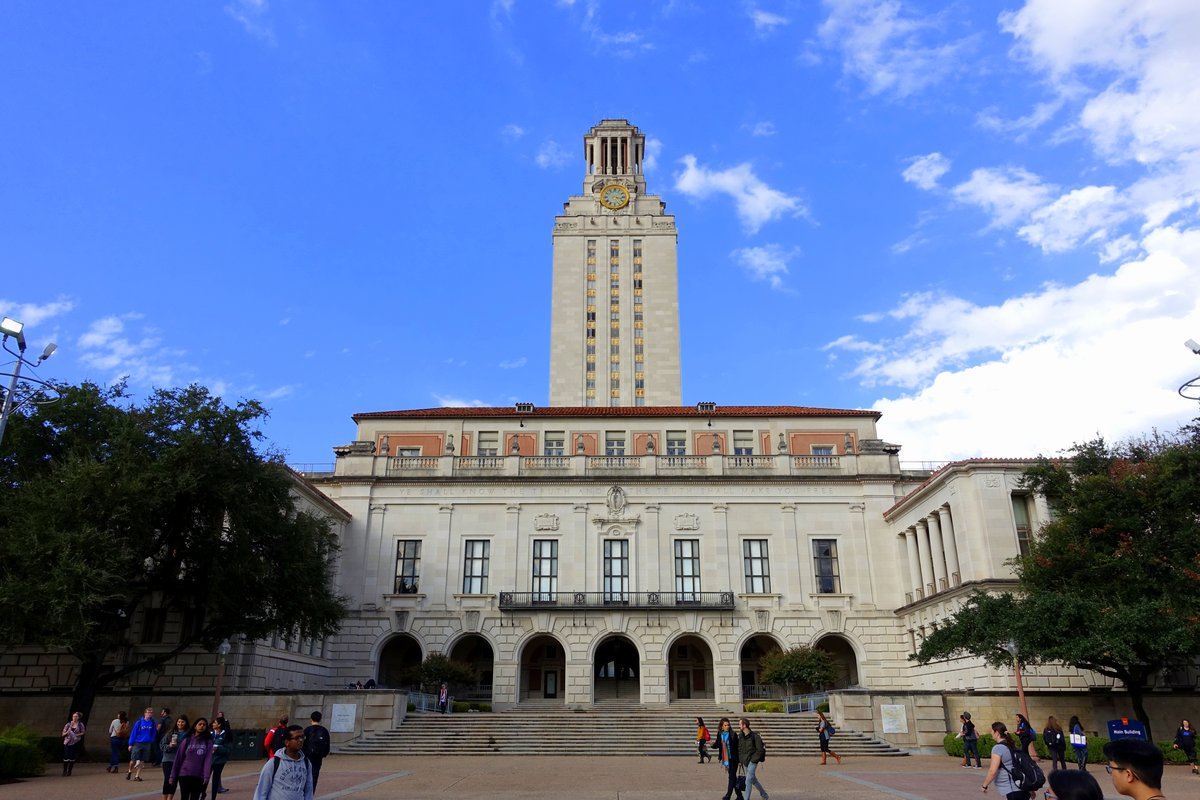
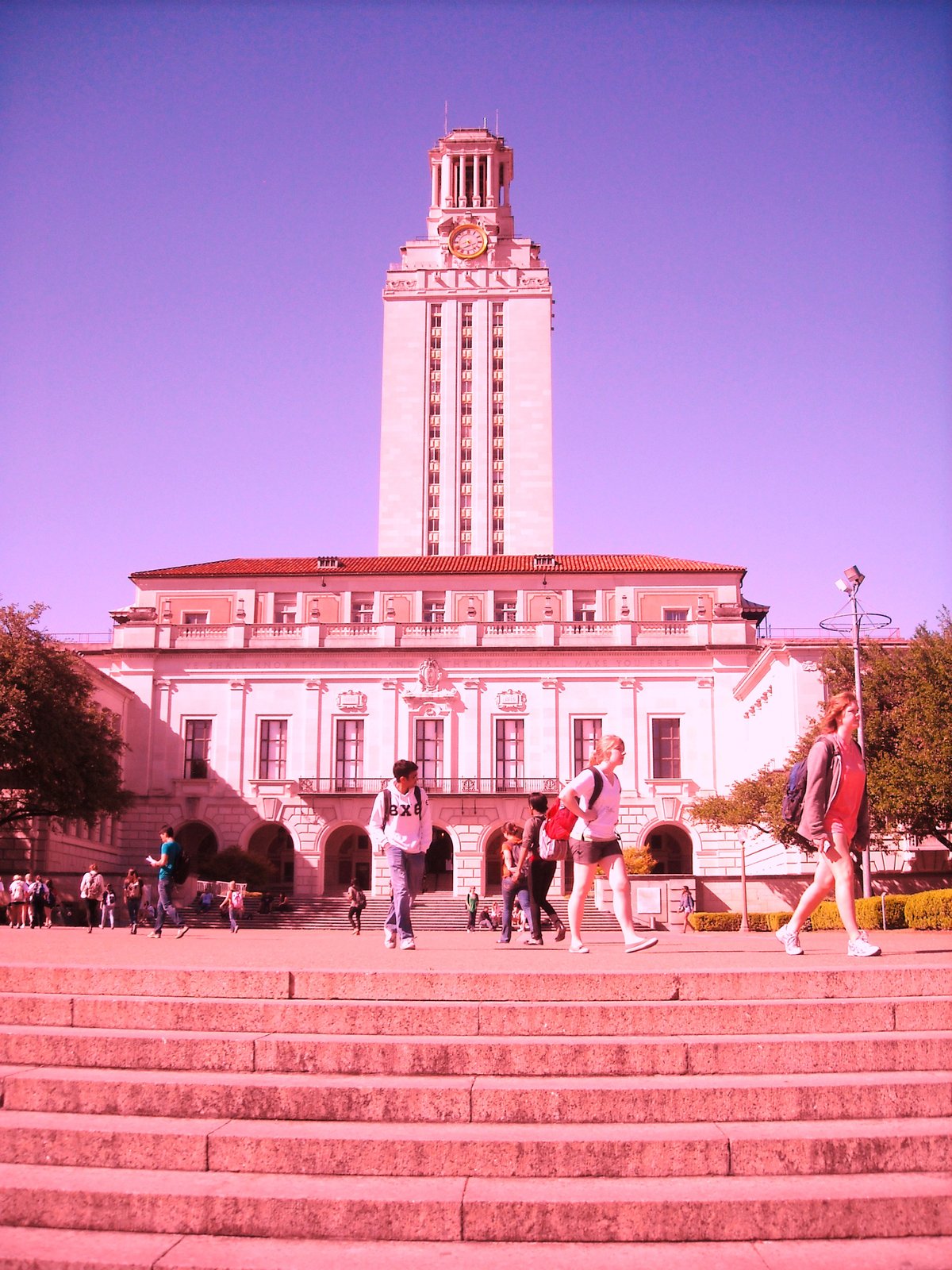
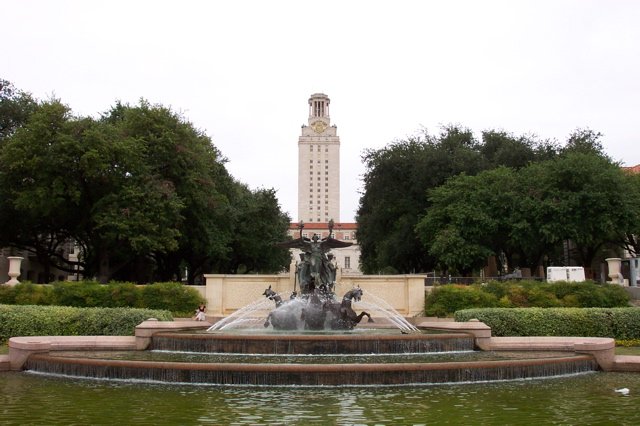
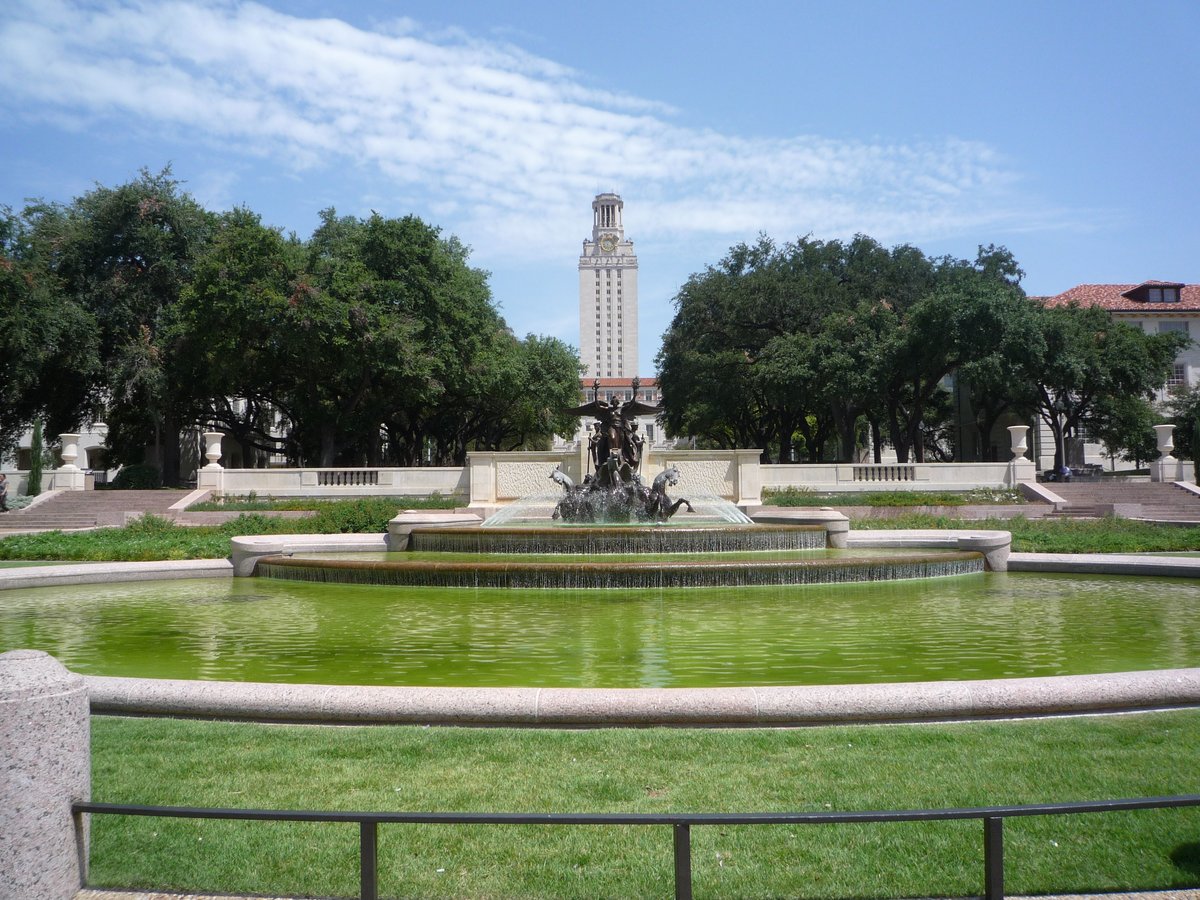
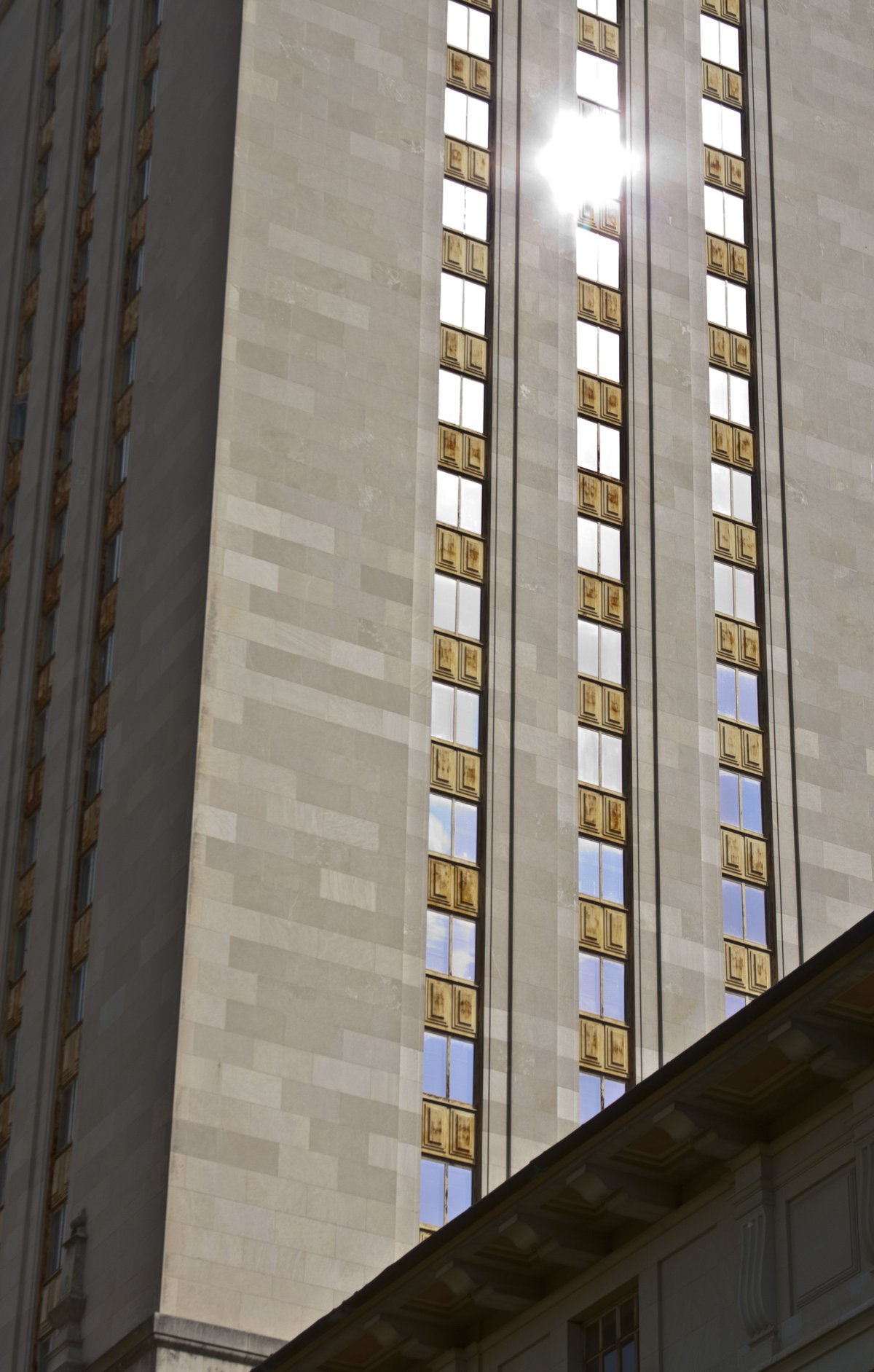
The Main Building and Tower at the University of Texas at Austin—commonly referred to as the UT Tower—stands as a defining feature of both the campus and the Austin skyline. Completed in 1937, this 307-foot Beaux-Arts landmark represents the university’s enduring spirit, academic excellence, and place in Texas history. Designed by acclaimed architect Paul Philippe Cret, the Tower’s limestone façade and iconic presence serve as a testament to the university’s aspirations and Austin’s architectural heritage. Today, the UT Tower is not only a functional administrative hub but also a cultural symbol and a must-see destination for visitors interested in architecture, history, and panoramic city views (UT Austin History, UT Tower History, Jim Nicar: How Texan is the UT Tower?).
Currently, the Tower is undergoing the “Our Tower: The Next 100 Years” restoration initiative, ensuring it remains an enduring symbol for future generations (UT News: Tower Restoration). This comprehensive guide covers the UT Tower’s origins, architecture, visitor experience, practical information, and nearby attractions to help you plan an unforgettable visit.

Early History and Evolution of the Main Building
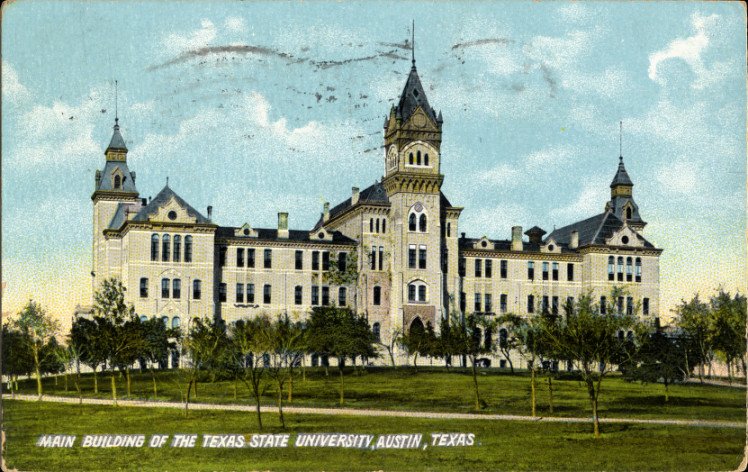
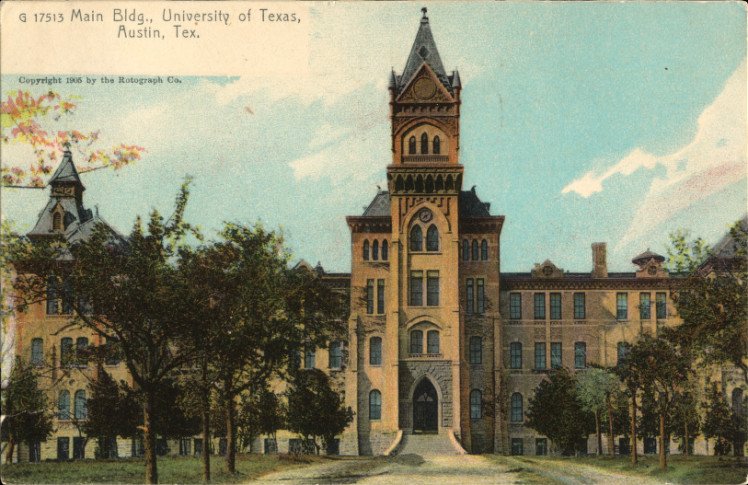
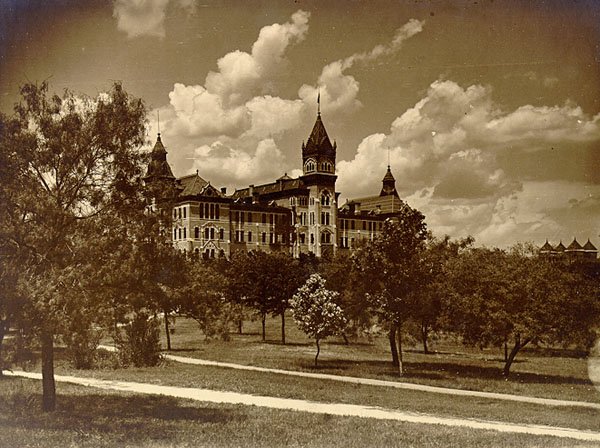
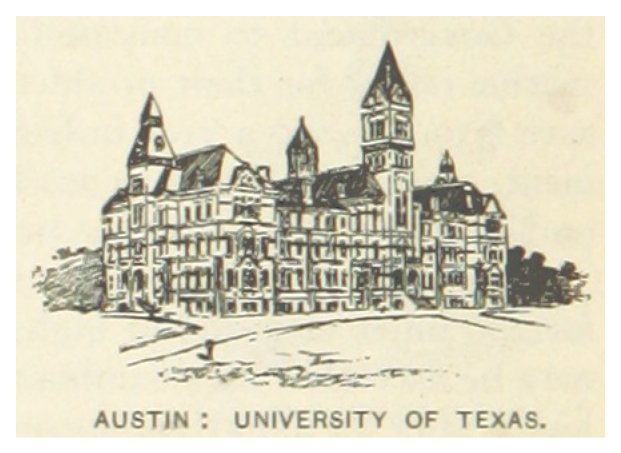
The University of Texas at Austin was founded in 1883. Its initial structure, “Old Main,” designed in Victorian-Gothic style, served as the university’s academic and social hub for over half a century (UT Austin History, Wikipedia: Main Building). By the 1930s, expanding enrollment and the need for a modern library led to plans for a new central building.
The demolition of Old Main in 1934 made way for the current Main Building and Tower. Key architectural elements, such as the chime bells and salvaged bricks, were preserved and repurposed, symbolizing continuity between the university’s past and present (Wikipedia: Main Building).
Architectural Vision and Construction
Paul Philippe Cret’s Design
French-American architect Paul Philippe Cret was commissioned to bring a sense of grandeur and modernity to the new Main Building. Drawing on Beaux-Arts principles, Cret designed the Tower as the campus’s centerpiece, intended to surpass even the Texas State Capitol in stature and prominence (UT Tower History).
Building Details
- Height: 307 feet (94 meters), 27 floors.
- Materials: Texas shell limestone and Magnolia Gray marble from West Texas, with recycled bricks from Old Main used in the interior walls (Jim Nicar: How Texan is the UT Tower?).
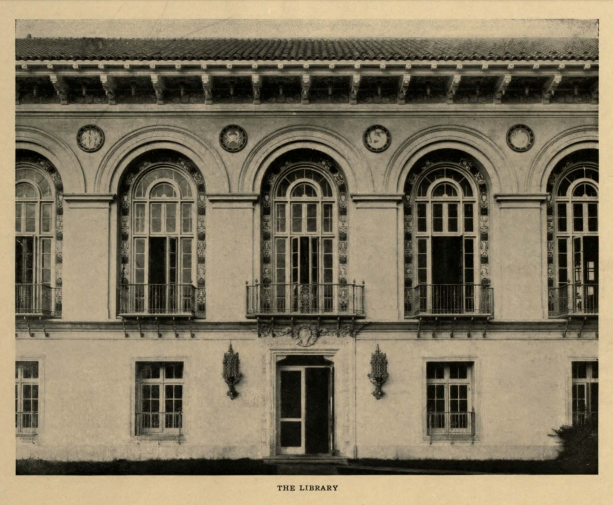
- Function: Originally envisioned as a vertical library with a pneumatic book delivery system, the building now houses administrative offices, the Life Sciences Library, and the Miriam Lutcher Stark Library.
- Engineering: Civil engineer Warren Sylvanus Bellows oversaw construction, ensuring the structure’s resilience and longevity (TexasCE Engineers Behind the Building).
Distinctive Features
- Façade: The building’s base features rusticated limestone, transitioning to smoother stonework and brick above. Carved alphabets and university insignia adorn the exterior.
- Observation Deck: Encircled by a balustrade, the deck offers unparalleled 360-degree views of Austin and the Texas Hill Country (UT Tower Gallery).
- Lighting: Since 1937, lighting schemes—especially the signature burnt orange—celebrate university milestones and solemn occasions (TexasCE Engineers Behind the Building).
Symbolism and University Traditions
The UT Tower’s prominence in Austin’s skyline is matched by its significance in campus life. It serves as the backdrop for major events such as convocation, graduation, football rallies, and cultural gatherings. The Tower’s burnt orange illumination marks athletic victories and academic achievements, fostering a strong sense of pride among students and alumni (UT Austin Family and Visitor Resources).
A carillon of 56 bells atop the Tower rings on special occasions, and the building’s lighting schedule is updated regularly to reflect current celebrations (UT Tower Gallery).
UT Tower Visiting Hours and Tickets
Visiting Hours
- Observation Deck: Open Thursday through Sunday, typically from 10:00 AM to 4:00 PM. Hours may vary during holidays or special events (UT Tower official website).
- Main Building: Open during university business hours; check the website for the latest updates.
Tickets and Reservations
- Admission: Free, but advance reservation is required for all observation deck visits to ensure safety and manage capacity.
- Booking: Reserve tickets online through the University Unions website.
- Guided Tours: Available on select weekends and during special events, tours last approximately 45 minutes and include a brief historical introduction, elevator access, and time on the observation deck.
Visitor Tips and Accessibility
- Accessibility: The Main Building and observation deck are wheelchair accessible via elevators. Service animals are welcome, and visitors needing additional accommodations should notify staff in advance.
- Security: Bags are subject to search, and certain items (large backpacks, tripods, sharp objects) are not permitted for safety reasons.
- Photography: Allowed and encouraged; the observation deck is a favorite spot for cityscape and campus photography.
- Arrival: Arrive at least 15 minutes early for check-in and security screening.
- Best Times to Visit: Early mornings or late afternoons offer optimal lighting and fewer crowds. Lighting events and carillon performances provide a memorable experience.
Nearby Austin Historical Sites
Enhance your visit by exploring these neighboring attractions:
- Texas State Capitol: Just a short walk from campus, an architectural and political landmark (Austin Visitor Center).
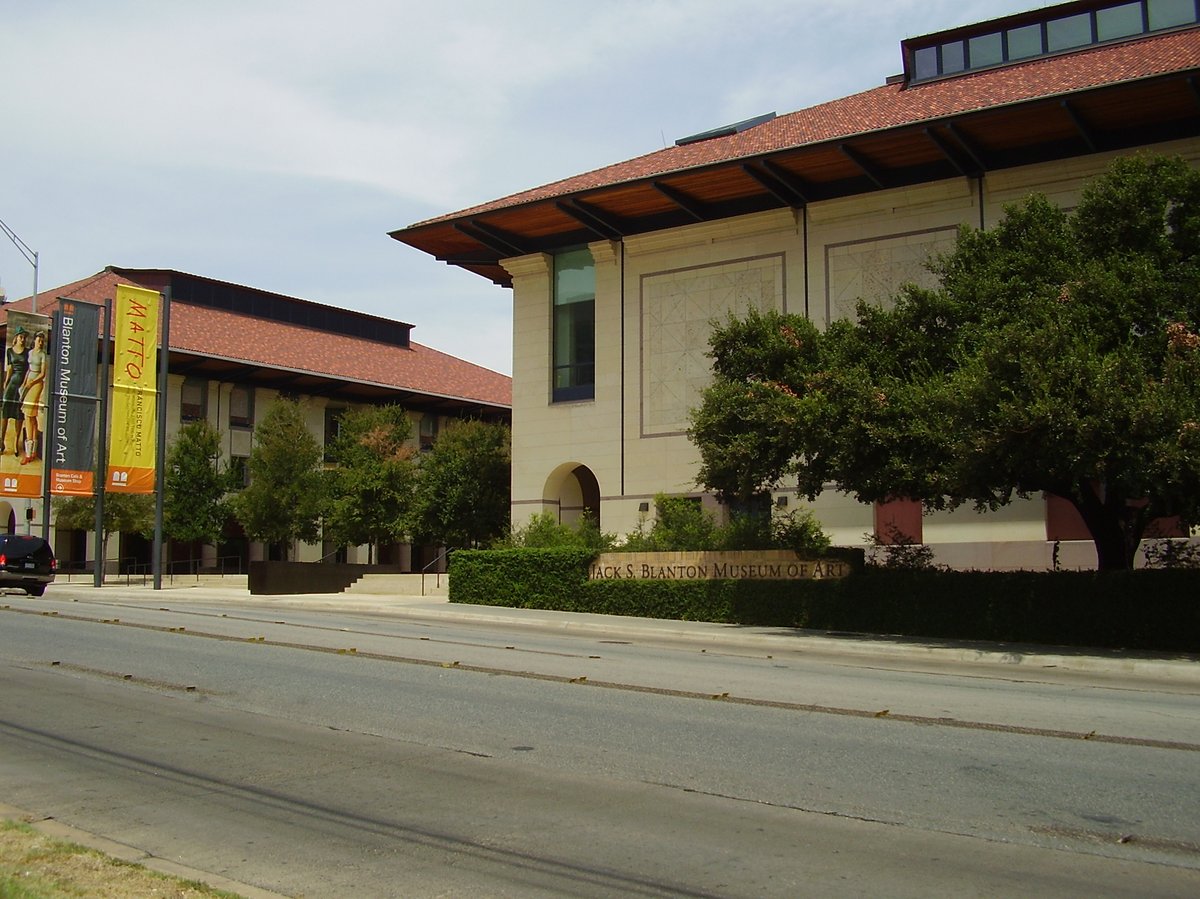
- Blanton Museum of Art: Renowned for its diverse collections.
- LBJ Presidential Library: Showcasing presidential history and archives.
- The Drag (Guadalupe Street): Lined with shops, restaurants, and campus stores.
- Harry Ransom Center: Home to rare manuscripts and cultural treasures.
Preservation and Modern Restoration
The “Our Tower: The Next 100 Years” initiative is a $70 million project dedicated to restoring and updating the Main Building and Tower. This includes:
- Restoring the limestone exterior and structural features.
- Upgrading interiors for improved accessibility and visitor experience.
- Enhancing safety and integrating new technologies.
- Maintaining the lighting, clock, and carillon for future generations (UT News: Tower Restoration).
Frequently Asked Questions (FAQs)
Q: What are the UT Tower visiting hours?
A: Typically Thursday through Sunday, 10:00 AM to 4:00 PM. Check the official website for updates.
Q: Do I need tickets for the observation deck?
A: Yes, tickets are free but must be reserved online in advance (University Unions website).
Q: Is the Tower accessible for visitors with disabilities?
A: Yes, elevators and accessible entrances are provided.
Q: Are guided tours available?
A: Yes, guided tours are offered on select dates and must be booked online.
Q: Can I take photos inside the Tower?
A: Yes, photography is encouraged on the observation deck and throughout public areas.
Q: What other Austin historical sites are nearby?
A: The Texas State Capitol, LBJ Presidential Library, and Blanton Museum of Art are all within walking distance.
Listen to the full story in the app
The whole Main Building,
told well.
Audio guides for 1,100+ cities across 96 countries. History, stories, and local insight — offline ready.
Verified, and shown.
Researched and written by the Audiala editorial team from historical records, architectural archives, and local expertise.
Researched from Wikidata, Wikipedia & official sources · fact-checked · How we make our guides →