Plan and listen to Lake Austin with Audiala.
Audio guide in your pocket, itinerary in your browser. Built for the way you actually visit.
Introduction
Lake Austin, a picturesque reservoir winding through the heart of Austin, Texas, is much more than a body of water. It is a living testament to the city’s historical evolution, innovative spirit, and dynamic outdoor culture. Created through ambitious engineering projects spanning over a century, Lake Austin now stands as a vibrant recreational hub and a cherished landmark that connects Austin’s past with its present. This comprehensive guide covers everything you need to know about visiting Lake Austin—from historical context and engineering milestones to practical tips on visiting hours, ticketing, accessibility, and nearby attractions.
For authoritative updates and detailed resources, consult the Austin Energy history page, the Lower Colorado River Authority (LCRA), and City of Austin Parks and Recreation.


Historical Development and Engineering Legacy
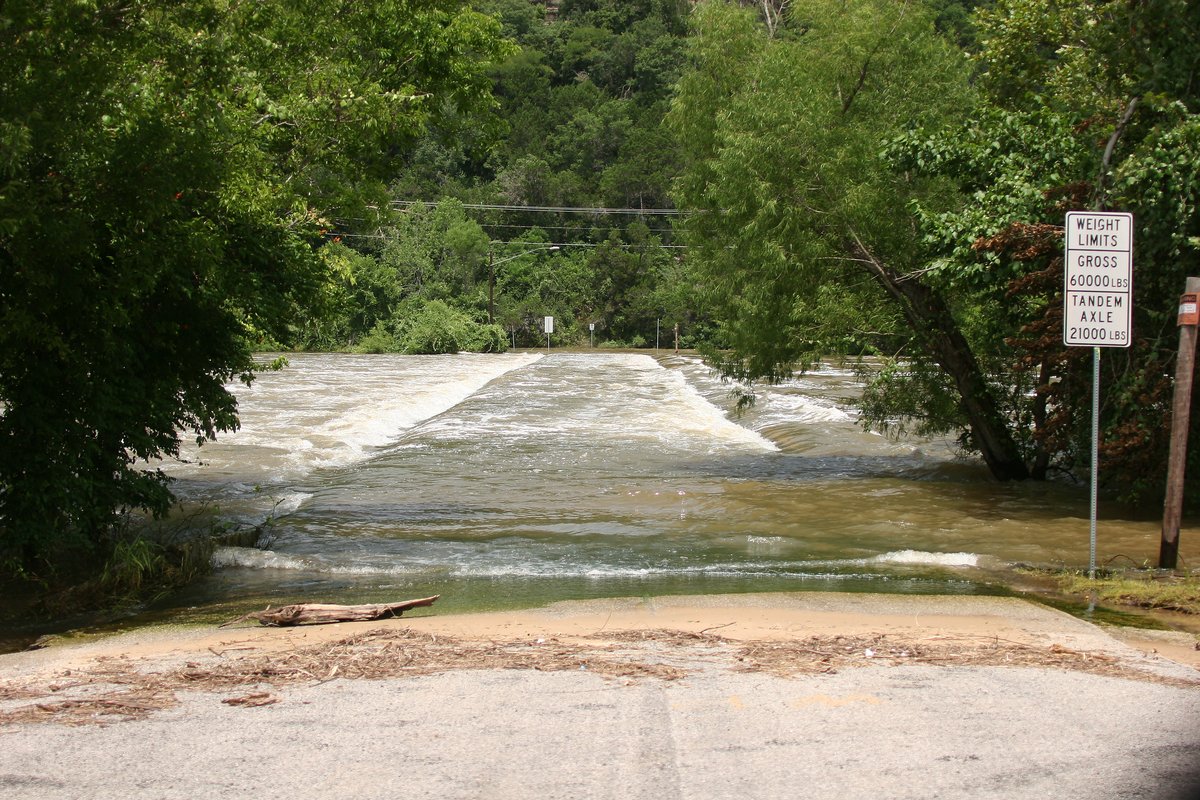
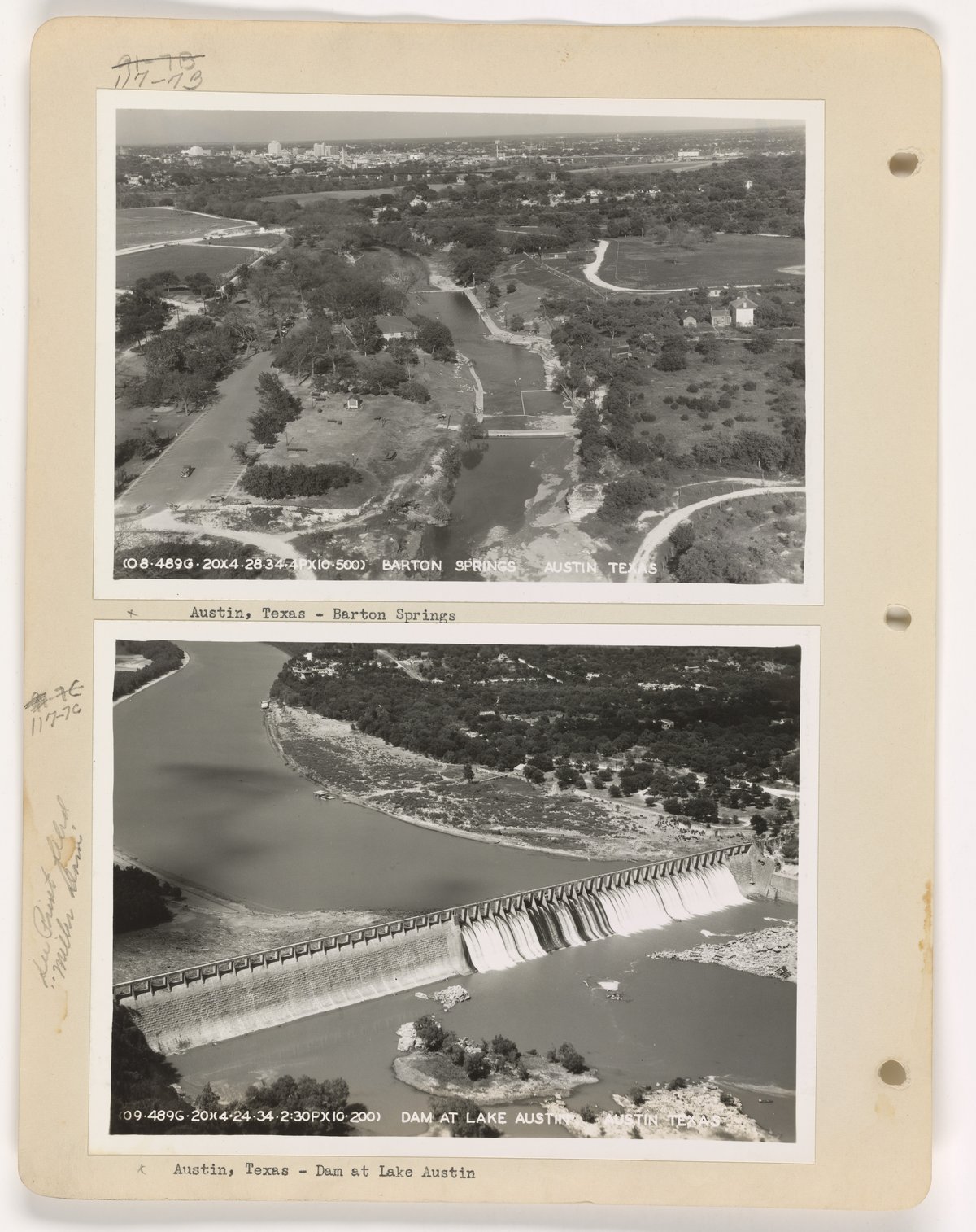
Lake Austin’s story begins in the late 19th century, when Austinites sought to secure reliable water and electricity. The original Austin Dam, completed in 1893, was a marvel for its era but faced repeated destruction due to flooding (Austin Energy). These setbacks highlighted both the unpredictable nature of the Colorado River and the technical challenges of early dam construction.
The modern Lake Austin emerged with the completion of the Tom Miller Dam in 1939 by the Lower Colorado River Authority (LCRA), ensuring stable water levels, hydroelectric generation, and improved flood control. The lake became a central piece in Austin’s Highland Lakes system, which includes Lake Travis upstream and Lady Bird Lake downstream (Wikipedia). This system plays a vital role in regional water management, supporting both urban growth and agricultural needs.
Lake Austin’s Urban and Cultural Significance
From its inception, Lake Austin has influenced the city’s growth and identity. The lake’s scenic shores attracted parks, trails, and residential neighborhoods, fostering a unique blend of natural beauty and urban vibrancy. Community-driven beautification efforts, led by figures like Lady Bird Johnson, transformed the lakeshores into green, inviting spaces that bolstered downtown Austin’s revival (Austin Energy).
Historic districts such as Bouldin Creek and Old West Austin flourished nearby, offering a mix of architectural heritage and lively community life (Mount Bonnell Info). The proximity to downtown and the University of Texas campus makes Lake Austin a focal point for culture, leisure, and social gatherings.
Environmental Stewardship and Water Management
Lake Austin’s health is carefully managed to maintain water quality, ecological balance, and recreational value. The Tom Miller Dam regulates water levels—reportedly 96.6% full as of June 2025 (Water Data for Texas). The lake supports diverse wildlife, including largemouth bass, catfish, and migratory birds. Environmental initiatives focus on shoreline restoration, invasive species management, and public education to ensure sustainable enjoyment for future generations.
Visiting Information: Hours, Tickets, Accessibility, and Tips
Visiting Hours
- General Access: Lake Austin is accessible year-round. Most public parks and access points are open from dawn to dusk (typically 6 a.m. to 10 p.m.), though hours may vary, so check individual park websites before visiting.
Tickets and Entry
- Lake Access: Free at most public areas.
- Parking: Some parks, such as Emma Long Metropolitan Park, charge a $5–$10 parking fee per vehicle.
- Boat Ramps: Certain launch sites may require permits or fees. Check with the City of Austin or LCRA.
- Fishing: A valid Texas fishing license is required for anglers aged 17+.
Accessibility
- Many parks and trails offer accessible restrooms, picnic areas, and paved paths.
- Boat rental providers may offer adaptive equipment; contact them in advance to confirm arrangements.
Travel Tips
- Arrive early on weekends and holidays for parking.
- Bring water, sunscreen, and suitable footwear.
- Use rideshares or carpool when possible to ease congestion.
- Check weather and water conditions before visiting, especially during storm or flood season.
Nearby Attractions and Austin Historical Sites
- Zilker Metropolitan Park: Trails, gardens, and the gateway to Barton Springs.
- Mount Bonnell: Iconic overlook with panoramic views (Mount Bonnell Info).
- Laguna Gloria: Historic villa and sculpture park (Austin Insider Blog).
- Pennybacker (360) Bridge: Renowned photo spot with hiking access.
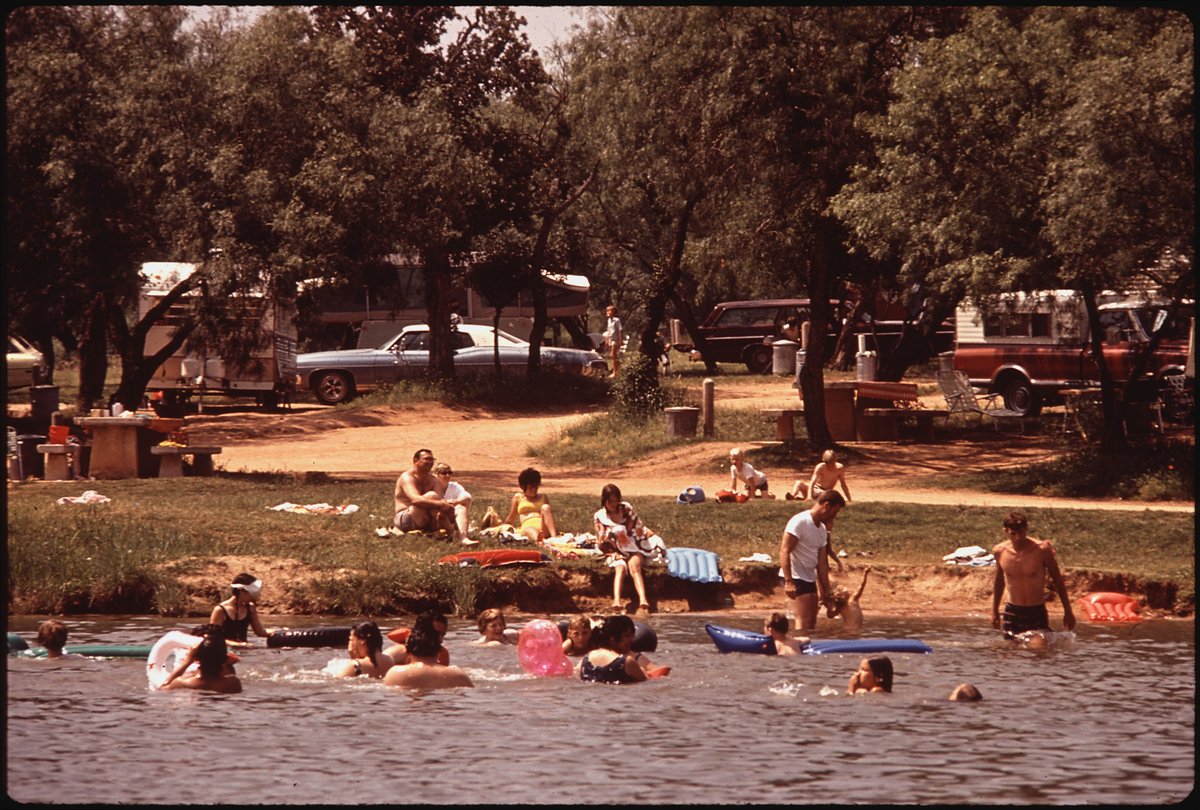
- Emma Long Metropolitan Park: Camping, swimming, and hiking.
- Nearby Downtown Austin: Explore the Paramount Theatre, Driskill Hotel, and museums.
Special Events and Tours
Lake Austin hosts community festivals, boating events, and outdoor concerts throughout the year. Guided kayak, paddleboard, and boat tours offer insights into the lake’s ecology and history (GetYourGuide). Check city event calendars and official websites for current schedules.
Top Photo Spots
- Pennybacker Bridge (360 Bridge): Dramatic views at sunrise/sunset.
- Mount Bonnell: Sweeping panoramas of the lake and city.
- Laguna Gloria: Beautiful gardens and lakeside art.
- Emma Long Park shoreline: Ideal for family and landscape shots.
Frequently Asked Questions (FAQ)
Q: What are Lake Austin’s visiting hours?
A: Most public parks and access points are open from dawn to dusk (6 a.m. to 10 p.m.), with some variation by location.
Q: Are there entrance fees or ticket requirements?
A: General lake access is free. Parking fees or permits may apply at certain parks and boat ramps. Fishing requires a Texas license.
Q: Can I rent boats or kayaks at Lake Austin?
A: Yes, several companies offer rentals and guided tours. Advance reservations are recommended on weekends.
Q: Is Lake Austin accessible for people with disabilities?
A: Many parks and some boat rentals are accessible; check individual providers for details.
Q: Where can I find updates on water levels or conditions?
A: Visit Water Data for Texas and LCRA.
Tickets & tours.
These are guided options from our partners — same price as booking direct.
Prices are indicative — final pricing and availability are confirmed at checkout. Audiala may earn a commission from bookings made through these links.
Listen to the full story in the app
The whole Lake Austin,
told well.
Audio guides for 1,100+ cities across 96 countries. History, stories, and local insight — offline ready.
Verified, and shown.
Researched and written by the Audiala editorial team from historical records, architectural archives, and local expertise.
Researched from Wikidata, Wikipedia & official sources · fact-checked · How we make our guides →