Plan and listen to J.W. & Cornelia Rice Scarbrough House with Audiala.
Audio guide in your pocket, itinerary in your browser. Built for the way you actually visit.
Introduction
Nestled in Austin’s historic Judges Hill neighborhood, the J.W. & Cornelia Rice Scarbrough House stands as a testament to early 20th-century elegance and civic influence. A masterwork of Classical Revival architecture, this landmark not only reflects the aspirations of the Scarbrough family—prominent figures in Austin’s commercial and social spheres—but also provides a tangible link to the city’s transformation from a frontier town to a thriving urban center. This guide offers comprehensive information on visiting hours, ticketing, accessibility, special events, and the unique historical context of the Scarbrough House, ensuring you have all you need to plan a memorable visit (Preservation Austin, Texas Historical Commission).
Origins and Construction
Commissioned by John William (J.W.) Scarbrough—a visionary businessman behind one of Austin’s earliest department stores—and his wife Cornelia Rice Scarbrough, the house was completed in 1901 at 1803 Rio Grande Street. Designed by the esteemed architect Herbert M. Greene, the residence was situated in the Judges Hill District, quickly becoming a centerpiece among Austin’s prominent homes of the era (Austin History Center, Texas Historical Commission).
Architectural Features and Style
The Scarbrough House exemplifies Classical Revival architecture, with a stately two-story brick and limestone façade. Its most striking features include a grand portico with Ionic columns, high ceilings, and preserved stained glass windows. Inside, intricate woodwork, original fixtures, and formal parlors highlight the era’s craftsmanship and attention to detail. The house’s spatial organization reflects the social norms of the time, with grand entertaining spaces and carefully preserved period furnishings (Preservation Austin).
The Scarbrough Family and Their Legacy
J.W. Scarbrough’s role as a pioneering retailer—introducing electric lighting and elevators to Austin’s retail scene—cemented the family’s influence. Cornelia Rice Scarbrough was renowned for her civic engagement and hospitality, with the house frequently serving as a venue for gatherings of Texas’s social and political elite. Their legacy is woven into Austin’s fabric, extending from business innovation to philanthropy (Austin American-Statesman).
Historical Significance and Preservation
Recognized on the National Register of Historic Places, the Scarbrough House holds both architectural and social significance. As a Recorded Texas Historic Landmark and a contributing property within the Judges Hill Historic District, the house has benefited from numerous preservation efforts. These initiatives—led by local organizations and the City of Austin—focus on maintaining original materials and design elements, ensuring authenticity for future generations (National Park Service, Preservation Texas).
Urban Development and Neighborhood Context
The construction of the Scarbrough House marked a period of growth in Austin, with Judges Hill emerging as a neighborhood for the city’s business and civic leaders. The house’s prominent placement contributed to the area’s prestige. Despite Austin’s rapid urbanization, the Scarbrough House continues to serve as a tangible link to the city’s early 20th-century identity (Austin Historic Landmark Commission).
Notable Events and Occupants
The house has played host to prominent guests, including Texas governors and civic leaders, and has been used for social, political, and cultural gatherings. In recent years, it has also accommodated office spaces for local organizations, demonstrating adaptive reuse while preserving its historic integrity (Austin Chronicle).
Visitor Information
Visiting Hours & Tickets
- Guided Tours: Typically available on select weekends, 10:00 AM to 4:00 PM. Schedules may vary for holidays and special events. Refer to the Judges Hill Neighborhood Association or Preservation Austin for up-to-date hours.
- Tickets: Guided interior tours require advance purchase; general admission is $10 for adults, $5 for seniors and students, with free entry for children under 12. Some exterior self-guided viewing may be available free of charge.
- Group Bookings: Private events and group tours are available by arrangement.
Accessibility
The house is wheelchair accessible on the main level, with ramps and elevators installed during restoration. Some upper floors may have limited access due to the historic structure. Notify organizers in advance for special accommodations.
Special Events
The Scarbrough House hosts lectures, art exhibitions, and community events throughout the year. Check the Preservation Austin events calendar for details.
Nearby Attractions
Enhance your visit by exploring these Austin landmarks:
- Texas State Capitol
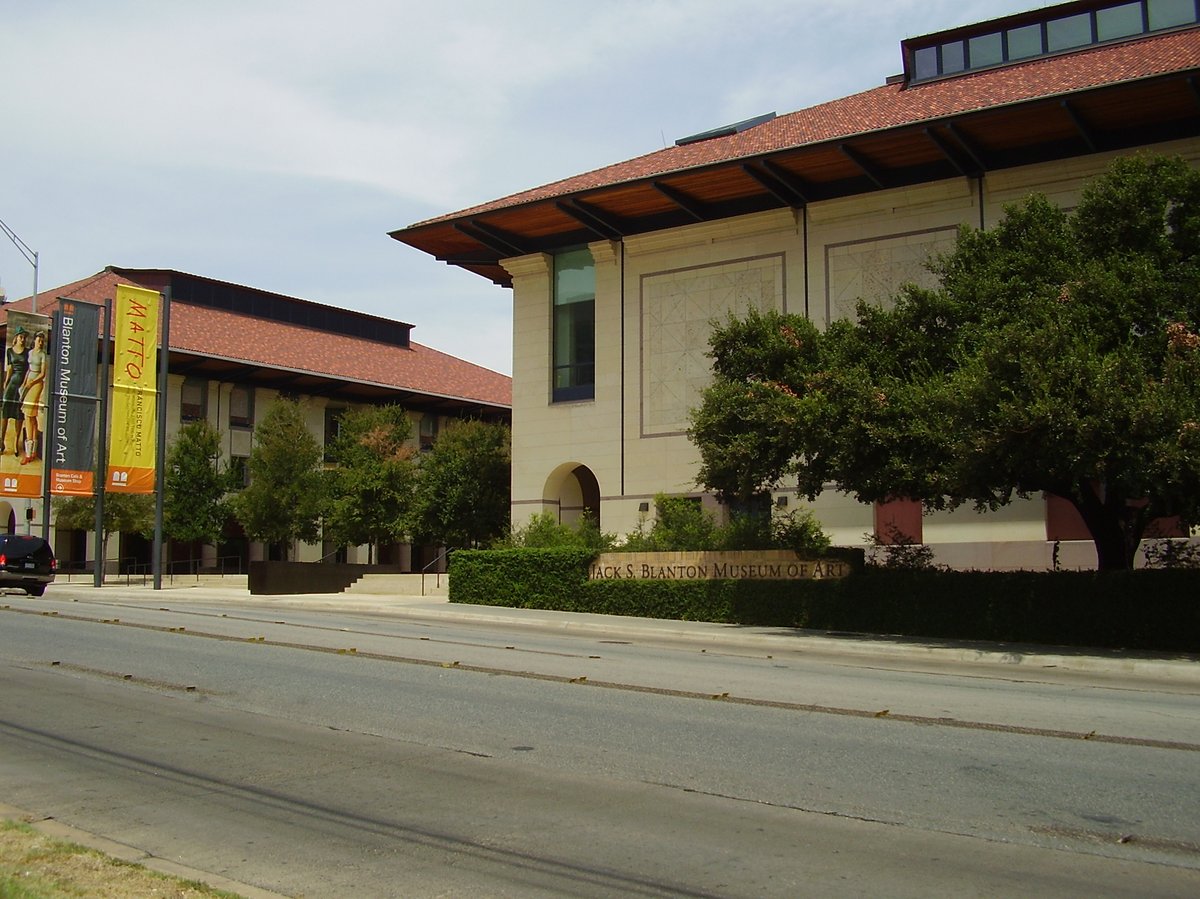
- Blanton Museum of Art
- LBJ Presidential Library
- Austin Public Library
- South Congress Avenue
- Neill-Cochran House Museum
- Driskill Hotel
Visuals and Media
High-resolution images and virtual tours are available via Preservation Austin and other heritage platforms. Visual highlights include the grand Ionic columns, stained glass windows, and period interiors. Photographs are permitted during tours (without flash or tripods) to preserve historic artifacts.
Frequently Asked Questions (FAQ)
-
Can I tour the interior of the Scarbrough House?
Yes, with advance ticket purchase during guided tour hours. Some events and open house days also provide interior access. -
Is the house wheelchair accessible?
The main entrance and first floor are accessible; upper floors may be restricted. -
Are pets allowed?
Only service animals are permitted inside. -
Can I take photos?
Yes, photography is allowed in most areas, but restrictions may apply to protect artifacts. -
Is parking available?
Limited parking is available in the Judges Hill neighborhood; rideshare or public transit is recommended.
Listen to the full story in the app
The whole J.W. & Cornelia Rice Scarbrough House,
told well.
Audio guides for 1,100+ cities across 96 countries. History, stories, and local insight — offline ready.

Verified, and shown.
Researched and written by the Audiala editorial team from historical records, architectural archives, and local expertise.
& Cornelia Rice Scarbrough House: Hours, Tickets, and Historical Insights in Austin, 2025, Preservation Austin
& Cornelia Rice Scarbrough House Visiting Hours, Tickets, and Tour Guide in Austin, TX, 2025, Preservation Austin
Researched from Wikidata, Wikipedia & official sources · fact-checked · How we make our guides →