Plan and listen to James M. And Leana B. Walsh House with Audiala.
Audio guide in your pocket, itinerary in your browser. Built for the way you actually visit.
Introduction
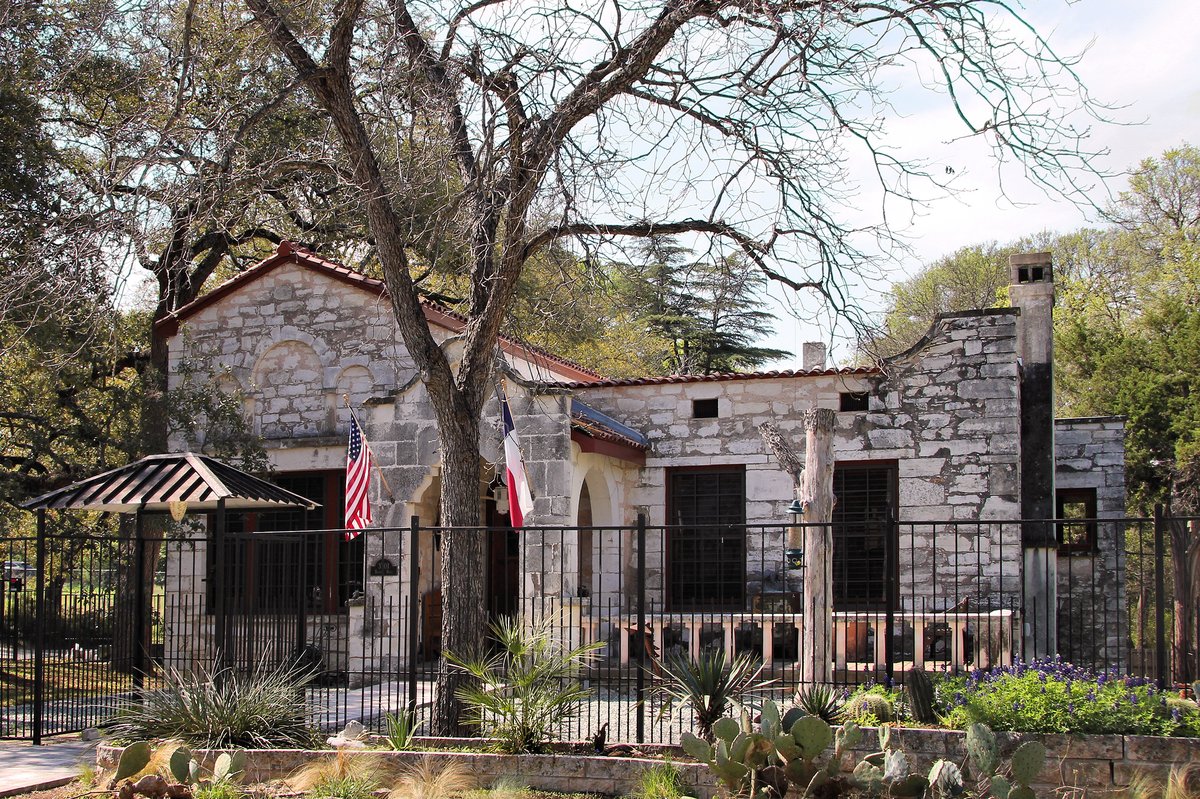
The James M. and Leana B. Walsh House is a celebrated historical landmark in Austin, Texas. Located in the esteemed Tarrytown neighborhood, this private residence is renowned for its distinctive architecture and the cultural legacy it represents. While interior tours are not available, visitors can appreciate its exterior beauty and explore the surrounding historic neighborhoods. This comprehensive guide details the house’s significance, visitor information, travel tips, and nearby attractions to help you make the most of your Austin heritage experience.

History and Cultural Significance
Built in the early 20th century, the James M. and Leana B. Walsh House captures a formative era of Austin’s urban development. The Walsh family, prominent figures in local civic life, built their home as Austin expanded westward, and their residence has become a symbol of the city’s growth and evolving architectural tastes. The house is listed on the National Register of Historic Places (NRHP Reference No. 13001160), underlining its importance to both local and national heritage.
Tarrytown, the neighborhood surrounding the Walsh House, is noted for its tree-lined streets, historic homes, and a tranquil atmosphere that has attracted notable residents over the decades. The area’s blend of architectural elegance and community spirit makes it one of Austin’s most desirable and historically rich districts (Erin’s Travel Tips).
Architectural Style and Features
The Walsh House is an outstanding example of early 20th-century architectural eclecticism, blending elements from the Craftsman, Prairie School, Texas Vernacular, and Mission Revival styles:
- Craftsman Details: Wide porches, low-pitched rooflines, exposed rafters, and the use of natural materials such as wood and local limestone.
- Prairie School Elements: Strong horizontal lines and broad eaves, echoing the American architectural movement led by Frank Lloyd Wright.
- Mission Revival Influence: Stucco exterior, red-tiled roof, and arched windows and doors, evoking the historic Spanish missions of the Southwest.
- Texas Vernacular: Adaptations for local climate, including shaded porches and stone facades.
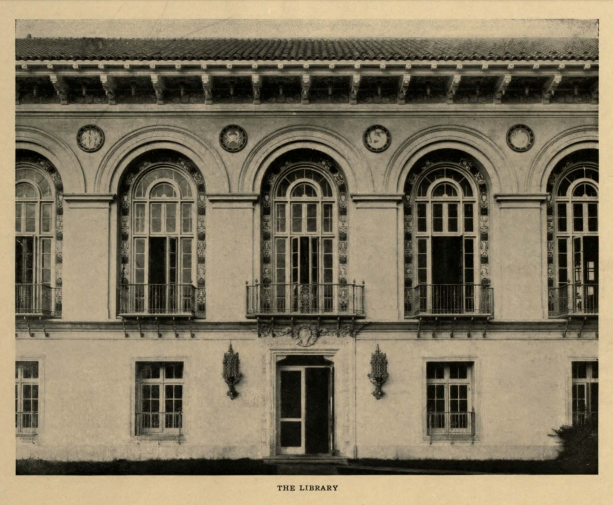
Though the interior is not open to the public, historical records and photographs highlight original hardwood built-ins, stained glass windows, and period tilework around the central fireplace (Wikimedia Commons).
Visiting Information: Hours, Tickets, and Accessibility
Visiting Hours and Tickets
- Public Access: The Walsh House is a private residence and does not offer regular public tours or interior access.
- Viewing: Visitors are welcome to view and photograph the exterior from public sidewalks during daylight hours. There are no official ticket sales or set visiting hours.
- Special Events: Occasionally, local preservation groups may offer guided walking tours that include the Walsh House as part of a broader neighborhood tour (Austin Visitor Center).
Accessibility
- Physical Access: Sidewalks in Tarrytown are generally well-maintained and suitable for wheelchairs, though some may be uneven or sloped.
- Parking: Limited street parking is available in the vicinity; please observe posted regulations and respect residents’ driveways.
- Public Transit: Capital Metro bus routes serve the area, and the Austin Visitor Center can assist with route planning.
Travel Tips and Etiquette
- Respect Privacy: The Walsh House is an occupied private property—do not enter the grounds or attempt to photograph interiors through windows.
- Noise: Maintain a quiet presence and avoid disrupting the neighborhood’s residential atmosphere.
- Photography: Exterior photography is permitted from public spaces. Avoid intrusive or commercial photography without permission.
- Dress and Comfort: Wear comfortable shoes and dress appropriately for the weather, especially if walking in the neighborhood.
- Amenities: No public restrooms or visitor facilities are available at the house; restrooms can be found at nearby parks and boat landings.
Guided Tours and Nearby Attractions
Although direct tours of the Walsh House are not available, several options allow you to explore Austin’s architectural heritage:
- AO Tours Austin: Offers architecture-focused tours that may include Tarrytown and other historic neighborhoods (AO Tours Austin).
- Austin Detours: Provides private and public tours departing from the Austin Visitor Center (Austin Detours).
- Austin Visitor Center: Helpful for maps, brochures, and recommendations (Austin Visitor Center).
Nearby Attractions
- Sweetbrush and Donnan-Hill House: Historic residences nearby, showcasing early 20th-century styles.
- Laguna Gloria: A historic villa and art museum on Lake Austin (Erin’s Travel Tips).
- Mayfield Park & Nature Preserve: Public park with gardens, peacocks, and a historic cottage.
- Walsh Boat Landing: Waterfront park with scenic views and dining options, including Mozart’s Coffee Roasters and Hula Hut.
- Texas Governor’s Mansion, Neill-Cochran House Museum, Zilker Park, and Barton Springs Pool: Not far from Tarrytown, offering a range of historical and recreational experiences.
Dining
- Spread & Co: Local café popular for picnics (closed Mondays and Tuesdays).
- Oyster Landing: Features lakeside restaurants with diverse cuisines (Erin’s Travel Tips).
Frequently Asked Questions (FAQ)
Q: Can I tour the interior of the Walsh House?
A: No. The Walsh House is a private residence and not open for interior tours. You may view the exterior from public sidewalks.
Q: Are there any admission fees or tickets required?
A: No tickets or fees are required to view the house’s exterior.
Q: Are guided tours available that include the Walsh House?
A: Some Austin architecture and history tours may cover Tarrytown highlights, with exterior viewing of the Walsh House.
Q: What’s the best way to get there?
A: The house is easily accessible by car or public transit. Parking is available on the street; plan ahead during peak times.
Q: Are there dining or restroom facilities at the site?
A: No. Amenities are available at nearby parks and restaurants.
Q: Is the site wheelchair accessible?
A: Sidewalks are accessible, but some areas may be uneven.
Listen to the full story in the app
The whole James M. And Leana B. Walsh House,
told well.
Audio guides for 1,100+ cities across 96 countries. History, stories, and local insight — offline ready.
Verified, and shown.
Researched and written by the Audiala editorial team from historical records, architectural archives, and local expertise.
James M. and Leana B. Walsh House Image
Researched from Wikidata, Wikipedia & official sources · fact-checked · How we make our guides →