Plan and listen to J. L. Buaas Building with Audiala.
Audio guide in your pocket, itinerary in your browser. Built for the way you actually visit.
Introduction: A Landmark of Austin’s Immigrant Heritage
Situated in the iconic 6th Street Historic District of downtown Austin, the J. L. Buaas Building is a testament to the city’s multicultural roots, entrepreneurial spirit, and architectural evolution. Built in the late 19th century by Norwegian immigrant and civic leader John L. Buaas, this Italianate commercial structure is an enduring landmark that bridges Austin’s past and present. The building’s ornate design, rich immigrant history, and pivotal role in the growth of Austin’s urban core make it a must-visit site for history lovers, architecture enthusiasts, and curious travelers.
Early Life and Migration of John L. Buaas
John L. Buaas emigrated from Norway to Austin in 1839, joining a wave of European settlers who helped shape the city’s early identity (Migration Memorials). His story exemplifies the broader immigrant experience that fueled Austin’s cultural and economic growth. Buaas’s background in craftsmanship and entrepreneurship became a foundation for his influential role in Austin.
Civic Engagement and Political Influence
Buaas quickly became a respected figure in Austin, serving as city alderman during the Reconstruction era—a period marked by transformation and modernization (Migration Memorials). Appointed by Governor E.J. Davis in 1872, his civic work contributed to the city’s evolving governance and urban planning, highlighting the impact of immigrant voices in the shaping of Austin’s future.
Construction and Architectural Significance
In 1875, Buaas built his namesake structure at the intersection of Pine (now 5th Street) and Pecan (now 6th Street), using the Italianate commercial style popular at the time (Migration Memorials). Distinctive features include:
- Ornate cornices and decorative brickwork
- Tall, arched windows with stone lintels and sills
- Pressed metal cornices and cast-iron columns
- Dual street-facing facades maximizing commercial exposure (O'Connell Architecture)
The design reflected both European influence and Austin’s aspirations as a growing urban center.
Commercial and Cultural Impact
Initially, the building operated as a mercantile hub, adapting to Austin’s changing economic landscape. Its location on what is now 6th Street placed it at the heart of Austin’s entertainment and music scene—a tradition that continues today (Austin Texas Visitor Guide). The building’s adaptive use and prominent position contributed to the revitalization of Old Pecan Street, now a focal point for festivals and nightlife.
Family Legacy and Music Heritage
John L. Buaas’s family further enriched Austin’s cultural life. He supported his stepson William Besserer’s musical education, leading to Besserer’s role in establishing Austin’s first symphony orchestra and other music venues (Michael Corcoran’s Overserved). The building’s legacy thus extends into Austin’s storied music history.
Preservation and Restoration Efforts
The J. L. Buaas Building is a well-preserved example of 19th-century Italianate architecture. Restoration efforts have focused on:
- Retaining original brickwork and decorative elements
- Upgrading infrastructure for modern use (HVAC, accessibility, sustainability)
- Integrating contemporary features such as elevators and accessible restrooms while respecting historic character (O'Connell Architecture)
These efforts have ensured the building remains both functional and historically authentic.
Visitor Information
Visiting Hours & Tickets
- General Hours: Open Monday–Saturday, 10:00 AM–6:00 PM. Closed Sundays and major holidays (hours may vary by business).
- Admission: Free entry to public areas and exterior. Some events or tours may require tickets—check with local operators or the Austin History Center for details.
Accessibility
- Wheelchair Access: The building features accessible entrances, an elevator, and ADA-compliant restrooms.
- Location: Easily accessible by public transport, rideshare, bike-share, and nearby parking garages.
Guided Tours & Events
- Guided Tours: Offered Fridays & Saturdays at 11:00 AM and 2:00 PM. Advance booking recommended (Austin History Center).
- Special Events: Look for heritage festivals, live music, and community events in the 6th Street district.
Photography Tips
- The ornate facades and historic details make excellent photo subjects. Golden hour and evening are ideal for exterior shots. Please respect photography guidelines during tours or private events.
Related Historic Sites
While exploring the J. L. Buaas Building, consider these nearby attractions:
- The Driskill Hotel
- Paramount Theatre
- Texas State Capitol
- Bullock Texas State History Museum
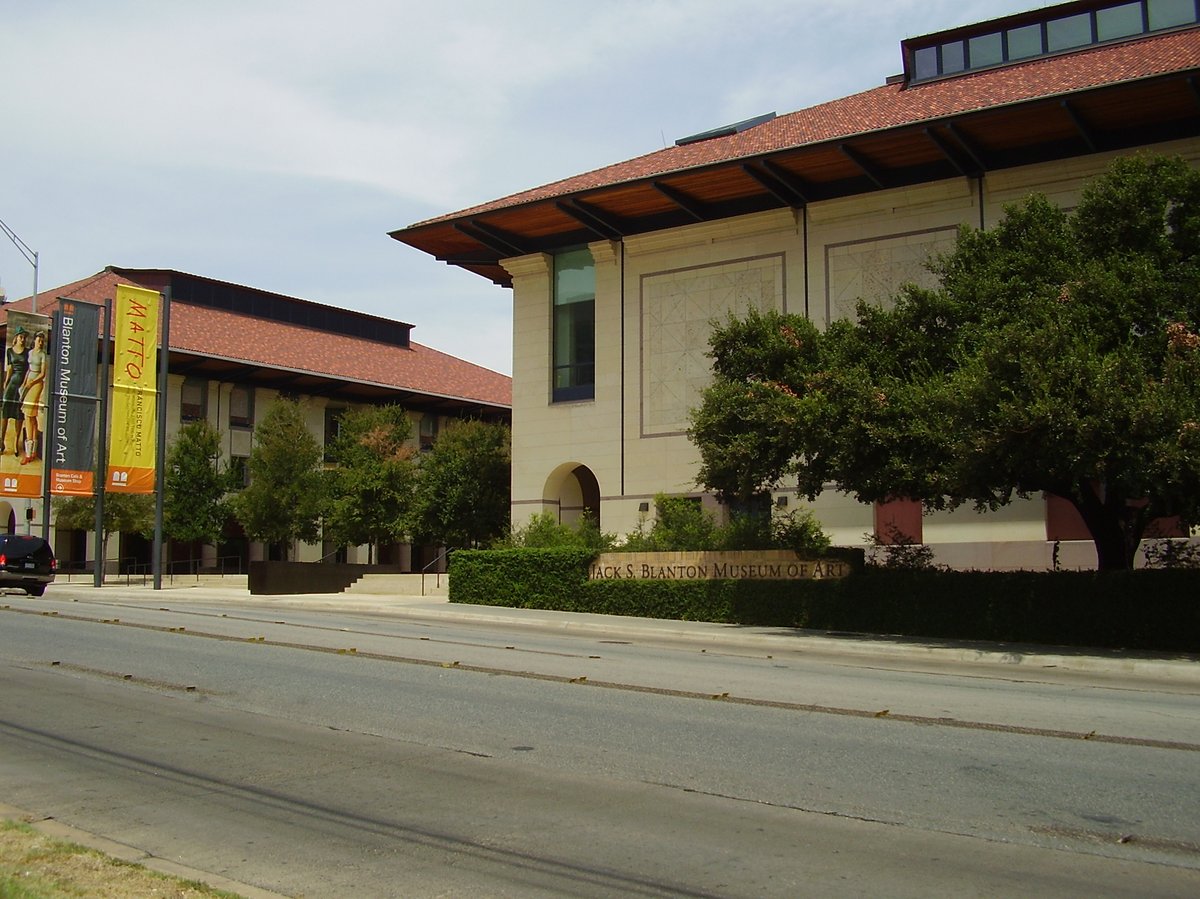
- Blanton Museum of Art
- Lady Bird Lake
- Other 6th Street historic sites (Austin Texas Visitor Guide)
Frequently Asked Questions (FAQ)
Q: What are the visiting hours?
A: Monday–Saturday, 10:00 AM–6:00 PM. Closed Sundays and holidays.
Q: Is there an admission fee?
A: No, general admission is free. Special events or tours may require tickets.
Q: Are guided tours available?
A: Yes, on Fridays and Saturdays at 11:00 AM and 2:00 PM. Book in advance.
Q: Is the building wheelchair accessible?
A: Yes, with ramps, elevators, and accessible restrooms.
Q: Can I take photographs?
A: Yes, but follow posted guidelines and respect private areas.
Q: What is the best way to reach the building?
A: By public transit, rideshare, or on foot. Parking garages are nearby.
Listen to the full story in the app
The whole J. L. Buaas Building,
told well.
Audio guides for 1,100+ cities across 96 countries. History, stories, and local insight — offline ready.

Verified, and shown.
Researched and written by the Audiala editorial team from historical records, architectural archives, and local expertise.
L. Buaas Building: History, Architecture, and Austin's Historic 6th Street, 2024
L. Buaas Building: Architectural Highlights and Visitor Information in Austin, 2024
L. Buaas Building: History, Hours, and Austin’s Immigrant Heritage, 2024
L. Buaas Building in Austin: History, Visiting Hours, Tours, and Preservation, 2024
Researched from Wikidata, Wikipedia & official sources · fact-checked · How we make our guides →